





Leadership
/
Director of Experiental & Wayfinding
Joined in
2024
What makes LIMAH the best experience design practice in the industry?
We go above and beyond to create value not only for projects, but for the wider industry and sectors we serve. In a fast-paced and demanding industry, we have carefully shaped our culture, systems, and practice around creating exceptional human experiences. As pioneers of this discipline, we believe our role extends beyond solving problems. We actively advocate for and educate others on why investing in human experience is essential to creating successful and meaningful places.
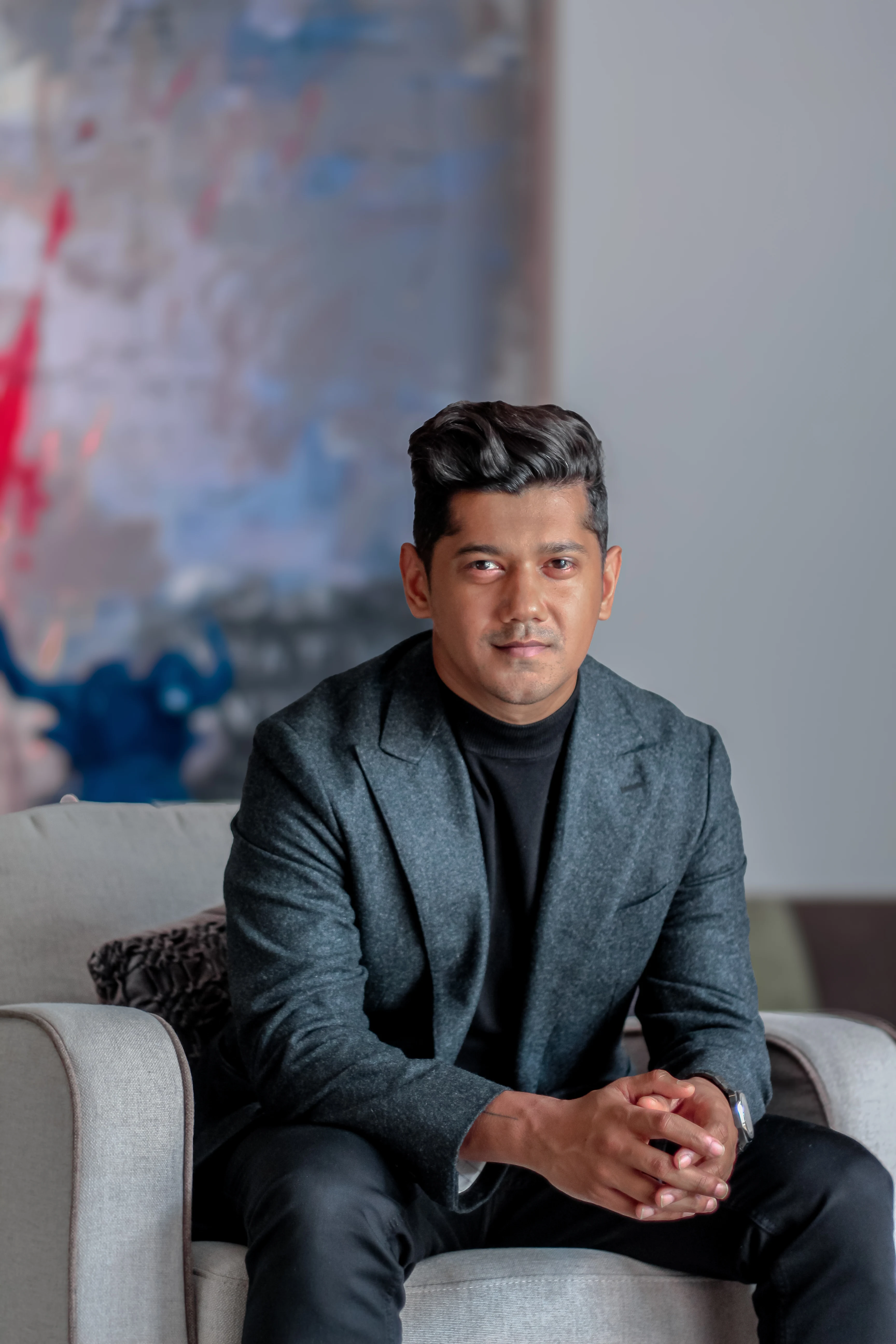
Faraz is an award-winning experiential designer with over a decade of experience shaping public and digital environments. As Director of Experiential and Wayfinding at LIMAH, he leads creative, strategic, and development teams, guiding the practice toward its position as a global leader in experience and wayfinding design. His process begins with people: through design thinking, project visioning, and deep design research, he traces how users move through and feel within a space, then builds the systems that make those moments work. His expertise spans brand identity, integrated signage, and wayfinding, but his role at LIMAH reaches further. He acts as a catalyst across the entire practice, connecting disciplines, empowering talent, and bringing interdisciplinary thinking to every project.
Beyond the studio, Faraz is an international performing artist whose collaborations with institutions including Art Dubai, Art Jameel, AlSerkal Avenue, the Emirates Airline Literature Foundation, Salam Festival UK, and MIT reflect the same human-centric conviction that drives his design work. Whether on a project or a stage, his work creates ripples across ecology, economy, and culture.