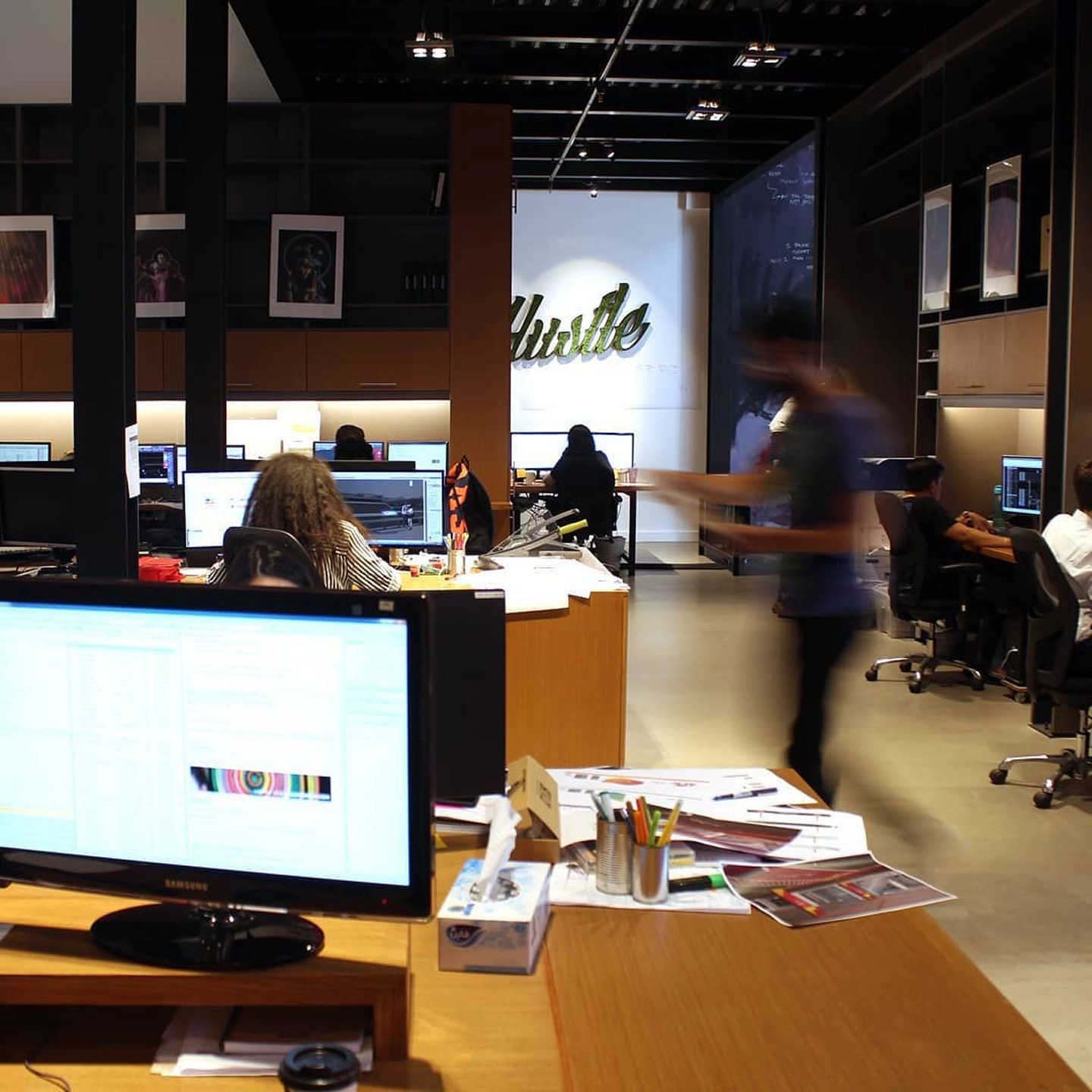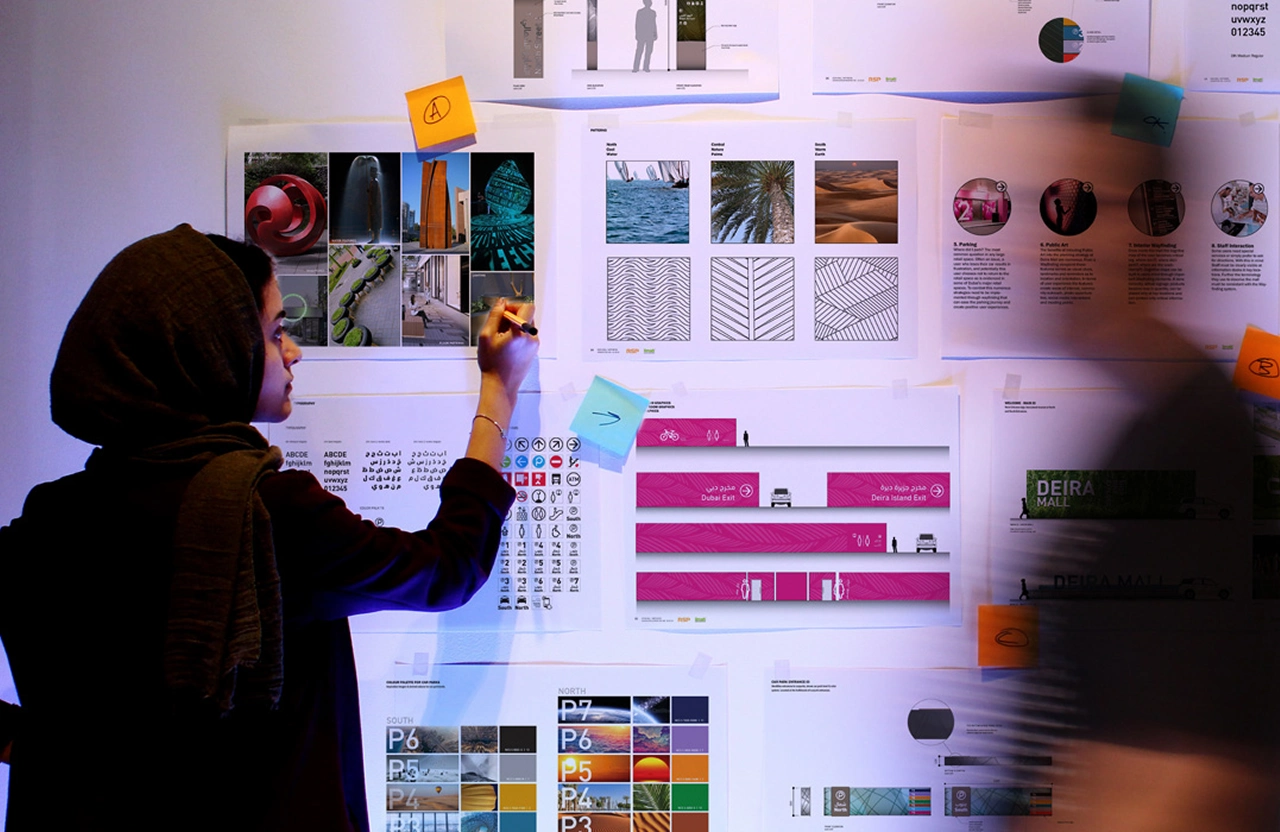




Published under the title “The Future of Things”, the feature considered a series of emerging possibilities, from smart parking and indoor positioning to mobile navigation, responsive digital information and theuse of movement data to better understand how people use complex environments.
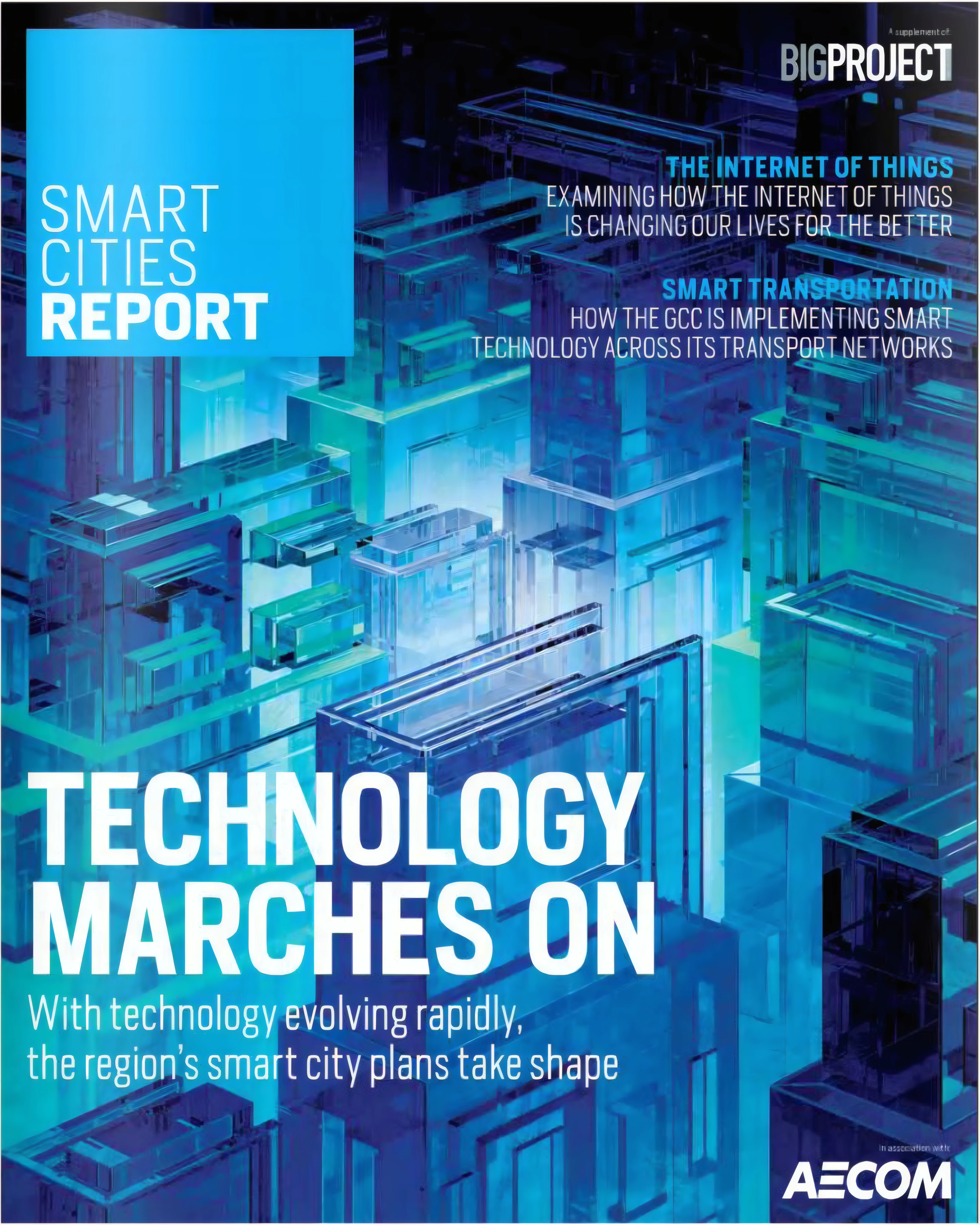
The technology reflected its time, but the article raised a question that remains relevant to LIMAH's work: how can technology make a built environment more useful and understandable from the user's point of view?
Jason argued that digital systems should support the wider human experience of a place. In navigation, he anticipated increasingly preciseindoor positioning and mobile tools that could help people orientate, finddestinations, access information and connect with customer service. Theoriginal article also recognised that greater collection of personal andmovement data would bring important questions around security and privacy.
Nearly a decade later, the technologies have developed considerably. The underlying design challenge remains: technology creates value when it responds to genuine human needs and works as part of the wider built environment experience.
Archive note: This page documents external media coverage originally published in 2016. References to technology and future applications reflect the context and expectations of that period.