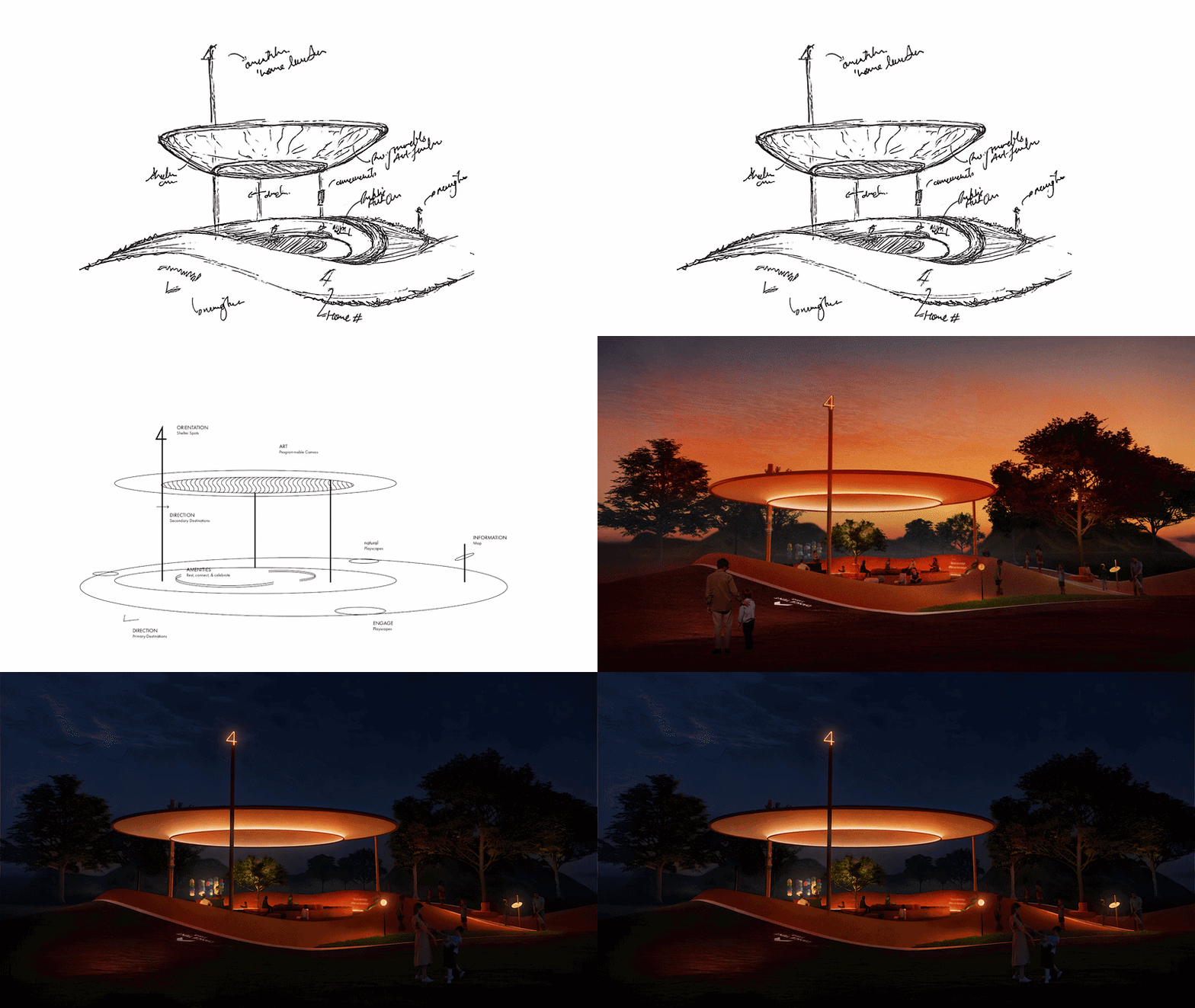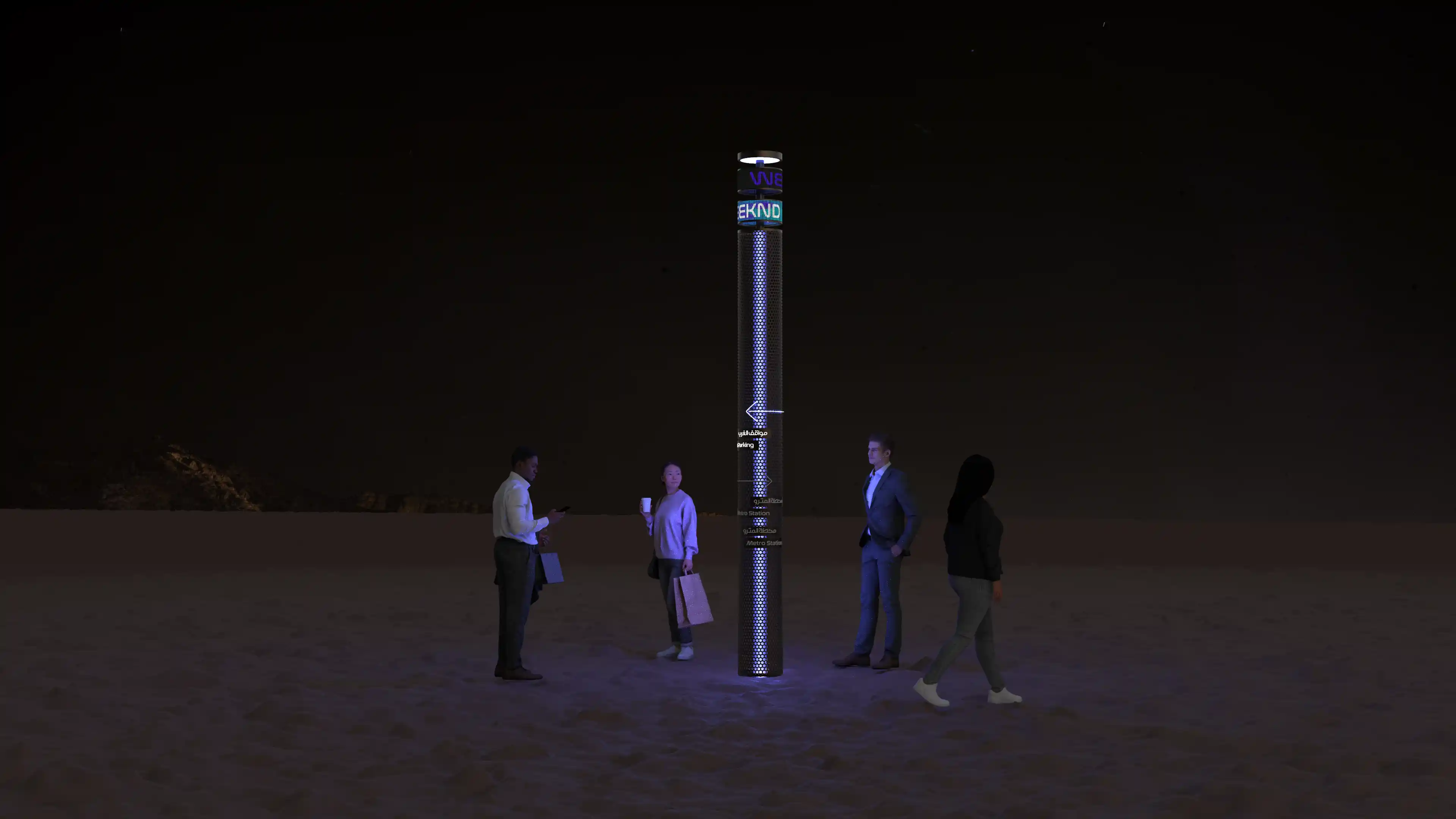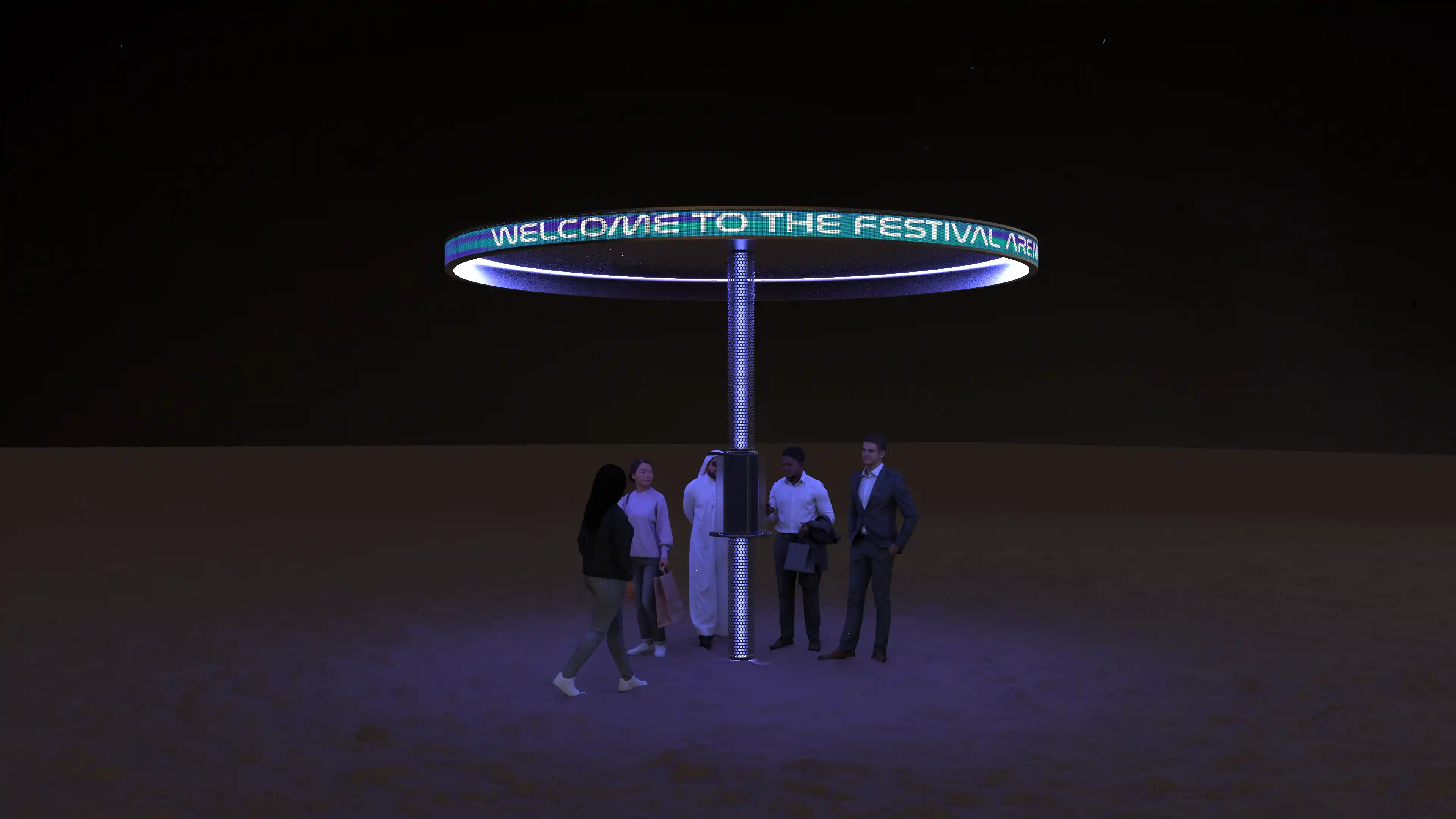



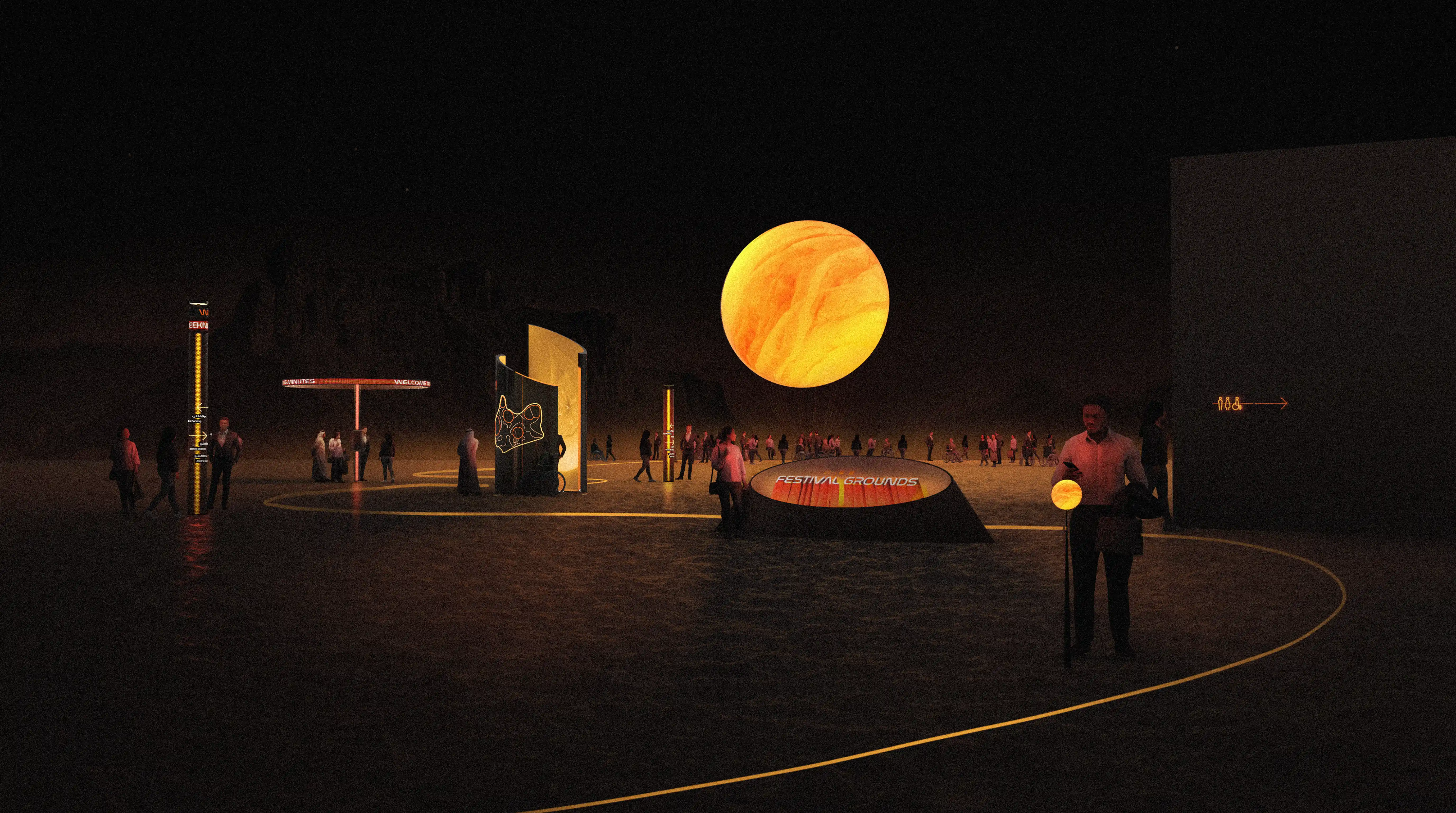
Situated within a dramatic cliff-edge landscape in the heart of a major entertainment destination, Festival Arena is conceived as a large-scale event ecosystem capable of hosting up to 500,000 attendees across festivals, performances, and global cultural gatherings. Designed as a central open-space venue for large public events, the masterplan leverages natural topography, expansive public realm systems, and contextual sensitivity to create a destination where landscape, spectacle, and movement become one continuous experience.
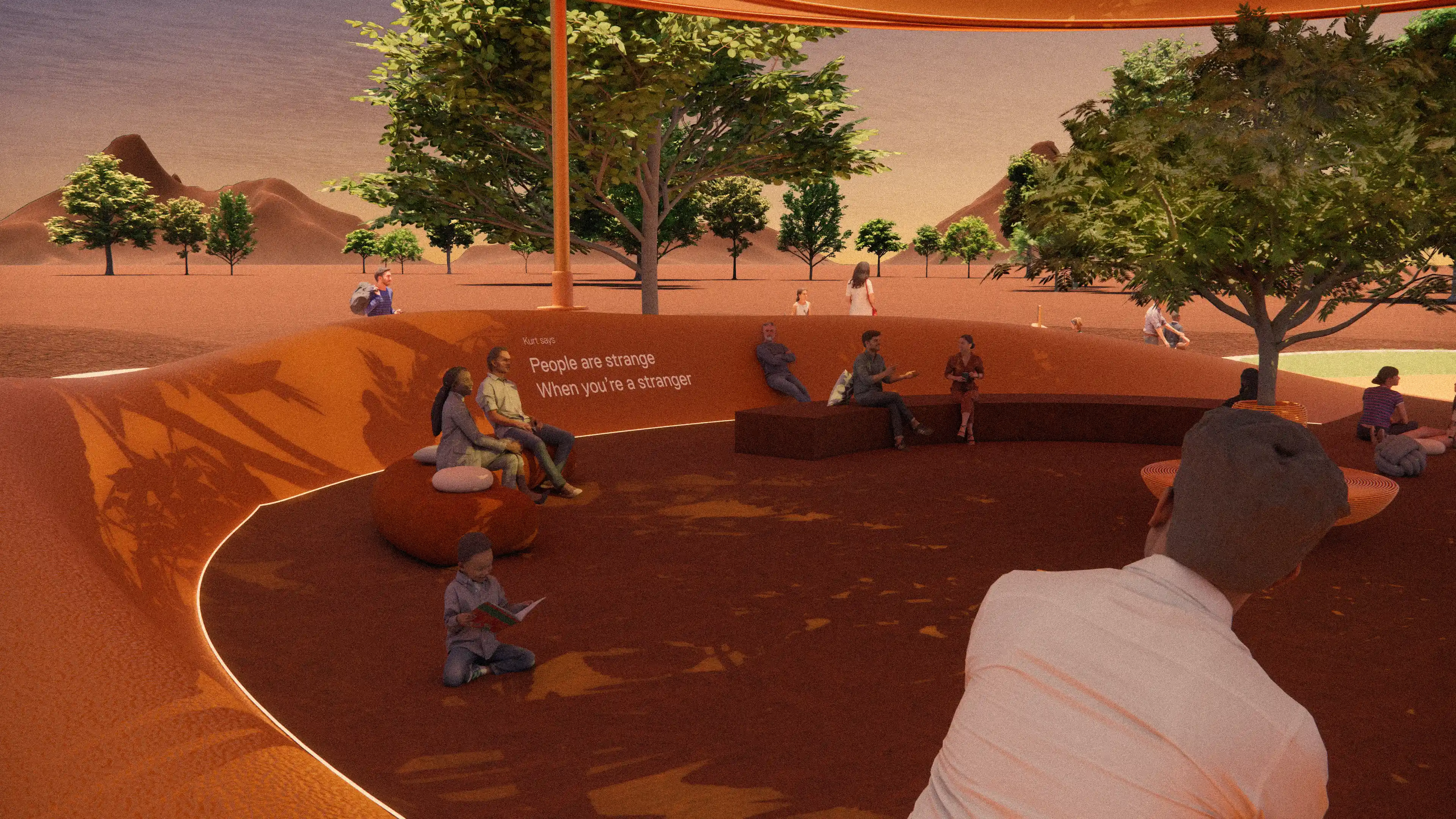
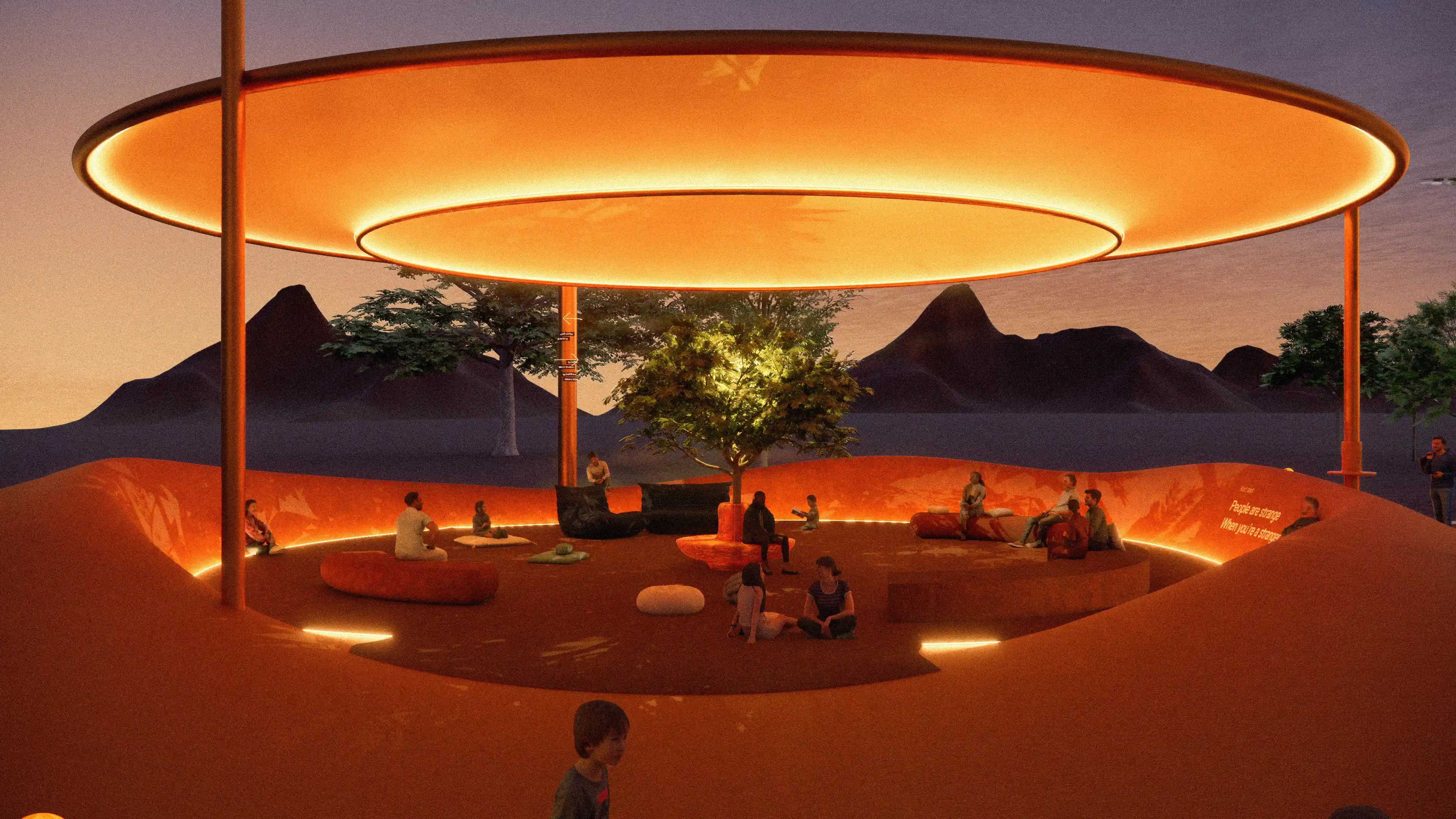
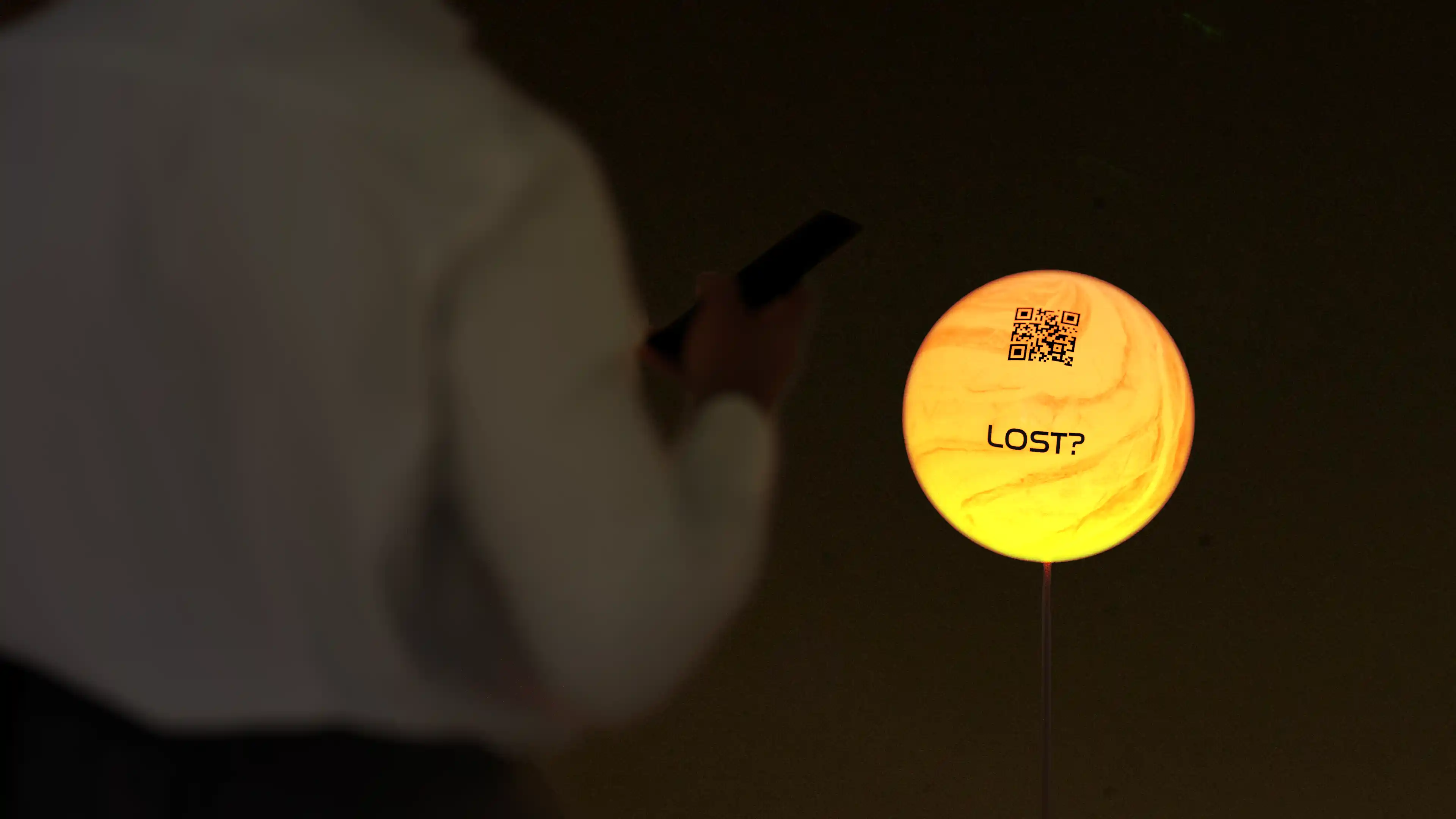
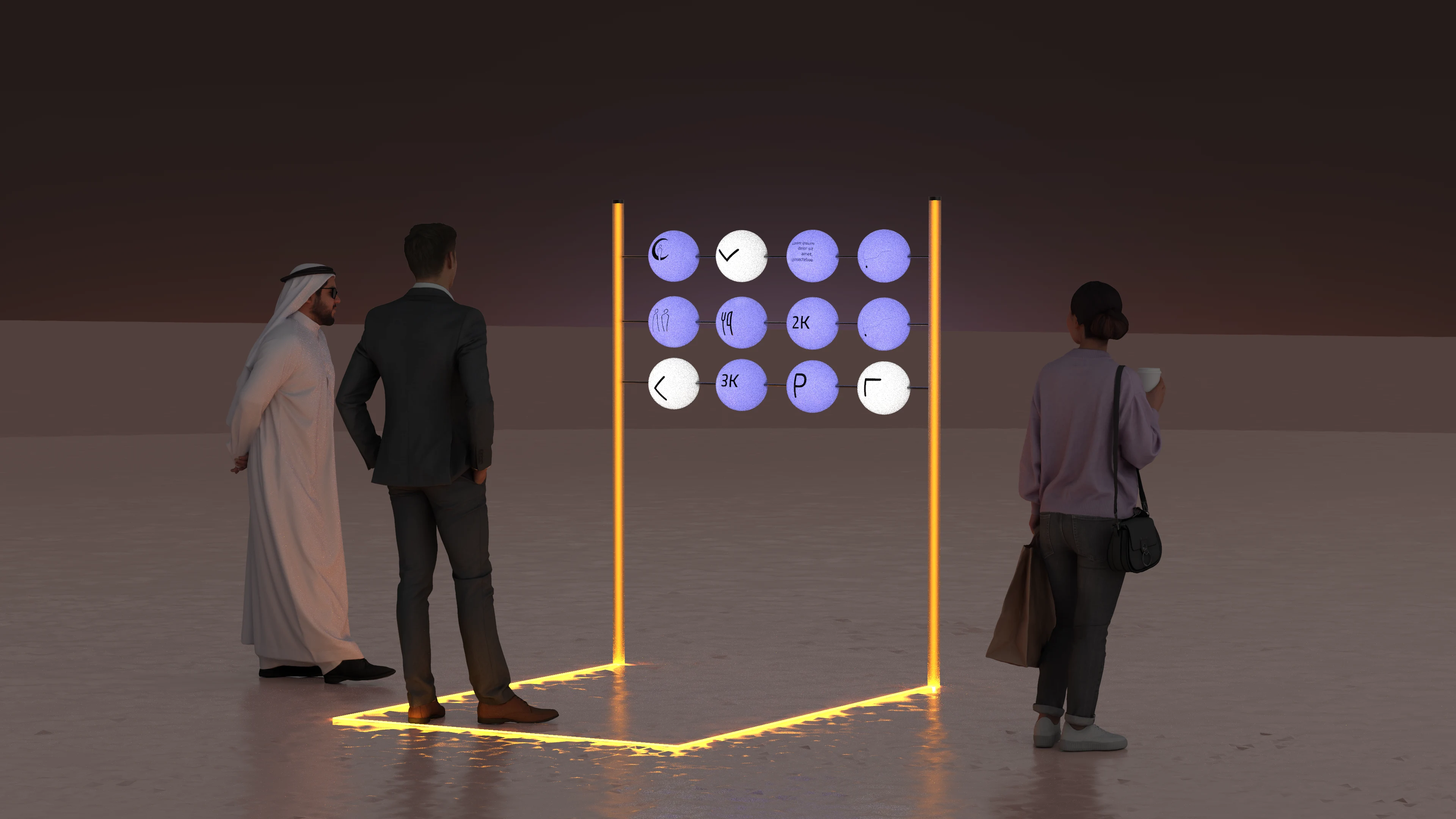
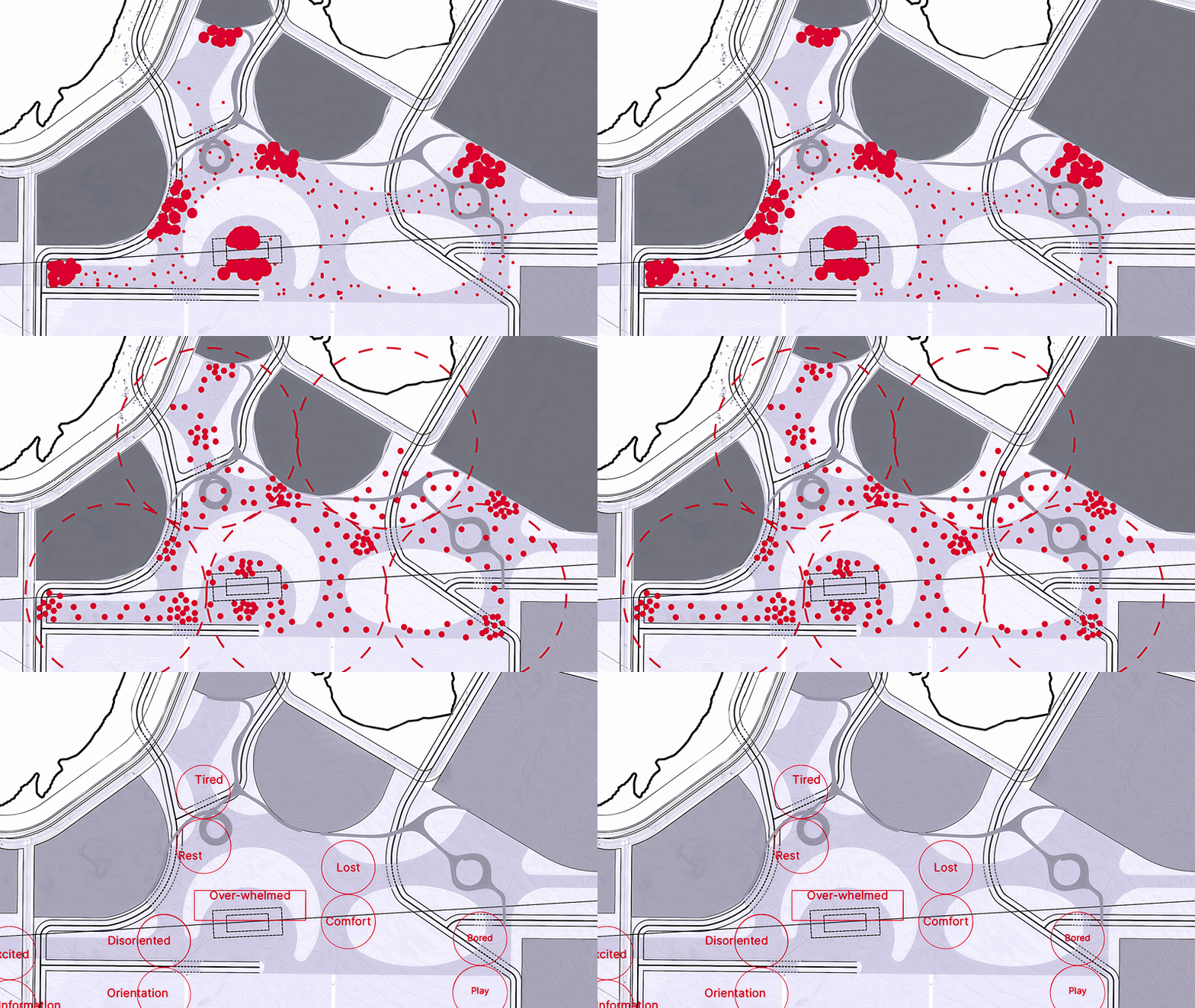
LIMAH’s approach transforms this extraordinary scale into clarity through an intelligent hybrid physical-digital wayfinding ecosystem. Rather than treating wayfinding as signage alone, the strategy personifies the built environment into an orchestrated host that guides, reassures, informs, and adapts in real time. Through multisensory cues, programmable messaging, crowd-responsive infrastructure, and AI-enabled spatial intelligence, the environment becomes a living system capable of responding to event modes, density shifts, operational requirements, and emotional user needs.
The result is an experiential environment where movement, meaning, and memory are choreographed across arrival, gathering, spectacle, and exit, setting a new benchmark for large-scale festival navigation, crowd intelligence, and exceptional human experience.
STRATEGIC DRIVERS
- Spatial Legibility & Cognitive Clarity: Establish a highly intuitive navigation logic across a polycentric event landscape, reducing cognitive load while supporting large crowd movements and multiple viewpoints.
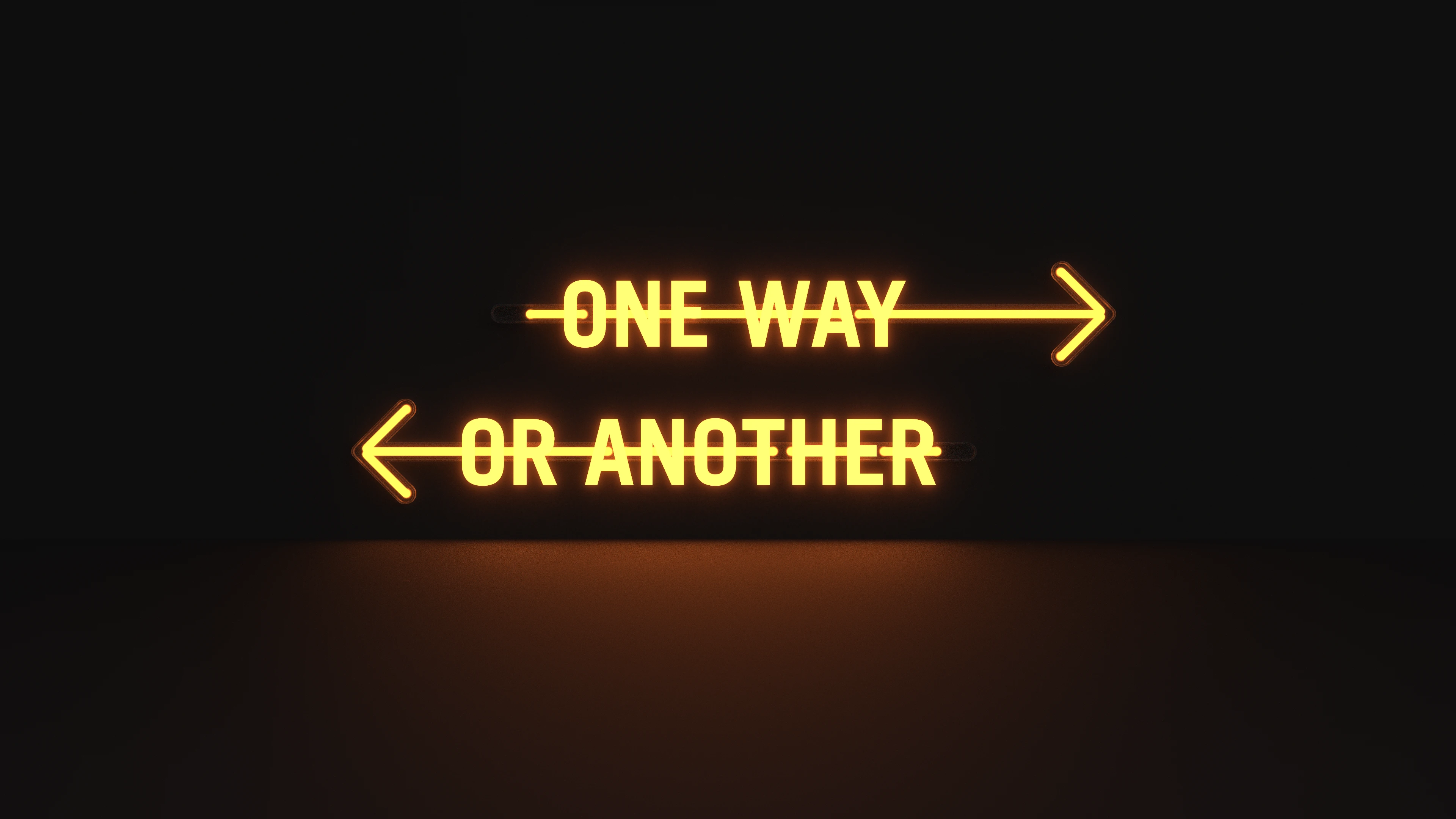
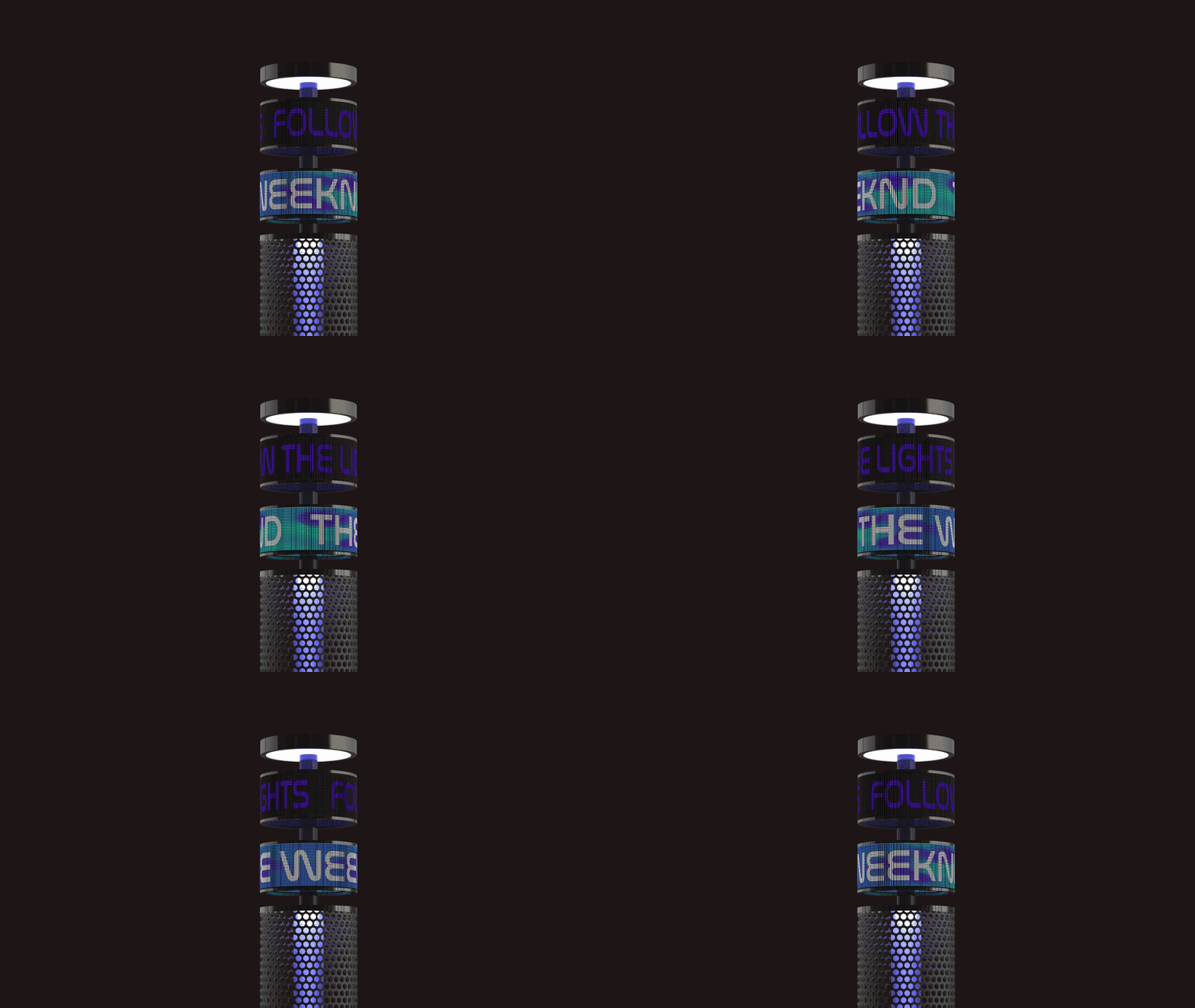
- Programmable Event Infrastructure: Create a permanent framework with temporary digital overlays, enabling real-time messaging shifts across festivals, crowd conditions, emergency modes, and sponsor activations.
- Hybrid Physical-Digital Fusion: Integrate static landmarks, dynamic signage, AI interfaces, and mobile ecosystems into one connected wayfinding language.
- Operational Efficiency & Crowd Governance: Support crowd management, security, event operations, and service coordination through intelligent zoning, sensing, and predictive routing.
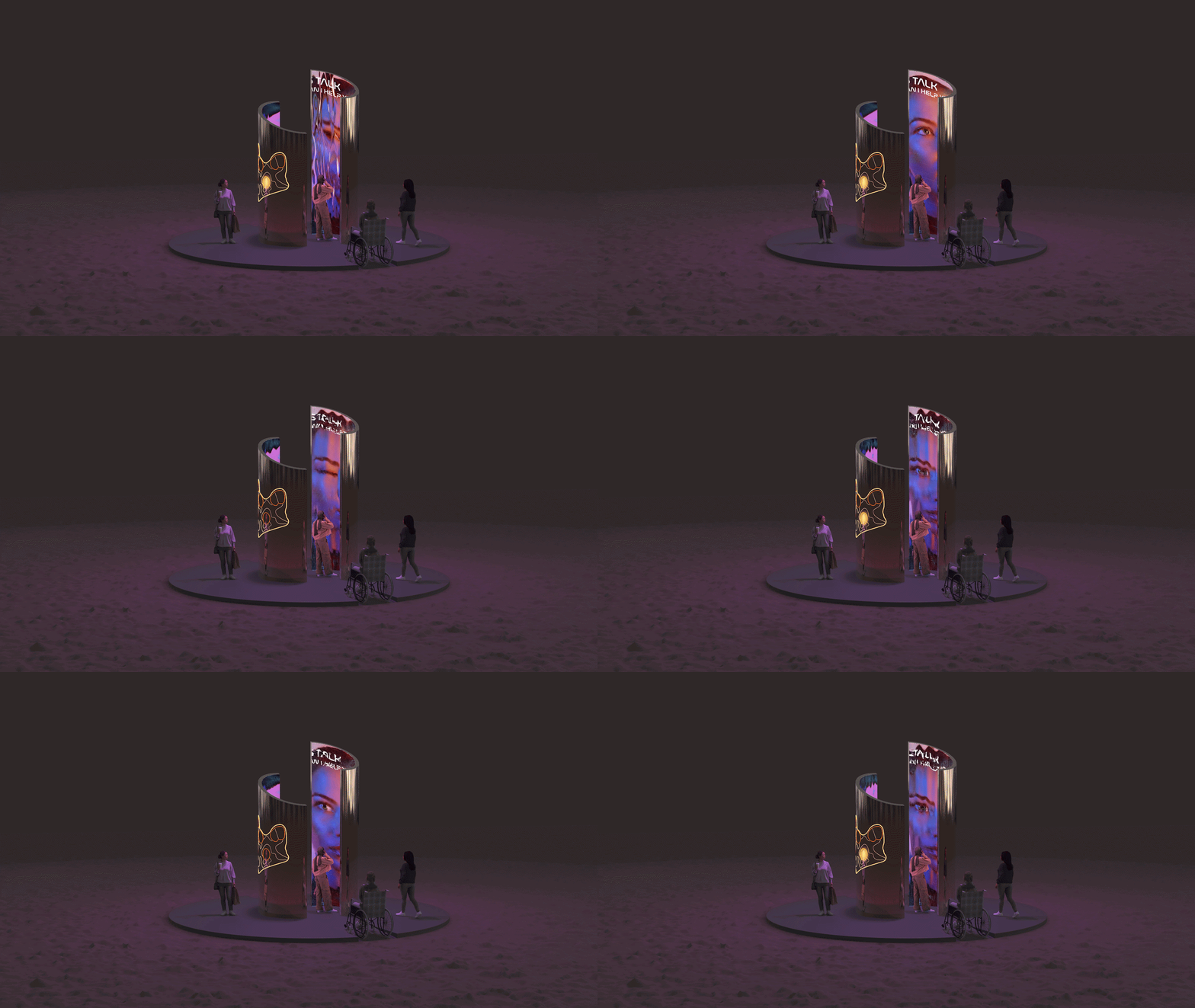
- Multisensory Inclusive Experience: Use light, sound, haptic cues, ambient messaging, and accessible interfaces to support diverse users across high-energy environments.
.gif)

.gif)