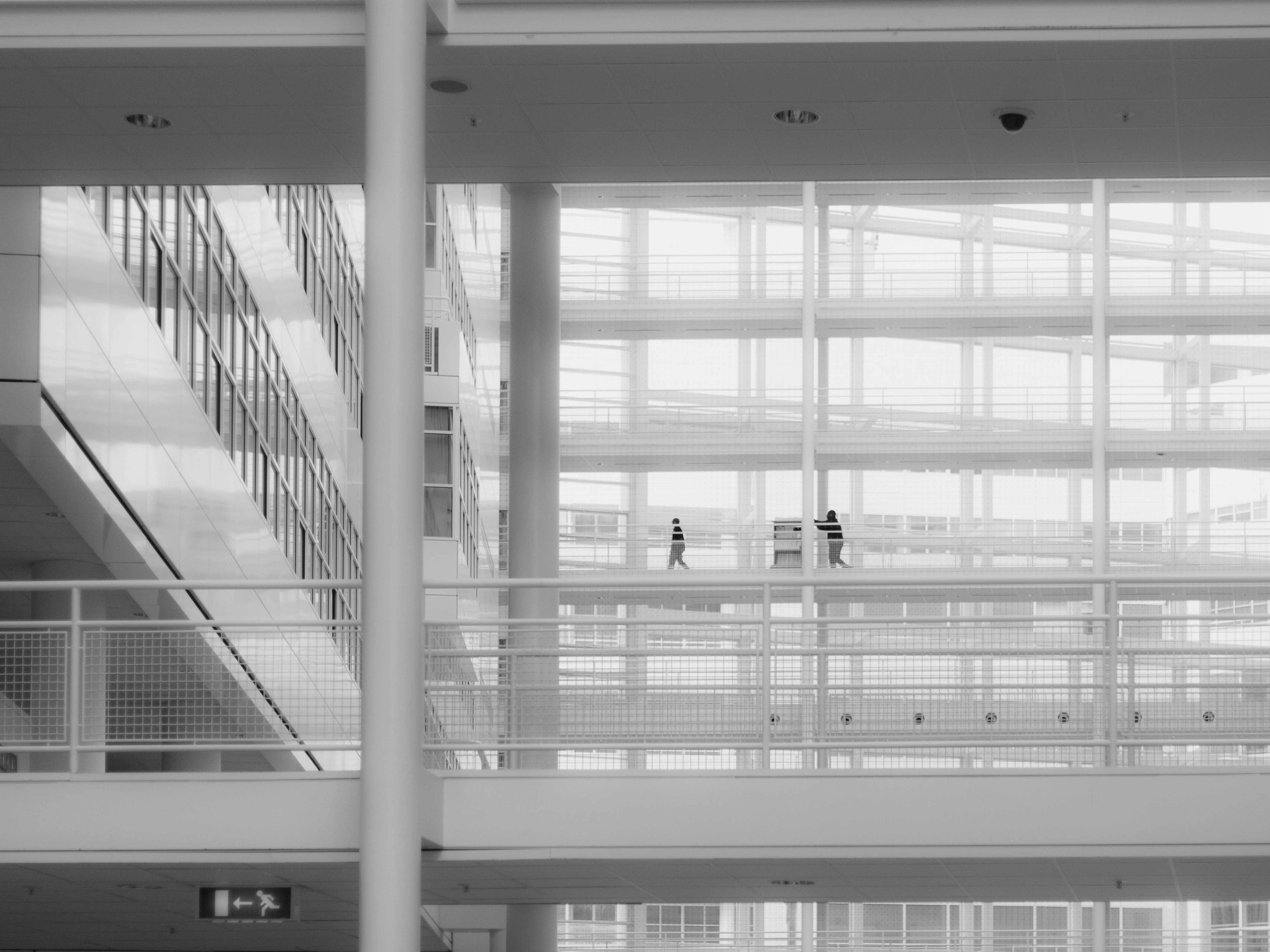



These problems are usually treated as separate defects. One is assigned to signage, another to operations, another to architecture, technology, customer service or brand. In reality, they are often symptoms of the same issue: the project has been designed as a collection of disciplines, while the person using it experiences one continuous place.
Built environment experience design addresses that gap. It is the strategic design and coordination of how people understand, move through, use, feel and remember a built environment. It connects architecture with human behaviour, bringing together the spatial, sensory, informational, operational and digital layers that shape the lived experience of a place.
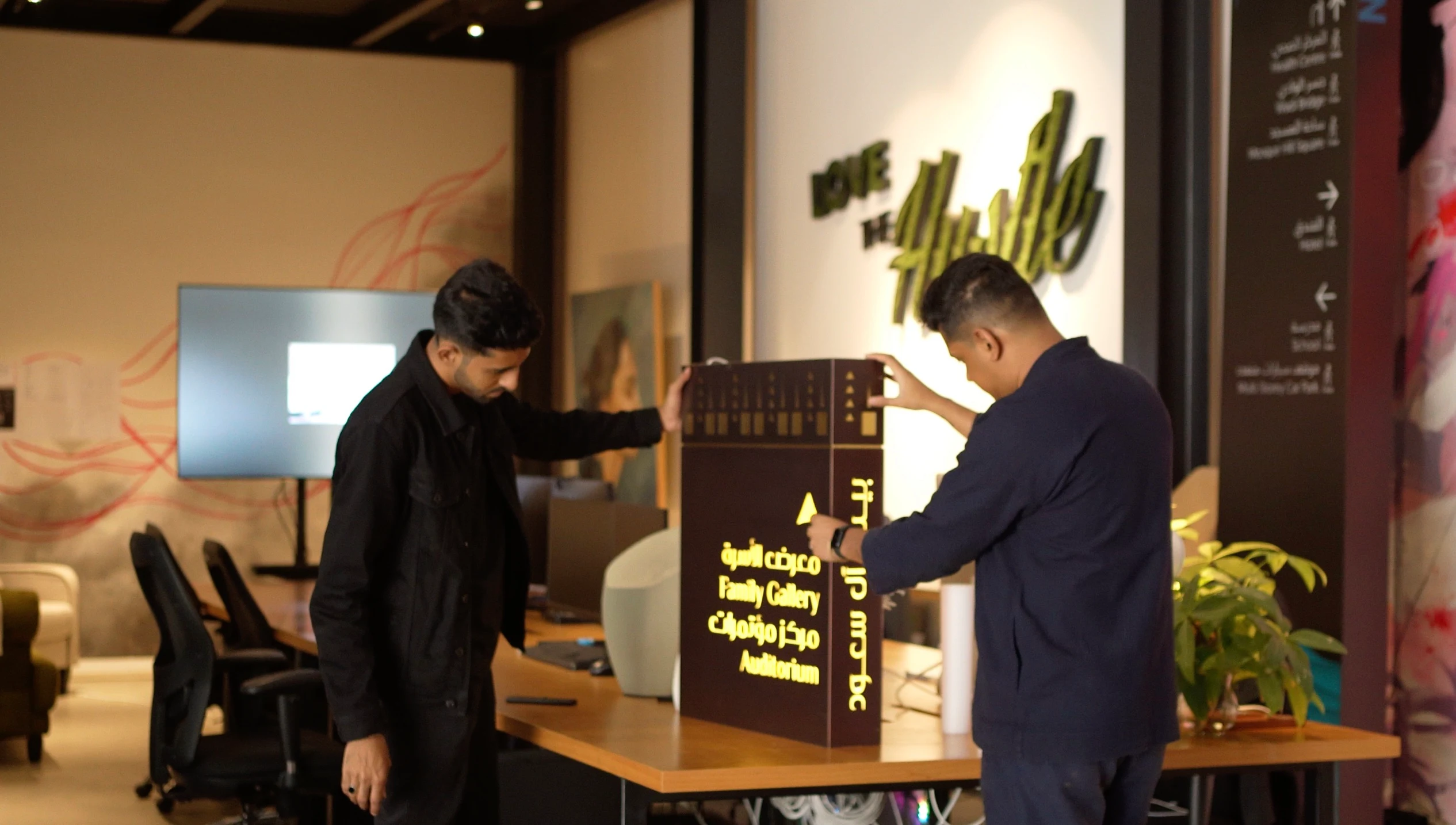
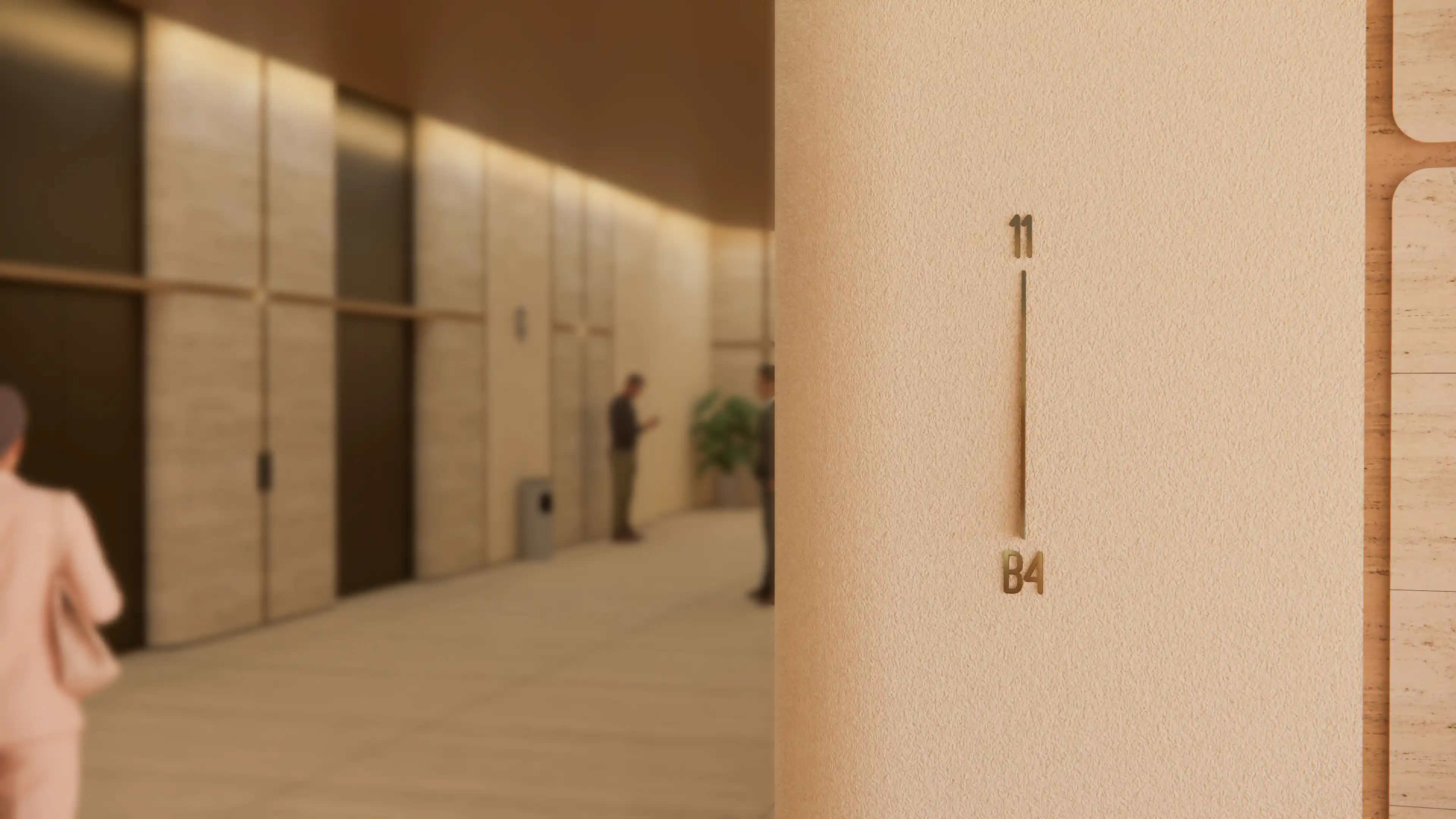
This is the category LIMAH has been moving towards since its earliest work. Wayfinding taught us that people rarely struggle because a sign is missing. They struggle because the wider environment has failed to give themenough clear, consistent information to make the next decision. Public art showed us that identity, memory and orientation can be created through the place itself. Experience work revealed that the journey begins before arrival and continues through service, operations and digital touchpoints.
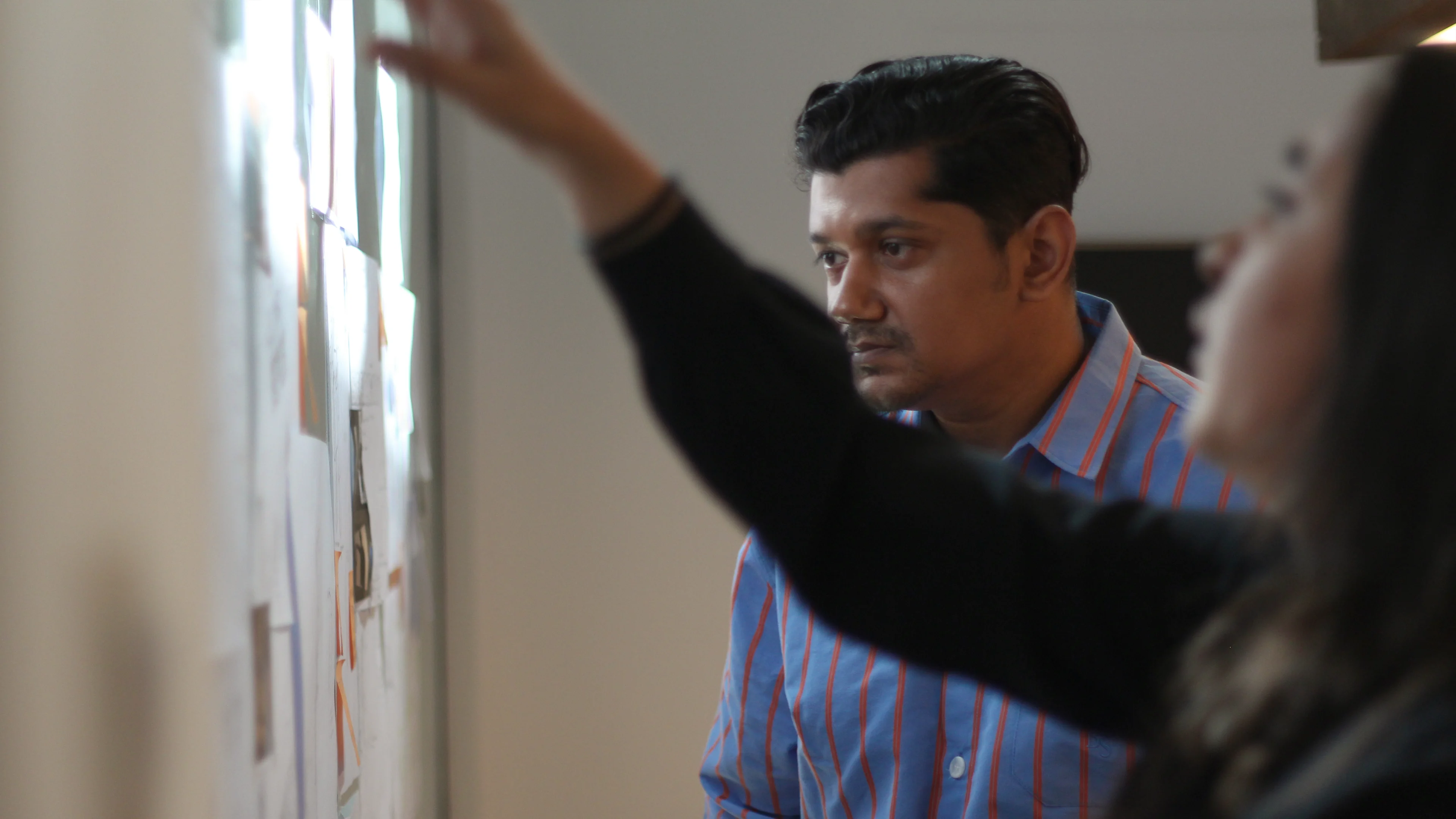
The larger discipline is built environment experience design. Its purpose is simple: to make the human experience of a place as deliberately designed as the place itself.
What built environment experience design means
Built environment experience design is the practice of shaping the relationship between people and physical places. It considers what people need to know, do and feel throughout their interaction with an environment, then coordinates the systems that influence those outcomes.
The environment may be a city district, transport hub, hospital, university, resort, cultural destination, workplace, residential community, stadium or mixed-use development. The scale changes, but the central challenge remains the same. People must interpret the place, make decisions, move with confidence, access services and form an impression of where they are.
Architecture creates the physical setting, but human experience is also shaped by information, behaviour, memory, culture, ability, stress, technology, staff interaction and operational rules. The route that looks obvious on a plan may not be visible from eye level. The entrance that satisfies a diagram may feel secondary in reality. A digital map may show the correct destination while using names that do not appear anywhere in the building. A striking public space may have no clear sense of arrival or purpose.
Built environment experience design looks across these conditions as one connected system. It establishes the human logic of the place, then ensures that this logic is carried through planning, design, delivery and operation.
It is broader than environmental graphics, customer experience, service design or user experience considered separately. Each of those disciplines can make an important contribution. The value of the larger category lies in connecting them to the physical reality of the environment and to each other.
The gap between a designed building and a lived place
Projects are organised around professional responsibilities, packages and deliverables. Architects design buildings. Landscape architects shape external areas. Interior designers develop internal spaces. Engineers resolve technical systems. Brand teams manage identity. Digital teams create platforms. Operators define service procedures. Artists contribute meaning and character. Wayfinding consultants organise movement and information.
This structure is necessary for delivery, but it creates a predictable blind spot. Responsibility for the complete human journey is often fragmented across many appointments, with no one clearly accountable for how all the parts behave together.
Drawings can confirm that a door, corridor, sign, screen or reception desk exists. They do not automatically confirm that a first-time visitor will understand what to do next. Compliance can establish that access has been provided. It does not by itself guarantee that the accessible journey is legible, dignified or consistent. A brand strategy can define the desired character of a destination. It does not ensure that the arrival, public realm, staff communication and digital experience express the same promise.
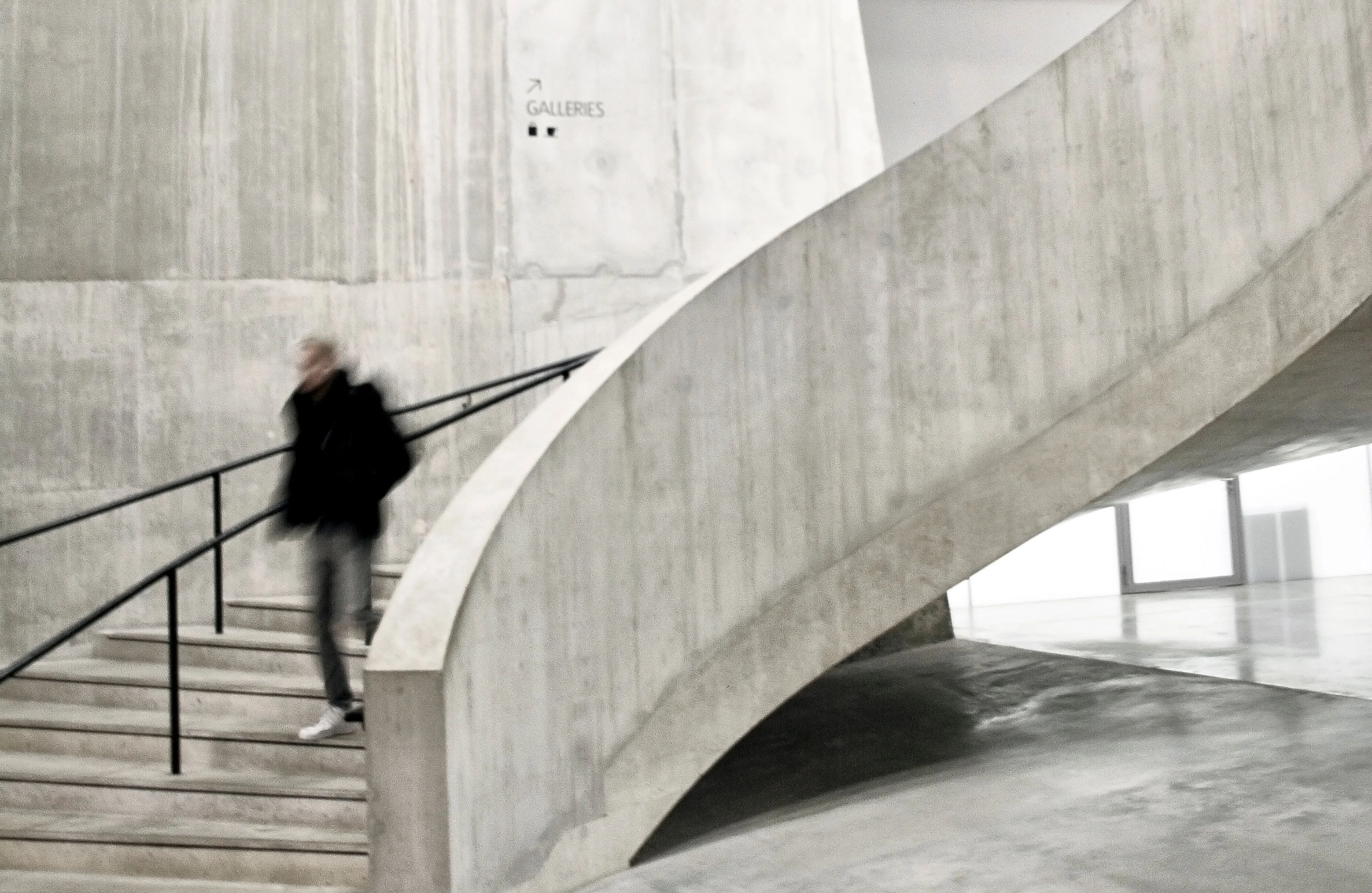
The difference between a designed building and a successful place is found in these connections.
When the connections are weak, the consequences appear after opening. Additional signs are ordered. Reception teams become a human navigation system. Security staff explain routes that should be self-evident. Temporary barriers become permanent. Digital content is updated separately from physical information. Complaints are treated as isolated service failures even when the environment is causing them.
These responses may reduce immediate friction, but they rarely correct the underlying system. The more useful question is not which object is missing. It is why the person became uncertain in the first place.
Human behaviour is part of the design brief
People do not use buildings as neutral, perfectly informed users. They arrive with different levels of familiarity, attention, confidence, language, ability and time. Some are relaxed. Others are late, anxious, distracted, responsible for children or supporting someone with limited mobility. Staff, residents, visitors, patients, passengers and service teams may all read the same environment differently. Good experience design begins with these conditions. It considers what people can actually see, understand and remember at the moment a decision must be made. It examines how expectations are formed before arrival, how thresholds communicate change, how landmarks support orientation and how the sequence of spaces affects confidence.
Human behaviour also changes according to context. A person exploring a cultural destination may welcome discovery and surprise. A passenger making a tight connection needs speed and certainty. A hospital visitor may have reduced attention because of stress. A resident wants familiarity without feeling controlled by excessive information. A shopper may move between purposeful navigation and unplanned exploration. The same design response cannot serve every situation. The experience must be aligned with the purpose of the place and the state of the person using it.
Accessibility makes this especially clear. The built environment must support people with a wide range of physical, sensory and cognitive needs. ISO 21542:2021 addresses access, circulation, egress and usability as fundamental aspects of building design. Meaningful accessibility also depends on the continuity of the journey: clear information, understandable routes, appropriate sensory conditions, accessible interfaces and operational support must work together.
Human-centred design is therefore more than a statement of intent. It requires the project to translate real patterns of behaviour into spatial, informational and operational decisions
The eight systems that shape the experience of a place
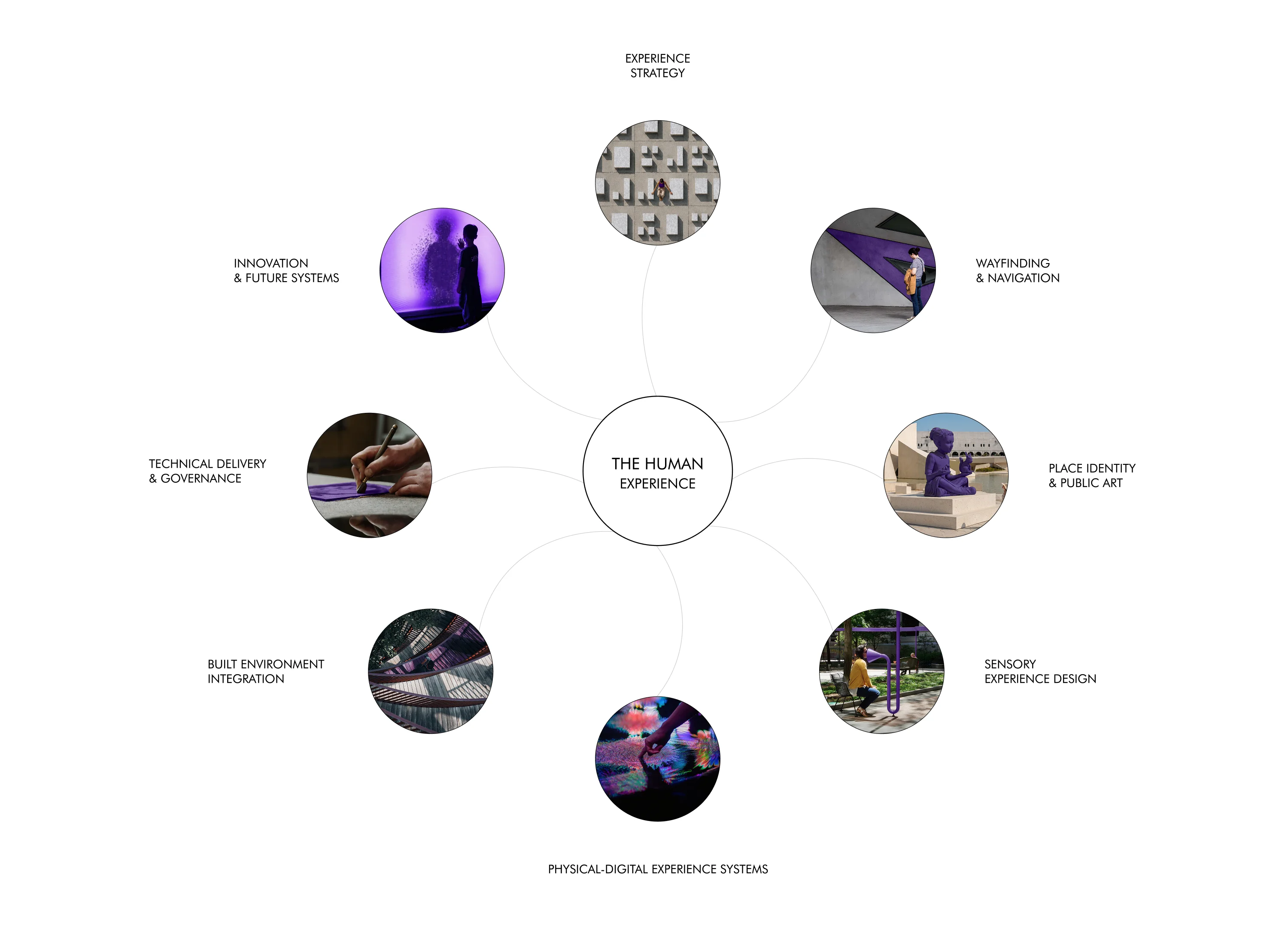
Built environment experience design becomes useful when it can organise action, not simply describe an ambition. At LIMAH, the category is structured through eight connected areas of expertise. Each addresses a different part of the relationship between people and place.
Experience Strategy
Experience Strategy defines the human logic before the place is designed in detail. It establishes who will use the environment, what they need to achieve, how different journeys should behave and what the experience should accomplish for the client, operator and user. It connects project vision with behavioural and operational reality.
Wayfinding & Navigation
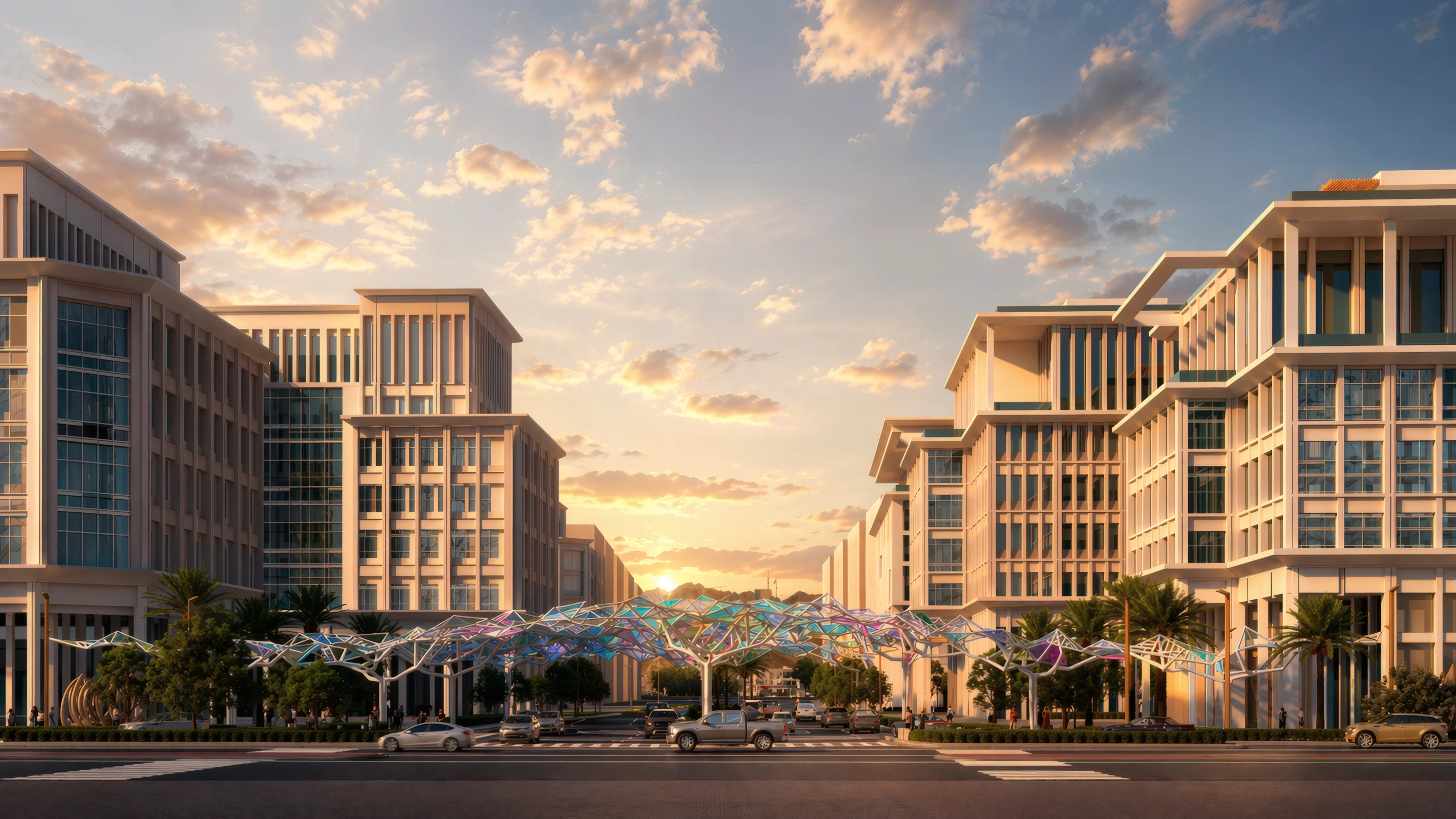
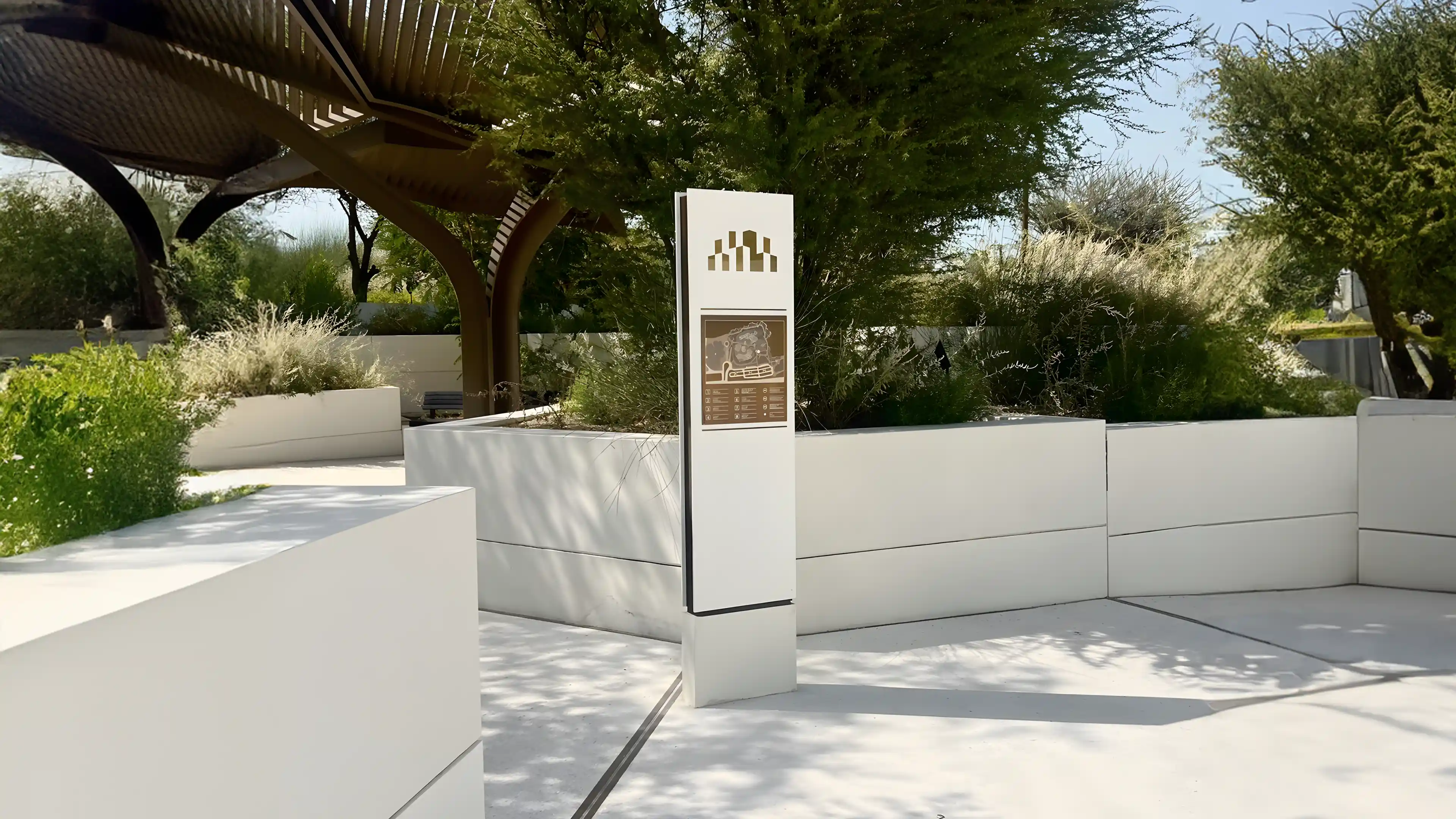
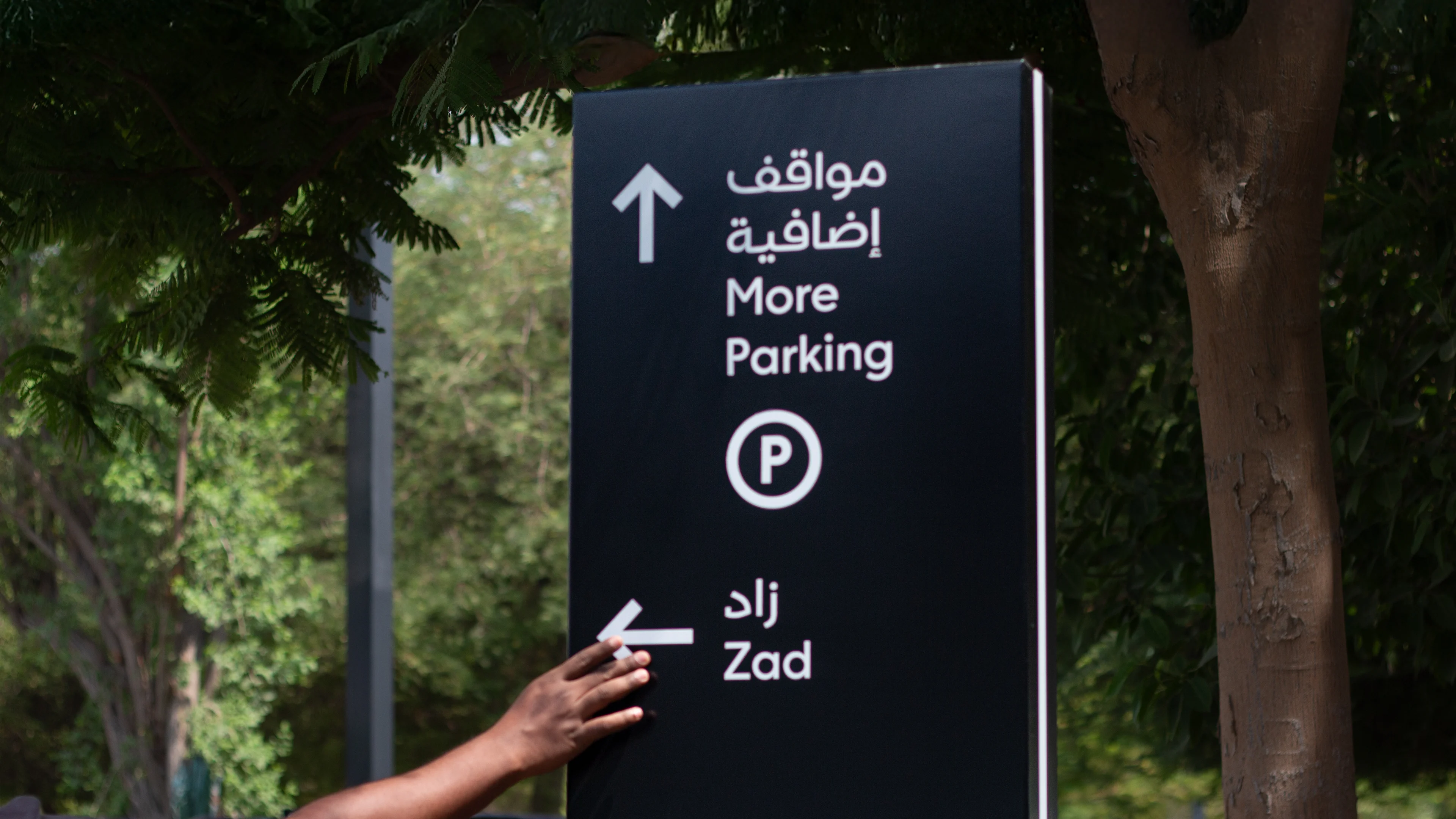
Wayfinding & Navigation shapes how people orient themselves, make decisions, move and arrive. It uses spatial planning, landmarks, naming, information hierarchy, digital tools, staff communicationand signage as parts of one navigation system. Its purpose is not to add more directions. It is to reduce the need for them through clearer environmental logic.
Place Identity & Public Art
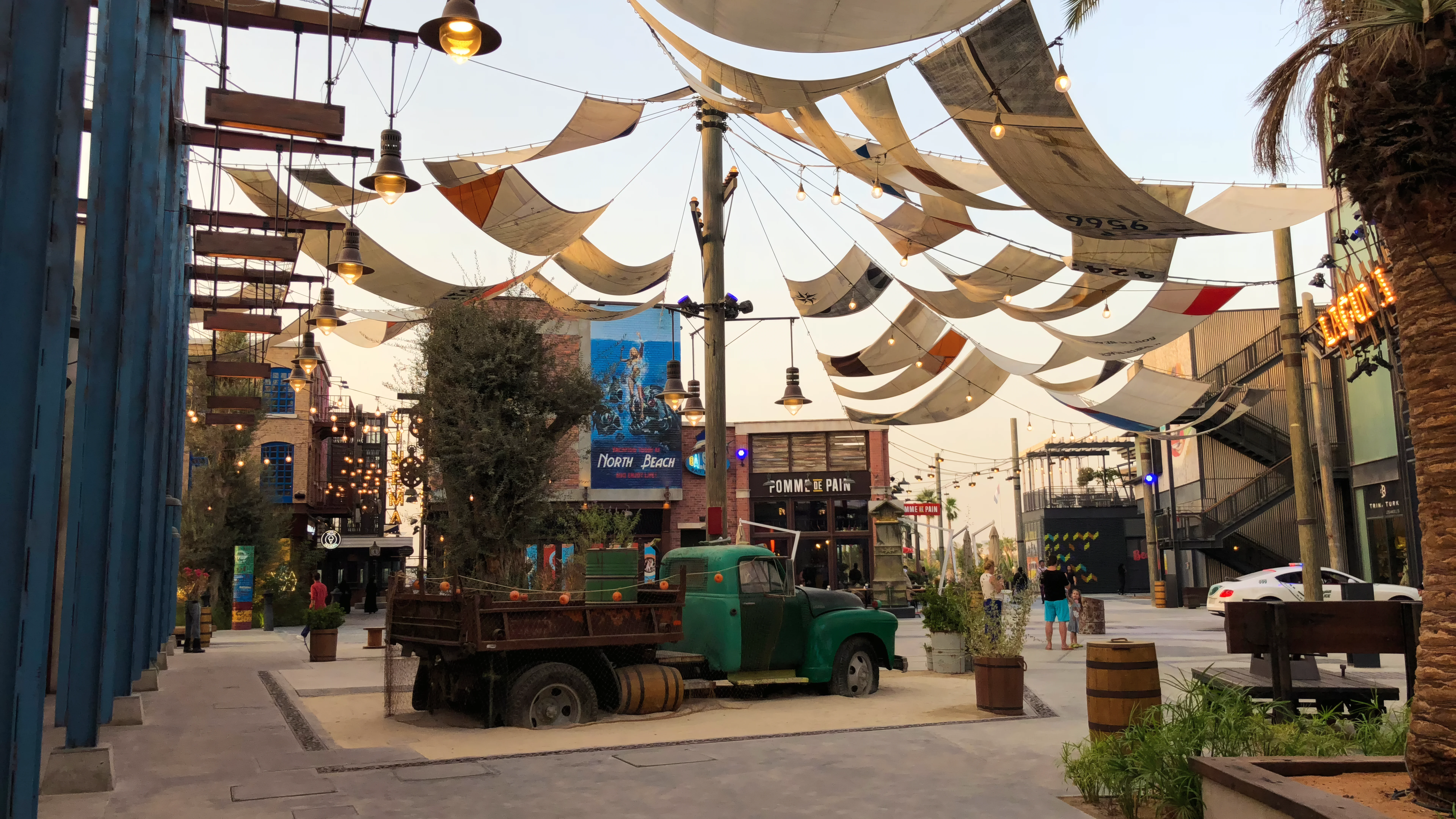
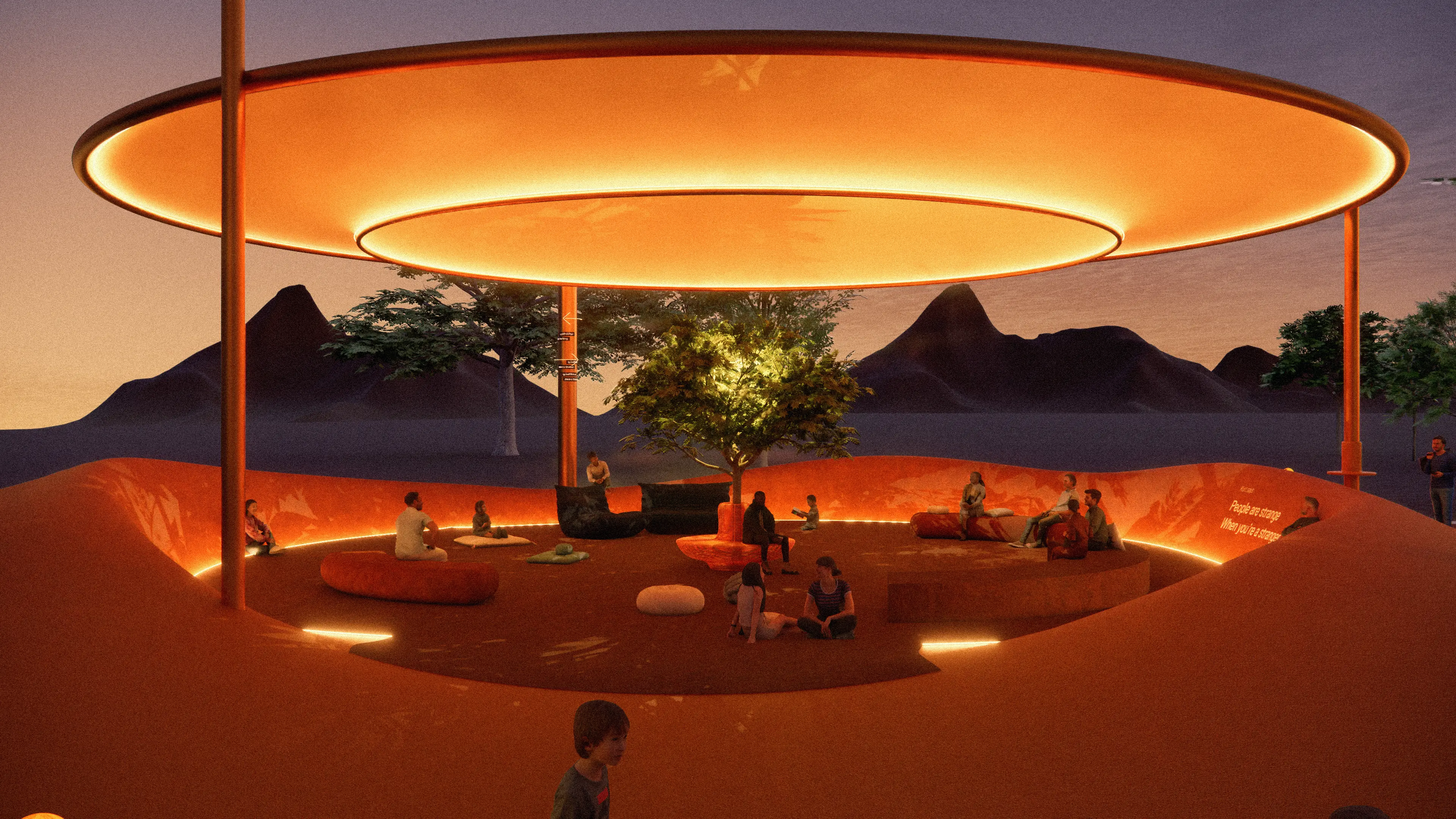
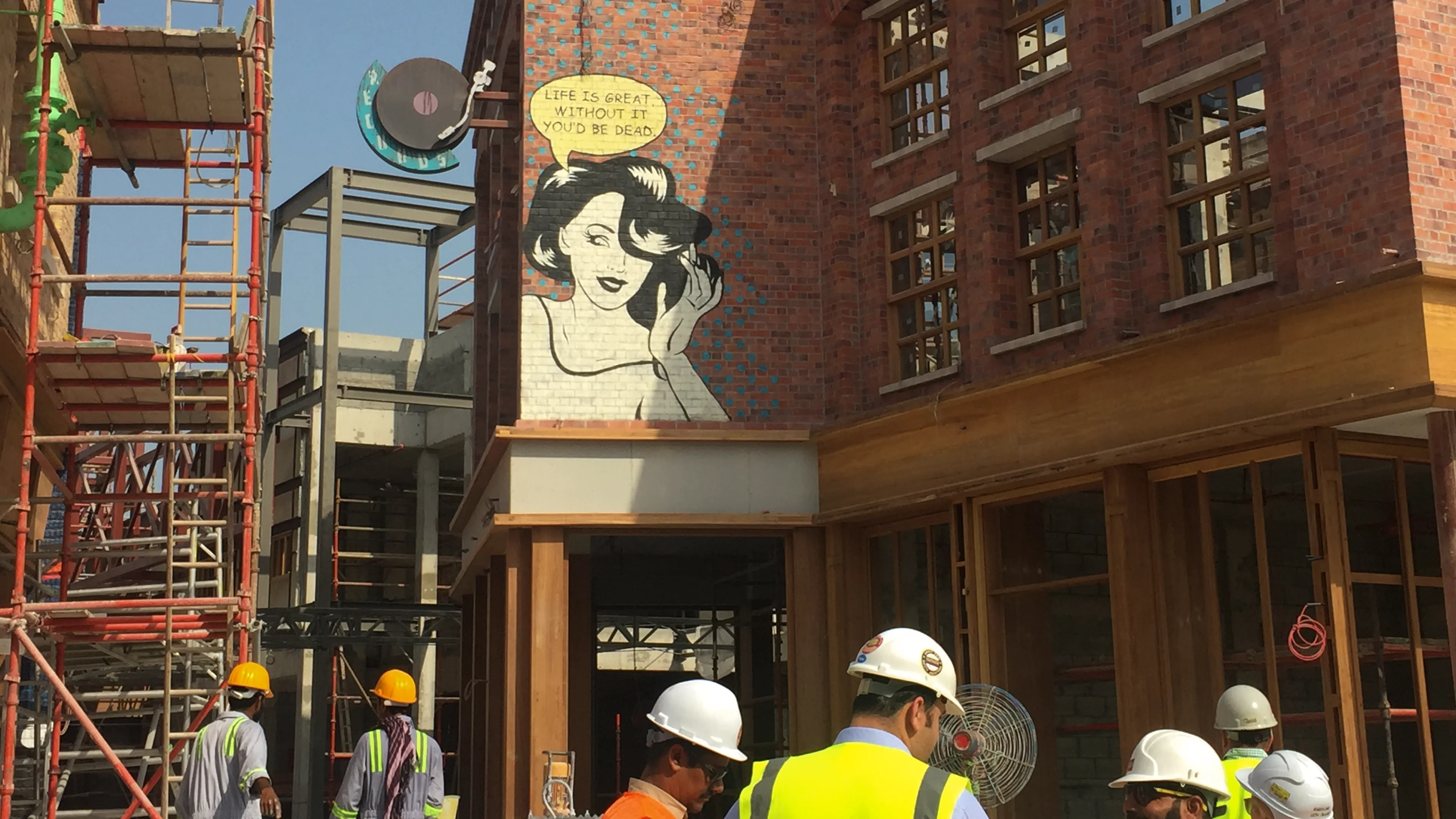
Place Identity & Public Art gives an environment meaning, distinction and memory. Cultural research, narrative, artistic intervention and landmark creation can help people recognise where they are andform an emotional connection with the place. Identity becomes part of experience and orientation rather than a decorative layer.
Sensory Experience Design
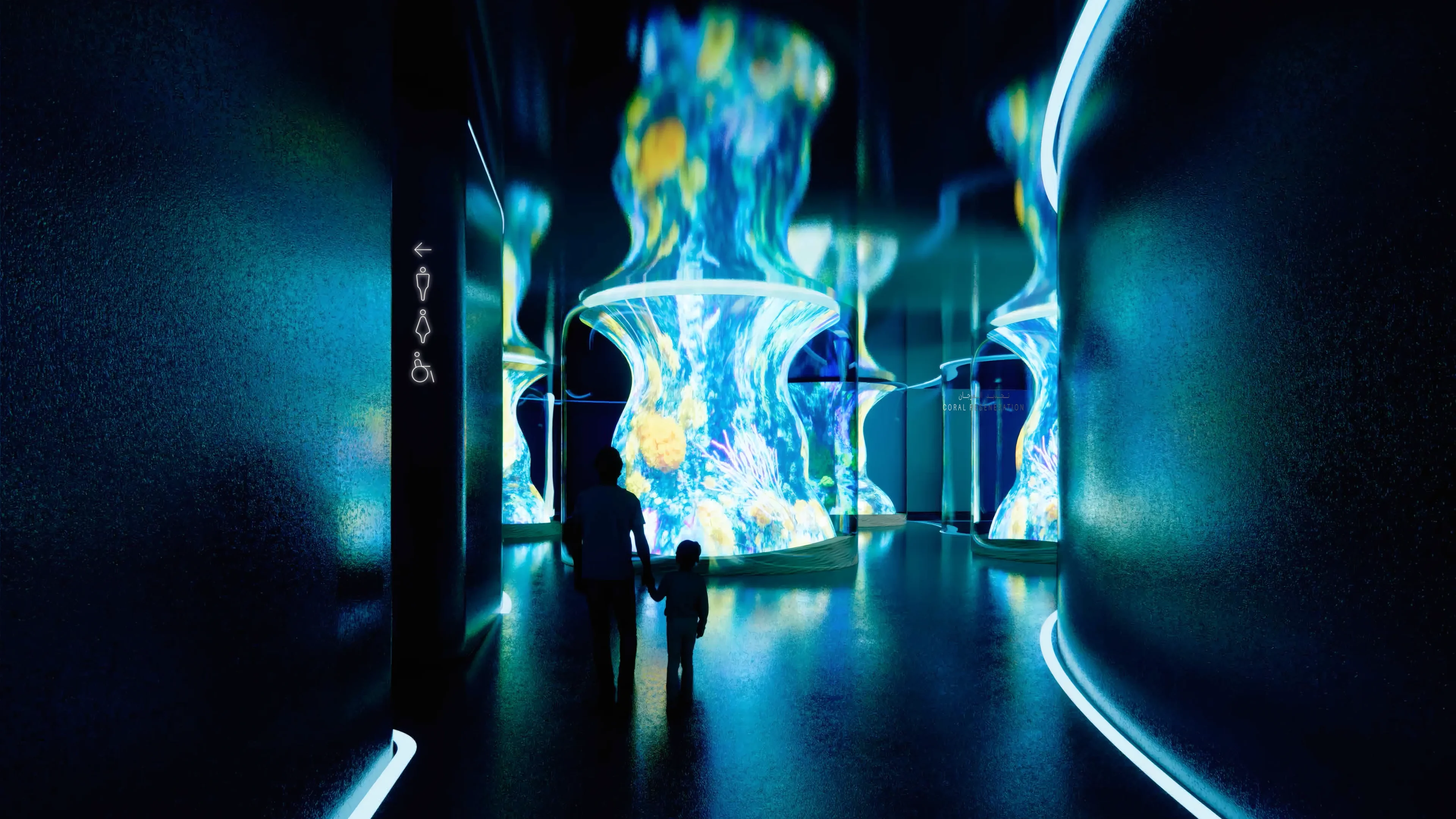
Sensory Experience Design considers how light, sound, materiality, scent, atmosphere and environmental conditions affect comfort, attention, emotion and memory. People experience places through the whole body. A visually resolved space can still feel stressful, disorienting or lifeless when its sensory conditions are ignored.
Physical-Digital Experience Systems
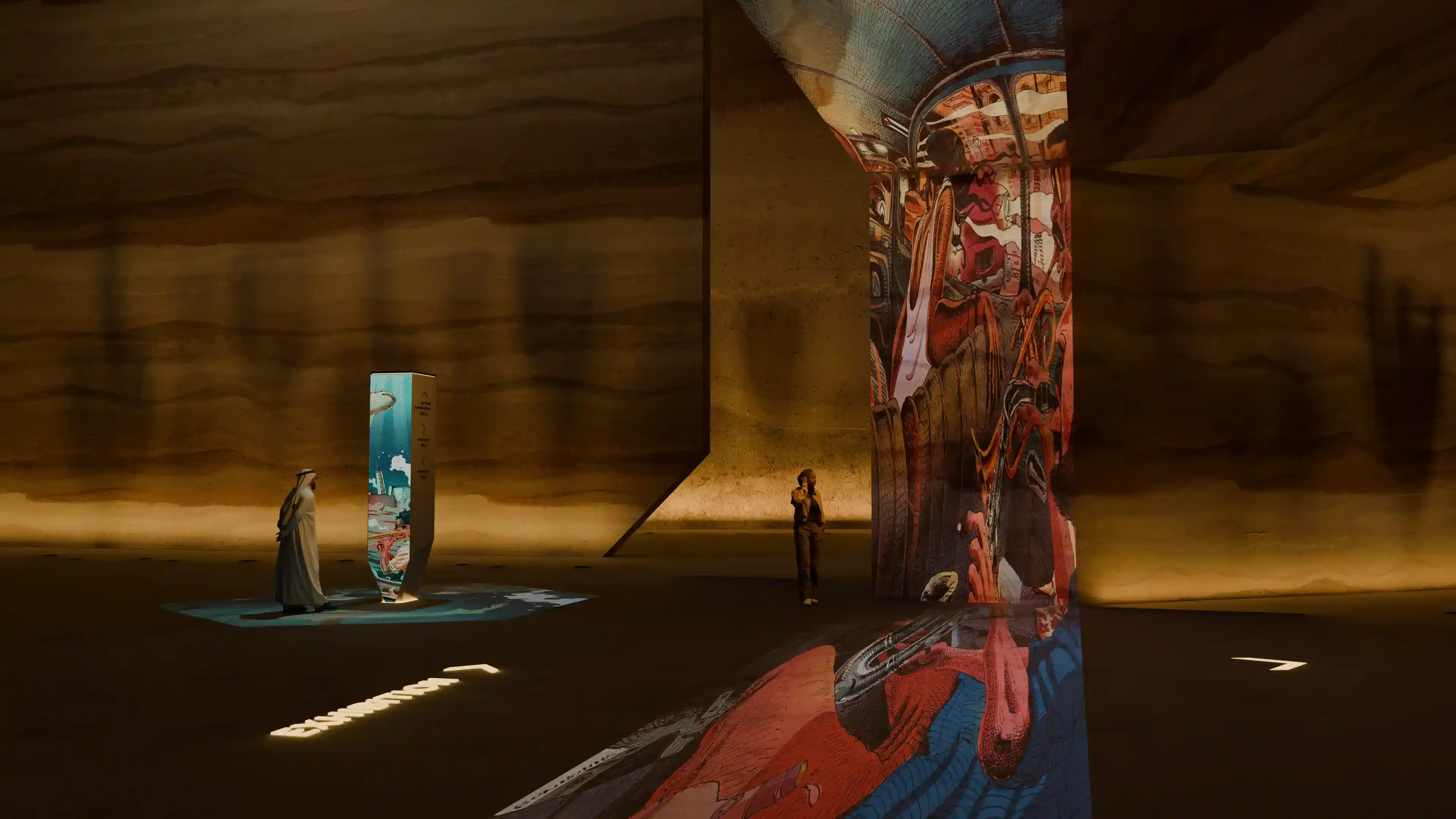
Physical-Digital Experience Systems connect the environment with the interfaces people use before, during and after a visit. Websites, applications, booking systems, kiosks, displays, sensors, maps and data platforms must use consistent information and respond to the physical journey. The digital experience should extend the place, not compete with it.
Built Environment Integration
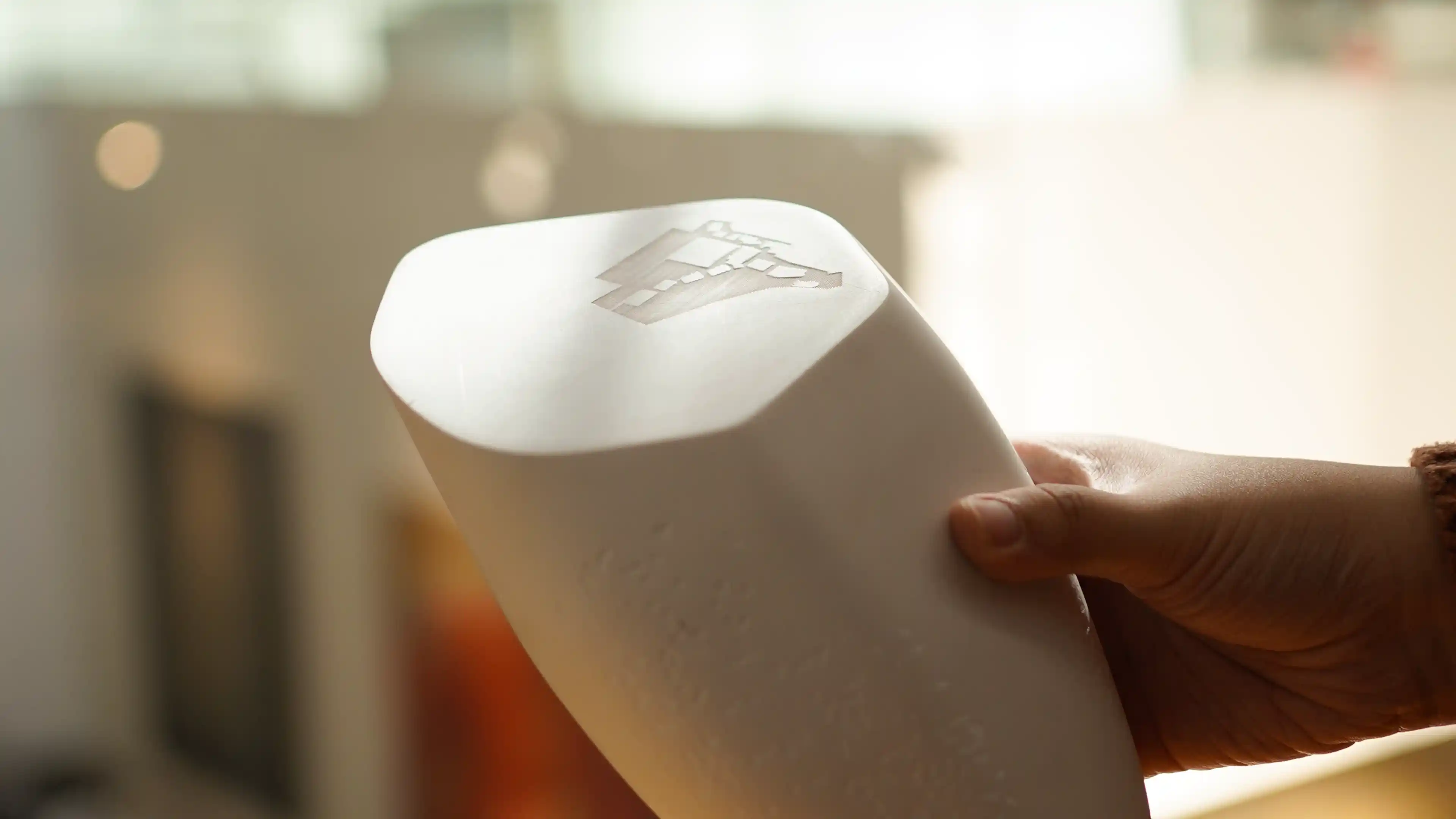
Built Environment Integration embeds experience requirements into architecture, interiors, landscape, lighting, mobility and public realm. It protects essential relationships such as visibility, thresholds, decision points, routes, landmarks and installation zones while design decisions are still being made.
Technical Delivery & Governance
Technical Delivery & Governance carries intent into documentation, procurement, construction, commissioning and operation. Goodideas lose value when they are poorly specified, divided between packages, changed without review or maintained inconsistently. Governance makes the experience deliverable and durable.
Innovation & Future Systems
Innovation & Future Systems prepares places for changing technology and behaviour. Artificial intelligence, spatial computing, adaptive information and responsive environments can improve how places operate and communicate. Their value depends on a clear human purpose, reliable information and integration with the physical environment.
These areas are distinct enough to require specialist expertise, but they cannot be designed in isolation. The experience of the person is created by the way they work together.
The journey begins before someone enters the building
A place starts communicating long before a person reaches its entrance. The name used in an invitation affects what they search for. The location pin determines where a driver is sent. Transport information shapes the route. A booking confirmation sets expectations about arrival, access, timing and security. The view from the road or station tells the visitor whether they are approaching the right destination.
This pre-arrival experience is often managed by several teams using separate information sources. Small inconsistencies created is proportionate confusion. A district, development, building, entrance and carpark may each use different names. A map may direct people to an access point that operations has closed. A venue website may describe one arrival sequence while roadside signs communicate another.
The journey continues through arrival, entry, orientation, movement, service, destination and departure. Each stage depends on the previous one. If a person enters through the wrong door, every instruction that follows becomes harder. If a destination name changes between a booking system, directory and door sign, trust in the information system declines. If the return journey is ignored, a visitor who arrived successfully may still struggle to find the car park, station or collection point.
Built environment experience design maps this complete sequence. It identifies moments of uncertainty, handovers between systems and conditions that change by time, event, user type or mode of travel. This reveals problems that individual design packages may never see.
Early experience decisions protect the project
The greatest opportunity to improve human experience usually exists when the project is least visually developed. During strategy, briefing and early planning, routes can be simplified, entrances can be clarified, destinations can be organised and operational conflicts can be resolved before they are built into the scheme.
At this stage, experience design can influence the location and hierarchy of arrival points, the relationship between transport and destination, the clarity of vertical circulation, the visibility of key facilities, the sequence of public and controlled areas and the logic used to name the place.
Later involvement can still improve information, interfaces, operations and environmental cues. It cannot always correct the underlying geometry. When the only available surface for a sign is hidden, when a reception desk faces away from arrival or when two major destinations share an indistinguishable threshold, the project is already paying for an earlier omission.
Late correction is also commercially inefficient. It can create additional design work, construction changes, duplicated systems, emergency procurement and long-term staffing requirements. The cost is not limited to the remedial object. It includes the time and operational effort required to compensate for a place that does not explain itself.
Early experience design does not mean fixing every detail at concept stage. It means identifying the decisions that will become expensive or impossible to change later, then protecting them as the project develops.
Better experience improves more than visitor satisfaction
The performance of a built environment affects many people beyond the visitor. Staff must operate it. Security teams manage access and exceptions. Facilities teams maintain its physical and digital systems. Tenants depend on clear destinations and customer movement. Emergency planning relies on understandable routes and information. Asset owners carry the cost of changes, complaints and underperforming spaces.
A coherent experience can reduce avoidable questions, unnecessary movement and operational workarounds. It can make services easier to access, support inclusive use, strengthen trust and help a destination express a recognisable identity. In commercial environments, it can support discovery and dwell without creating confusion. In transport and healthcare, it can help people make necessary decisions under pressure. In cities and public spaces, it can improve access to services and encourage people to use the place with greater confidence.
The World Health Organization recognises that urban planning and design influence health, mobility, social interaction and access. This is a useful reminder that built environments are active systems. They shape what people can do, how easily they can do it and whether different groups can participate on equal terms.
For clients, the commercial case should therefore be considered across the lifecycle of the asset. Experience influences reputation, operational efficiency, accessibility, flexibility, tenant and visitor relationships, and the ability of the place to adapt. Some effects can be measured directly. Others appear as repeated friction that has been accepted as normal because no single team owns it.
From a design ambition to a working experience system
Terms such as welcoming, intuitive, memorable and connected appear in many project visions. They are useful aspirations, but they are too broad to guide design unless they are translated into specific experience requirements.
If a place is intended to be intuitive, the project should define what people need to understand at each stage, which decisions should be self-evident and where information is necessary. If it should feel welcoming, the team should examine arrival, visibility, security procedures, staff interaction, sensory conditions and accessibility. If it should be memorable, the project needs a clear identity system expressed through spatial character, landmarks, art, narrative and moments of distinction.
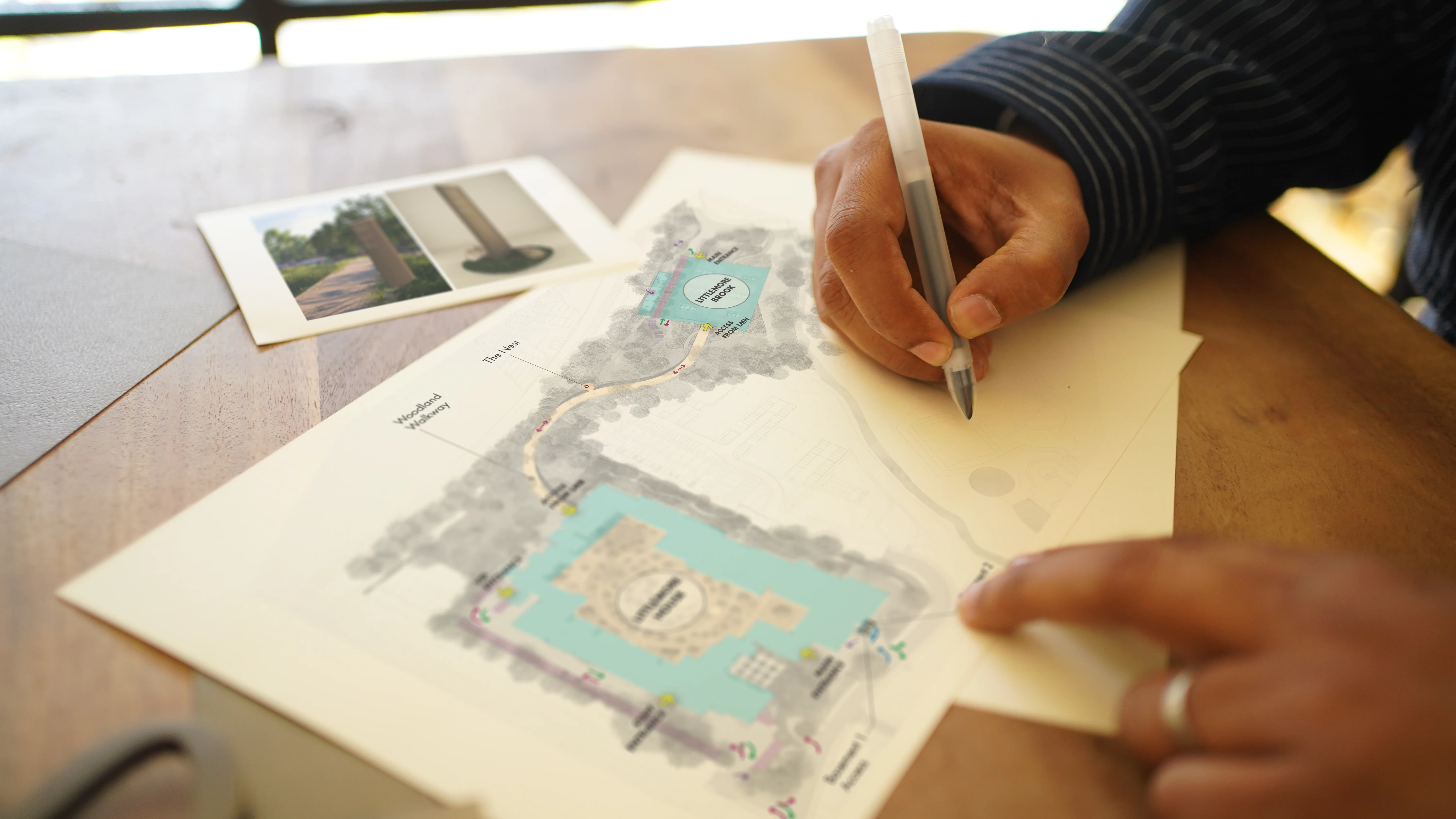
This translation creates a working framework for coordination. It may include user groups, journey maps, behavioural principles, destination and naming systems, decision-point analysis, sensory intentions, touchpoint requirements, operational scenarios and performance measures. The purpose is not to produce more documentation. It is to give different teams a shared basis for making decisions.
The framework must continue through delivery. Experience requirements should be visible in design reviews, procurement information, mock-ups, testing and commissioning. Changes to architecture, tenancy, operations or technology should be assessed against the user journey rather than reviewed only within the affected package.
After opening, observation and feedback can identify where behaviour differs from expectation. People reveal the performance of a place through hesitation, repeated questions, route choices, crowding, avoidance and requests for assistance. These patterns provide evidence for improvement and for future projects.
What clients should ask before design advances
Clients do not need to become specialists in every part of the experience. They do need to establish who is responsible for the whole journey and whether that responsibility carries enough authority across the project.
Useful questions include:
- Who has defined the intended experience for each major user group?
- Who is coordinating the journey across architecture, landscape, interiors, mobility, operations, information and digital systems?
- Who has defined the intended experience for each major user group?
- Who is coordinating the journey across architecture, landscape, interiors, mobility, operations, information and digital systems?
- Which human decisions will be difficult or expensive to correct after planning is fixed?
- Are arrival, accessibility, circulation, service and departure being reviewed as one sequence?
- Do physical and digital systems use the same destinations, names and information hierarchy?
- How will the experience be tested from the perspective of a first-time or stressed user?
- Who will govern changes and maintain consistency after opening?
The answers often reveal whether experience is a genuine project requirement or simply an aspiration in the brief. They also show whether specialist appointments are coordinated around a shared outcome or limited to isolated deliverables.
Technology should make the place easier to understand
The next generation of built environments will use more data, sensors, artificial intelligence and spatial computing. Information can respond to occupancy, disruption, accessibility needs and individual context. Digital twins can connect operational data with spatial systems. Interfaces can become more conversational and adaptive.
These capabilities create real opportunity, but technology does not remove the need for environmental clarity. A person should not need a phone to understand a main entrance. An artificial intelligence assistant cannot repair inconsistent destination names across the asset. Adaptive messages become dangerous when the underlying information is unreliable. Personalisation becomes intrusive when trust, consent and purpose have not been considered.
UN-Habitat's work on people-centred smart cities makes the same principle clear at an urban scale: technology and innovation should serve inclusion, sustainability and human needs. The sophistication of a system should be judged by how well it supports people, not by how visible the technology becomes.
Future-ready places will combine physical legibility with useful digital intelligence. They will know when to provide more information, when to simplify it and when the environment itself should carry the message. This requires technology teams, designers and operators to work from the same experience logic.
The place people experience is the real project
The built environment has traditionally been divided according to what each profession produces. That model can deliver complex assets, but it does not guarantee that those assets will make sense to the people who use them.
Built environment experience design introduces a different measure of success. It asks whether the complete place works as a human system. Can people understand where they are? Can they reach what they need? Can they use the environment with dignity and confidence? Does the place express a clear identity? Do physical, digital and operational touchpoints agree? Can the intended experience survive construction, opening and change?
These questions do not reduce the importance of architecture, engineering, art, operations or technology. They make the relationships between them more valuable.
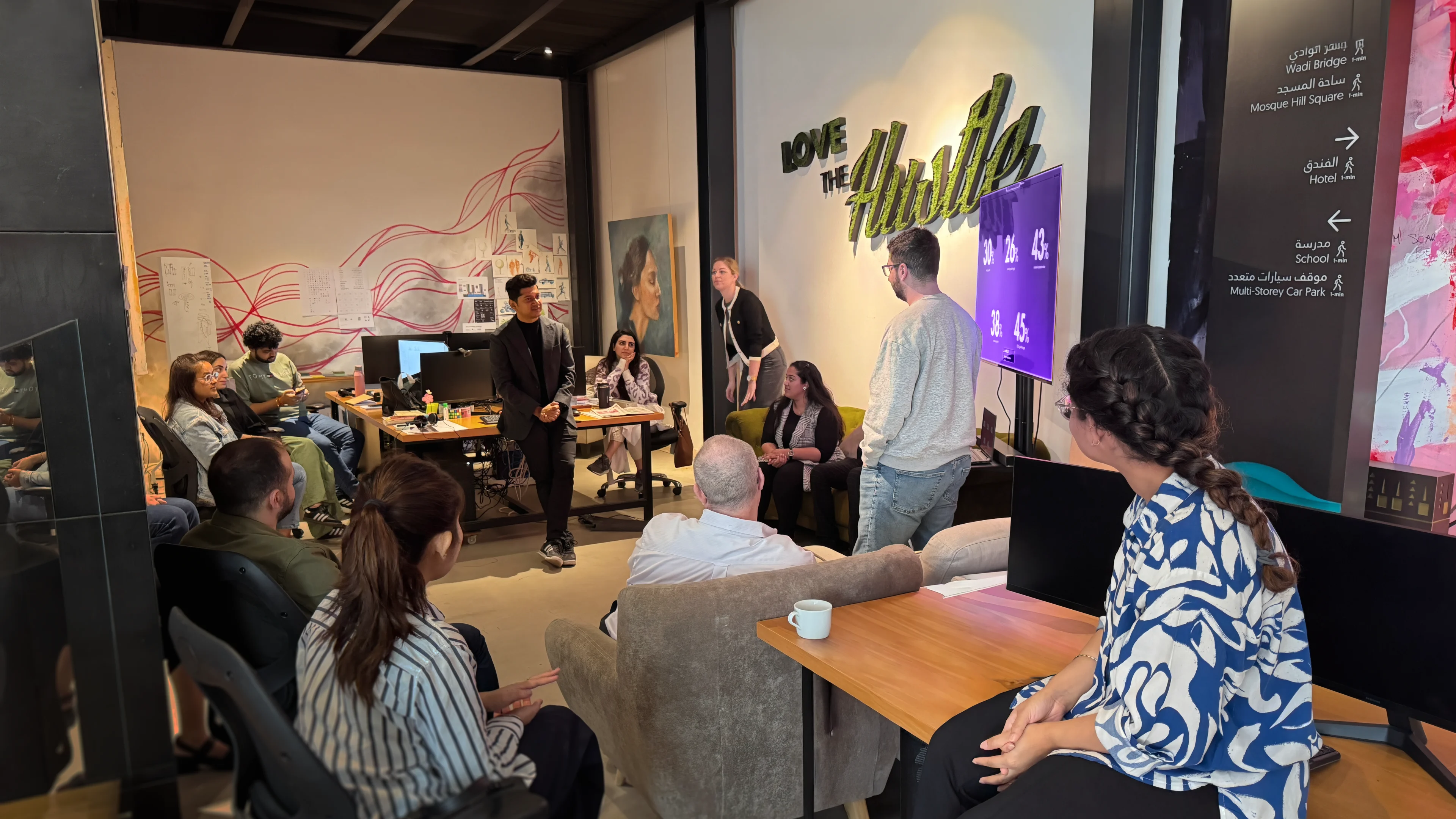
For LIMAH, this category is a natural extension of nearly two decades spent studying how people interact with complex environments. The work began by looking beyond signs to understand journeys. It expanded through identity, public art, experience, digital systems, technical delivery and the wider conditions that influence behaviour. The conclusion is now clear: the human experience should not be left to emerge from a collection of separate decisions.
It should be designed deliberately, coordinated across the project and protected through delivery.
That is the role of built environment experience design.