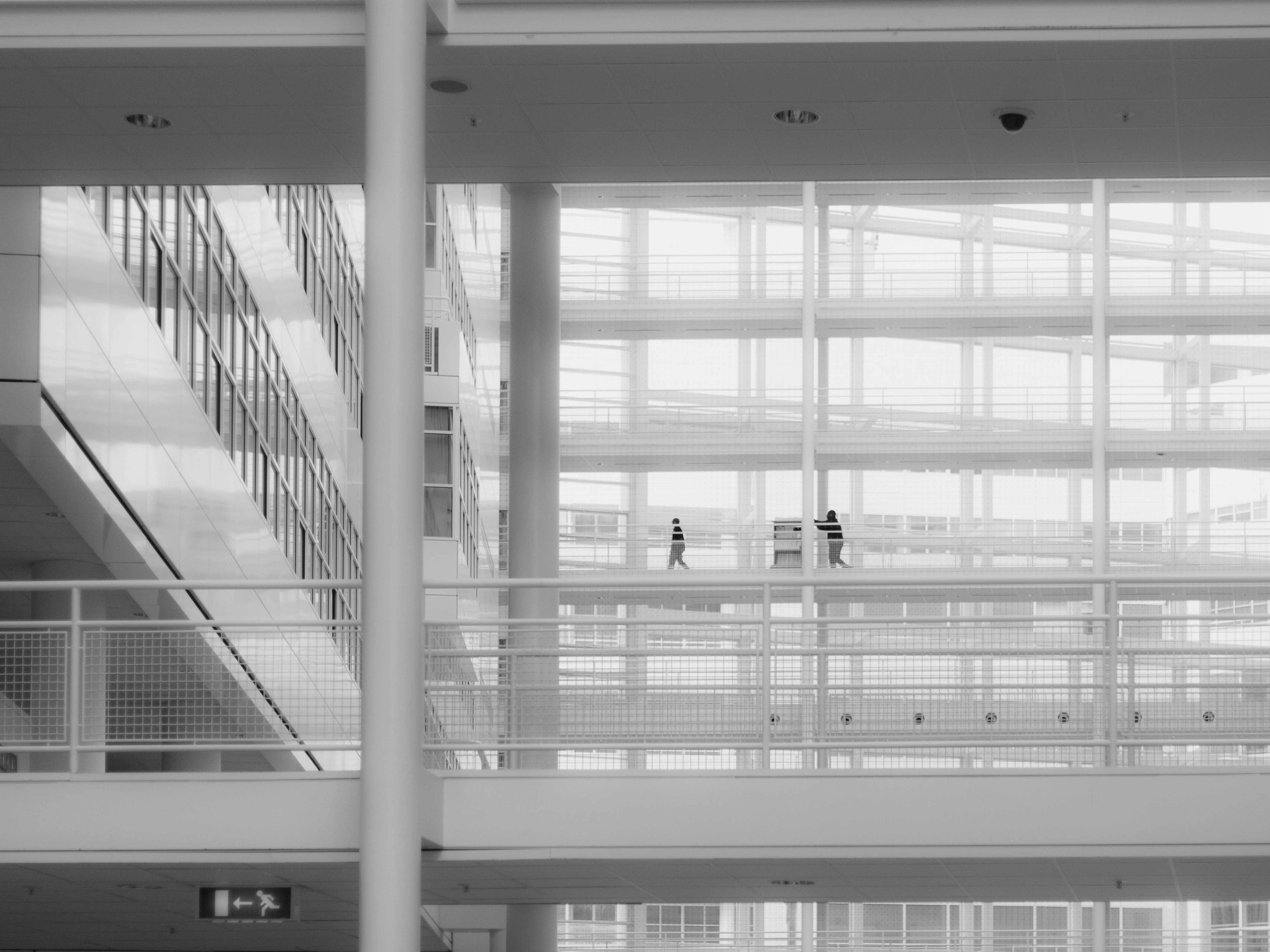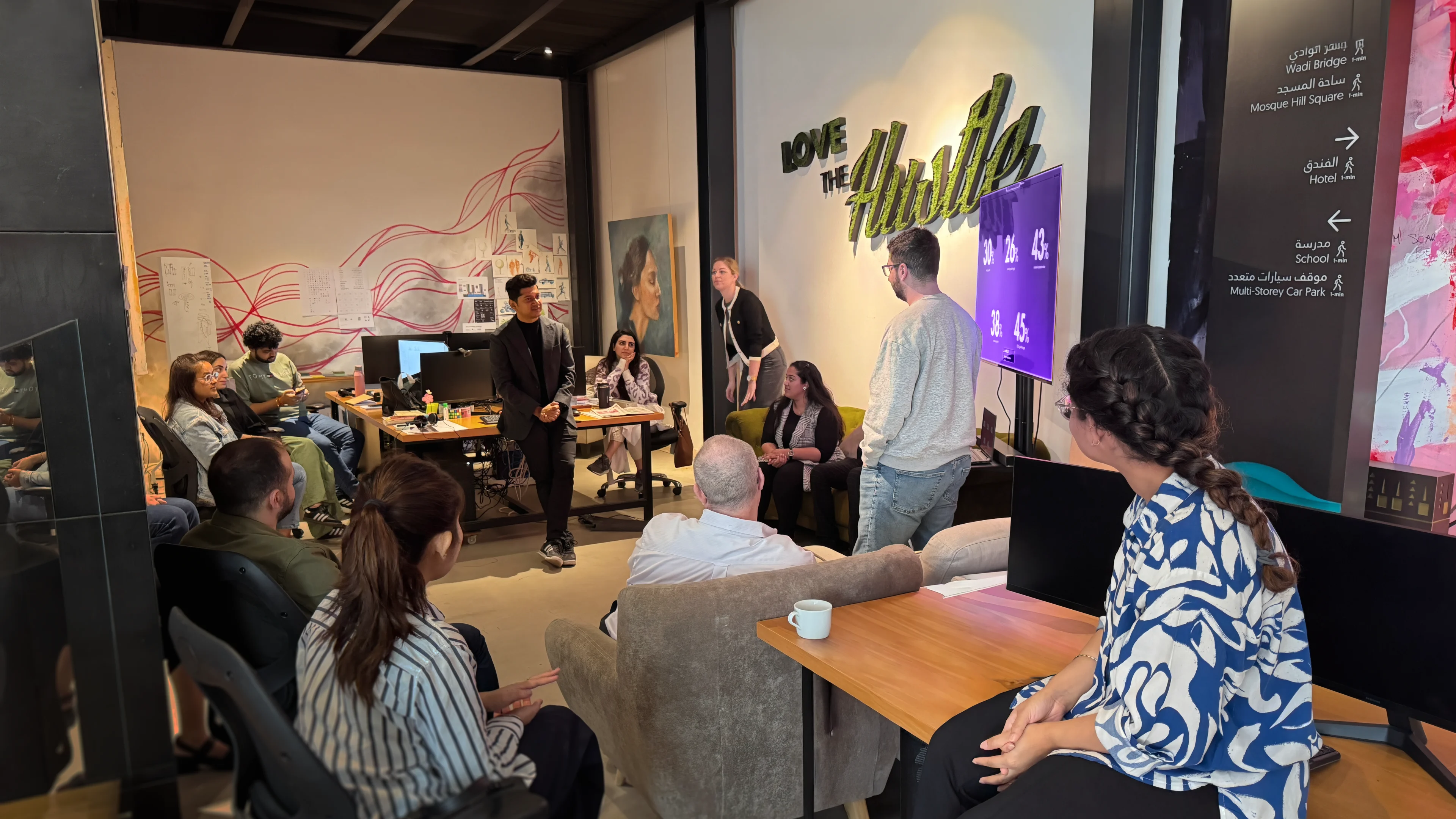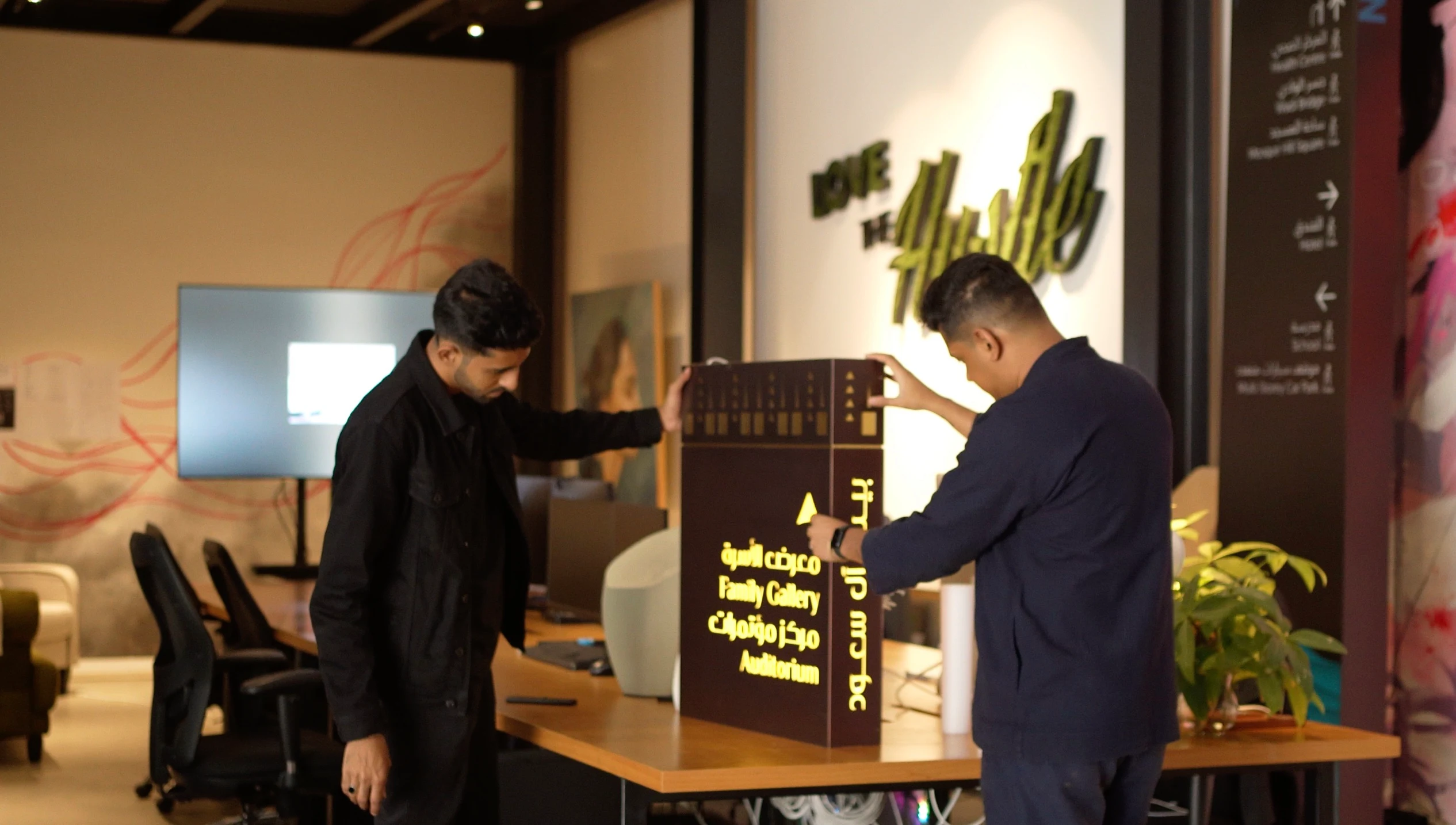



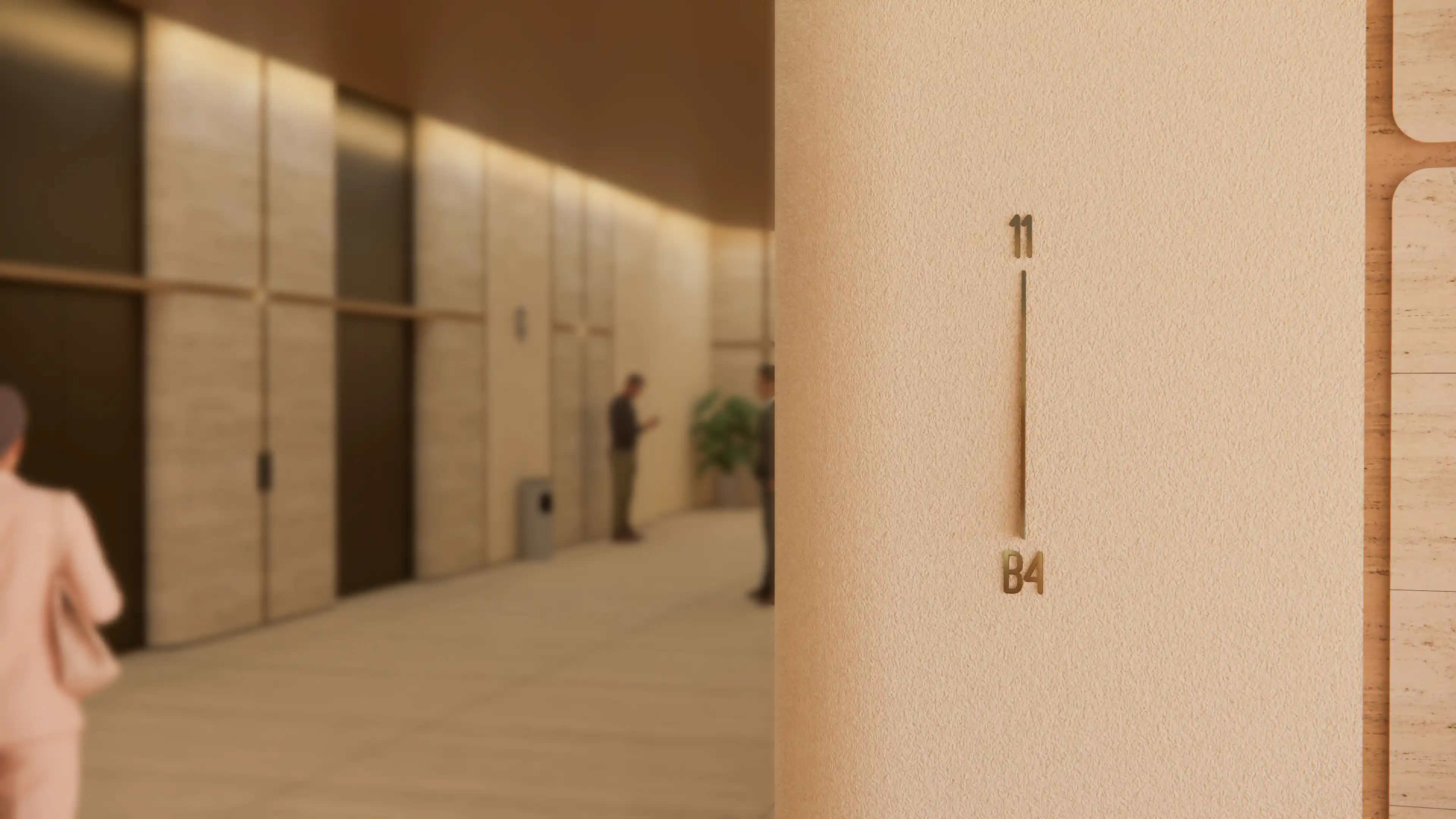
There are good reasons for this. Complex projects need specialist expertise, defined responsibilities and manageable packages of work. The problem is that people do not experience any of those packages.
They experience an arrival. A route from the car park. The moment they enter. Whether they understand where to go. How a space sounds. Whether the destination name on their phone matches the one in the building. A security interaction. A landmark they remember. The point where they become uncertain. The feeling that they have arrived somewhere distinctive rather than interchangeable.
From the user's perspective, these moments belong to one journey. The industry may divide responsibility between ten consultants. The person walking through the place does not. That difference between how projects are organised and how places are experienced is where many built environments begin to fragment.
The project sees packages. The user sees consequences.
Consider a visitor arriving at a complex destination for the first time.
Before reaching the site, they may use a website, booking confirmation or mapping application. They approach through a road network or public transport system. Landscape and architecture shape their first understanding of the place. They look for an entrance. They encounter security, reception or ticketing. They interpret destination names and information. They move through interiors. Lighting, acoustics and material changes affect what they notice. Digital and physical information help them make decisions. Art or architectural features become landmarks.
At no point do they think: architecture has ended and Wayfinding & Navigation has begun. They do not care which consultant designed the threshold, which team named the destination or which package supplied the screen. They care whether the experience makes sense.
This sounds obvious. Yet much of the industry is structured around the opposite assumption. We divide projects according to professional expertise and then expect the experience to reconnect itself at the end.
It often does not.
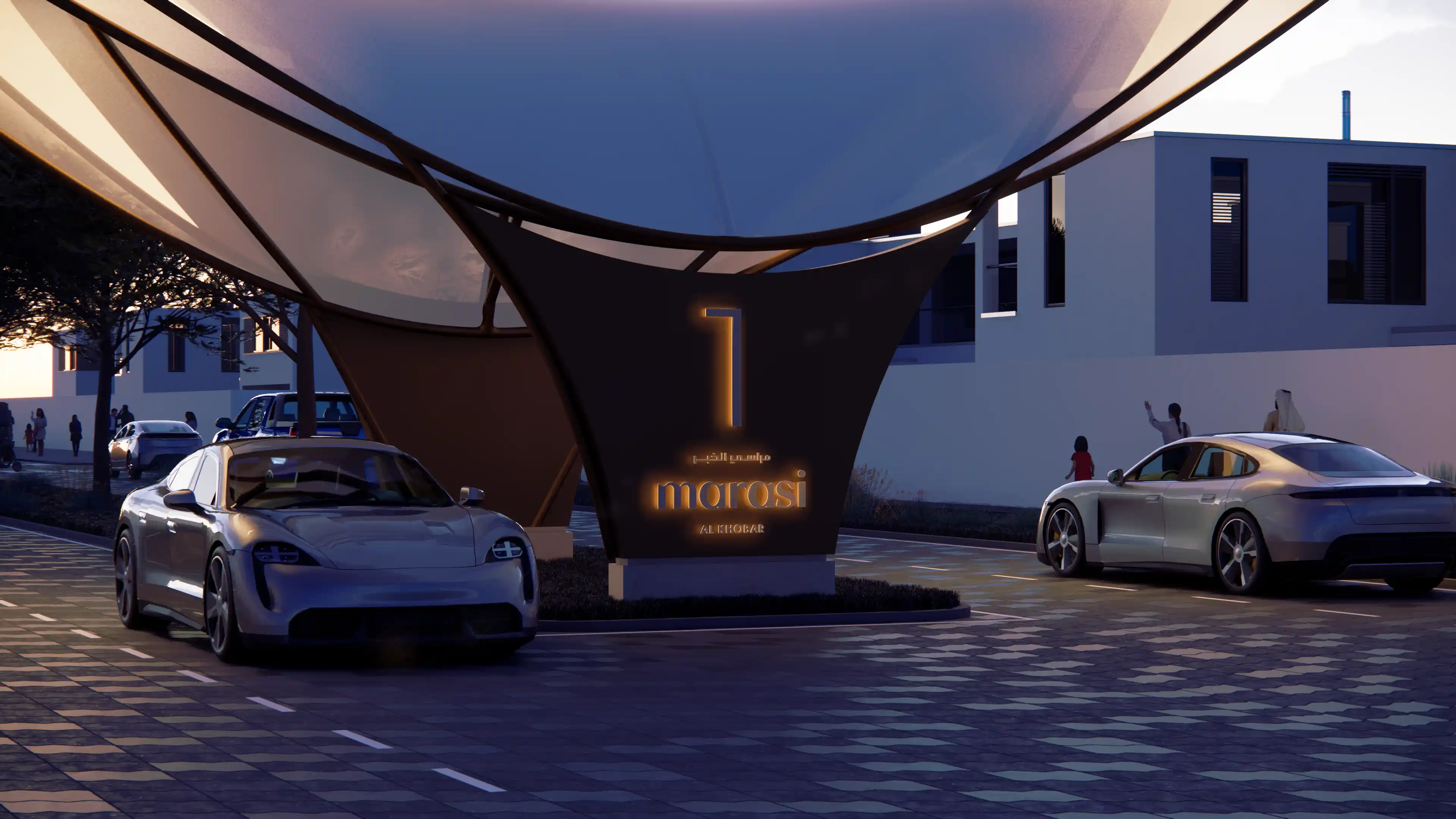
Fragmentation happens at the interfaces
Most serious experience problems are not necessarily caused by one discipline doing poor work. They can emerge between disciplines that have each done their own work correctly.
Architecture creates an entrance, but the operational model directs some visitors somewhere else. Marketing establishes a destination name, but the digital platform uses another. A security strategy introduces a control point after the arrival experience has been designed. A public artwork creates a memorable landmark, but nobody considers its role in orientation. A digital navigation system recommends a route that does not correspond with the information people encounter physically. A physical sign communicates the correct instruction, but the architecture suggests the opposite movement.
Each component can be defensible in isolation. The journey can still fail. That is the weakness of evaluating experience package by package. The gaps are often located in the handovers. And nobody experiences a handover as a contractual boundary. They experience it as confusion.

A good building is not automatically a good experience
Architecture has enormous influence over human experience. But architecture alone does not determine it. A beautifully resolved building can still be difficult to arrive at, understand or navigate. A powerful public space can be undermined by a poor operational sequence. An elegant interior can become stressful when people cannot identify where they need to go. The reverse is also true.
Wayfinding & Navigation cannot compensate indefinitely for poor spatial logic. Digital technology cannot make every operational contradiction disappear. Public art cannot create authentic place identity if the wider environment has no relationship with its context. Every discipline has limits.
The problem begins when a project expects one specialist layer to repair decisions made somewhere else. This is particularly visible late in delivery. Confusion appears, so another sign is requested. A difficult process appears, so an app is proposed. A generic space lacks identity, so graphics are added. An empty public area needs character, so an artwork is commissioned.
These interventions may be valuable. But if they are being used to compensate for an unresolved experience problem, the project is treating the symptom after many of the causes have become fixed.
The journey is the common ground
The alternative is not to remove disciplines. Specialism matters. Complex environments need deep technical expertise. The alternative is to give those disciplines a common human framework. The journey provides one. Start with the people who will use the place. How do they encounter it before arrival? Where do they enter? What do they need to understand? Which decisions will they make? Where are they likely to hesitate? Which environments need to feel distinct? What information needs to remain consistent? Where do physical and digital interactions meet? What happens when the normal journey changes?
These questions do not belong exclusively to architecture, operations, digital design or Wayfinding & Navigation. They cross all of them. Once the important journeys are understood, individual disciplines can respond with much greater clarity because the project has established what the combined experience needs to achieve.
The journey becomes the connective tissue.
Every interface is a design decision
Built environment experience is shaped at transitions. Outside to inside. Public to private. Physical to digital. Arrival to orientation. Movement to destination. One transport mode to another. Architecture to operation. Information to action. These interfaces are easy to underestimate because they often sit between formal scopes. But they are precisely where a user needs continuity.
Imagine receiving one destination name in a booking confirmation and encountering another on arrival. The digital experience may be correct according to one database and the physical information correct according to another. The user simply sees a contradiction. Or consider a building where the principal architectural entrance is not the entrance most visitors are permitted to use. Architecture and operations may each have rational explanations. The visitor still has to resolve the conflict.
The quality of the overall experience therefore depends partly on who is looking across these boundaries. Not to redesign every specialist discipline, but to identify where separate decisions combine into one human consequence.
People build one mental model of a place
There is another reason disciplinary separation matters. People need to form an understanding of where they are. They use routes, names, landmarks, spatial relationships, memories and information to construct a mental model of the environment. That model does not respect professional scopes either. An artwork may become a navigational landmark.
A landscape feature may define the identity of a district. A change in material may communicate a threshold. A digital map may establish expectations about the physical route. A destination name may simultaneously carry operational, navigational and identity functions. This overlap is useful. The built environment becomes more understandable when different layers reinforce one another. Problems appear when they communicate competing versions of the place.
If architecture suggests one hierarchy, naming another and information systems a third, the user has to do the coordination work that the project did not. Good experience design reduces that burden.

Digital systems make integration more important, not less
The growth of digital technology does not make this problem disappear. It makes the number of interfaces larger. A visitor may now encounter a destination through search, mapping, a booking platform, an application, a digital ticket, a notification, an interactive screen and physical information before reaching the actual destination. Each system creates another opportunity for continuity or contradiction.
Future environments will make this more complex. Adaptive information can change according to operational conditions. AI-enabled interfaces may answer questions conversationally. Spatial computing may connect digital information directly with physical location. Smart systems may respond to occupancy, movement or disruption. These capabilities can improve experience.
But only if they are connected to the same underlying logic. A more intelligent interface attached to fragmented information does not create an integrated experience.
It creates a faster way to encounter the fragmentation.
Organisational charts should not become user journeys
Projects need organisational structures. Responsibilities need to be clear. Contracts need boundaries. Specialists need defined scopes. The mistake is allowing those structures to dictate the experience. A user's journey should not change quality because responsibility moved from one consultant to another. They should not encounter inconsistent terminology because two packages used separate naming sources.
They should not need to understand that an external landscape consultant controlled one part of the route and an interior architect controlled the next. The organisational chart is a project-management tool. It should never become the conceptual model for how people experience the place. This requires deliberate coordination because fragmentation is the natural result when every team is asked to optimise only its own package.
Someone has to keep asking what happens to the person moving through all of them.
Integration needs to happen before coordination
The industry talks frequently about coordination. Coordination is essential, but it is not the same as integration. Coordination can establish that two physical elements do not clash. It can confirm that drawings agree, dimensions align and interfaces have been technically resolved. Experience integration asks a different set of questions.
Do the decisions make sense together for the user? Does the information encountered before arrival correspond with the physical destination? Does the operational model reinforce the spatial hierarchy? Does the identity help distinguish meaningful parts of the place? Do landmarks support recognition? Does technology add value to the journey or create another interface to manage? Are accessibility needs considered across the whole experience rather than within isolated components?
A project can be technically coordinated and experientially fragmented. That distinction deserves much more attention.
Designing the total journey changes when questions are asked
The timing matters. If experience integration happens late, the available responses become narrower. The architecture may already be fixed. Operational procedures may have been agreed. Technology platforms may have been procured. Names may have been adopted by different stakeholders. Individual design packages may be approaching completion.
At that point, integration becomes an exercise in reconciliation. Earlier involvement changes the nature of the work. The project can define experience principles before disciplines interpret them independently. Priority journeys can be tested while planning decisions are still open. Naming and information can be governed across systems. Critical interfaces can be identified before they become contractual gaps.
The value is not another layer of design.
It is reducing the need to repair disconnected decisions later.
This is the space between architecture and human behaviour
Built Environment Experience Design exists because the total human journey does not fit neatly inside one conventional discipline. It looks at how people experience, understand and move through built environments. That requires architecture to be considered alongside behaviour.
Space alongside information. Identity alongside memory. Physical systems alongside digital ones. Design intent alongside operational reality.
The purpose is not to replace the specialists responsible for those areas. It is to connect their decisions around the experience they collectively create. This is the territory LIMAH works within.
Our role is not to claim every discipline. It is to work across the interfaces between them, identifying how separate project decisions affect the total journey and helping establish the experience logic those decisions need to support. That distinction matters. Integration is not about doing everything. It is about making sure everything the user encounters belongs to the same experience.
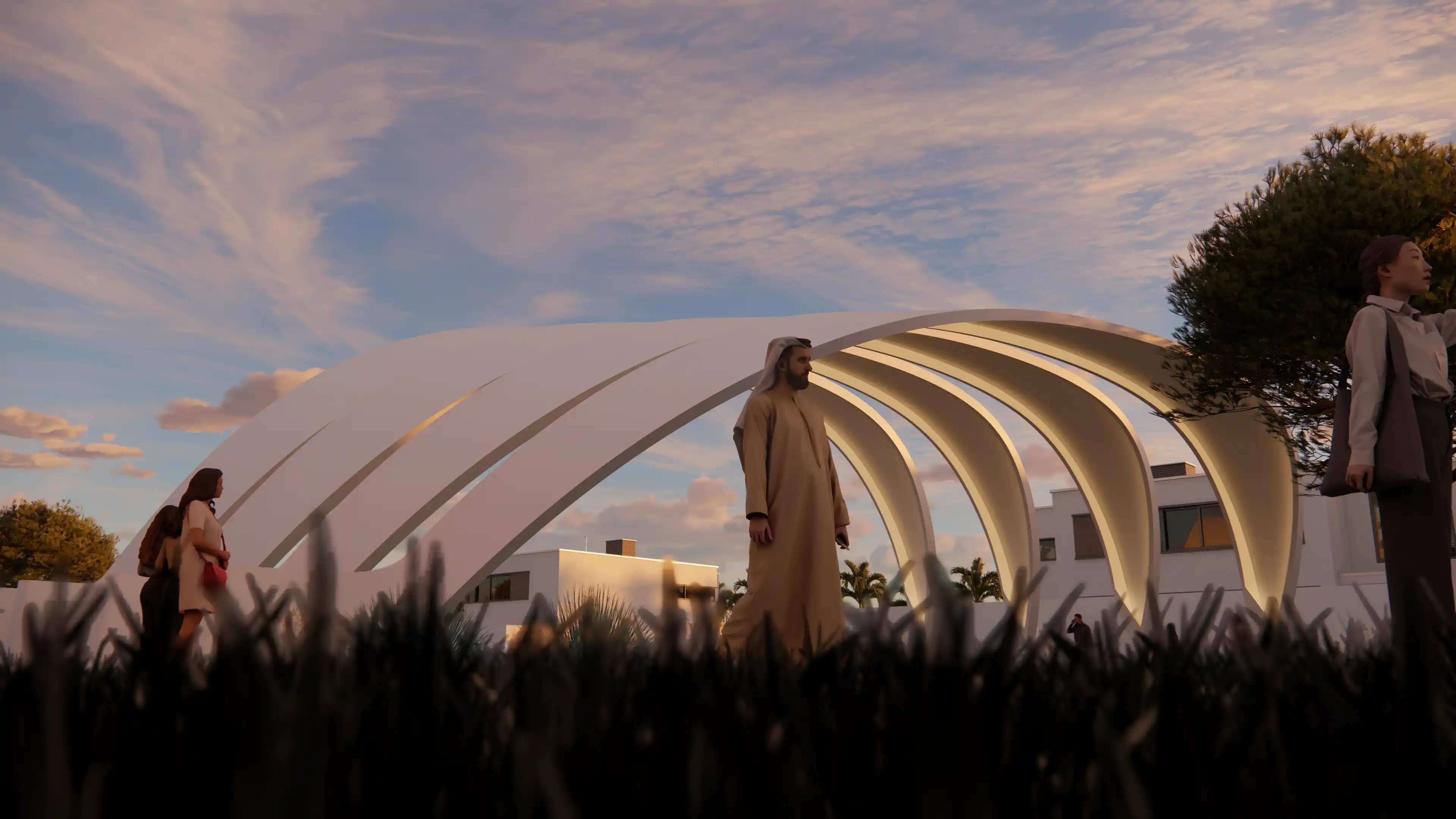
The building may be divided into disciplines. The experience cannot be.
There will always be disciplines. There should be. Architecture, landscape, interiors, art, technology, operations and specialist experience disciplines each bring expertise that complex projects need. But the person entering the finished environment will never see the project the way the project team did.
They will not see scopes. They will see an entrance. They will not see consultant responsibilities. They will see a route. They will not see package boundaries. They will experience whether one moment connects logically with the next. That is the standard the built environment ultimately has to meet. Not whether every discipline delivered its piece in isolation. Whether all of those pieces became one place.