


.LDC_upscayl_4x_high-fidelity-4x.webp)
They notice whether it feels calm or demanding, warm or distant, clear or overwhelming. They hear the character of a space, sense its material weight, respond to the quality of light and absorb an atmosphere that may remain in memory long after the details of the architecture have faded.
These responses are not incidental. Every built environment already has a sensory experience, whether it has been designed deliberately or produced through a series of disconnected decisions.
Sensory Experience Design brings those decisions together. It uses sound, scent, light, materiality, temperature and atmosphere to support how people feel, move, understand and remember a place. Its purpose is not to add more stimulation. It is to create the right cues, in the right places, for the right human response.
Every place already creates a sensory response
A transport environment can feel composed or chaotic. A hospital can reassure people or increase anxiety. A hotel can feel distinctive or interchangeable. A cultural destination can invite curiosity or create distance. A public space can encourage people to remain or make them want to leave.

The response rarely comes from one element. It develops through the combined effect of brightness, contrast, reverberation, texture, temperature, scent, scale, movement and the behaviour of other people. Even silence, shadow and restraint contribute to the way an environment is felt.
When these factors are not considered together, the experience becomes accidental. A visually calm interior may be dominated by hard acoustics. A dramatic lighting concept may make navigation difficult. A premium material palette may feel cold to the touch. Music intended to create energy may compete with announcements, conversation and operational noise.
Each decision may be defensible within its own discipline, yet the combined environment can still place unnecessary demands on the user.
Sensory Experience Design asks a different question. What should people feel at each stage of the journey, and what combination of environmental cues will support that response?
Sensory design is not decoration or added stimulation
Sensory design is sometimes reduced to background music, a signature scent or a dramatic lighting effect. These may be useful tools, but they are not a sensory strategy.
The discipline begins with human intent. A project may need to reduce tension, create anticipation, support concentration, encourage exploration, establish a sense of occasion or help people recover from an intense journey. Different spaces within the same development may require very different responses.
This makes sensory design behavioural and operational as well as emotional. The atmosphere of an arrival hall affects how people enter and orientate. The acoustic character of a waiting area influences comfort and communication. Lighting at a threshold signals transition. Material changes can distinguish zones before someone reads a sign. The intensity of a retail or entertainment space affects how long people want to remain.
More sensory content is not automatically better. In many environments, the strongest design decision is to remove conflict, reduce noise, simplify contrast or create a moment of relief. Restraint can be as deliberate as spectacle.
The objective is coherence. Sound, light, materiality, scent and atmosphere should support the same human experience rather than compete for attention.
Sound changes how space is understood
Sound gives space a dimension that vision cannot provide. People can hear scale, activity, distance and movement. They sense whether an environment is busy, private, exposed, intimate, controlled or unpredictable before they have examined it visually.
This makes sound part of comfort, identity and orientation. The acoustic difference between a main hall and a quiet waiting zone can help people understand where they are. A recognisable sound cue can mark an arrival or confirm an action. The quality of announcements can influence whether a complex environment feels manageable or stressful.
Sound also affects how people behave. A loud, reverberant space can make conversation difficult and increase the feeling of crowding. A quieter acoustic zone can create relief without requiring physical separation. Music can establish pace and mood, but only when it respects the other sounds people need to hear.
The sound experience therefore includes more than selected audio. It includes mechanical systems, footsteps, voices, public announcements, landscape, water, traffic, digital interfaces and the acoustic properties of surfaces and volumes. All of these contribute to the atmosphere.
Sound & Audio Experience will examine these questions in greater detail. At the Primary Service level, the principle is simple: sound should help the environment communicate, not become another layer of noise.
Light guides feeling as well as vision
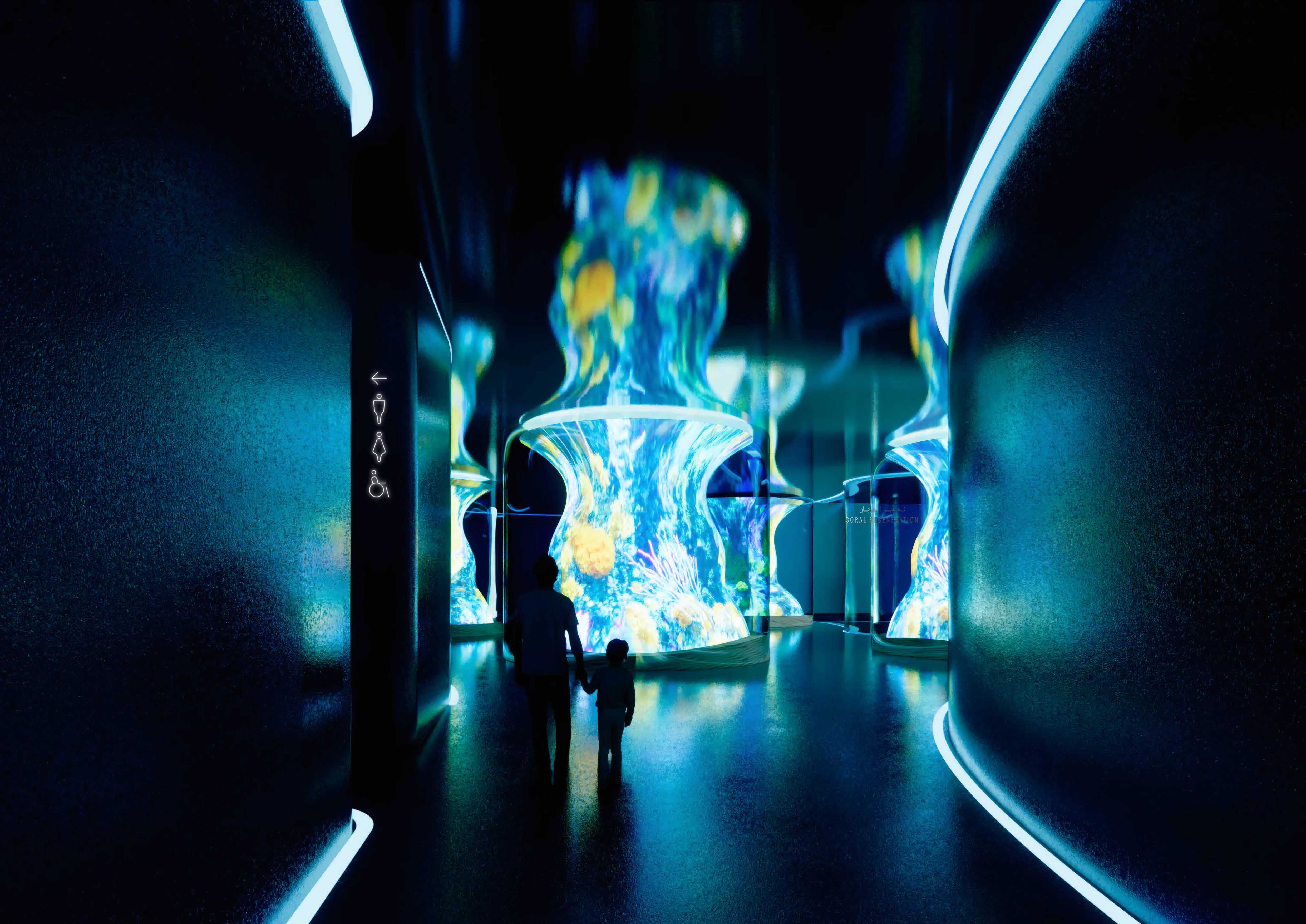
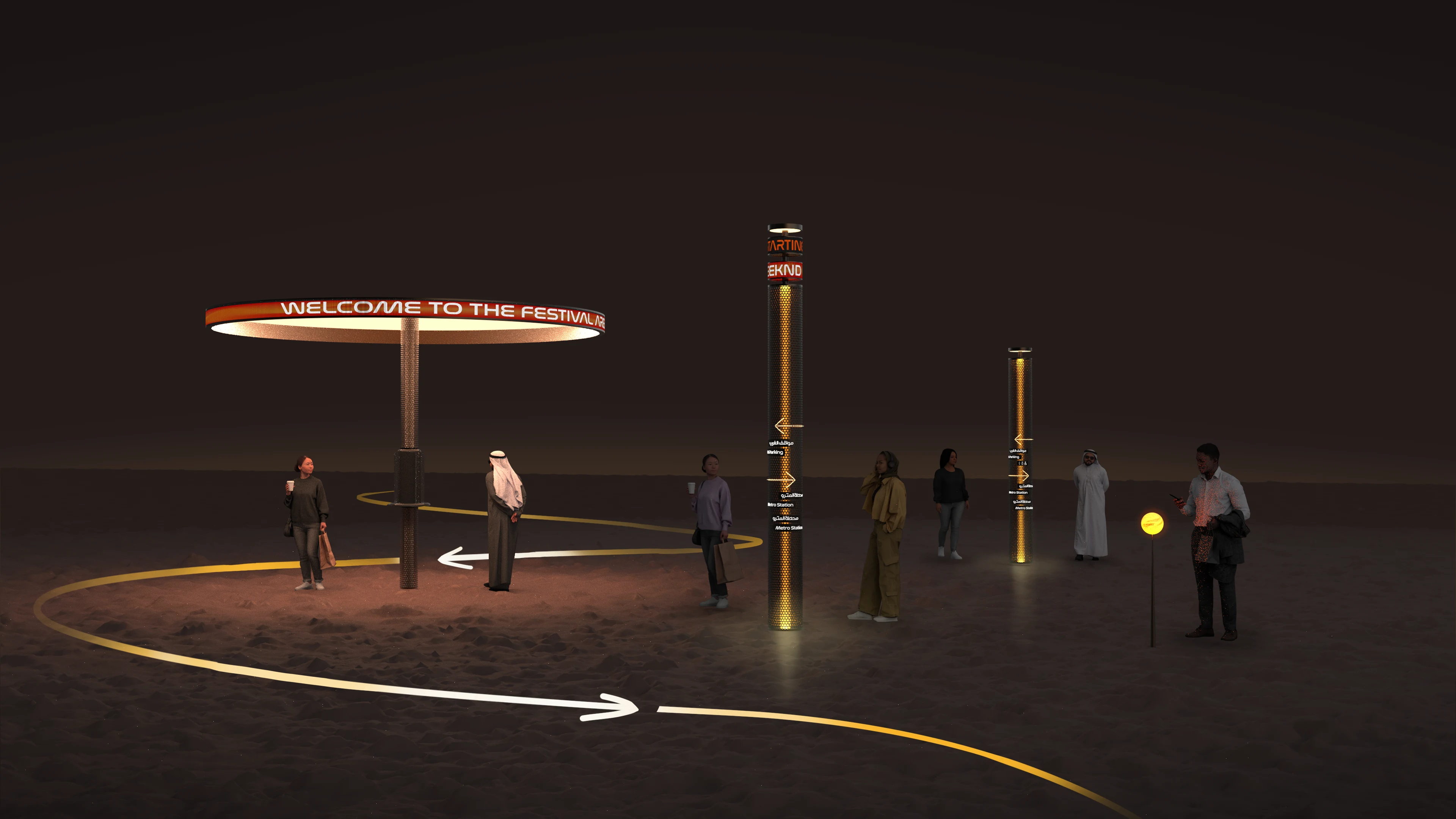
Light affects what people notice, where they look and how a place changes over time. It can make an entrance feel open, establish a landmark, reveal texture, create intimacy or signal that a route continues.
It also carries emotional weight. Brightness can create energy or exposure. Low light can feel calm or uncertain. Warmth, colour, contrast and movement influence whether an environment feels welcoming, formal, theatrical, clinical or relaxed.
These responses need to be connected with the practical journey. A lighting concept that produces a strong image but weakens visibility at decision points is not supporting the complete experience. A dramatic threshold may be memorable, but it should not make the next route difficult to understand. Decorative lighting, architectural lighting, signage illumination, landscape lighting and digital media need a clear hierarchy.
Light is especially powerful because it can change through the day, across seasons or in response to events and patterns of use. This creates opportunities for places to shift in character without losing their identity.
Lighting Experience Design should therefore connect atmosphere with orientation, safety, accessibility, identity and operational reality. The goal is not simply a beautiful scene. It is a place whose visual character helps people feel and act appropriately.
Materiality is experienced through the whole body
Materials are often selected for appearance, performance and cost. Users encounter them more directly.
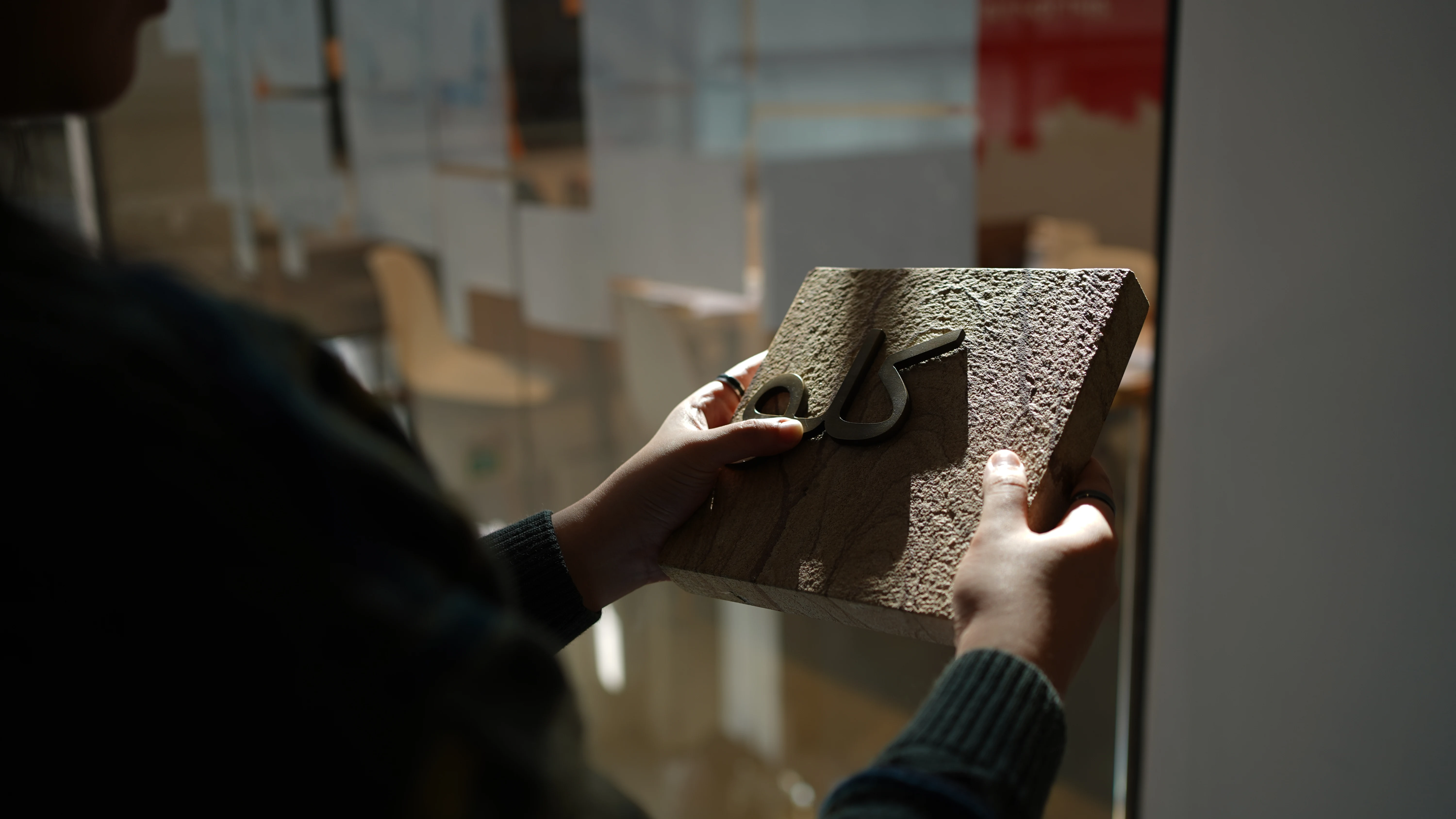
They feel the temperature of a handrail, the softness of a seat, the resistance of a floor, the texture of a wall and the acoustic character of a surface. They notice whether an environment feels warm, durable, delicate, institutional, natural, crafted or temporary.
Materiality can create comfort and identity without relying on explicit messaging. A change underfoot can mark a transition. A tactile surface can provide reassurance. A familiar local material can connect the environment with its context. A consistent family of finishes can help separate public, private, active and quiet zones.
The emotional response to material is shaped by expectation as well as touch. A surface that appears luxurious but feels fragile may create distrust. A highly polished finish may signal quality in one context and create glare or discomfort in another. Hard materials may support durability while also increasing reverberation and sensory intensity.
This is why material decisions cannot remain isolated within architecture or interiors. Their colour, texture, reflectivity, temperature, acoustic effect, maintenance and cultural meaning all contribute to the human experience.
Scent can strengthen memory but requires restraint
Scent is closely associated with recall. A particular smell can make a place recognisable or bring back an experience with unusual immediacy.
That makes scent attractive to hospitality, retail, cultural and wellness environments. It can support identity, mark a transition or create a subtle sense of comfort. Natural materials, planting, food, air movement and landscape may already give a place a recognisable scent without any added system.
Scent also demands more caution than many visual or audio cues. People vary in sensitivity, preference, culture, health and tolerance. What feels pleasant to one person may be intrusive to another. A scent that works in a brief arrival moment may become tiring in a workplace, waiting area or repeated daily journey.
The first task is therefore not to select a fragrance. It is to understand whether scent has a useful role at all. Ventilation, duration, intensity, adjacency, consent, maintenance and operational control all matter. Unwanted odours and poor air quality may need attention before a project considers adding a new sensory layer.
Scent Experience Strategy will go deeper into where scent can support memory and where it should be avoided. The wider principle is that sensory distinction should never come at the expense of human comfort.
Atmosphere is the combined effect of many decisions
People often describe a place by saying it has a particular atmosphere. The word is useful because it captures something no single design component can explain.
Atmosphere is produced by relationships. Light changes how material is perceived. Material affects sound. Temperature changes how long people want to remain. Occupancy affects movement, noise and comfort. Scent interacts with memory. Digital content and operational activity can either reinforce the intended feeling or disrupt it.
This means atmosphere cannot be assigned to one consultant at the end. It emerges from architecture, interiors, landscape, lighting, acoustics, environmental systems, media, brand, operations and the behaviour a place enables.
Sensory Experience Design creates a shared framework for those disciplines. It defines the emotional character of key spaces, identifies where the experience should change and clarifies which sensory layers should lead, support or remain quiet.
The framework does not require every area to feel the same. A complete journey needs variation. A calm approach can prepare people for a high-energy destination. A compressed threshold can make an open public room feel more generous. A quiet transition can help users reset between busy environments.
The value comes from intentional contrast rather than inconsistency.
Calm, excitement and wellness depend on context
Projects often use words such as calm, vibrant, premium, welcoming or immersive to describe the desired experience. These ambitions are understandable, but they remain too broad until they are connected with users, activities and particular moments.
Calm in a hospital is different from calm in a resort. Energy in a transport hub should not be designed in the same way as energy in an entertainment venue. A quiet learning environment, a lively market and a ceremonial arrival require different combinations of sensory intensity, rhythm and choice.
Wellness also cannot be reduced to a visual style. An environment may look natural and restorative while still containing excessive noise, uncomfortable light, confusing transitions or materials that create glare and heat. Comfort depends on the combined performance of the place.
The sensory strategy should therefore define what each emotional objective means in practical terms. Where do people need reassurance? Where should anticipation build? Where is concentration important? Where should the environment encourage social interaction? Where do users need a lower-stimulation alternative?
This approach turns emotional language into design direction. It allows architecture, lighting, acoustics, materiality and operations to work towards a response that can be observed in use rather than described only in a presentation.
Memory develops through consistency and meaningful contrast
People do not remember every sensory detail. They remember moments that are distinct within a coherent journey.
A change in light may mark arrival. A quieter acoustic zone may signal relief. A particular texture may become associated with an important destination. A recurring sound or material cue may connect spaces that are physically separate. The departure experience may reinforce the same sensory identity introduced at the beginning.
These moments become more effective when they have a clear hierarchy. If every surface is expressive, every space is scented, every light fitting creates movement and every zone has its own soundtrack, the environment becomes difficult to read. Nothing remains distinctive because everything is demanding attention.
Consistency does not mean repetition. It means that sensory choices share a recognisable logic. The same identity may be expressed through warm materiality in one space, filtered light in another and a restrained audio cue at an important transition. The expressions change while the emotional character remains connected.
This relationship links Sensory Experience Design with Place Identity & Public Art. Identity gives sensory choices meaning. Sensory design allows that identity to be felt, not only seen or explained.
Sensory cues can support movement and orientation
People navigate with more than signs. They use brightness, sound, texture, temperature, landmarks, activity and changes in atmosphere to understand where they are and what kind of space lies ahead.
A brighter zone may draw attention towards an entrance. A change in flooring can distinguish a threshold. The sound of a public hall may help someone recognise that they have reached a central destination. A quiet edge can indicate a waiting or recovery area. Consistent material and lighting cues can help users recognise related routes or functions.
These signals should support the spatial and information logic, not replace it. A sensory cue is most useful when it reinforces a route, destination or transition that already makes sense. When it conflicts with signage or architecture, it can create another source of uncertainty.
Audio Wayfinding will examine the specific role of sound in navigation and accessibility. At the wider service level, sensory design extends Wayfinding & Navigation by helping the environment itself provide information, reassurance and memory.
This is particularly valuable in complex places where users may be distracted, stressed, unfamiliar with the language or unable to depend on vision alone.
Inclusive design must recognise different sensory needs
There is no universal sensory response. People differ in age, culture, ability, familiarity, sensitivity and emotional state. The same environment may feel engaging to one person and overwhelming to another.
Inclusive sensory design begins by recognising this variation. It considers whether information depends too heavily on one sense, whether high-intensity environments offer moments of relief and whether important cues remain understandable under different conditions.
Choice is often important. A quieter route, a lower-stimulation waiting zone, adjustable light, clear transitions or access to information through more than one channel can help more people use the environment with confidence.
Multisensory does not mean communicating everything in every possible way. It means selecting complementary cues that improve understanding without creating overload. Sound may reinforce a visual message. Texture may confirm a boundary. Light may help distinguish a destination. Each layer should have a clear purpose.
Accessibility specialists, operators and user groups may need to inform the work depending on the project. Sensory design should not make assumptions about how everyone will respond. It should create a framework that can be tested, adjusted and improved.

A complete sensory system needs shared decisions
The exact scope will vary, but a complete Sensory Experience Design system should resolve the relationships between:
- The users, activities and emotional responses the place should support.
- The sensory character of the existing context and the elements worth protecting.
- The intended feeling of key spaces and how that feeling should change across the journey.
- The roles of sound, light, scent, materiality, temperature, media and atmosphere.
- The sensory cues that support identity, orientation, comfort, memory and accessibility.
- The hierarchy between active, quiet, social, focused and restorative environments.
- The technical, operational, maintenance and control requirements for each intervention.
- The testing, coordination and governance needed to protect the intended experience over time.
These decisions create a common direction for architecture, interiors, landscape, lighting, acoustics, technology, brand and operations. They also expose conflicts early. A preferred material may create acoustic problems. A media feature may compete with navigation. An operational announcement strategy may undermine a calm waiting environment. A scented zone may affect an adjacent unscented space.
Sensory design does not replace specialist expertise. It connects specialist decisions around the human experience the project is trying to create.
Sensory design loses influence when it enters too late
Sensory Experience Design has the greatest value when it can shape the environment rather than decorate what has already been decided.
During strategy and concept planning, it can establish emotional objectives, identify important transitions and protect the conditions required for comfort, identity and memory. It can inform spatial relationships, material direction, acoustic priorities, lighting hierarchy and the location of high or low-intensity experiences.
As design develops, the sensory framework can guide coordination between disciplines and test whether the complete experience remains coherent. During delivery, it can support mock-ups, reviews, commissioning and adjustments. After opening, it can help operators manage content, volume, lighting states, scent intensity, temporary events and changing patterns of use.
When this work begins late, the available response is limited. Sound may be added to compensate for an atmosphere the architecture does not support. Scent may be expected to create identity in a generic environment. Lighting may be asked to repair weak spatial hierarchy. Materials may already be fixed before their sensory effect is understood.
Early involvement does not require every detail to be finalised at concept stage. It requires the project to define the intended human response while the decisions that shape it are still open.
Design the feeling, not only the form
A place can be visually accomplished and still feel wrong.
Sensory Experience Design addresses the part of the built environment that plans and images cannot fully communicate. It connects sound, scent, light, materiality and atmosphere with behaviour, movement, comfort, identity and memory.
The work is not about making every environment immersive or emotionally intense. It is about understanding what people need from the place and coordinating the cues that can support that response.
Sometimes the result should calm. Sometimes it should energise, reassure, focus attention or create anticipation. Sometimes the right decision is a memorable sensory moment. Sometimes it is the absence of distraction.
The test is whether the place feels intentional. Do the sensory layers reinforce one another? Do they support the journey and the activity? Can different users remain comfortable and confident? Does the environment create a memory that belongs to this place?
When those questions are answered together, the built environment communicates before a sign is read and remains in memory after the visit is over.