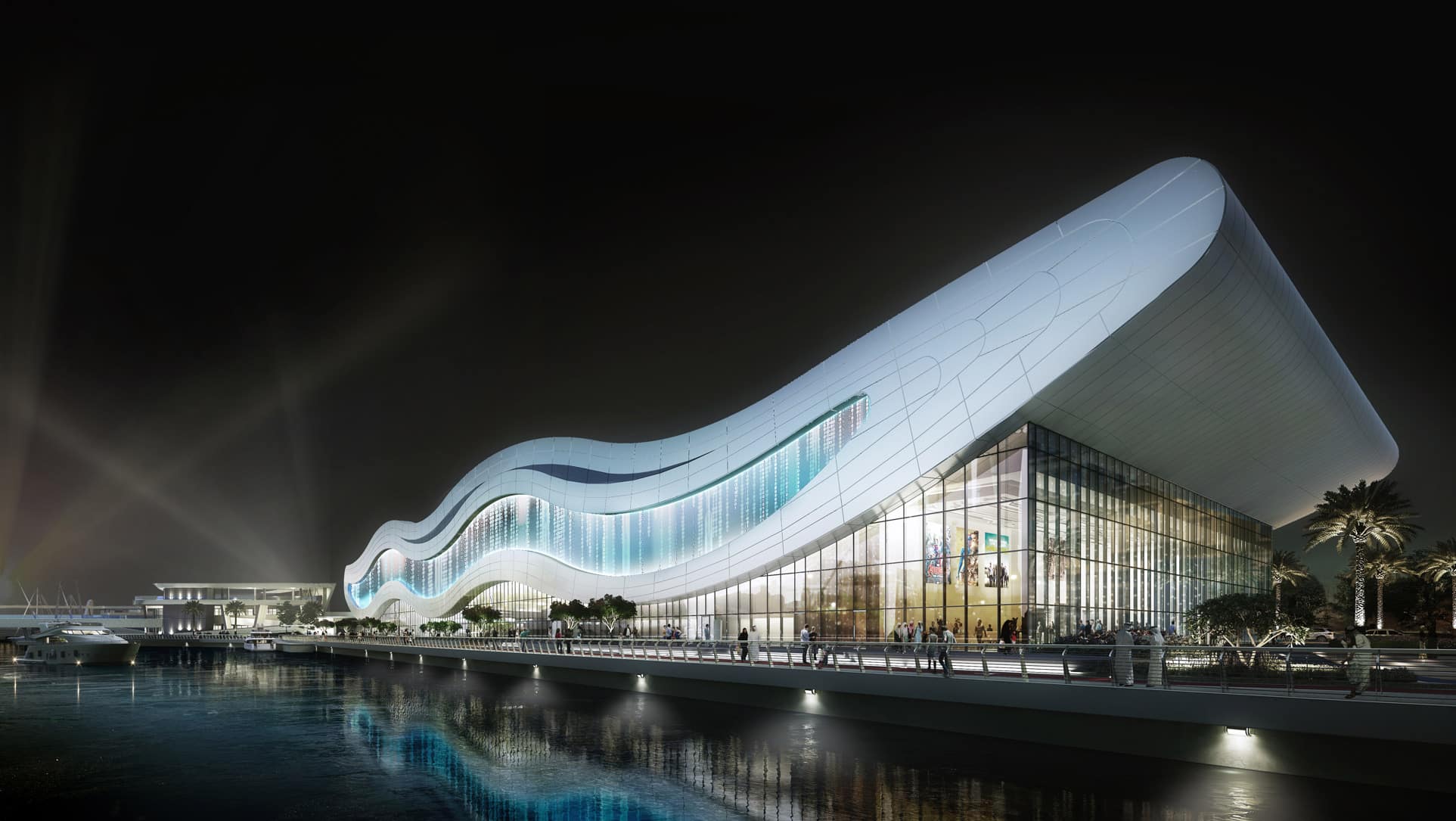
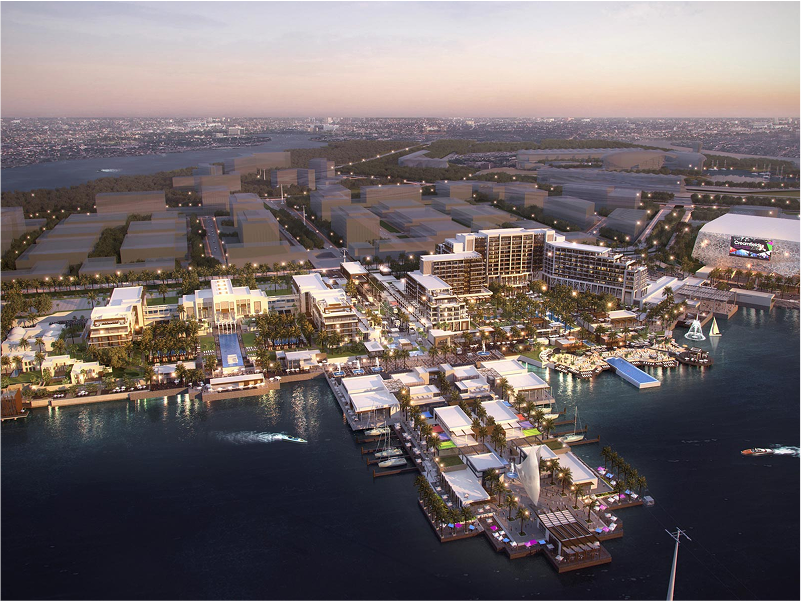
YAS BAY
ABU DHABI




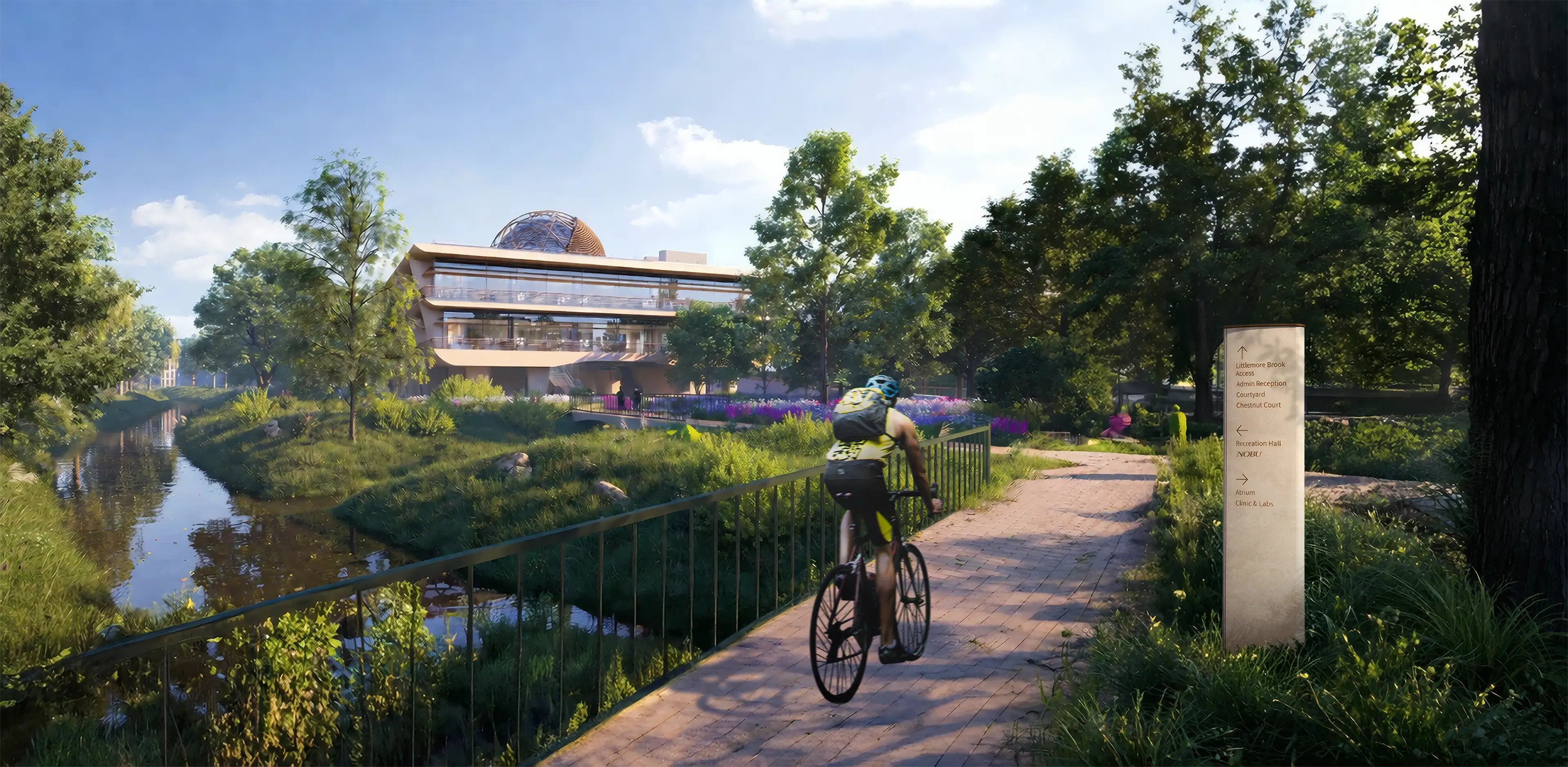
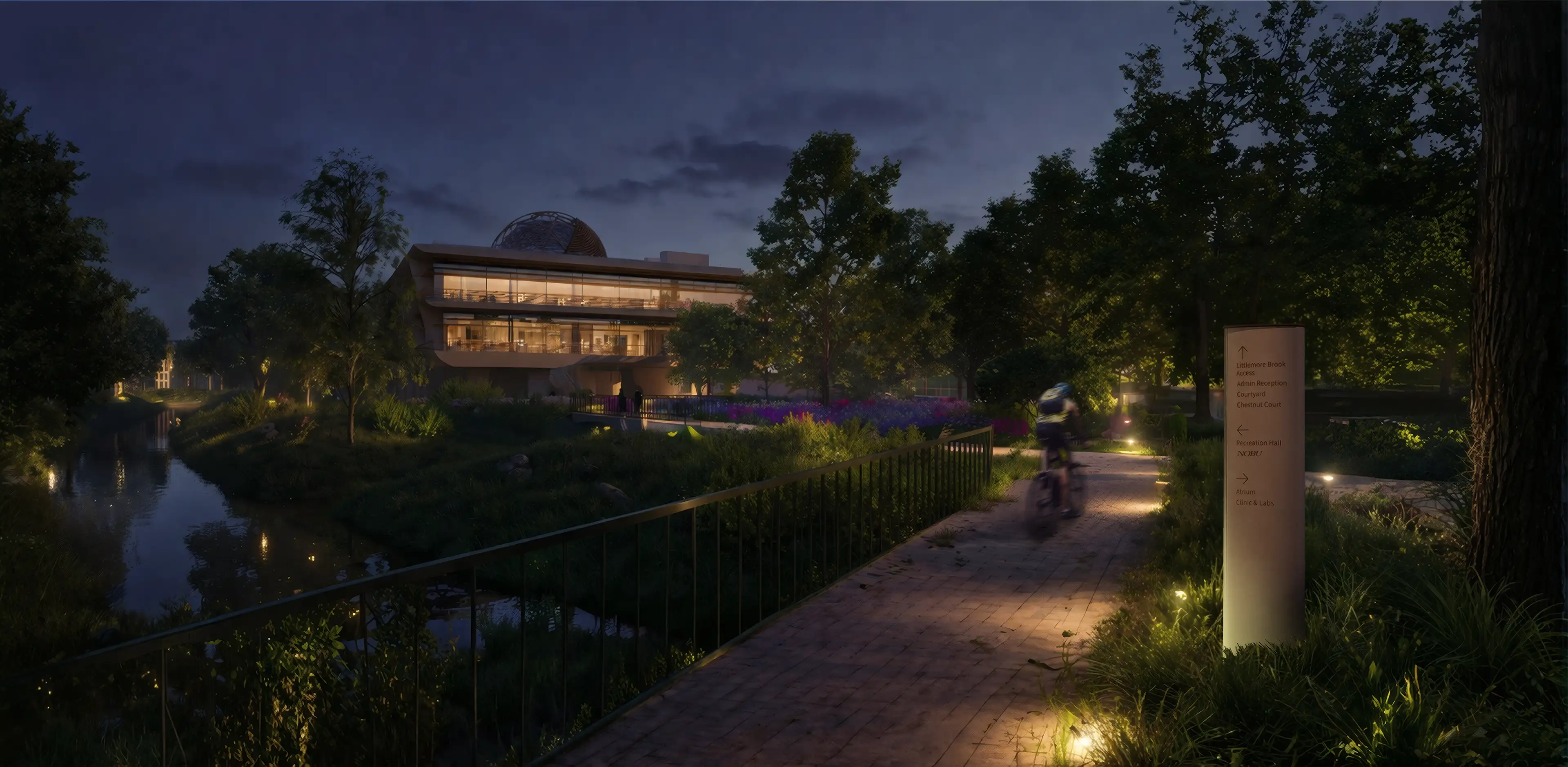
Technology is changing how people move, decide, interact, and experience place. LIMAH translates emerging technologies into practical built environment systems, connecting AI, data, smart navigation, spatial computing, and responsive technologies with human needs, operational priorities, and the physical experience of place.
Explore the Future of Your Environment.
YEARS
PROJECTS
COUNTRIES
FUTURE-FOCUSED DISCIPLINE
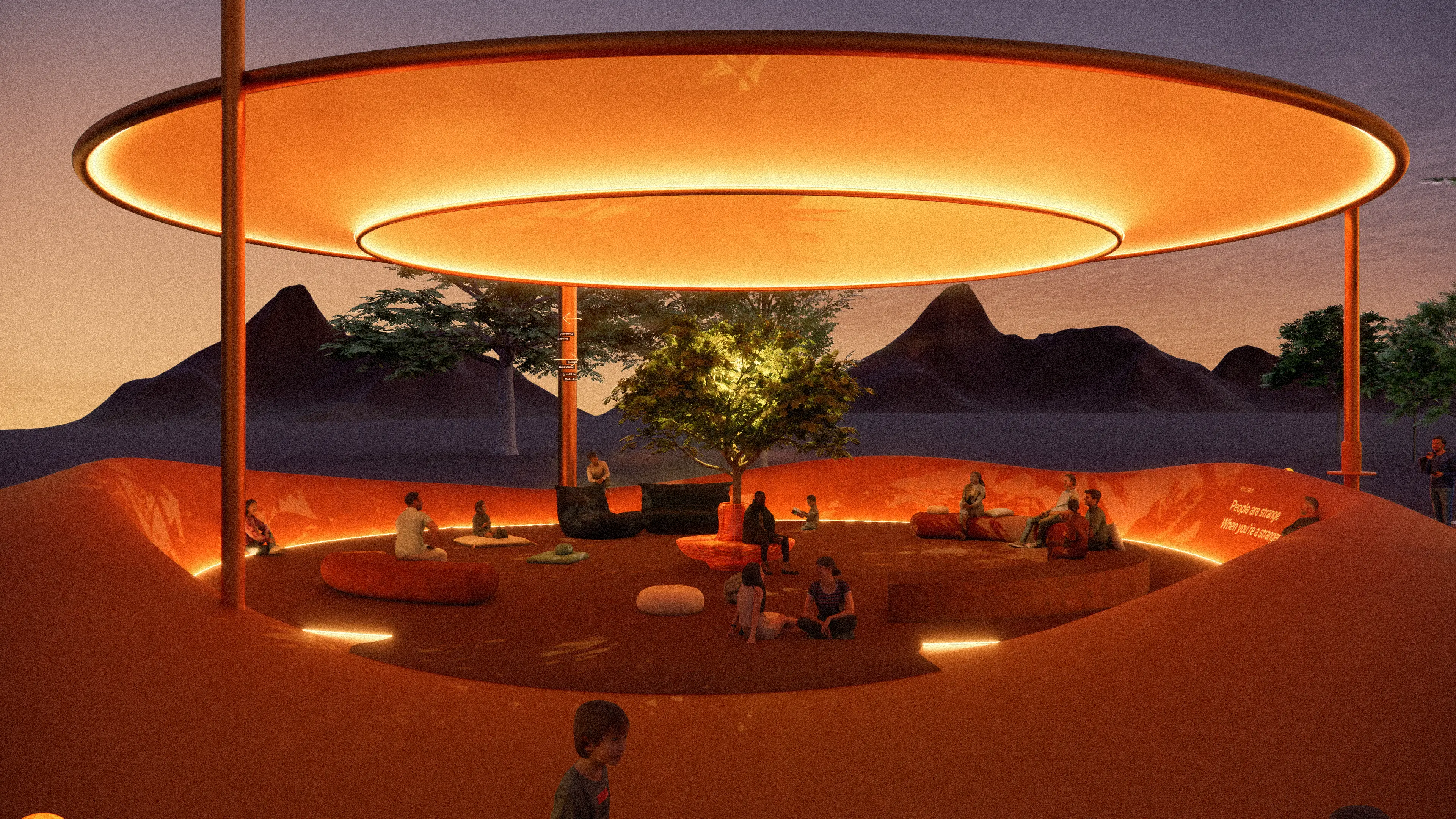
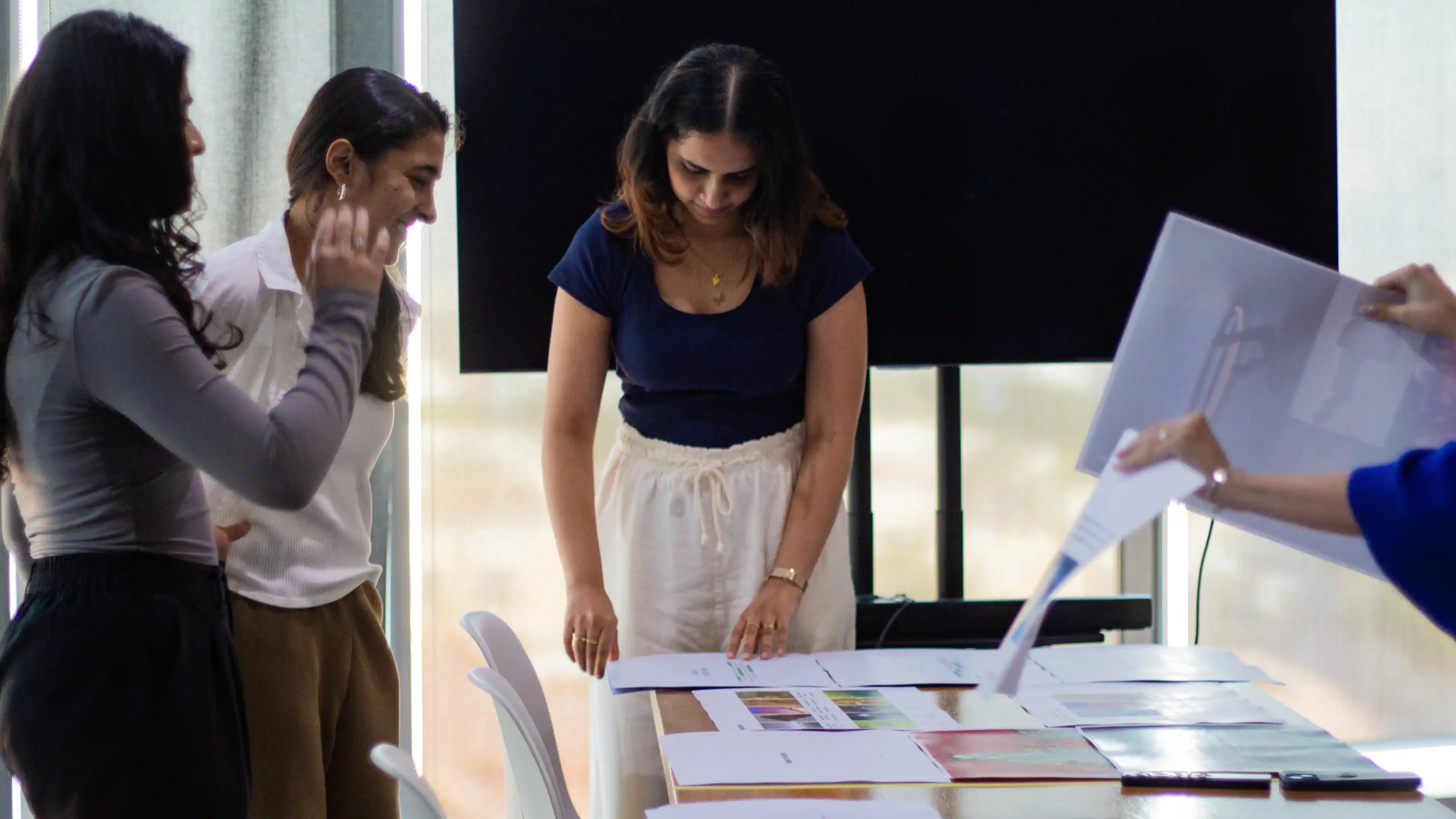
Innovation is not a layer added after a place is designed. It must be connected to the complete human experience.
Within LIMAH’s Built Environment Experience Design framework, Innovation & Future Systems brings emerging technology into the relationship between architecture, movement, behaviour, information and operations. It strengthens how people navigate, receive information and interact with environments that can respond and evolve.
This capability cuts across experience strategy, wayfinding, place identity, sensory design, physical-digital systems and technical delivery. The objective is not technology for its own sake. It is better-performing places that remain relevant as expectations and behaviours change.
Buildings and destinations were once designed as largely static environments.
That is changing.
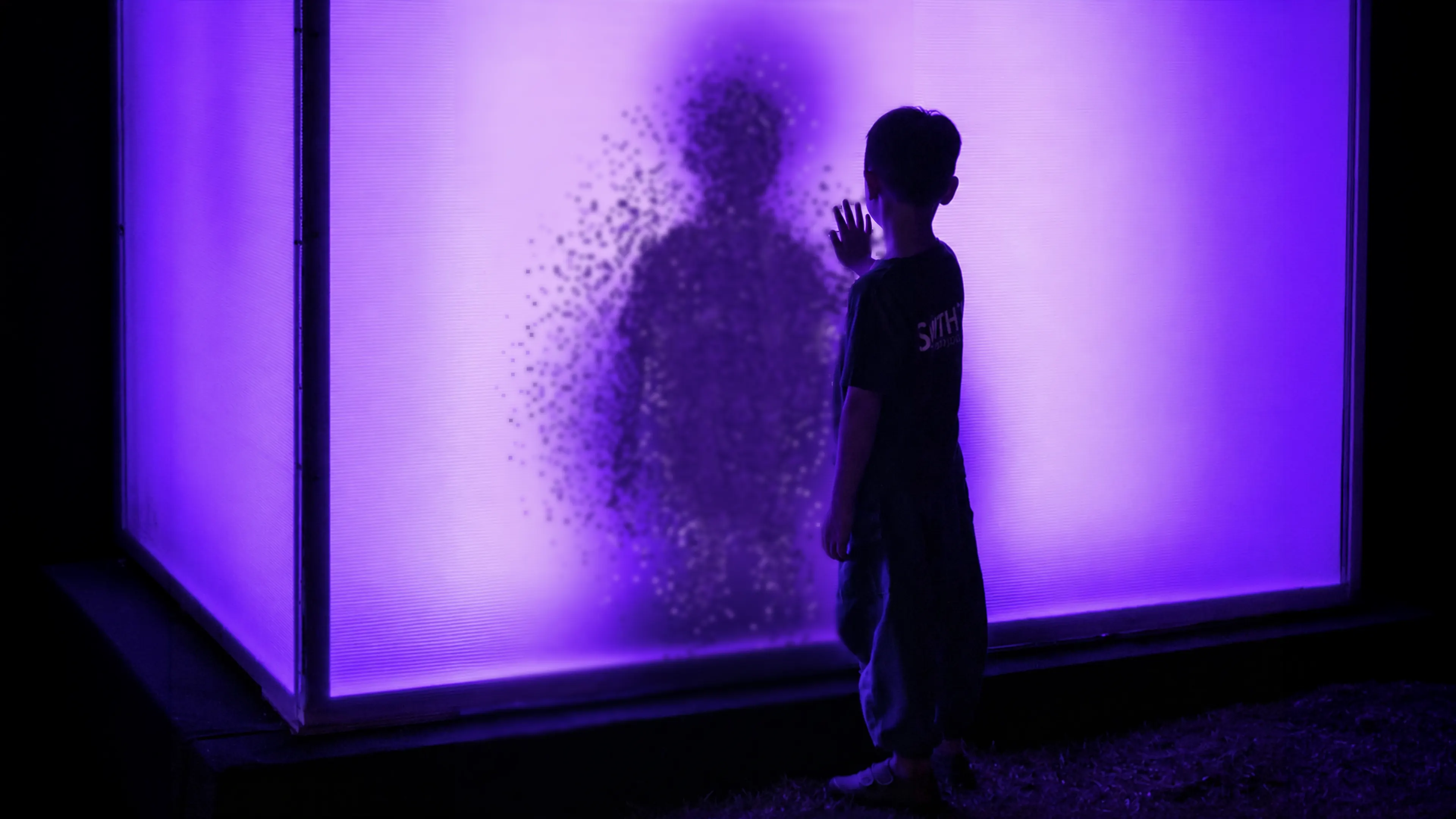
People now expect places to recognise context, respond in real time and connect physical journeys with digital information. Operators need better data. Complex environments must adapt to changing demand, behaviour and operational conditions.
The challenge is deciding where intelligence creates genuine value, and designing it into the environment without making the human experience more complicated.
LIMAH starts with people, place and purpose. We then define how AI, sensors, data, digital twins, spatial computing and responsive content can improve the journey.
Future-ready design is not about predicting one perfect future.
It is about creating environments capable of evolving with it.
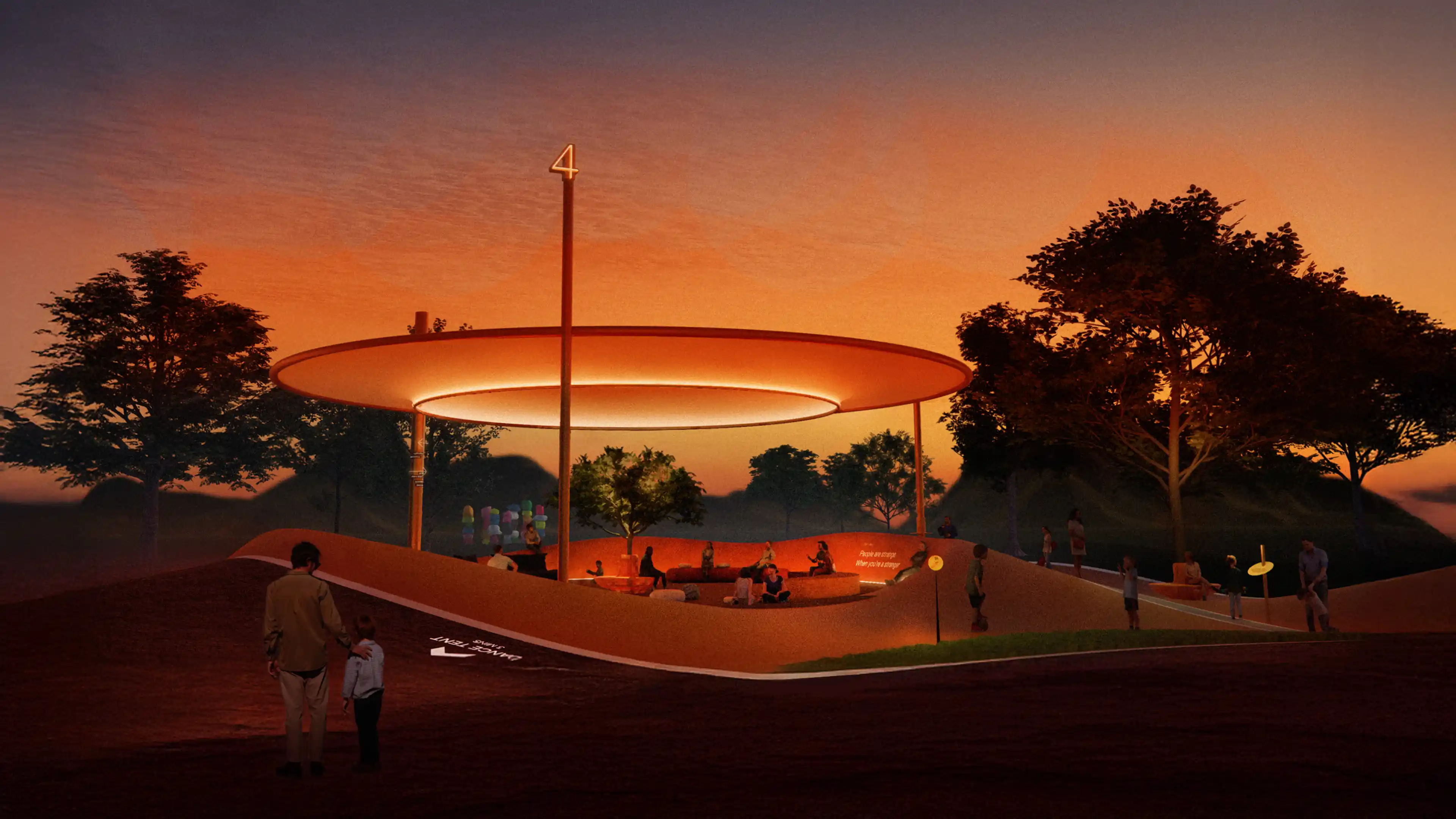
Innovation & Future Systems helps clients move from fixed experiences to environments that can understand, respond and improve.
It can create:
The result is not simply a smarter place. It is a place that uses intelligence to become clearer, more useful and more human.
We define the human, operational and commercial challenges the future system must address.
We review the place, journeys, technologies, data, infrastructure and existing experience.
We identify where emerging systems can create meaningful value rather than unnecessary complexity.
We establish the experience logic, use cases, system requirements and future-ready framework.
We connect the concept with architecture, wayfinding, digital platforms, operations and technical teams.
We support coordination, documentation, testing and governance so the intended experience survives delivery.
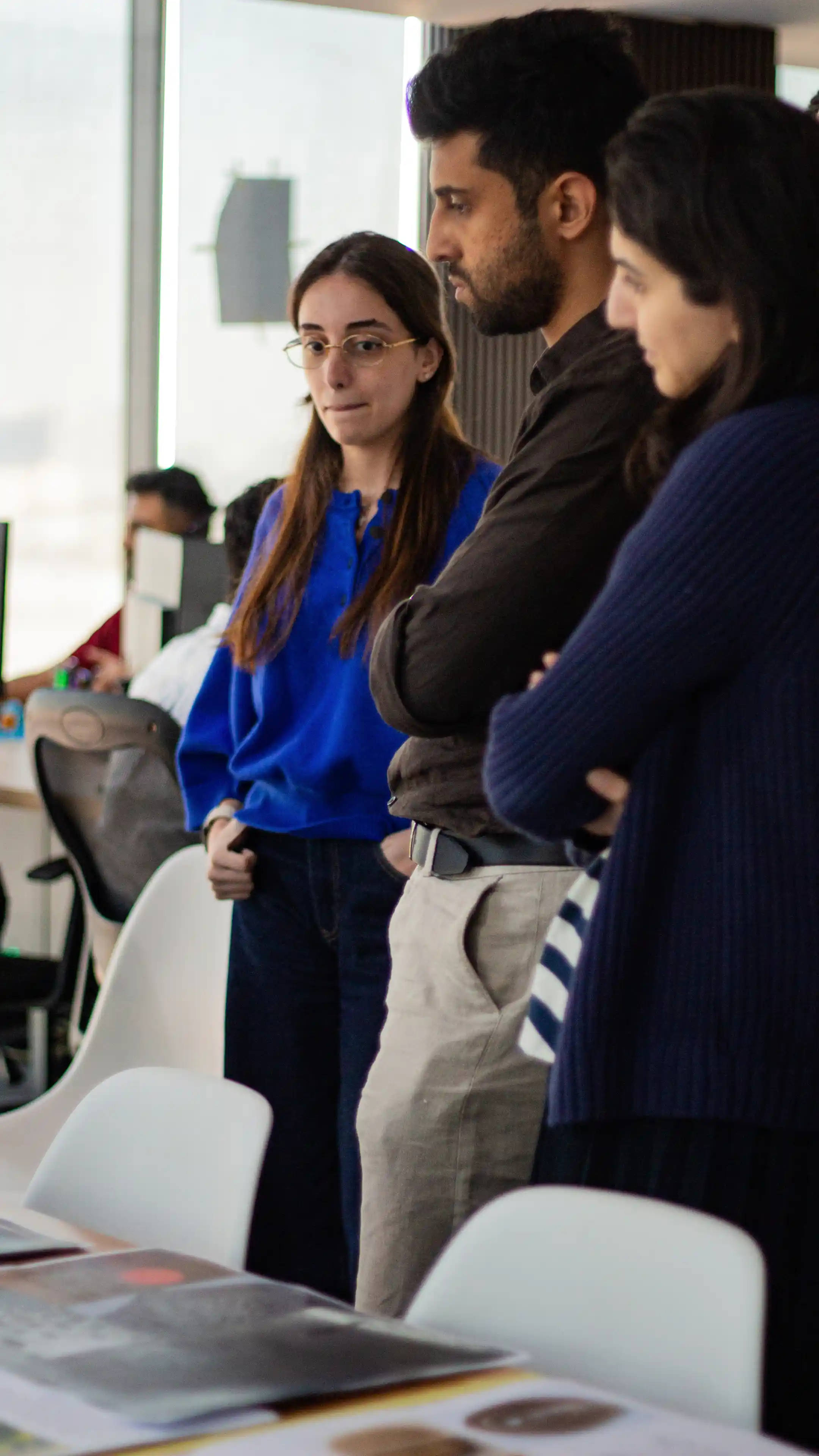
LIMAH brings together the disciplines needed to make future systems work in real places.
For more than 19 years, our Dubai-based international studio has worked across 500+ projects in 37 countries. Our experience spans transport, cities, hospitality, culture, retail, healthcare, education, sports, residential and mixed-use environments.
Future systems must respond to user behaviour, spatial logic, architecture, accessibility, operations and long-term management.
Our multidisciplinary team connects strategy, human-centred design and technical delivery with the coordination, documentation and governance required on complex projects.
We move clients beyond isolated pilots and disconnected digital features. Our innovation and future systems strategy guides immediate decisions while preparing the environment for technologies and behaviours still emerging.
We do not chase the future for effect.
We design the conditions that allow places to evolve intelligently.
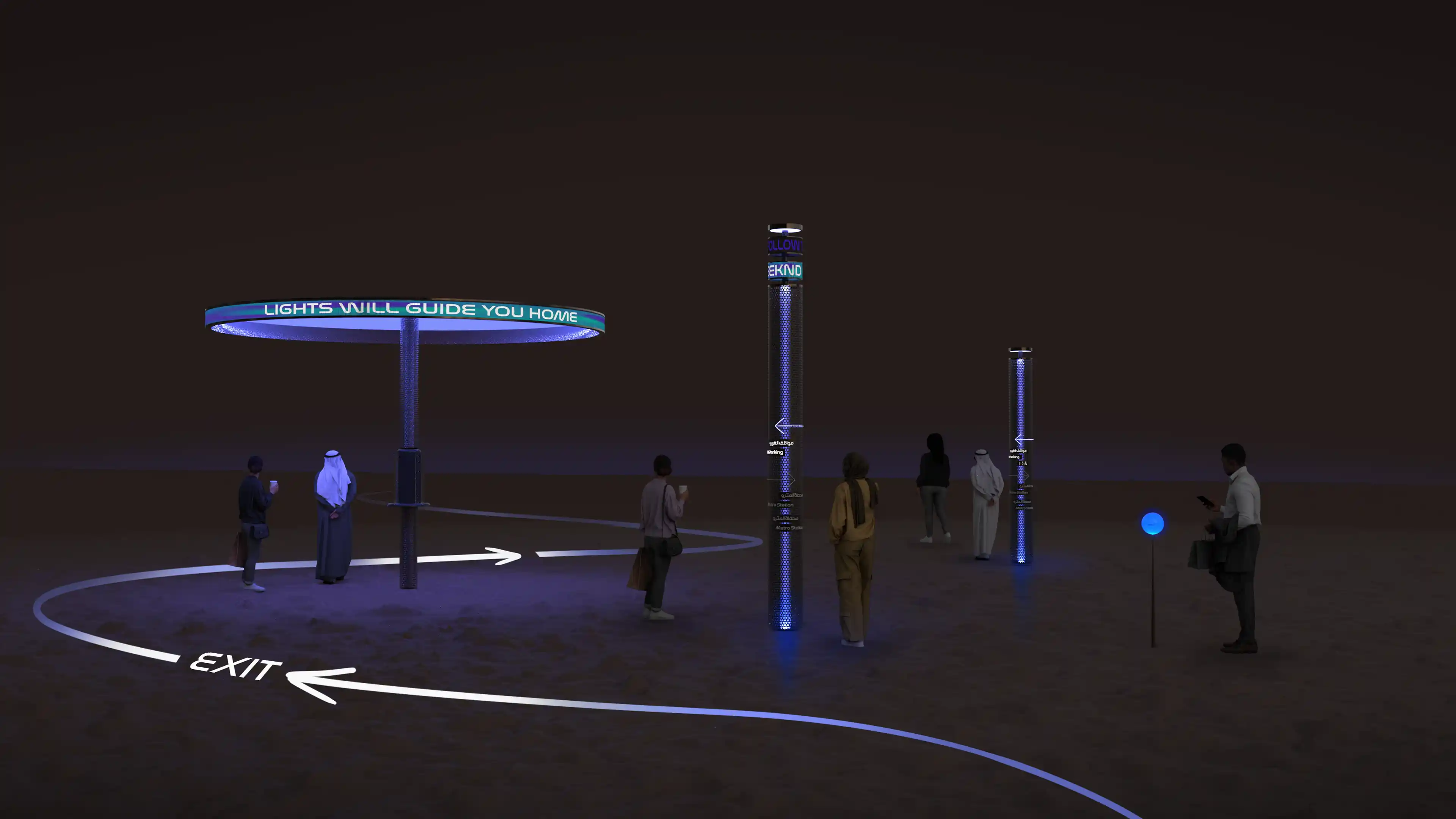
Innovation & Future Systems is relevant wherever people, place, information and operations must work together:
Future-ready environments should not create more friction.
They should make complexity easier to understand.
Information more relevant.
Movement more intelligent.
Operations more responsive.
Digital interaction more natural.
Public experiences more engaging.
Decisions more informed.
Places more adaptable.
And the human experience more valuable.
Better technology is not the final outcome.
A better experience is.