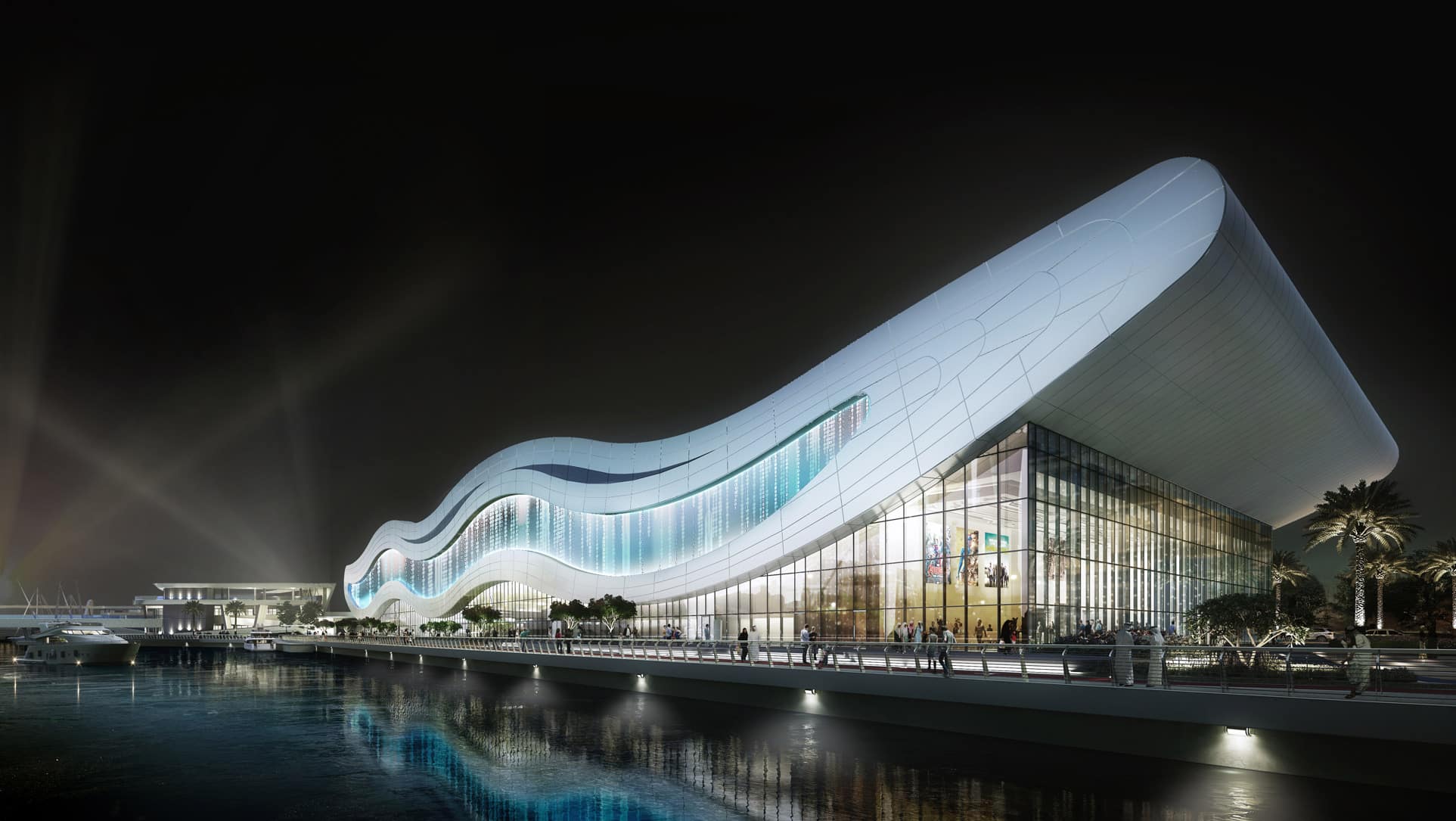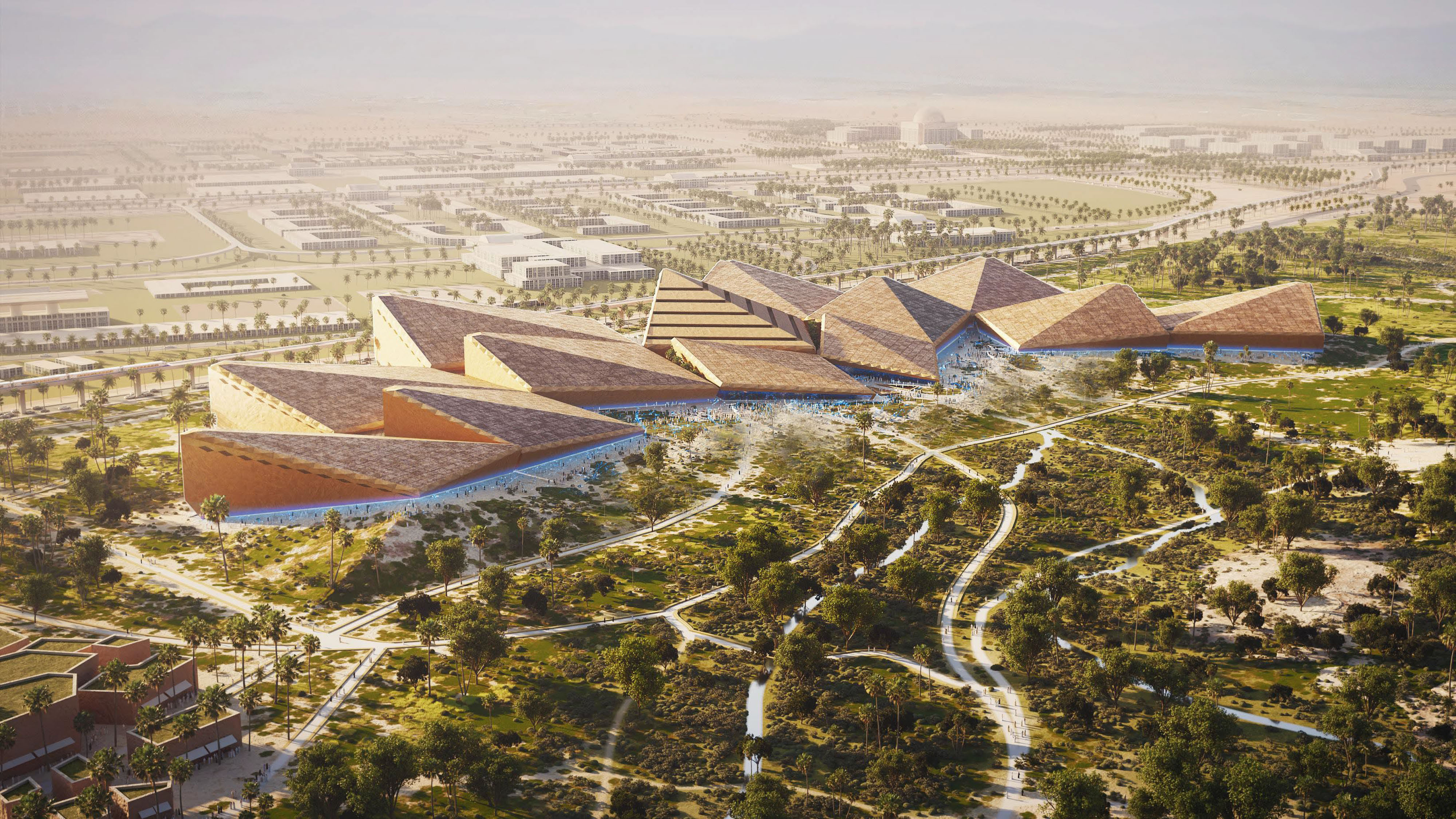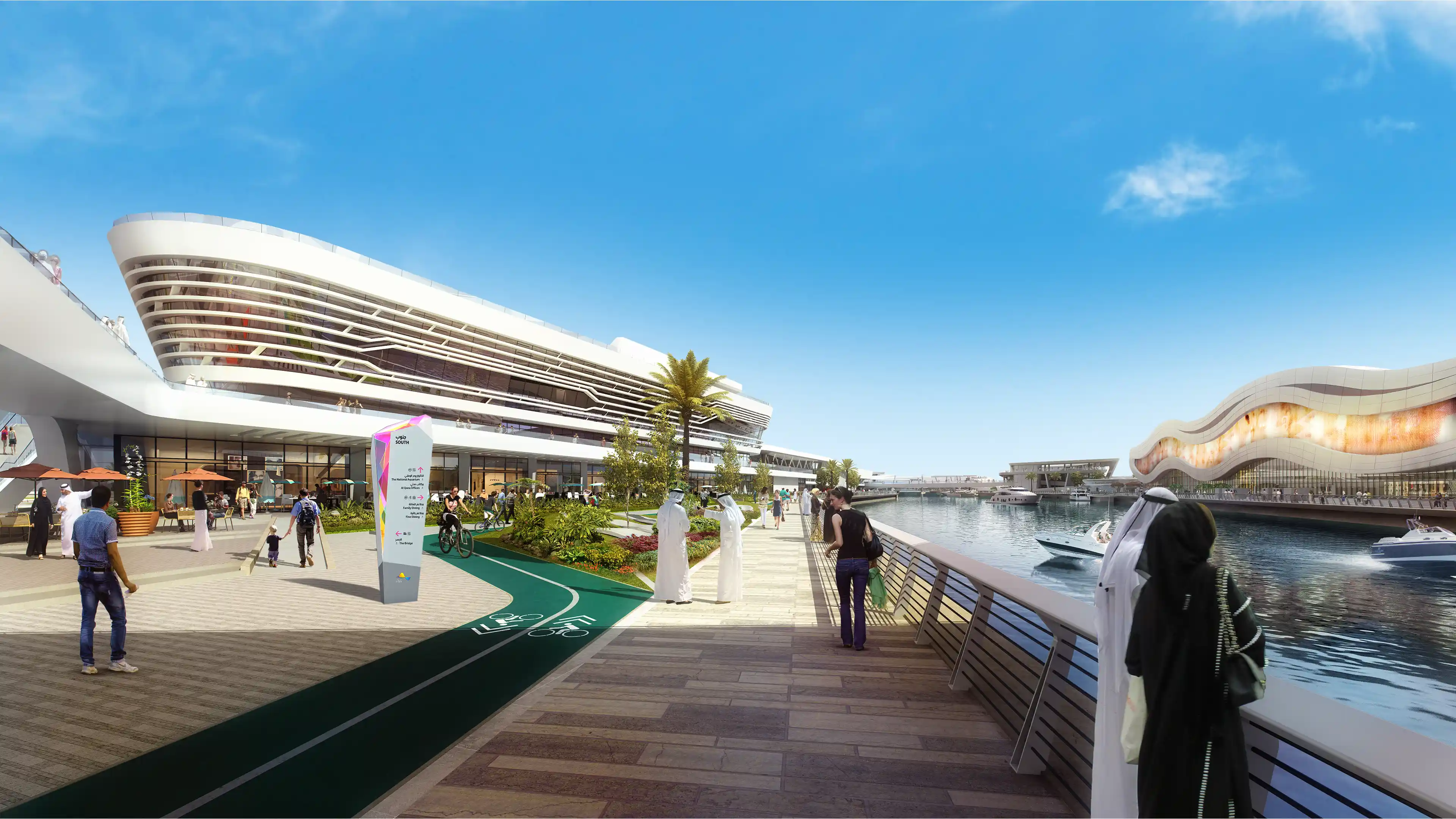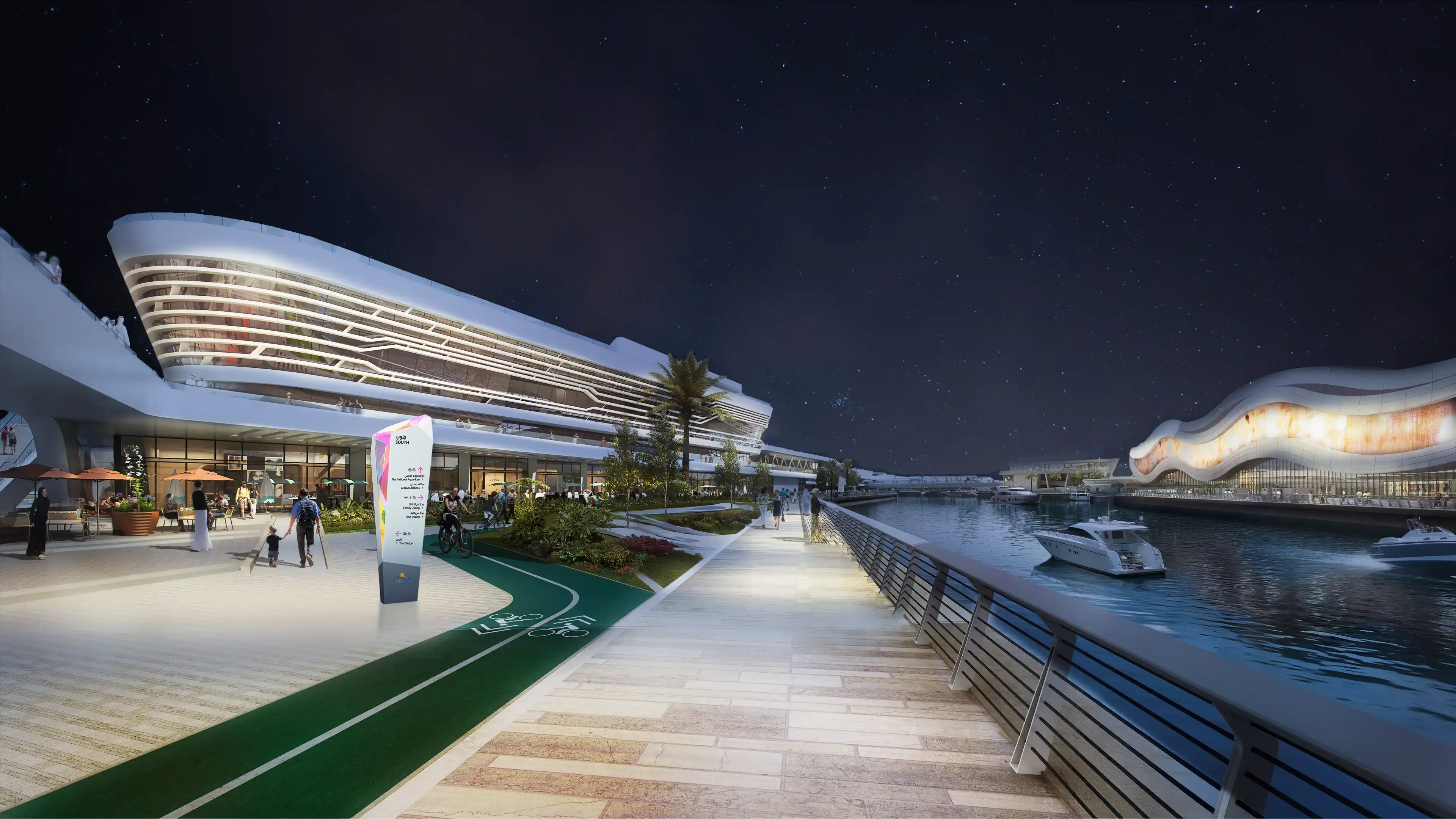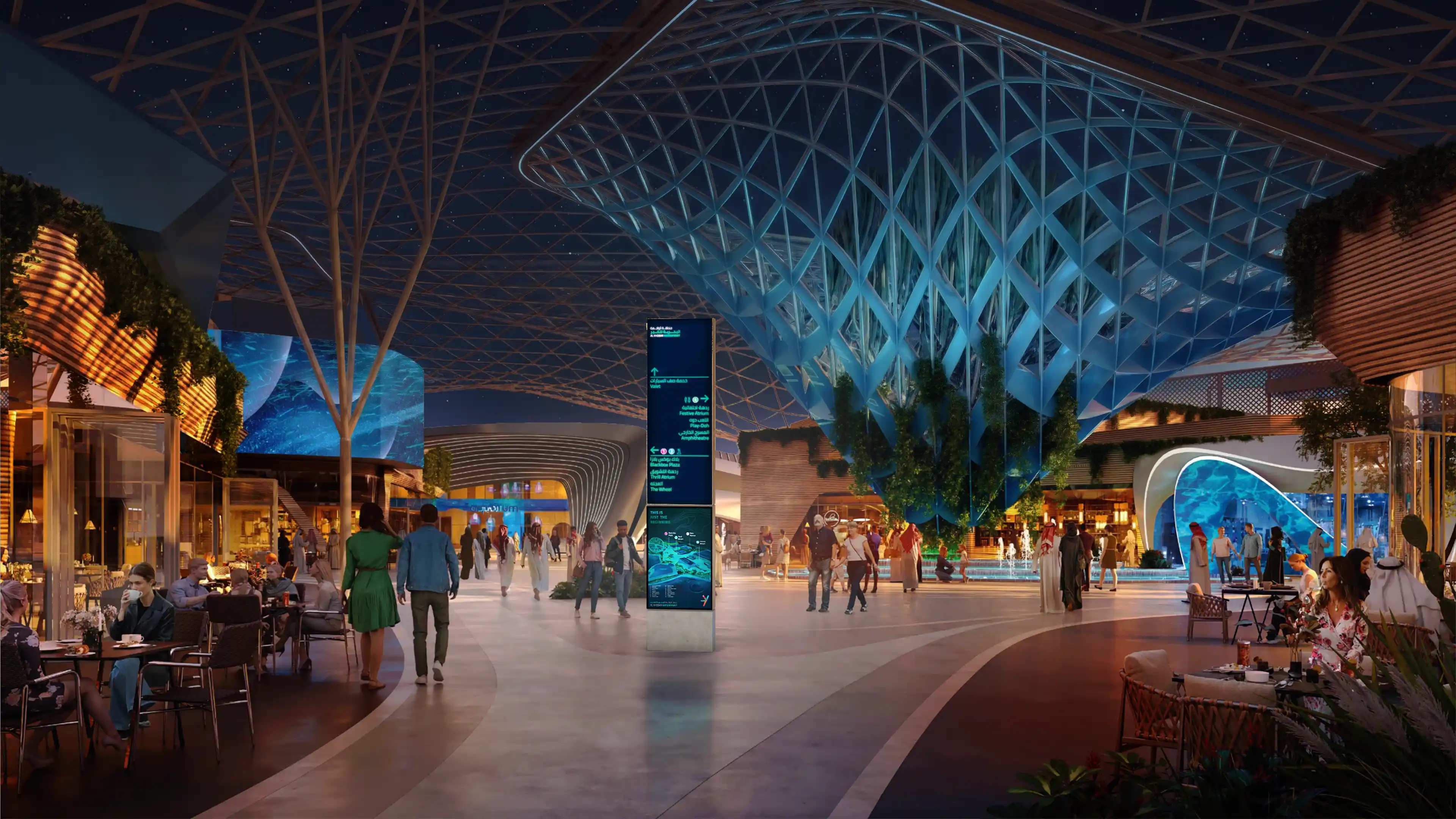
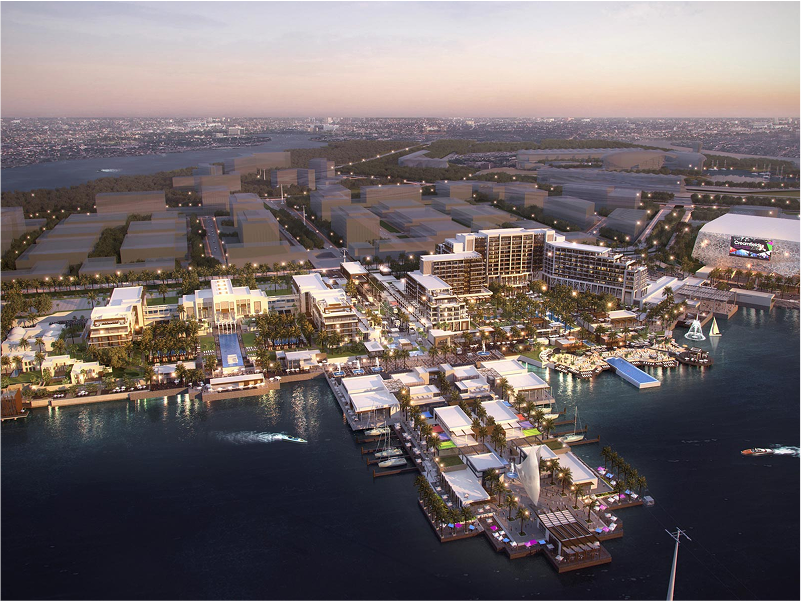
YAS BAY
ABU DHABI




The Experience Strategy is where the human journey begins. LIMAH helps clients define how people should understand, move through, use and emotionally connect with a place before decisions become fixed. It gives complex built environments a clear foundation for movement, memory, behaviour, identity and long-term value.
Start planning the experience of your next development.
YEARS
PROJECTS
COUNTRIES
INTEGRATED DISCIPLINE
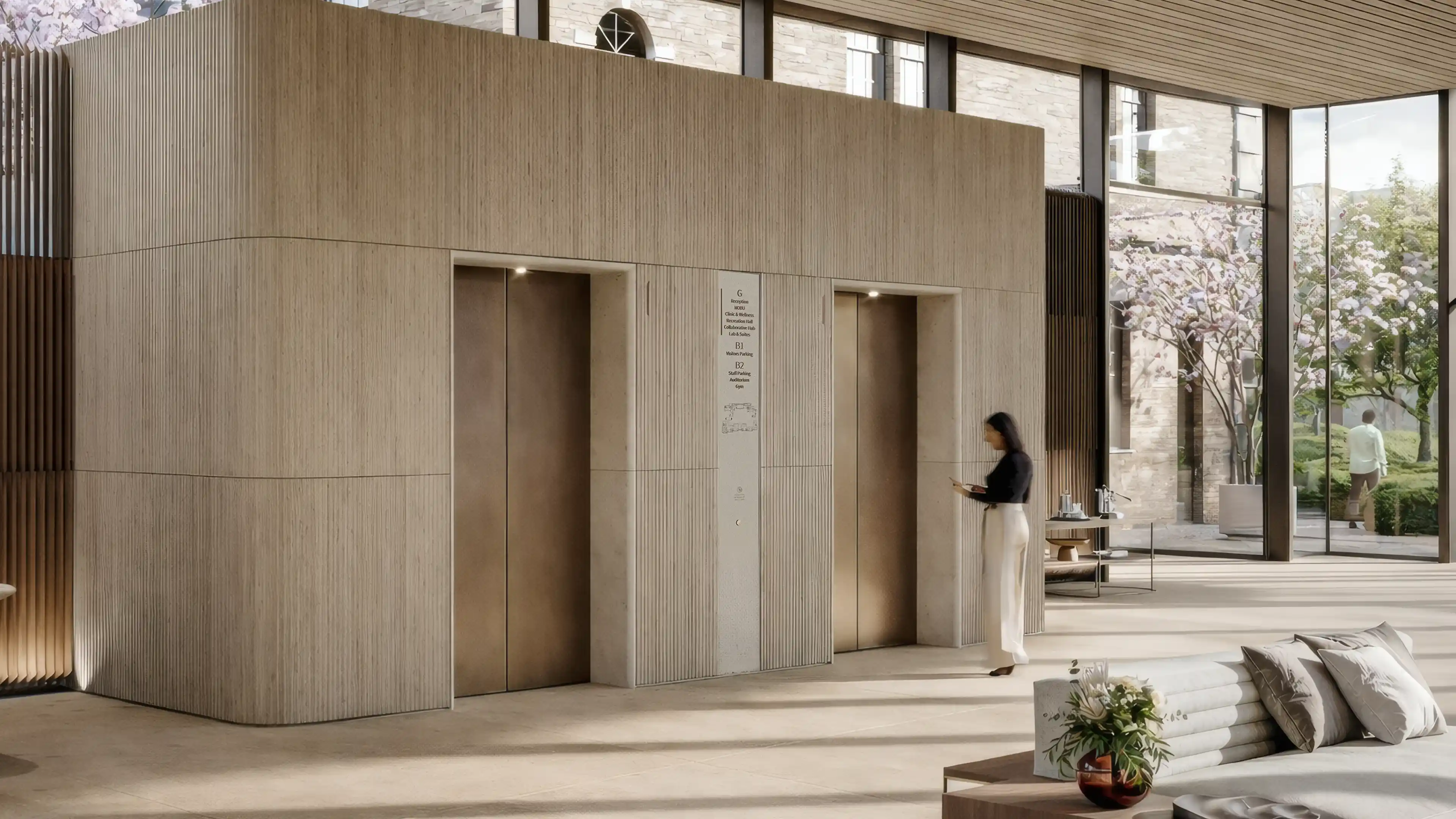
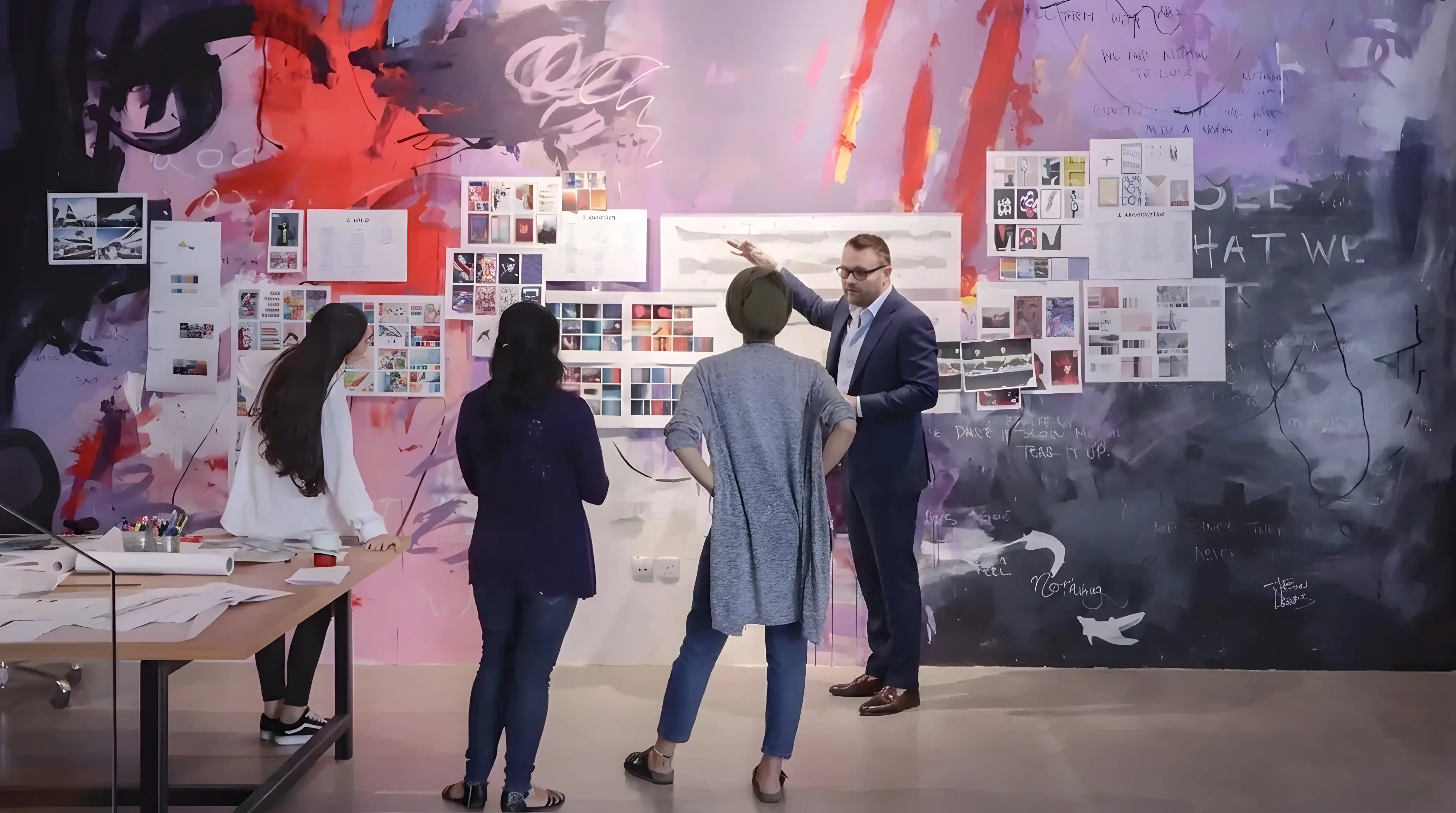
Experience Strategy is the highest strategic layer within LIMAH’s Built Environment Experience Design framework.
It defines what a place needs to become for the people who will use it. Before wayfinding, public art, digital systems, sensory design or technical delivery, there must be a clear understanding of the human experience the project needs to create.
LIMAH uses Experience Strategy to connect ambition with behaviour. We help project teams define how people arrive, orientate, move, pause, decide, remember and trust the built environment.
This is not a separate service added to the project. It is the foundation that gives every other layer direction.
Great places do not happen by accident.
A building may be beautiful. A masterplan may be efficient. A destination may have strong branding. But if people do not understand how to use the place, the experience begins to fail.
People do not move through disciplines. They move through journeys. They experience architecture, landscape, lighting, signage, public art, digital systems and operations as one continuous sequence. If that sequence is not designed from the beginning, confusion appears later as friction, hesitation, weak memory, poor movement and operational pressure.
Experience Strategy defines the logic behind the journey. It gives the place a human structure before the design becomes too far developed to change.
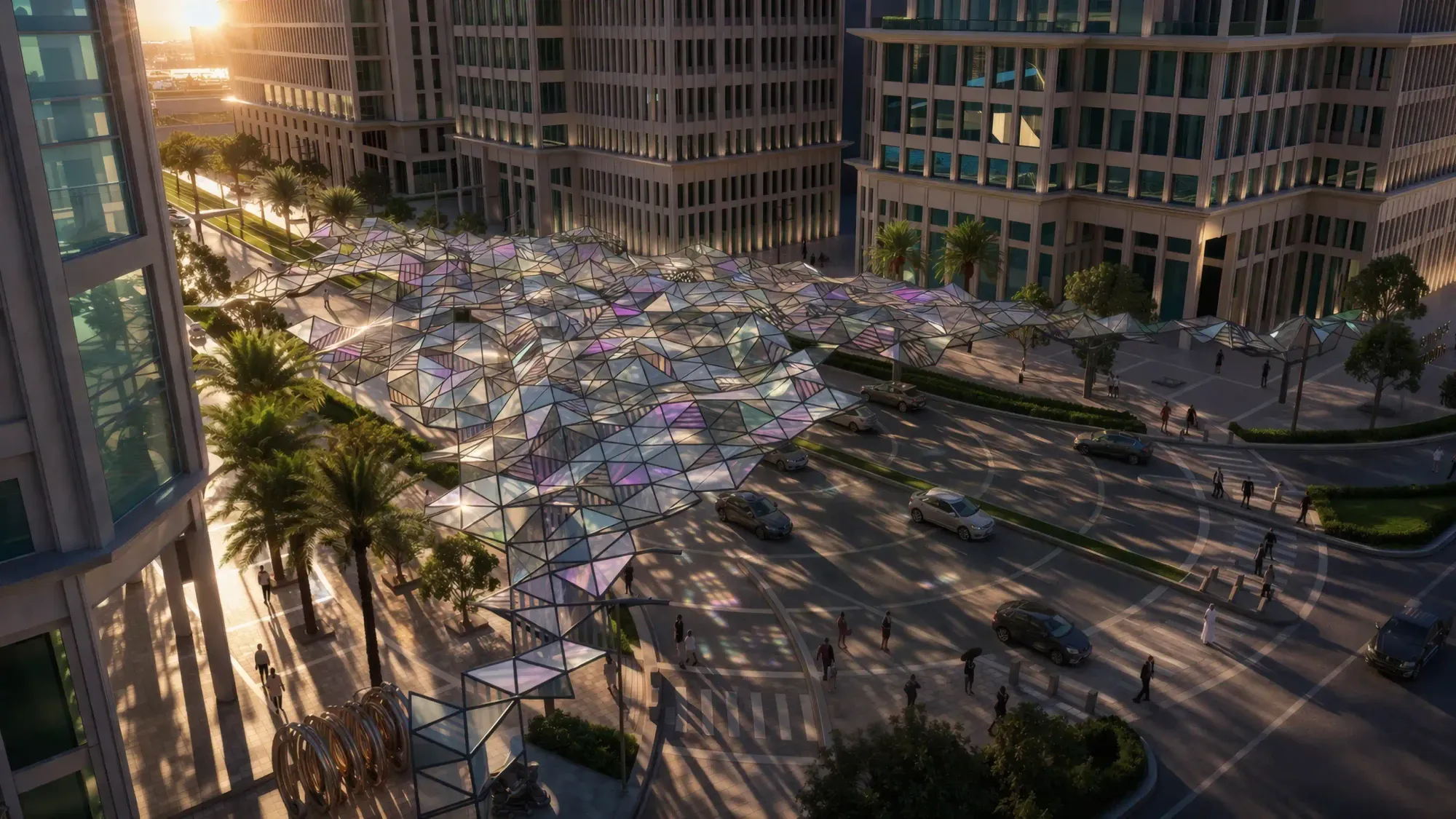
Experience Strategy turns project ambition into a clear human experience framework. It helps clients and design teams make better decisions earlier, with the user journey at the centre of the process.
Together, these create clearer movement through complex environments and a stronger understanding of user behaviour, leading to better orientation and decision-making with reduced confusion and friction. The result is more coherent journeys across disciplines and stronger alignment between stakeholders, building better foundations for wayfinding, identity and public realm. This in turn drives improved operational performance and greater trust in how the place works, shaping a more meaningful and memorable human experience.
Experience Strategy helps the project move from disconnected decisions to one clear direction.
We study the project vision, users, context, stakeholders and operational goals.
We review the existing or proposed environment to identify gaps, risks and opportunities.
We define user journeys, movement patterns, decision points and moments of experience.
We create the strategic framework that guides how the place should work for people.
We align the experience strategy with architecture, landscape, wayfinding, public realm, digital systems and operations.
We help carry the experience intent forward so it remains clear through design and delivery.
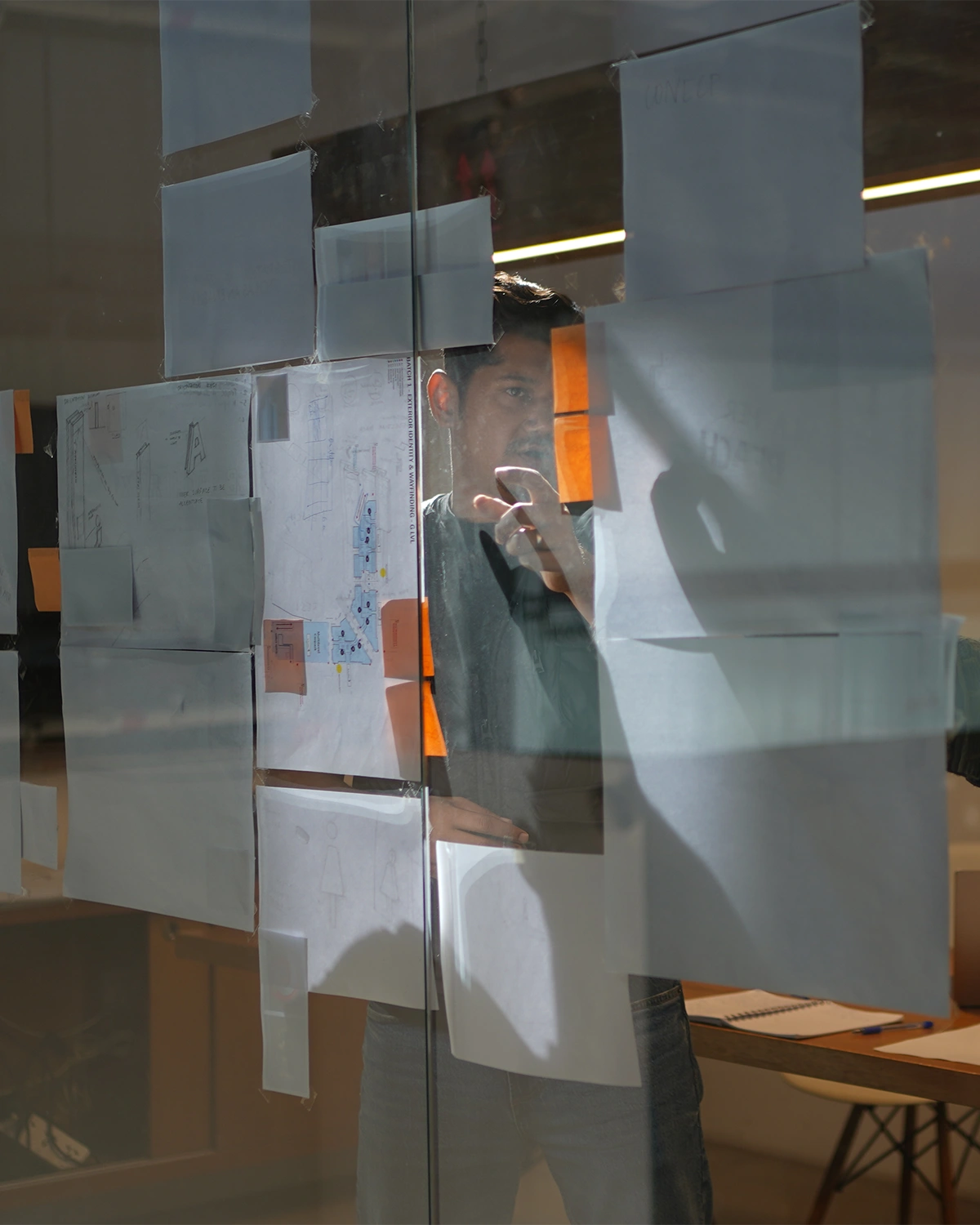
LIMAH has spent 19+ years helping shape how people experience, understand and move through complex built environments.
From a Dubai-based international studio, LIMAH has worked across 500+ projects in 37 countries, supporting developers, architects, cities and institutions across transport, hospitality, culture, retail, healthcare, education, sports, residential and mixed-use environments.
Our strength is not only strategy. It is the ability to connect strategy with delivery.
We understand how human behaviour influences movement. We understand how spatial logic affects clarity. We understand how wayfinding, public art, digital systems, sensory design, architecture, operations and technical documentation need to work together.
That is what makes Experience Strategy powerful.
It does not stay as an abstract idea. It becomes a direction the project team can use, coordinate and protect.
LIMAH works differently because we design the human experience between architecture, movement and memory.
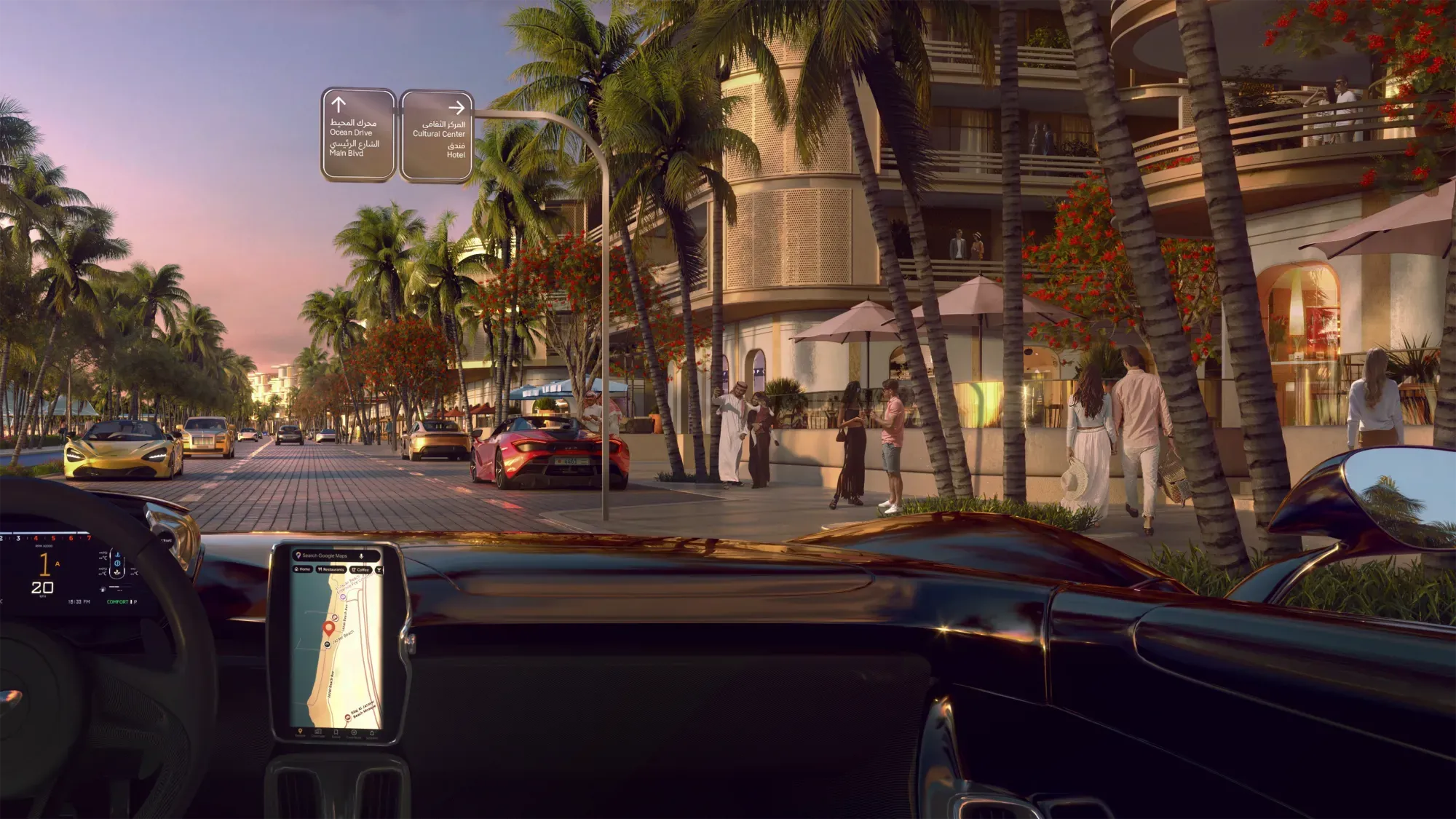
Experience Strategy is designed for projects where movement, meaning, identity, behaviour and operational performance matter from the beginning. It is especially valuable for:
Better strategy creates better experience.
It defines the human logic.
Clarifies the journey.
Reduces confusion.
Improves movement.
Strengthens memory.
Aligns stakeholders.
Supports operations.
Guides future design.
Protects the user experience.
Makes complex environments easier to understand.