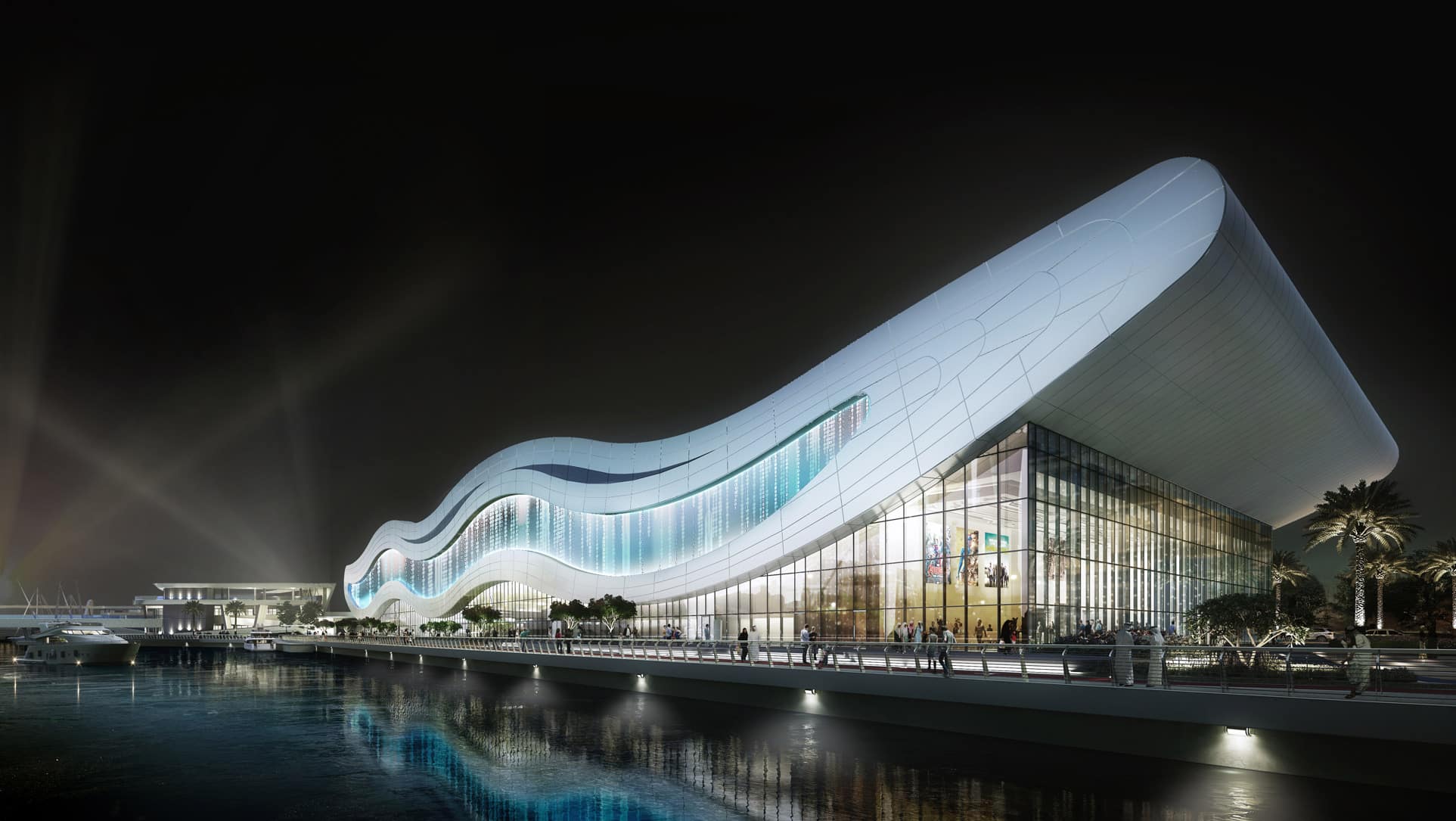
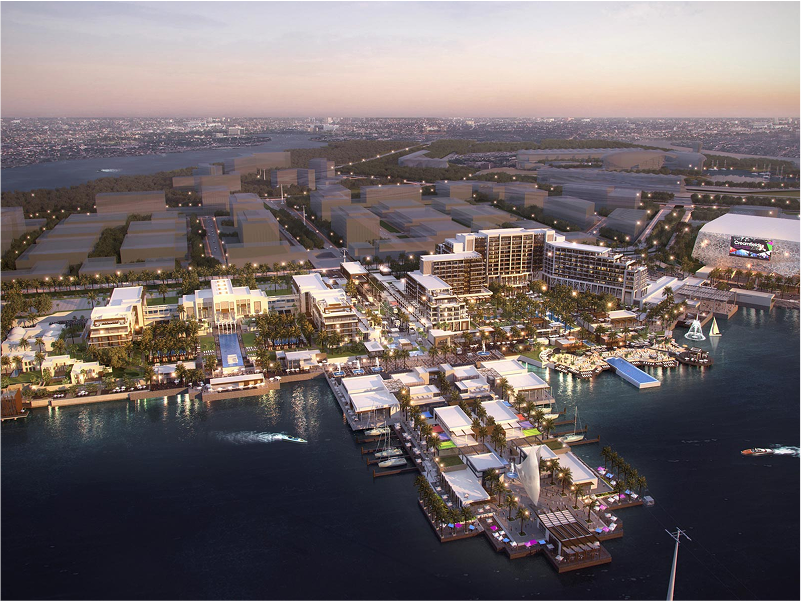
YAS BAY
ABU DHABI




A strong experience can be weakened by poor coordination, unclear documentation, or inconsistent implementation. LIMAH translates experience design into the technical information, standards, and controls required to deliver it correctly through design development, tender, construction, installation, and long-term operation.
Protect Your Design Intent
YEARS
PROJECTS
COUNTRIES
One line from strategy to delivery
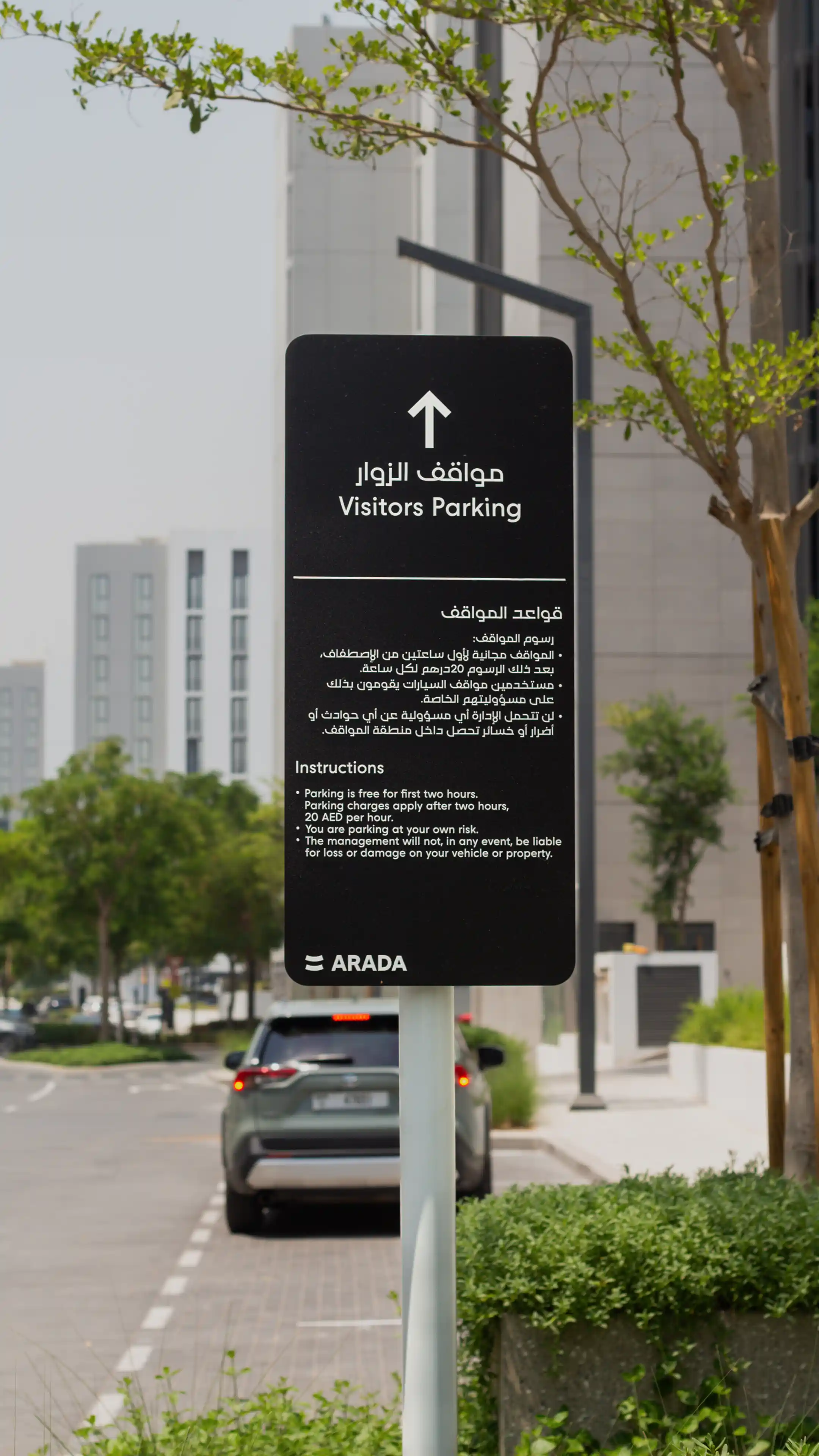

Built Environment Experience Design does not end when a concept is approved.
Every strategic decision must survive coordination, documentation, procurement, construction and implementation. Technical Delivery & Governance is the execution layer that protects this process.
It connects human experience, spatial logic, wayfinding, place identity, sensory design and digital systems with the practical realities of architecture, engineering and construction.
By maintaining clarity across disciplines and project stages, LIMAH helps ensure that the intended experience is not diluted, fragmented or lost as the project moves towards completion.
The result is a more coordinated environment, and a more consistent experience for the people who use it.
Design intent has no value if it cannot be delivered.
Projects become more complex as they progress.
More stakeholders become involved. Information passes between consultants, contractors, suppliers and operators. Materials change. Costs are challenged. Technical conflicts emerge. Decisions made during strategy and concept design can gradually lose their original purpose.
Without strong technical delivery and governance, the experience begins to fragment.
LIMAH protects the human logic behind the design.
We document what matters. Define standards. Coordinate with other disciplines. Review technical proposals. Test critical elements. Resolve inconsistencies. Support implementation. Maintain control over the details that influence clarity, trust, movement, accessibility and quality.
Because people do not experience the original design presentation.
They experience what is actually built.
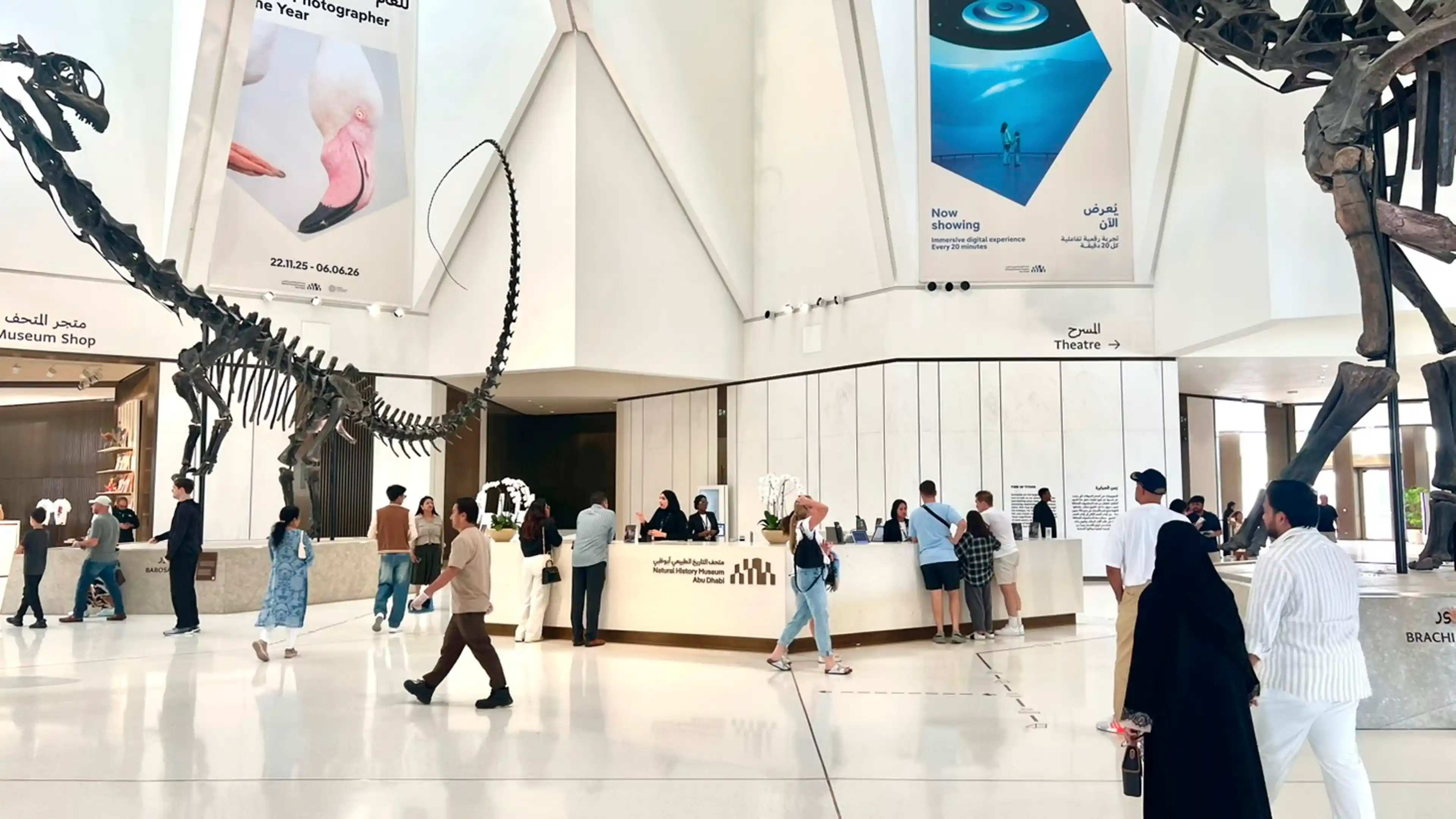
Technical Delivery & Governance creates a controlled path from design intent to built reality.
It helps projects achieve:
This is where experience design becomes buildable, measurable and manageable.
We establish the experience intent, project requirements, responsibilities and delivery constraints.
We review available designs, documentation, interfaces, standards and technical risks.
We establish the information, specifications, controls and performance requirements needed for delivery.
We translate approved design decisions into coordinated technical and tender information.
We work across consultants, contractors, suppliers and operators to resolve interfaces and maintain clarity.
We review, test and monitor implementation so the intended experience survives construction and operation.
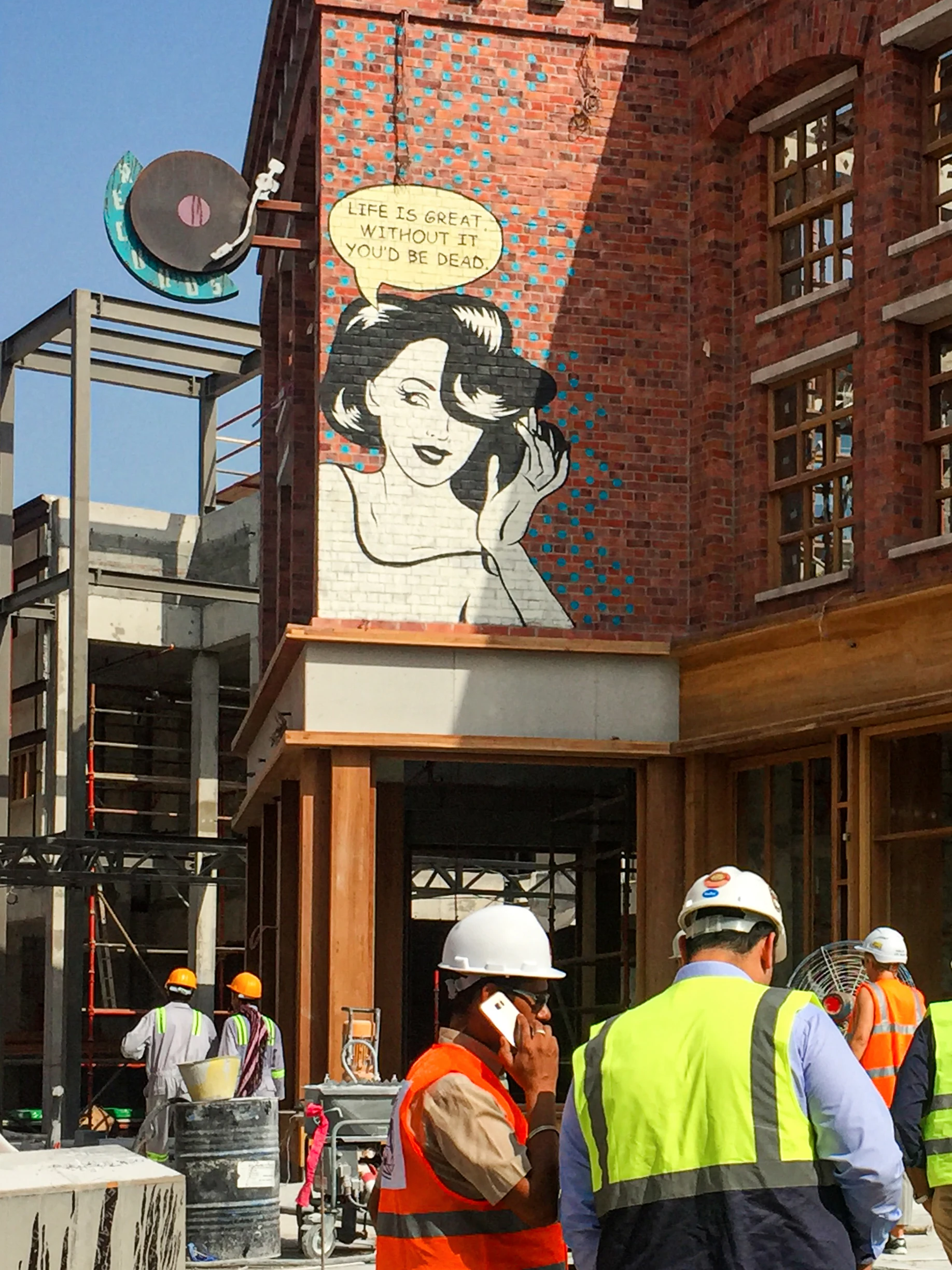
LIMAH combines strategic thinking with the technical capability required to bring complex experience systems into the built environment.
For more than 19 years, our Dubai-based international studio has worked across 500+ projects in 37 countries. Our experience spans transport, cities, hospitality, culture, retail, healthcare, education, sports, residential communities and mixed-use developments.
This breadth matters.
Technical delivery cannot be separated from user behaviour, architecture, operations or long-term management. Decisions about documentation, materials, positioning, accessibility, digital interfaces and maintenance directly influence how people understand and experience a place.
Our multidisciplinary team connects experience strategy, spatial logic, wayfinding, place identity, sensory design and digital systems with coordination, documentation and implementation.
We understand both the idea and the detail.
That allows us to communicate clearly with design teams, project managers, engineers, contractors, manufacturers, operators and authorities, while protecting the human purpose behind the work.
LIMAH works differently.
We do not simply document objects.
We protect the experience those objects are intended to create.
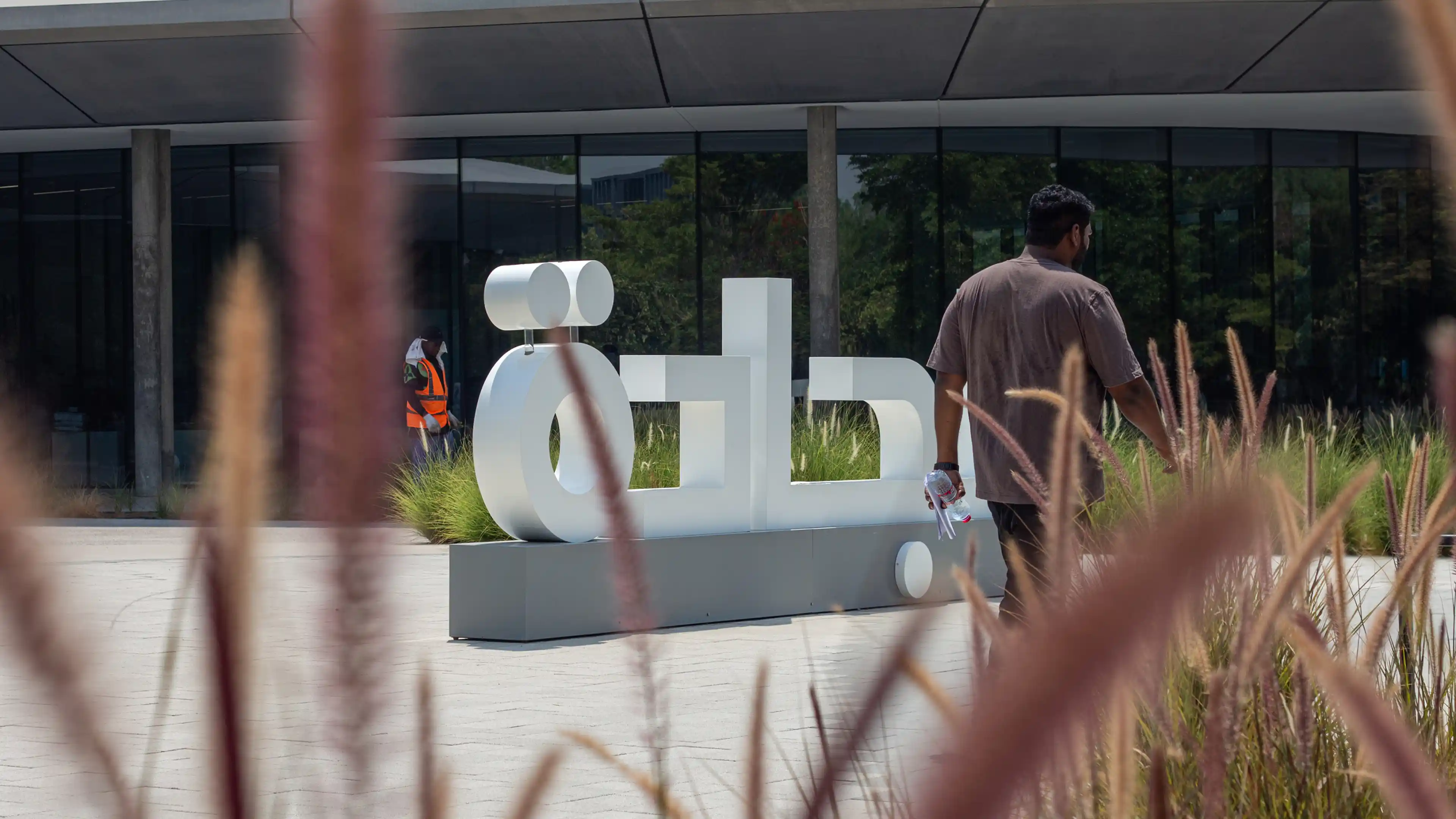
Technical Delivery & Governance supports projects where multiple disciplines, stakeholders and systems must work together.
Better governance protects better experiences.
Clearer information.
Stronger coordination.
Fewer delivery gaps.
Better quality control.
More consistent implementation.
Improved compliance.
Smarter value engineering.
More manageable systems.
Greater operational confidence.
The original design intent remains visible in the final environment.