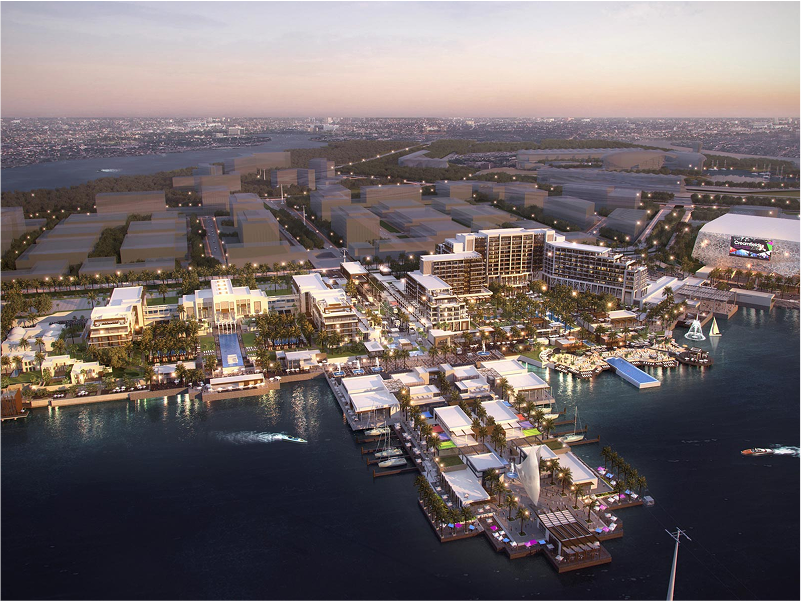
YAS BAY
ABU DHABI




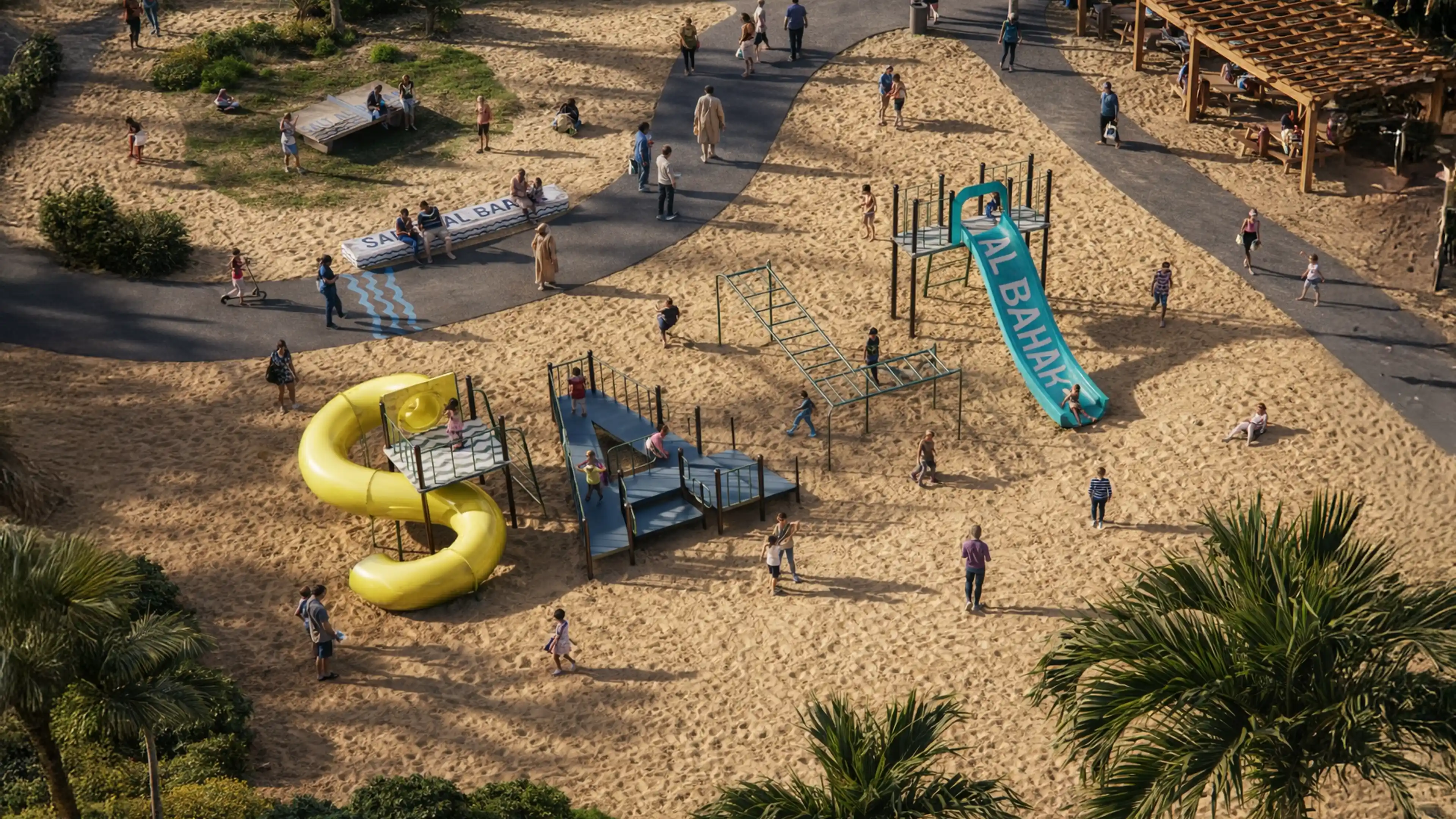
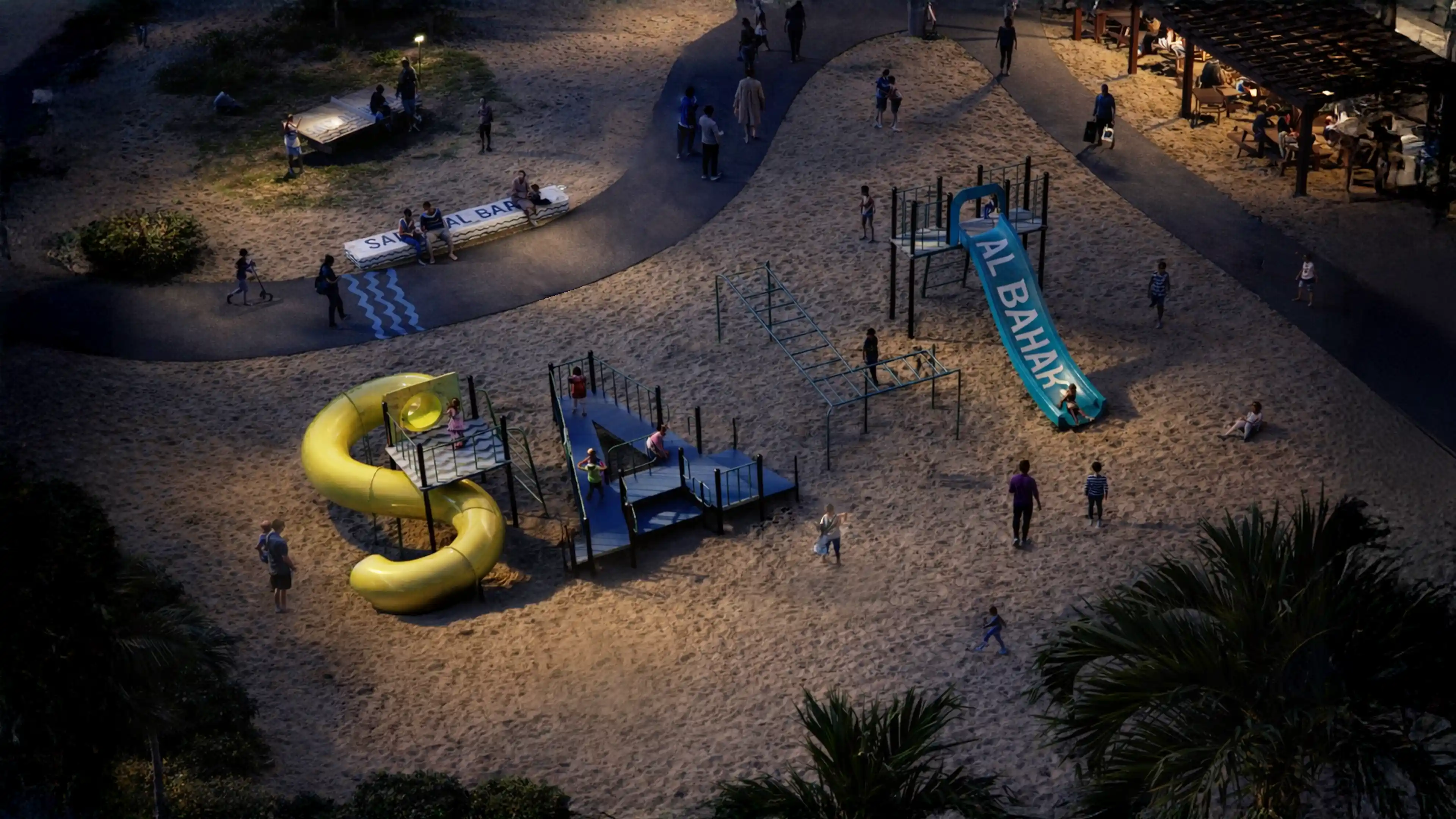
People experience environments through more than sight. Sound, scent, light, materiality and atmosphere influence how a place is understood, remembered and emotionally felt. LIMAH brings these sensory layers together to create built environments that calm, excite, guide, reassure and connect with the people who use them.
Explore Sensory Experience Design.
YEARS
PROJECTS
COUNTRIES
INTEGRATED HUMAN EXPERIENCE
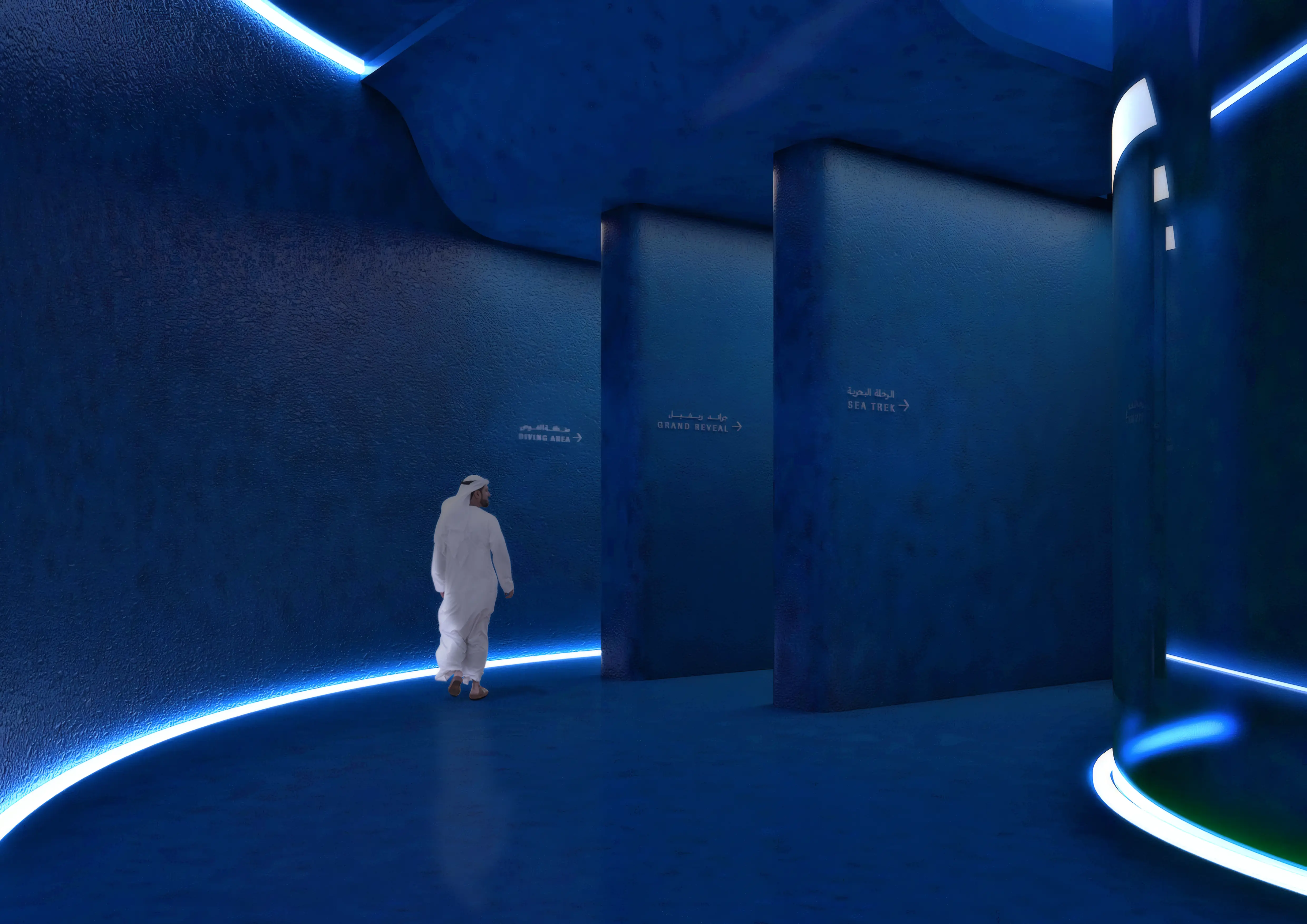

Sensory Experience Design is one pillar of LIMAH’s wider discipline of Built Environment Experience Design.
It connects architecture with human perception, emotion, memory and behaviour. It works alongside experience strategy, wayfinding, place identity, digital systems and technical delivery to shape the complete experience of place.
This is not decoration added after the design is complete. It is the deliberate use of sensory cues to support how people move, feel comfortable, recognise identity and form lasting memories.
By designing these layers together, LIMAH helps clients create environments that are functional, distinctive and emotionally meaningful.
Every environment creates a feeling.
A transport hub can feel calm or overwhelming. A hospital can reassure or increase anxiety. A hotel can feel memorable or generic. A cultural destination can invite curiosity or create distance.
These responses are shaped by sound, light, materiality, scent, temperature, spatial rhythm and sensory intensity.
When these elements are treated as separate decisions, the experience becomes fragmented. When they are considered as one connected system, they can support movement, strengthen identity and improve comfort.
LIMAH designs the sensory logic of place.
We define what people should feel, where that feeling should change and how sensory cues can support architecture, operations, brand and the user journey.
The result is a place that communicates before a sign is read and remains in memory after the visit is over.
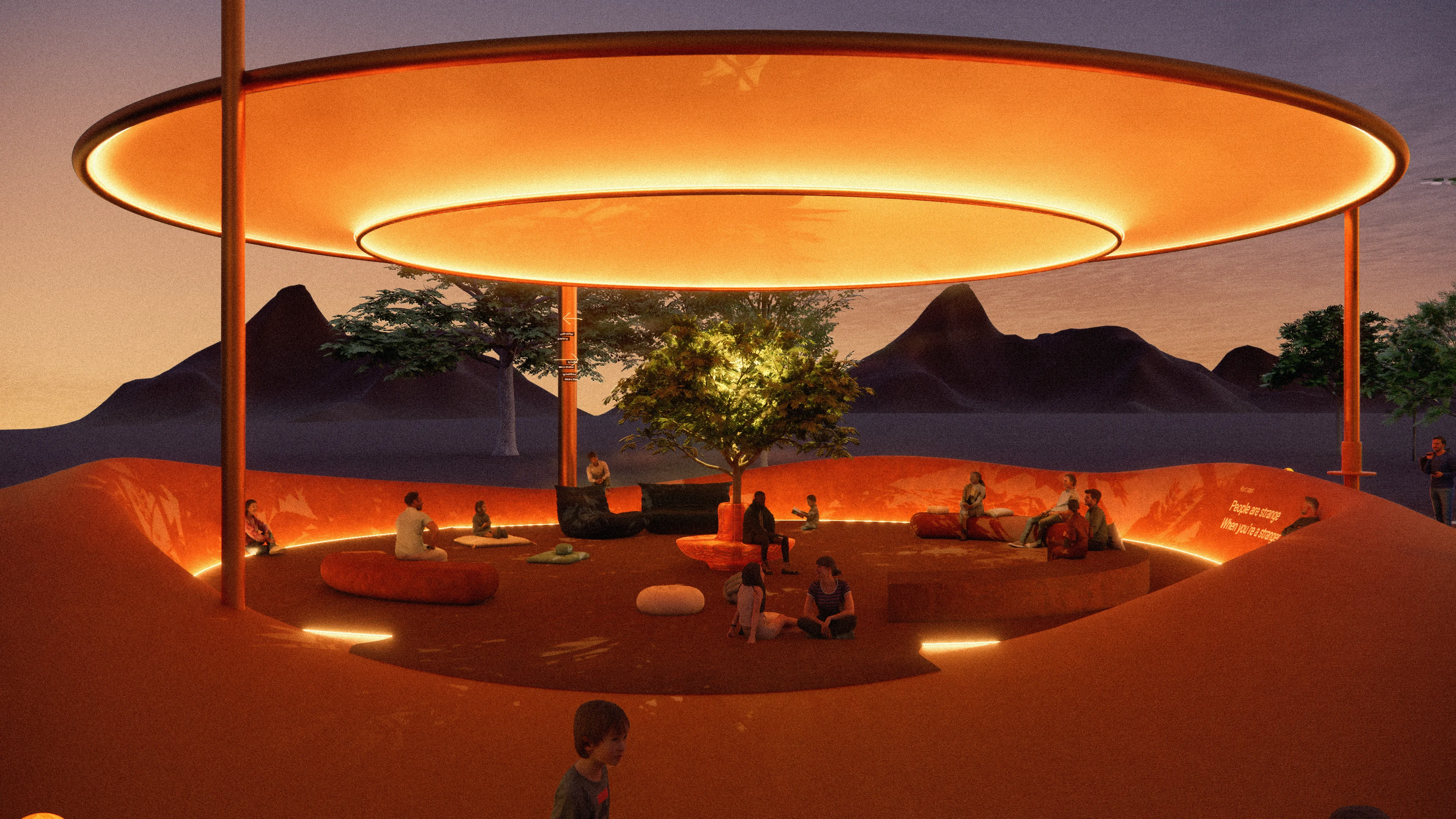
Sensory Experience Design turns functional environments into places people can understand, trust and remember.
It can create:
The objective is not more stimulation. It is the right cues, in the right places, for the right human response.
We define the intended experience, project objectives, user needs and operational realities.
We assess the environment, identifying sensory opportunities, conflicts and moments of friction.
We develop integrated sound, scent, light, material and atmosphere concepts for key spaces and touchpoints.
We align architects, interior designers, engineers, operators, brand teams and specialist suppliers.
We support documentation, implementation and review so the intended experience survives delivery.
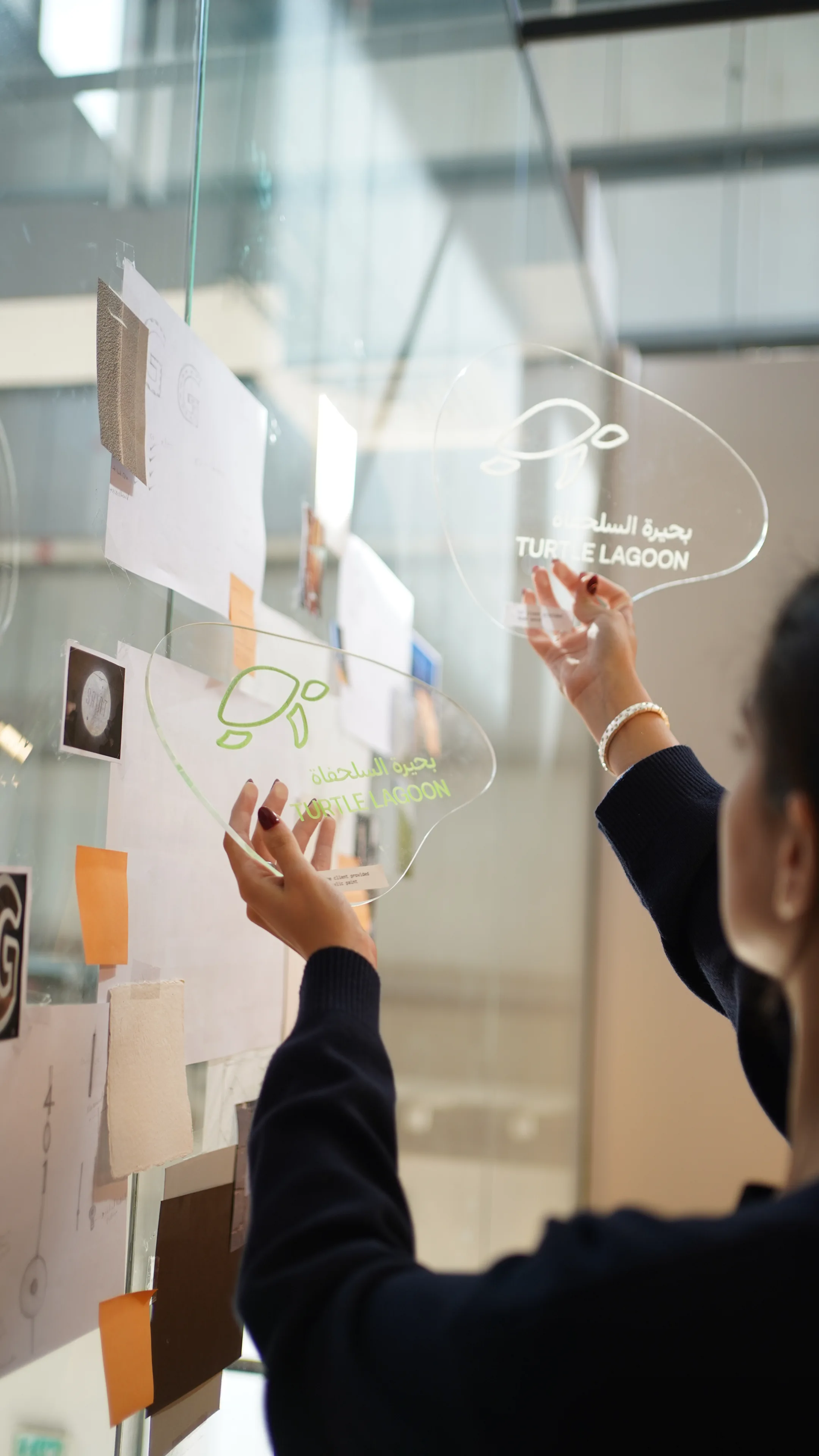
LIMAH has spent more than 19 years designing how people experience complex built environments.
Across 500+ projects in 37+ countries, our Dubai-based international studio has worked across transport, cities, hospitality, culture, retail, healthcare, education, sports, residential and mixed-use developments.
That experience matters because sensory design cannot be separated from the wider project. Sound must respond to architecture and operations. Lighting must support movement and orientation. Materiality must connect with identity and behaviour. Atmospheric systems must work with technical requirements, maintenance and changing use over time.
Our multidisciplinary team connects experience strategy, user journeys, spatial logic, wayfinding, place identity, sensory design, digital systems, coordination, documentation and delivery.
We understand the creative ambition and the complexity required to make it real.
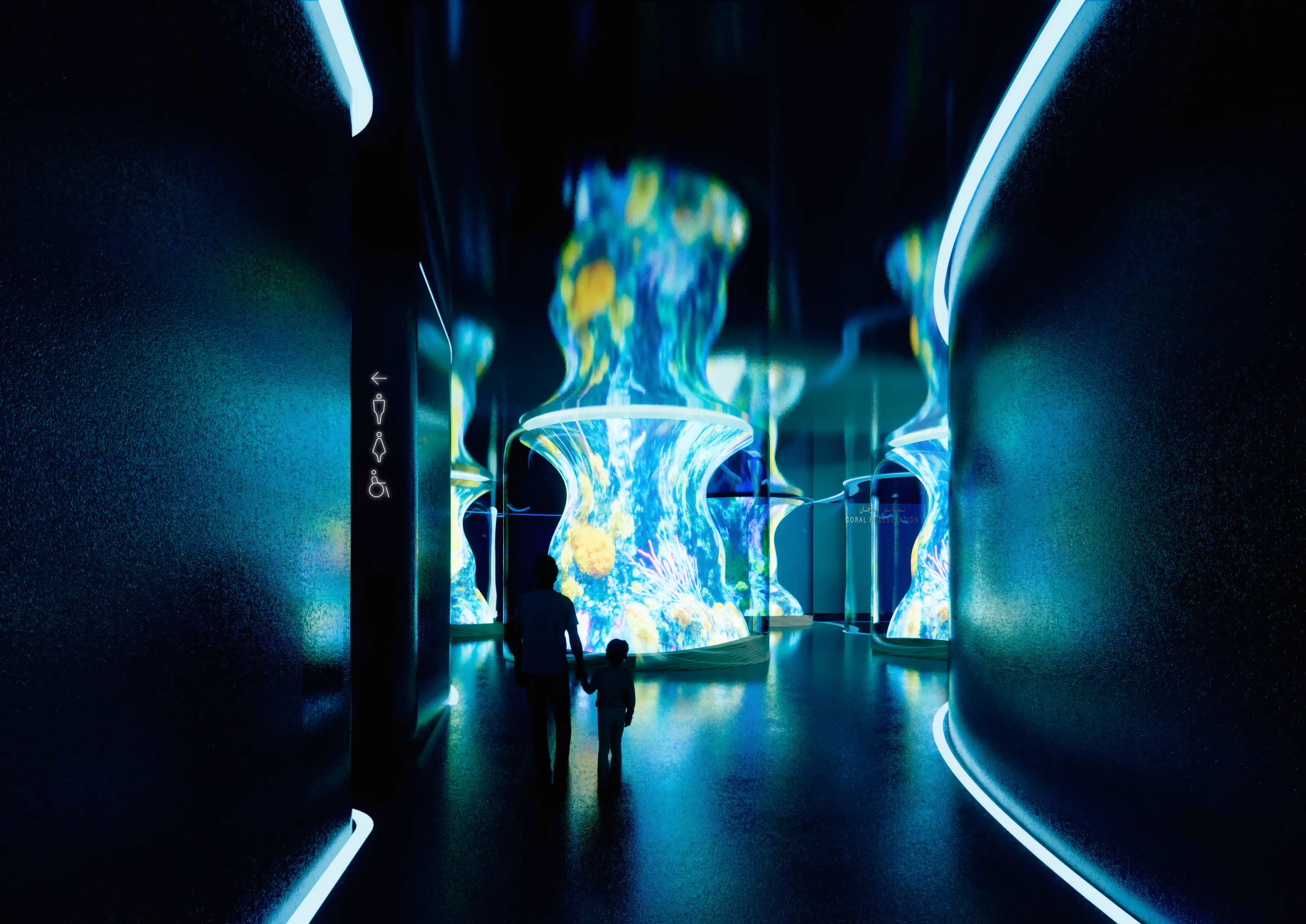
Sensory Experience Design is especially valuable where experience, identity, comfort and movement must work together across multiple spaces and user groups.
Better sensory experience creates better places.
Places that feel calmer.
Places that communicate more clearly.
Places that support movement and orientation.
Places that reduce stress.
Places that express identity.
Places that people recognise and remember.
Places that respond to human needs.
Places that create emotional connection.
Sensory design changes the experience before people consciously understand why.