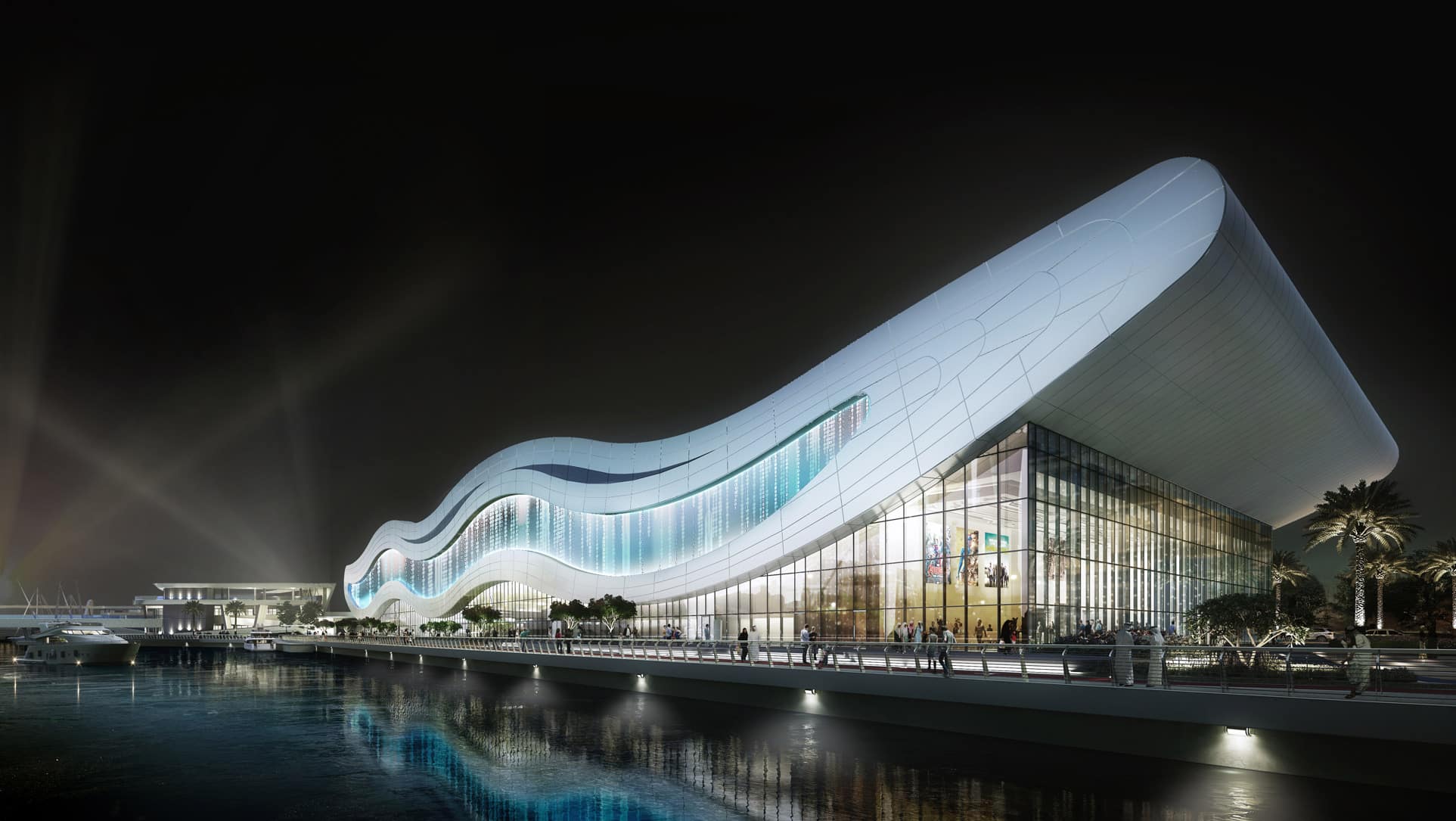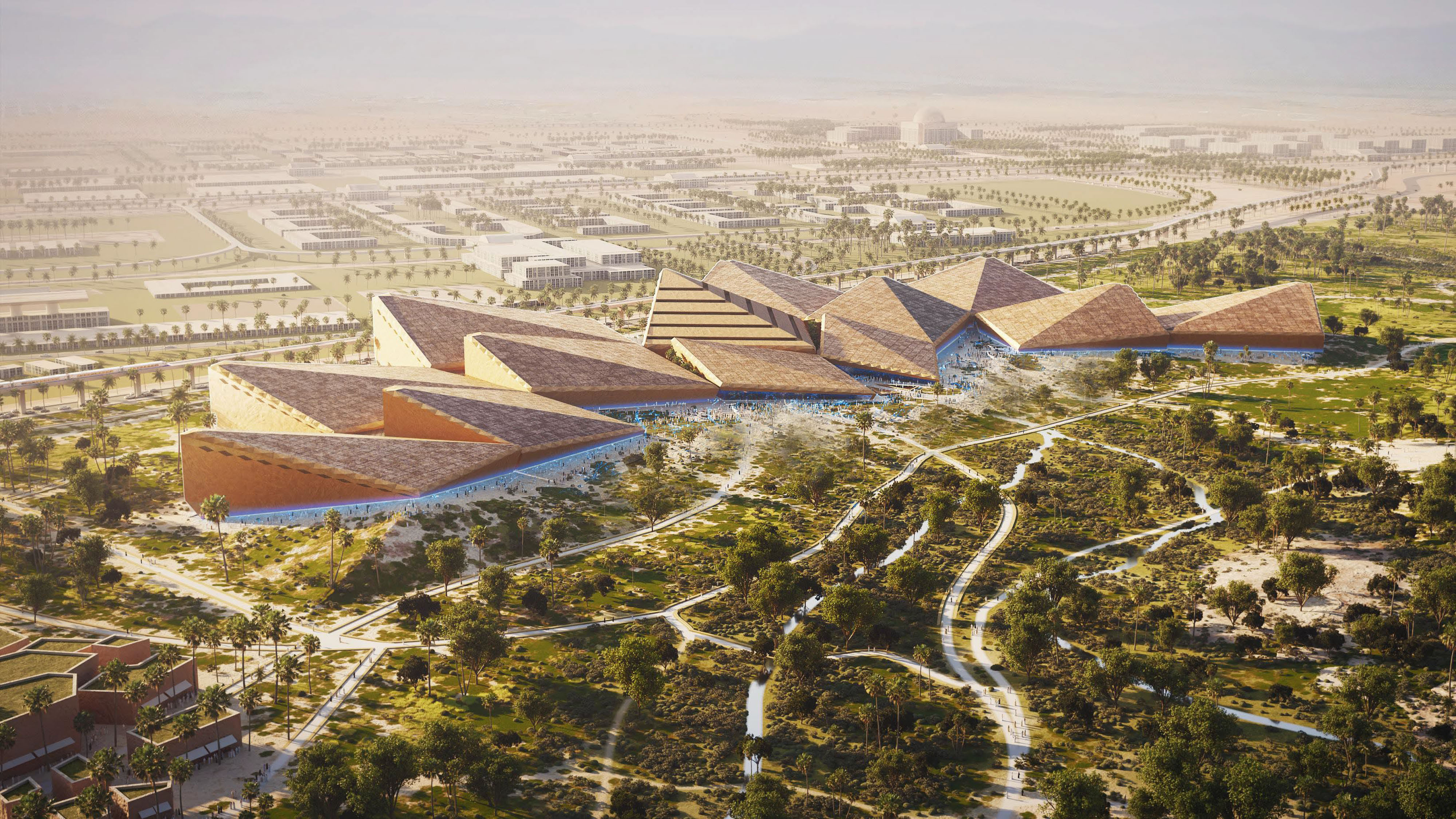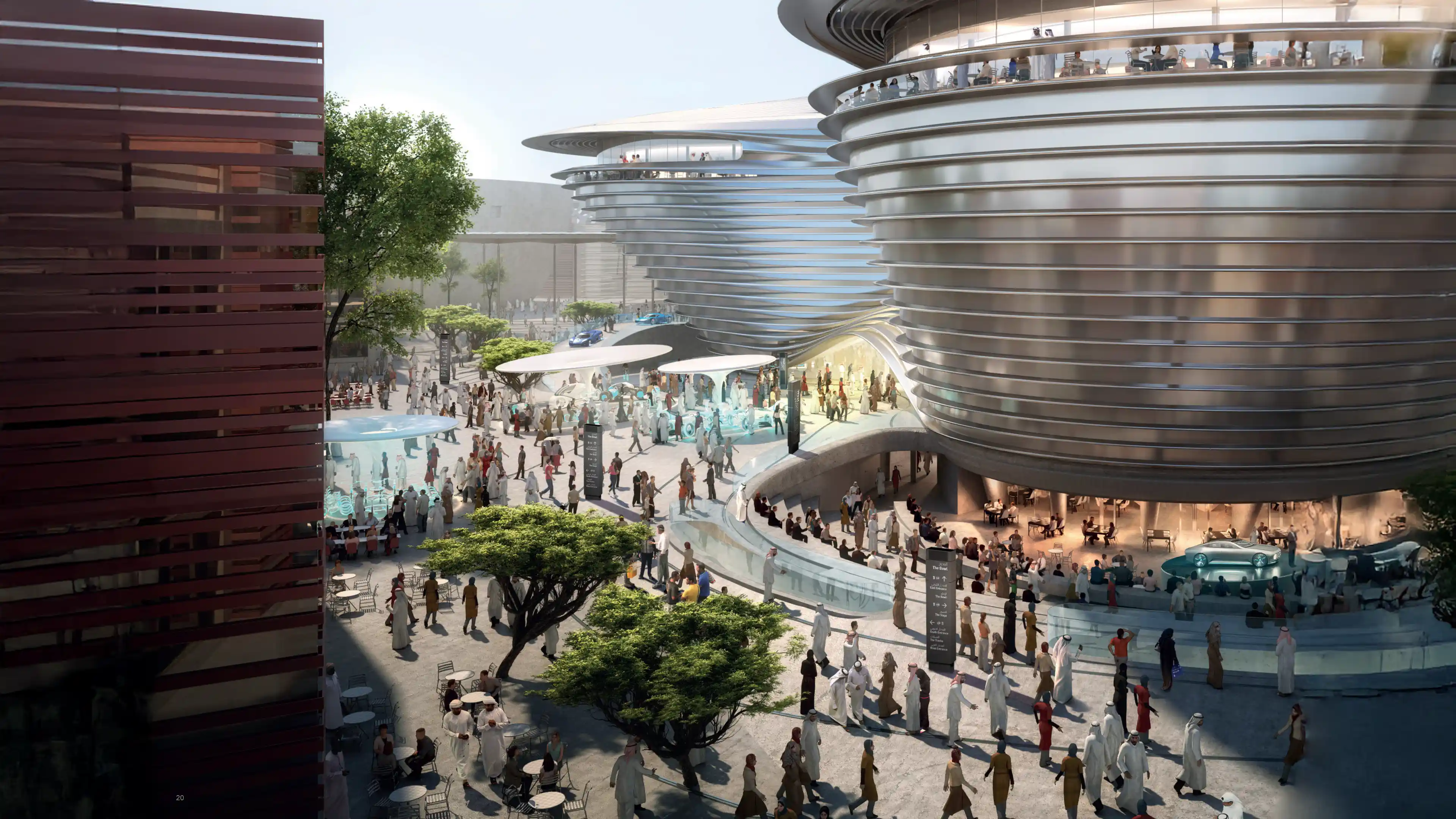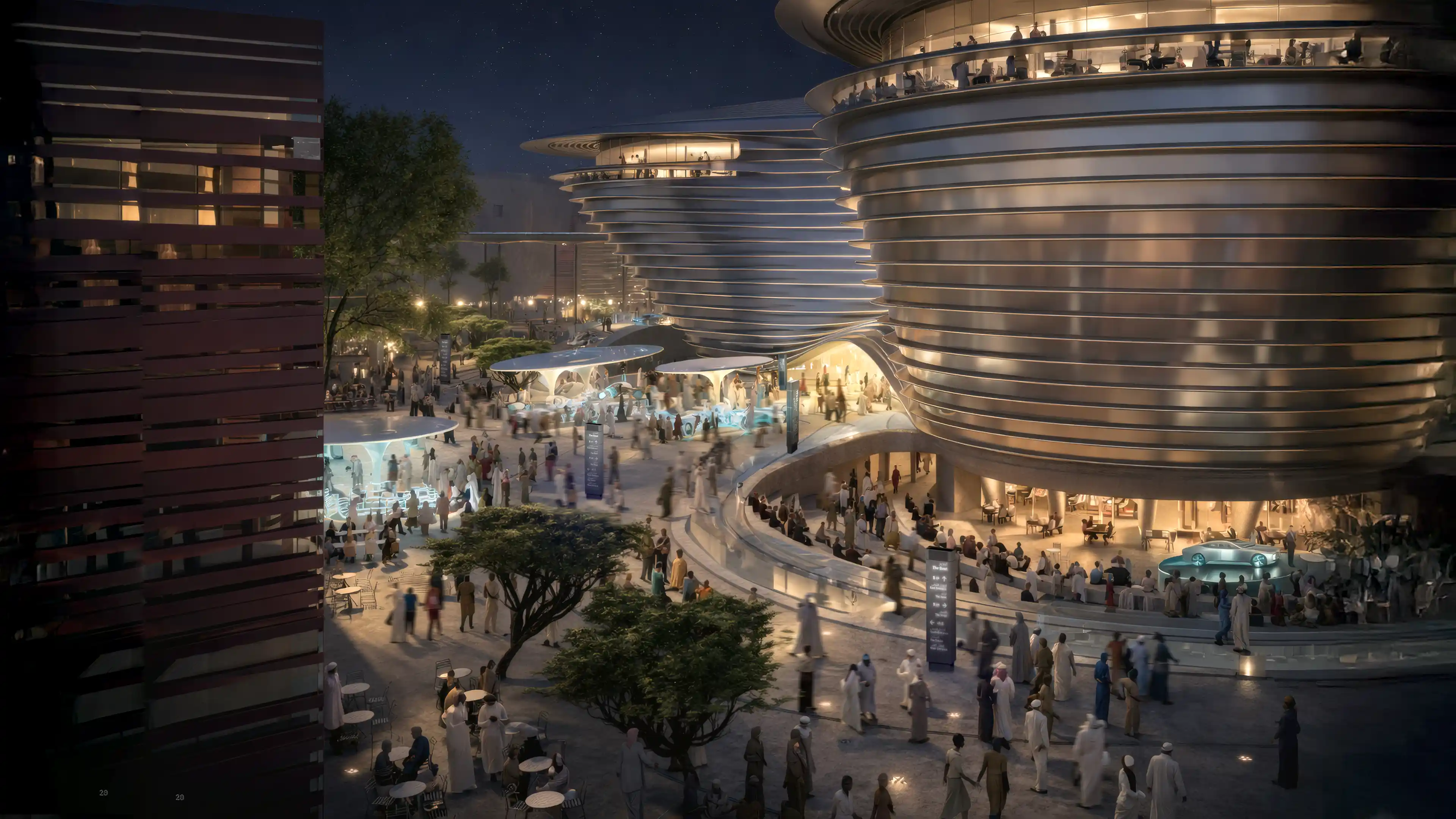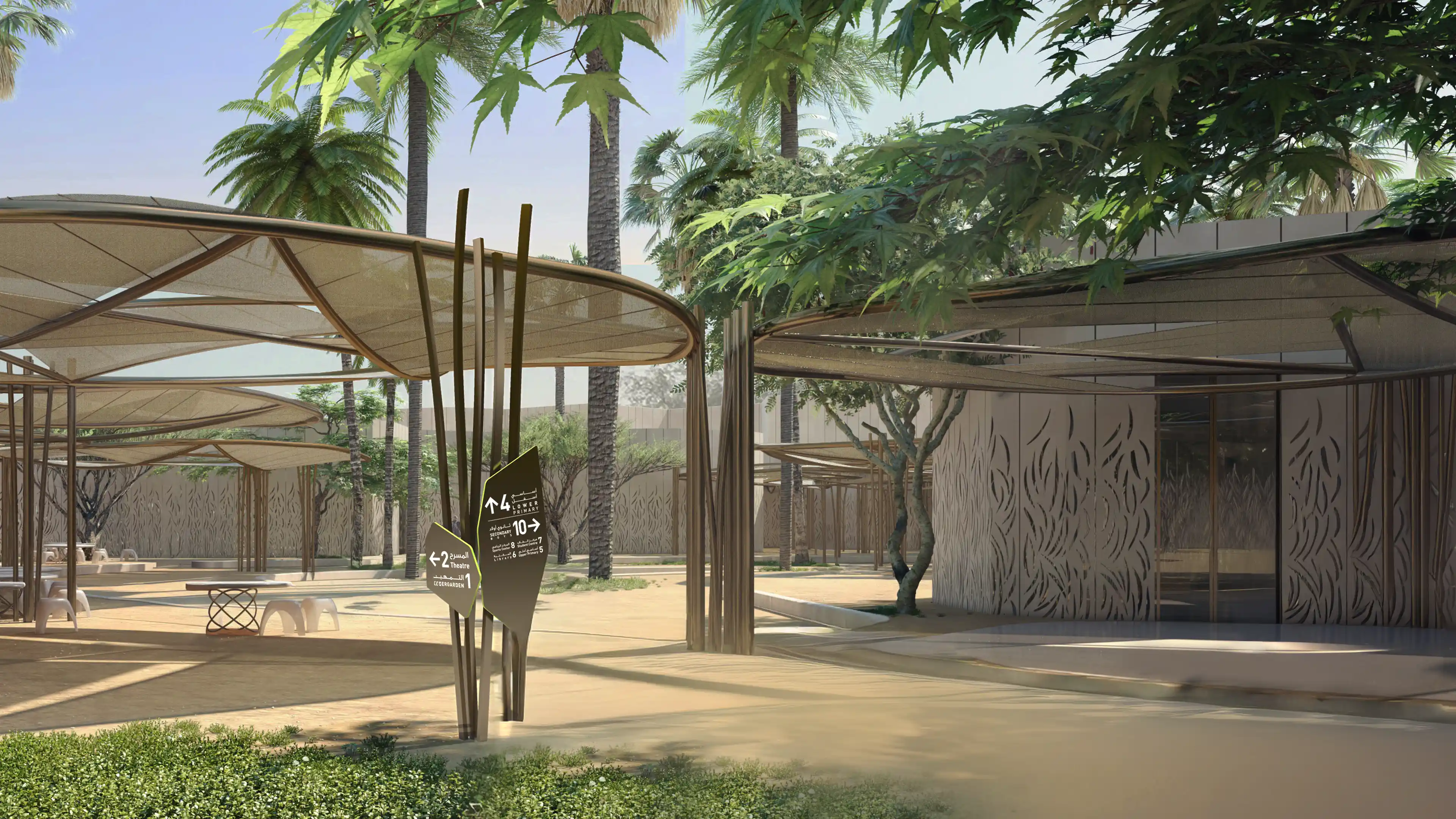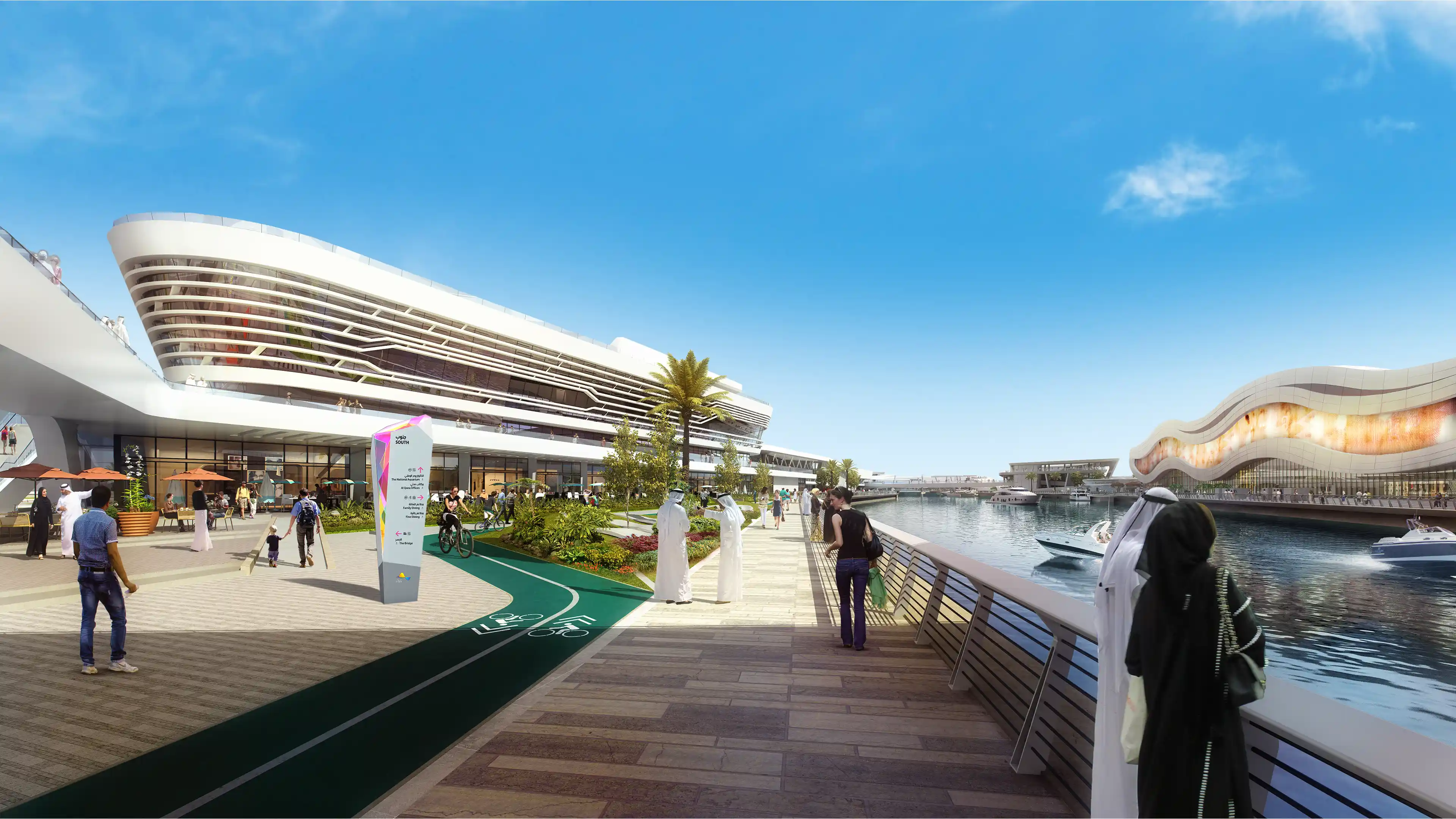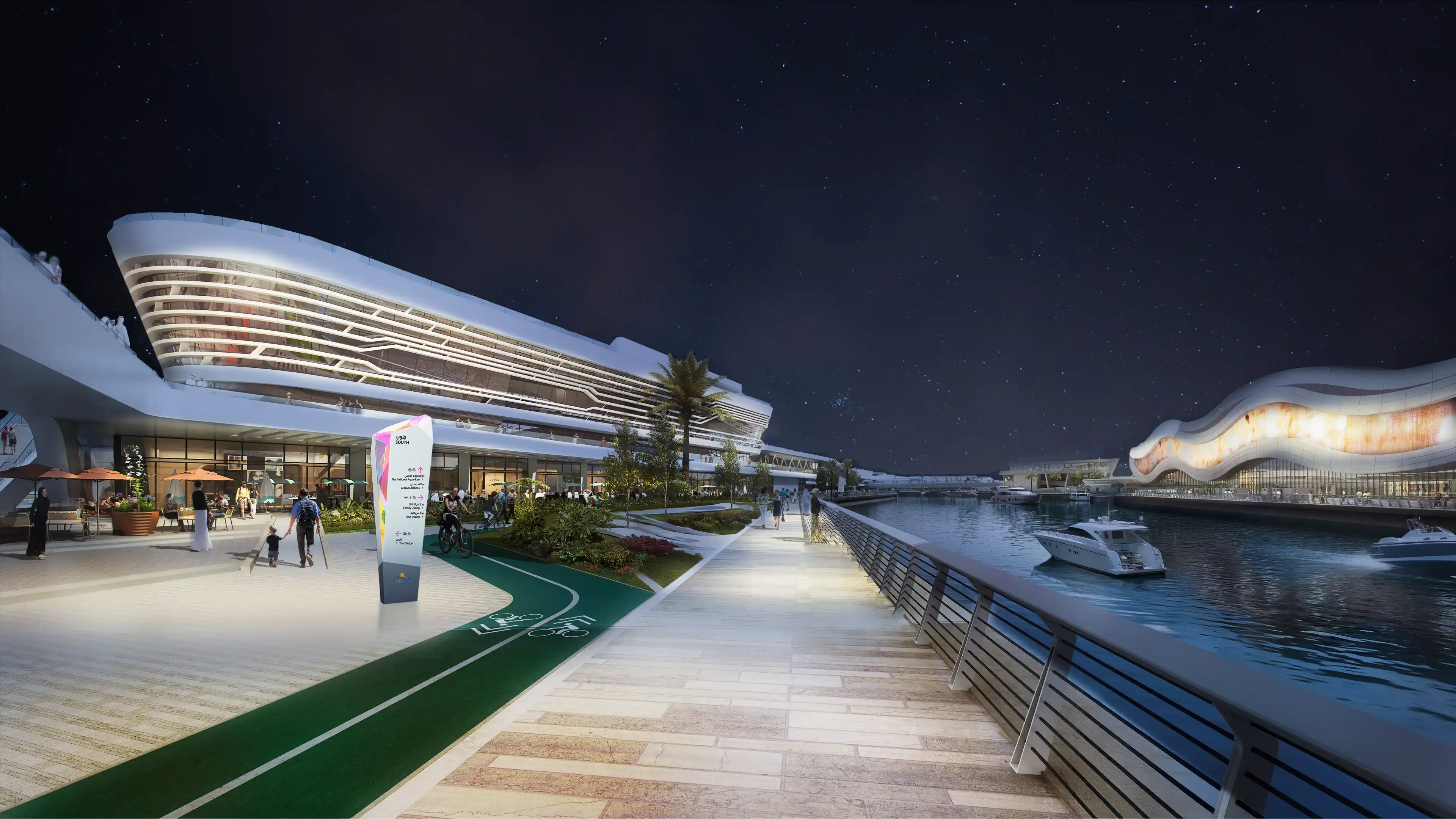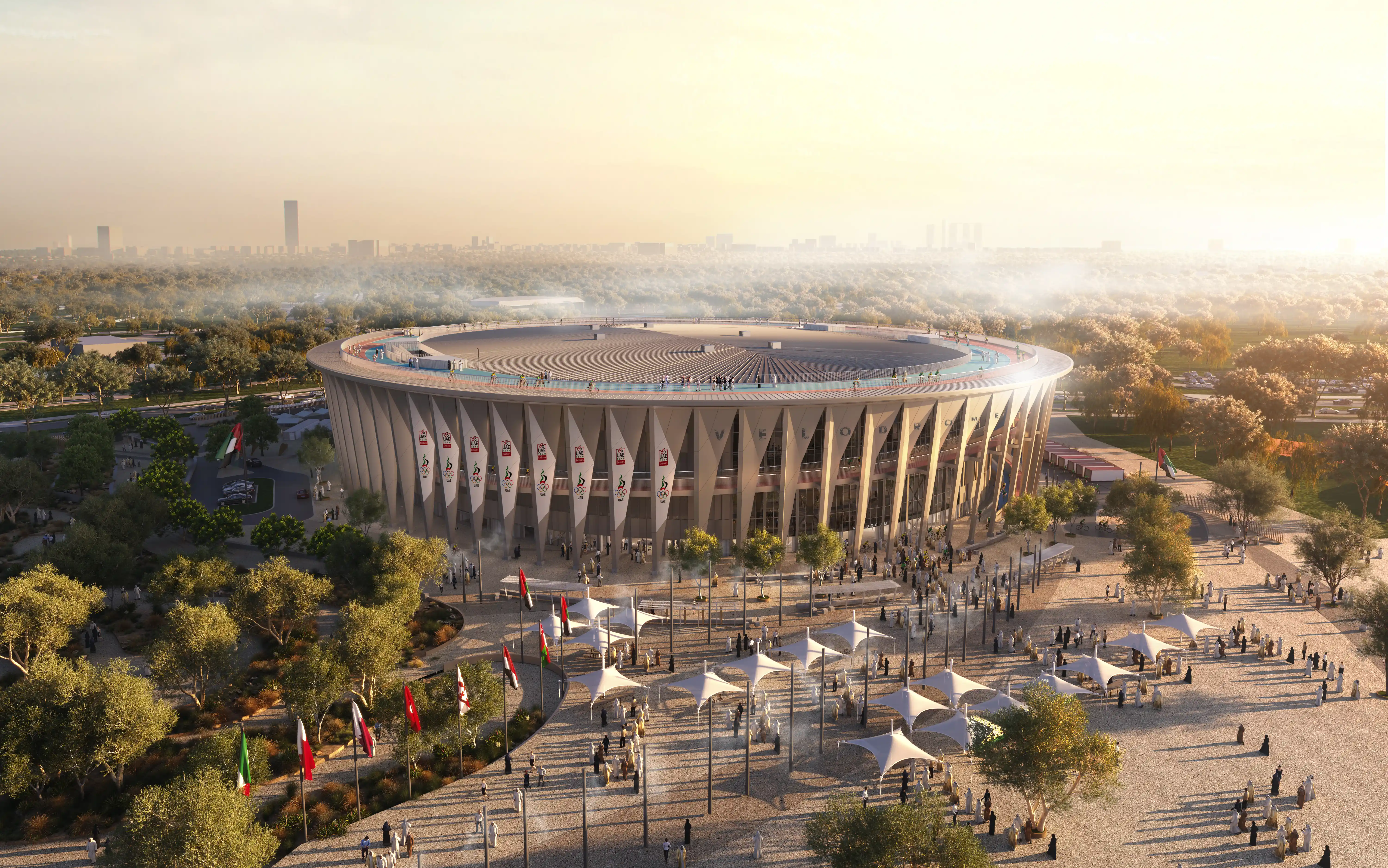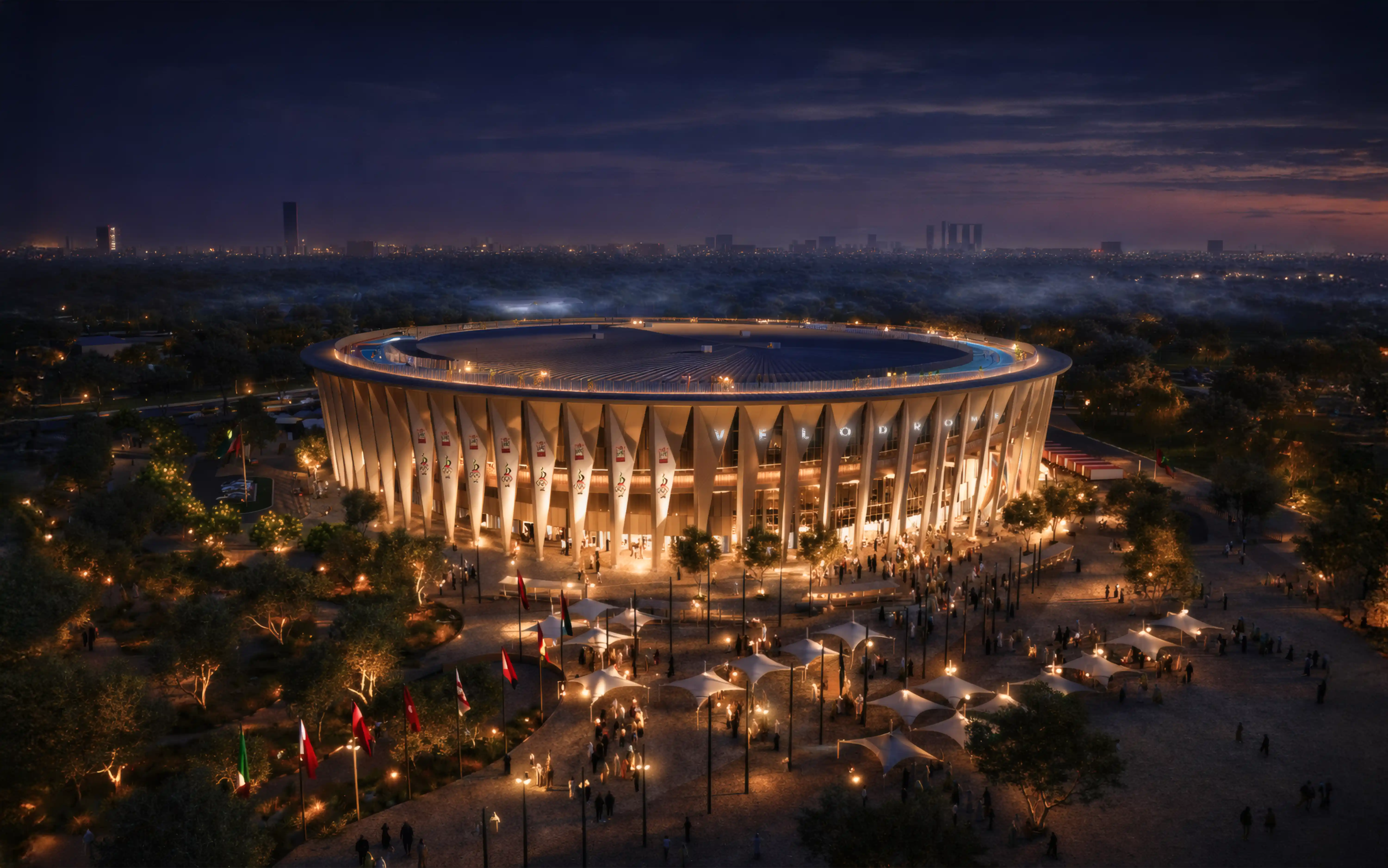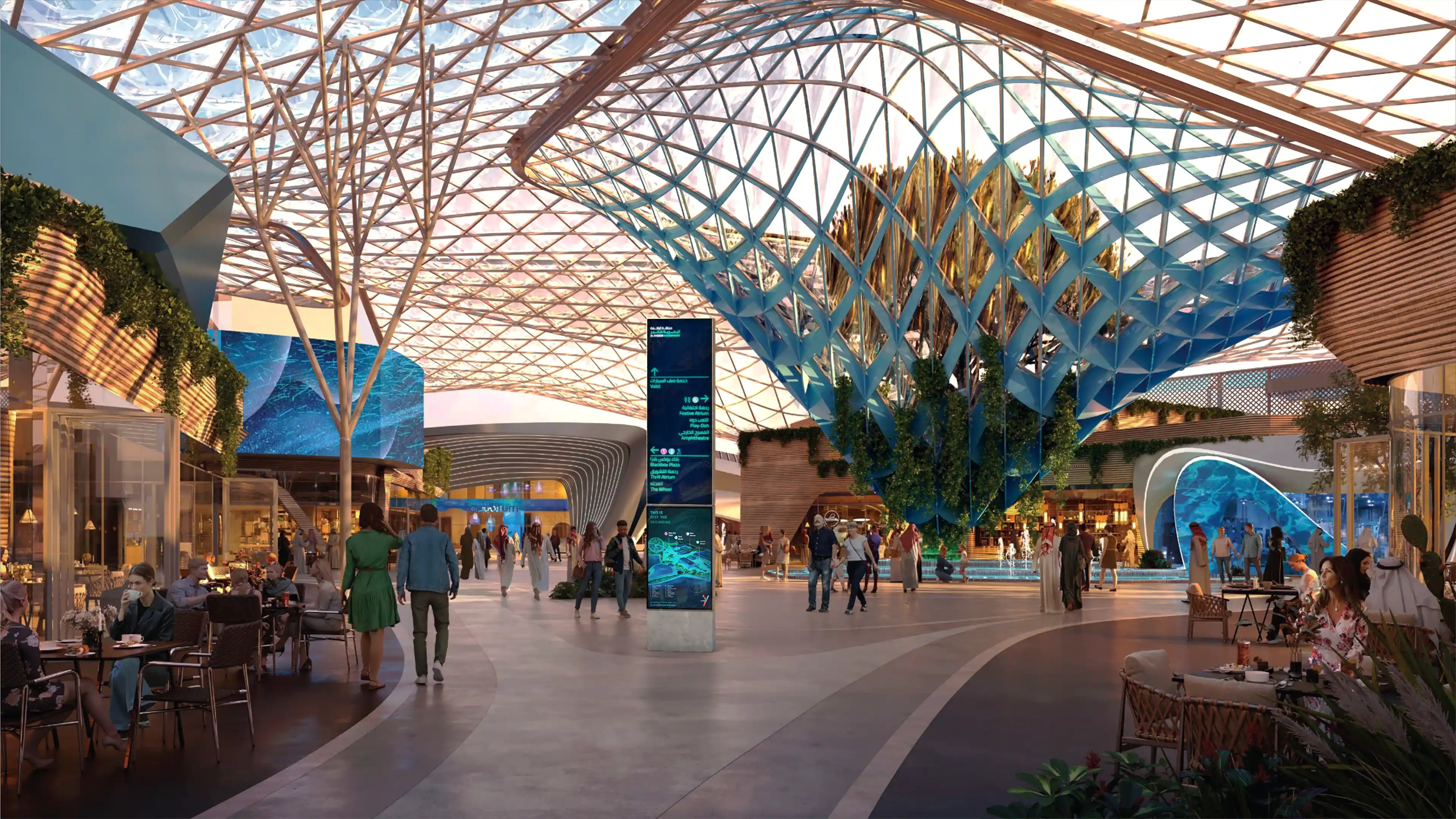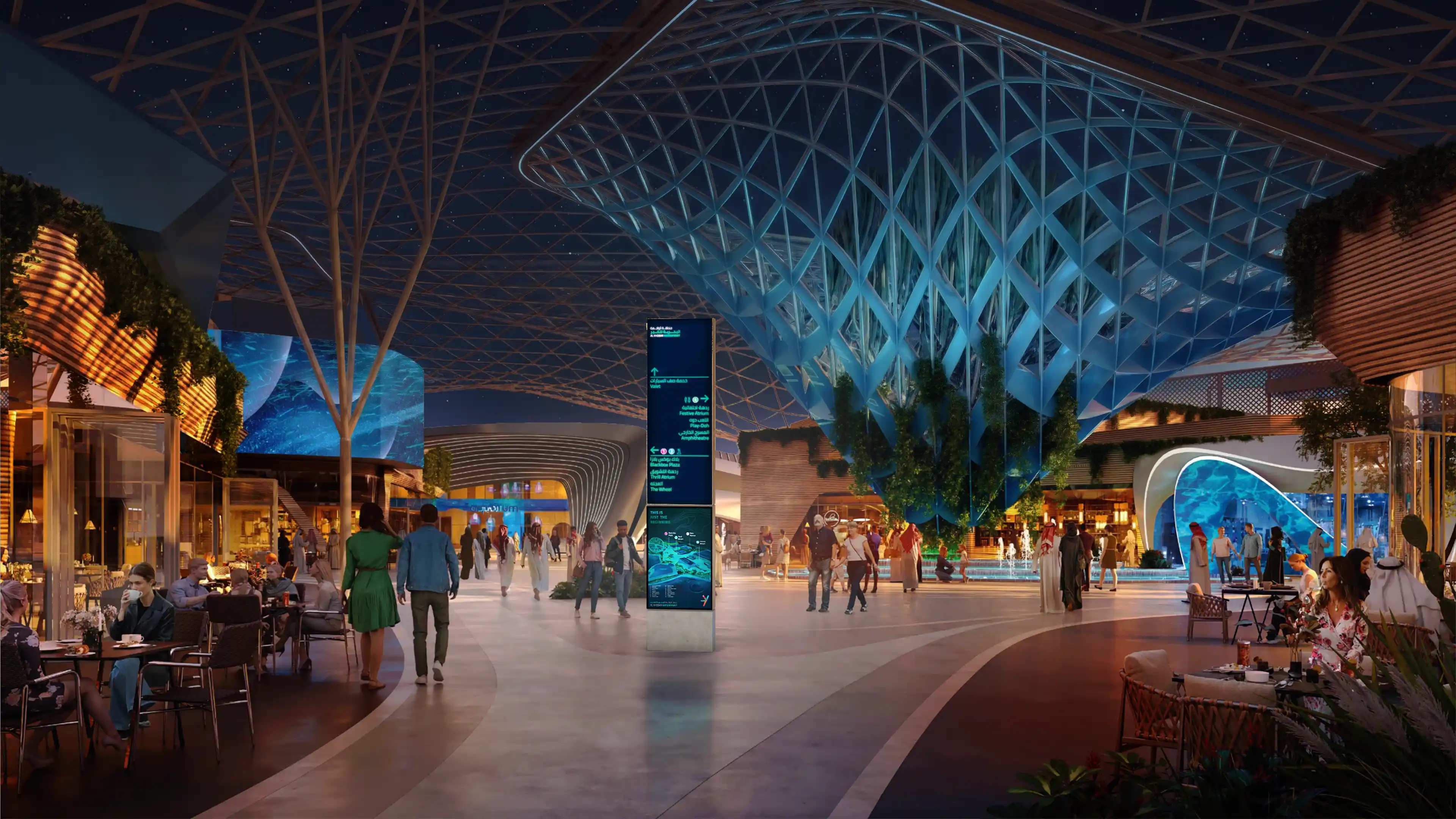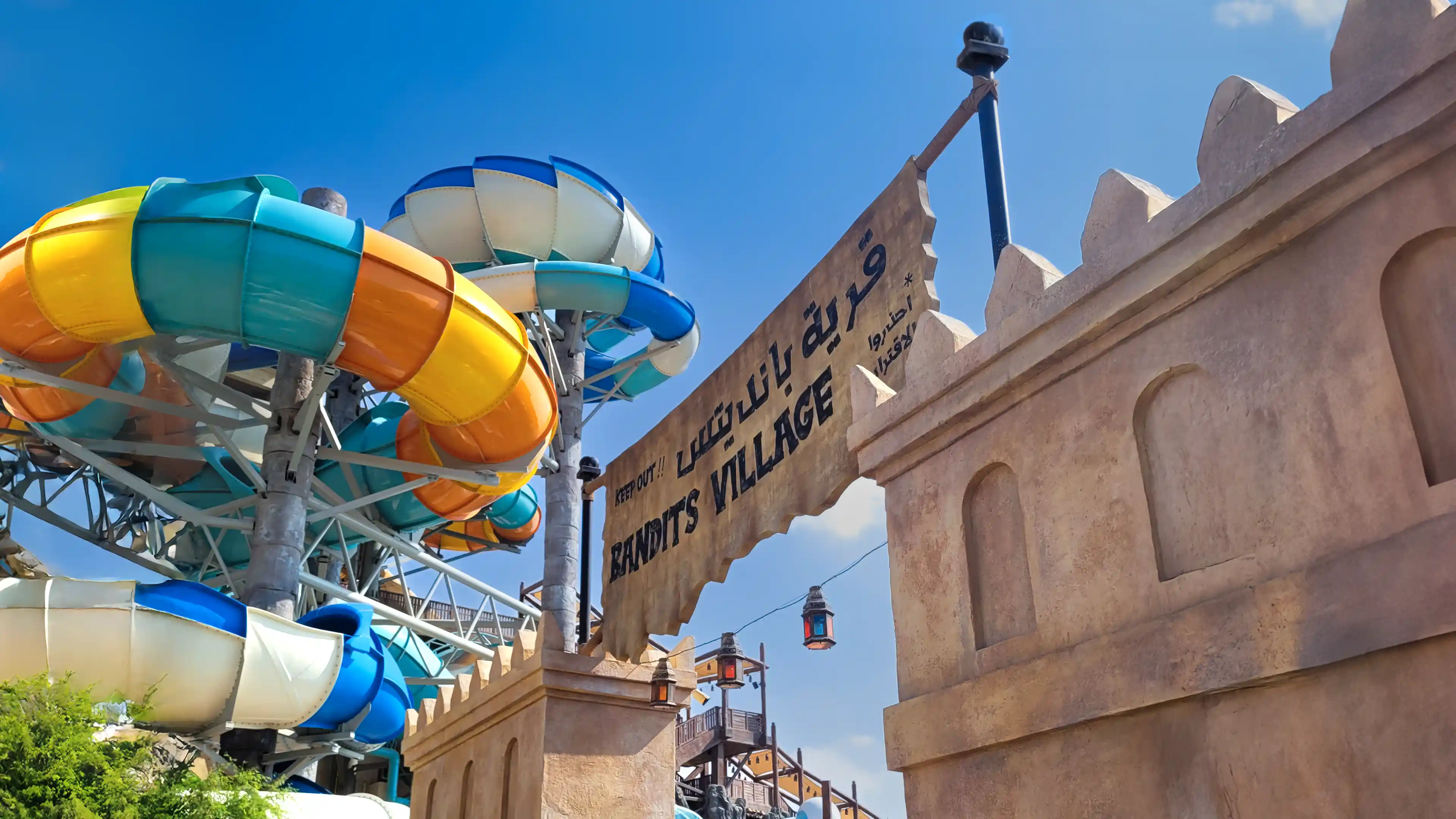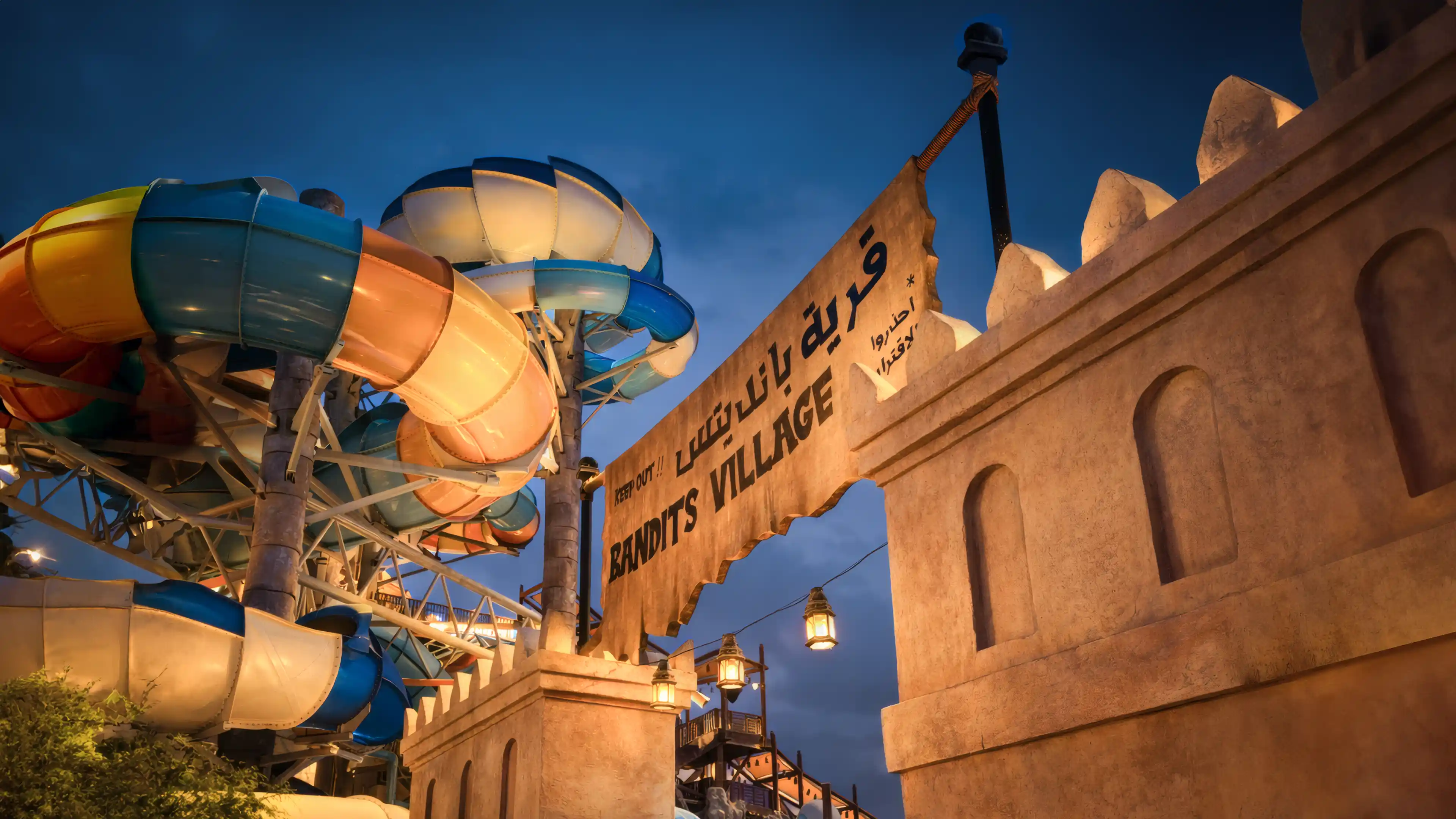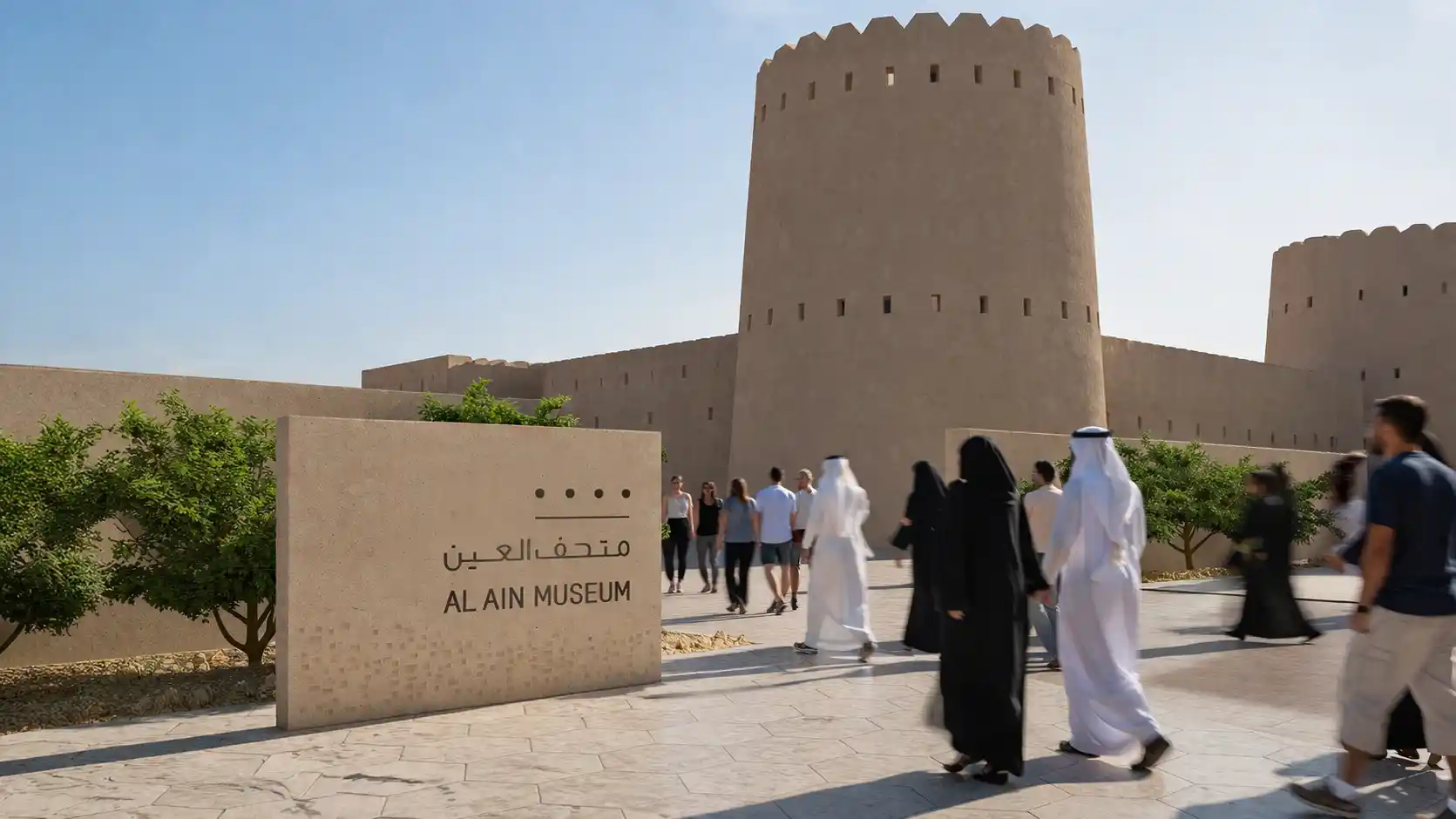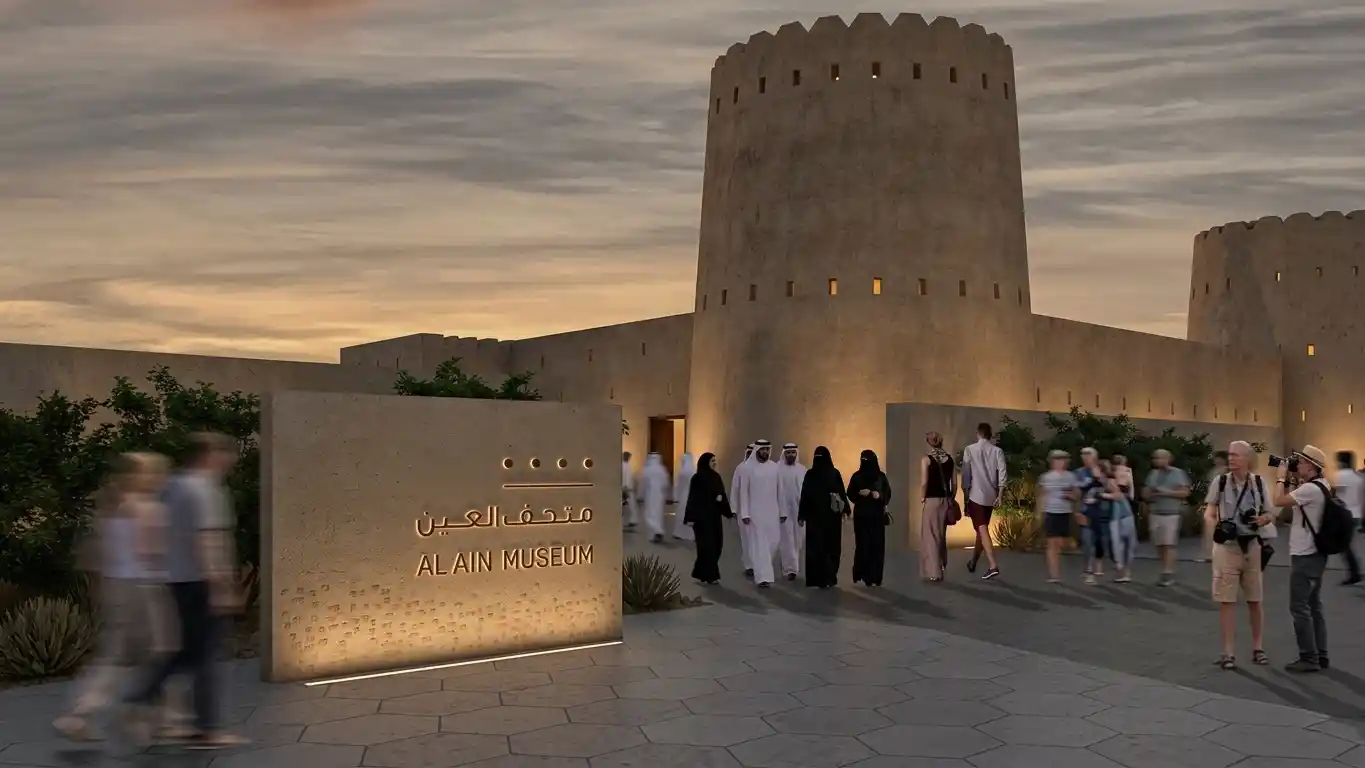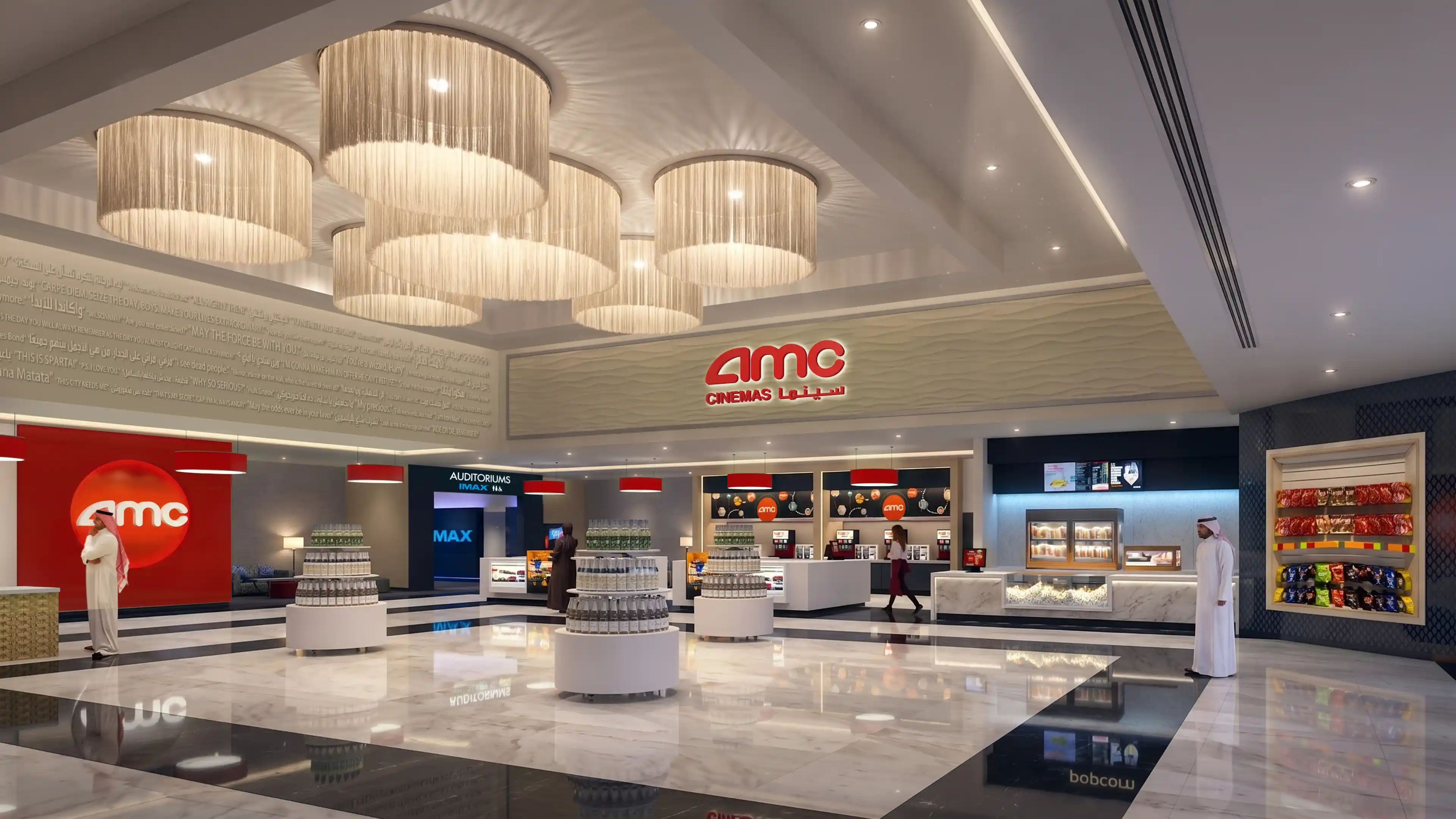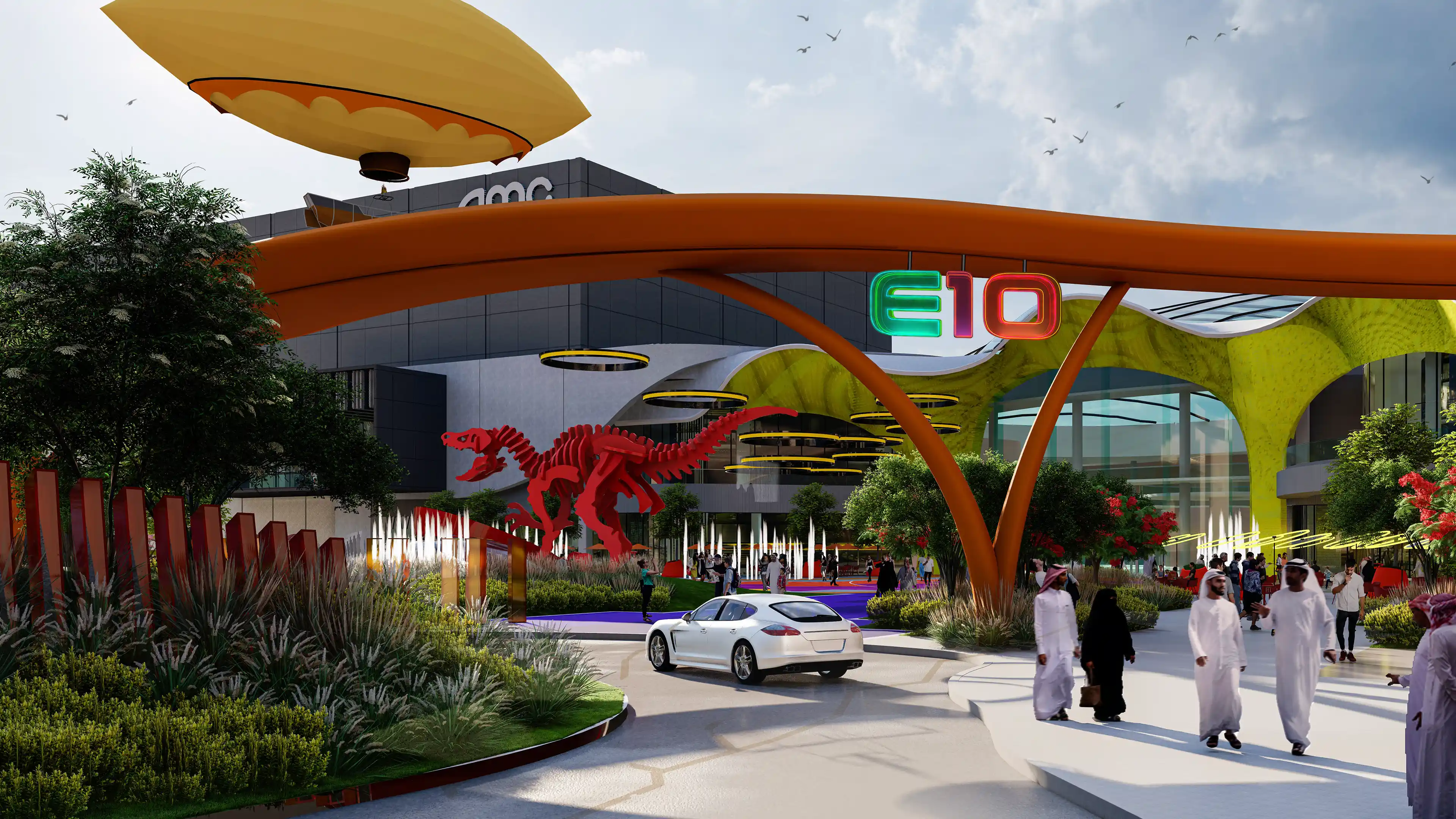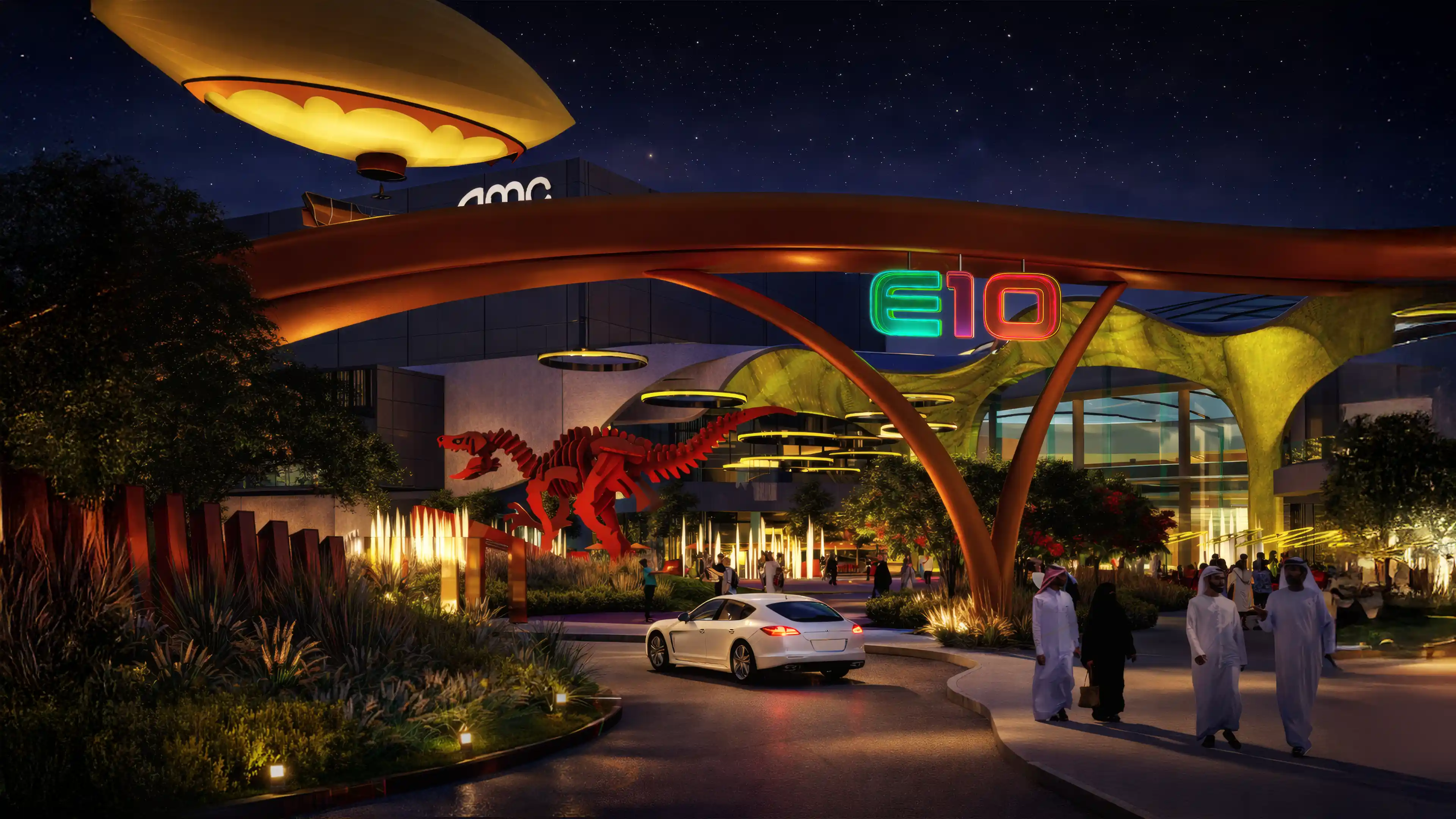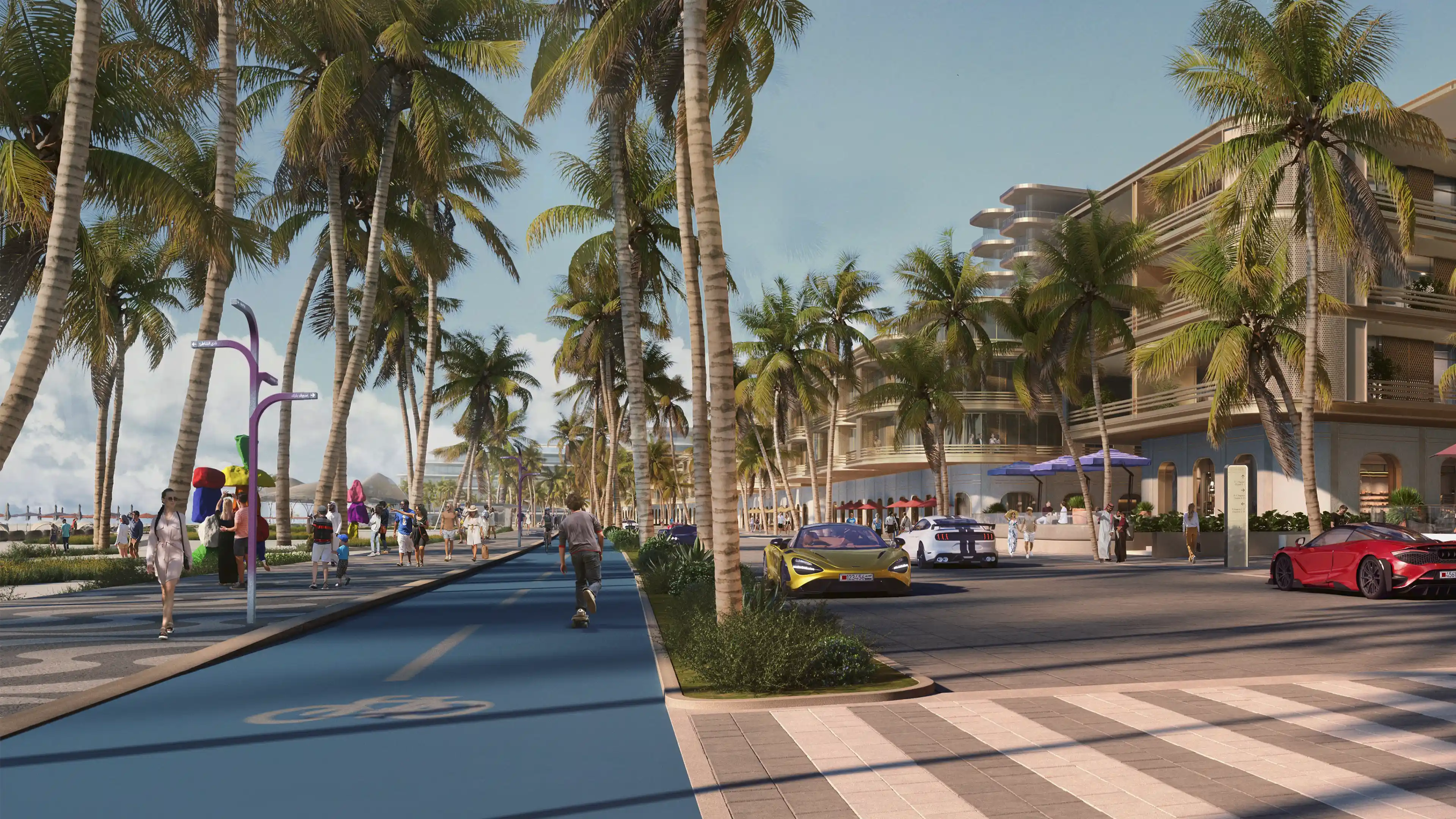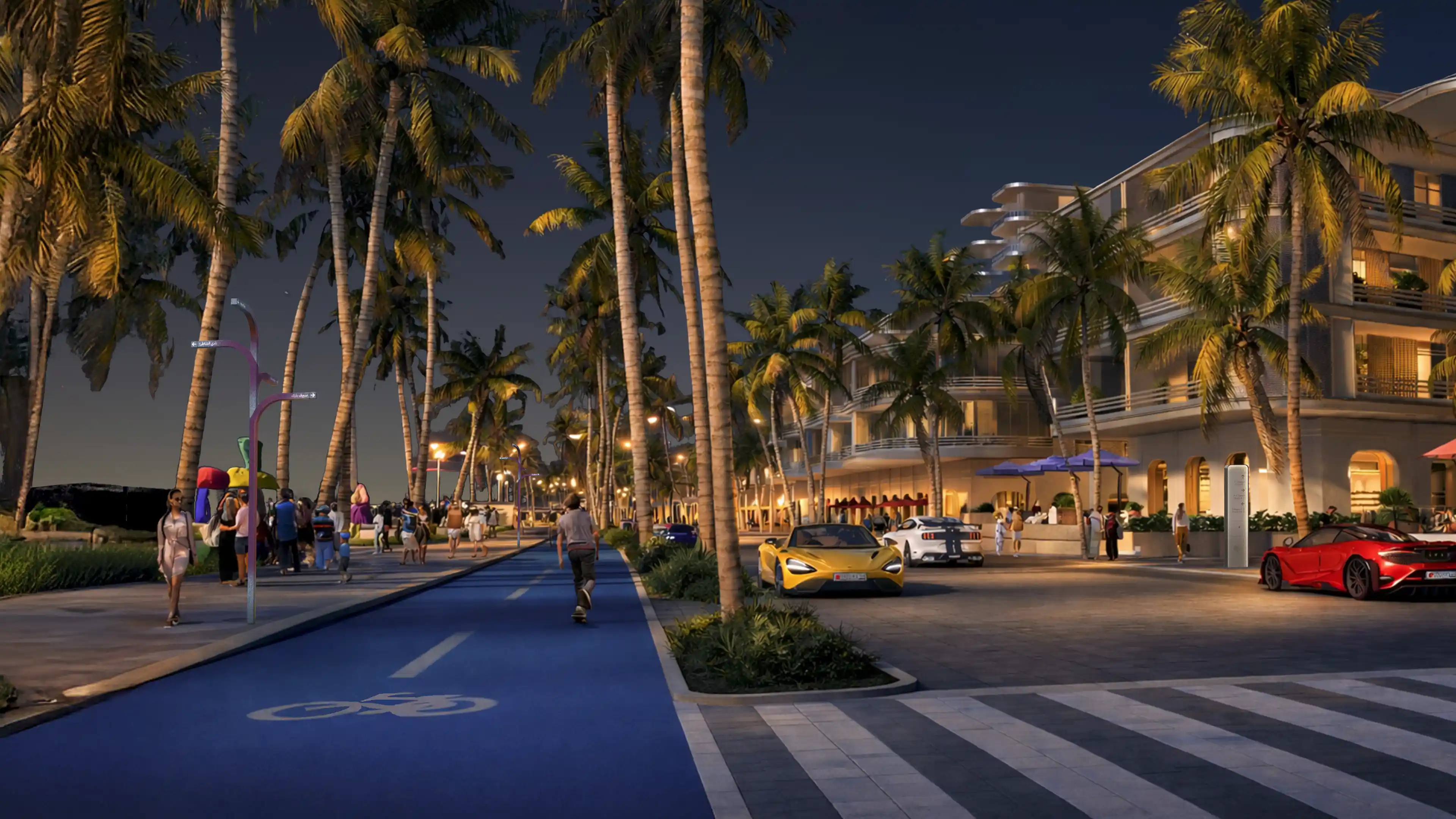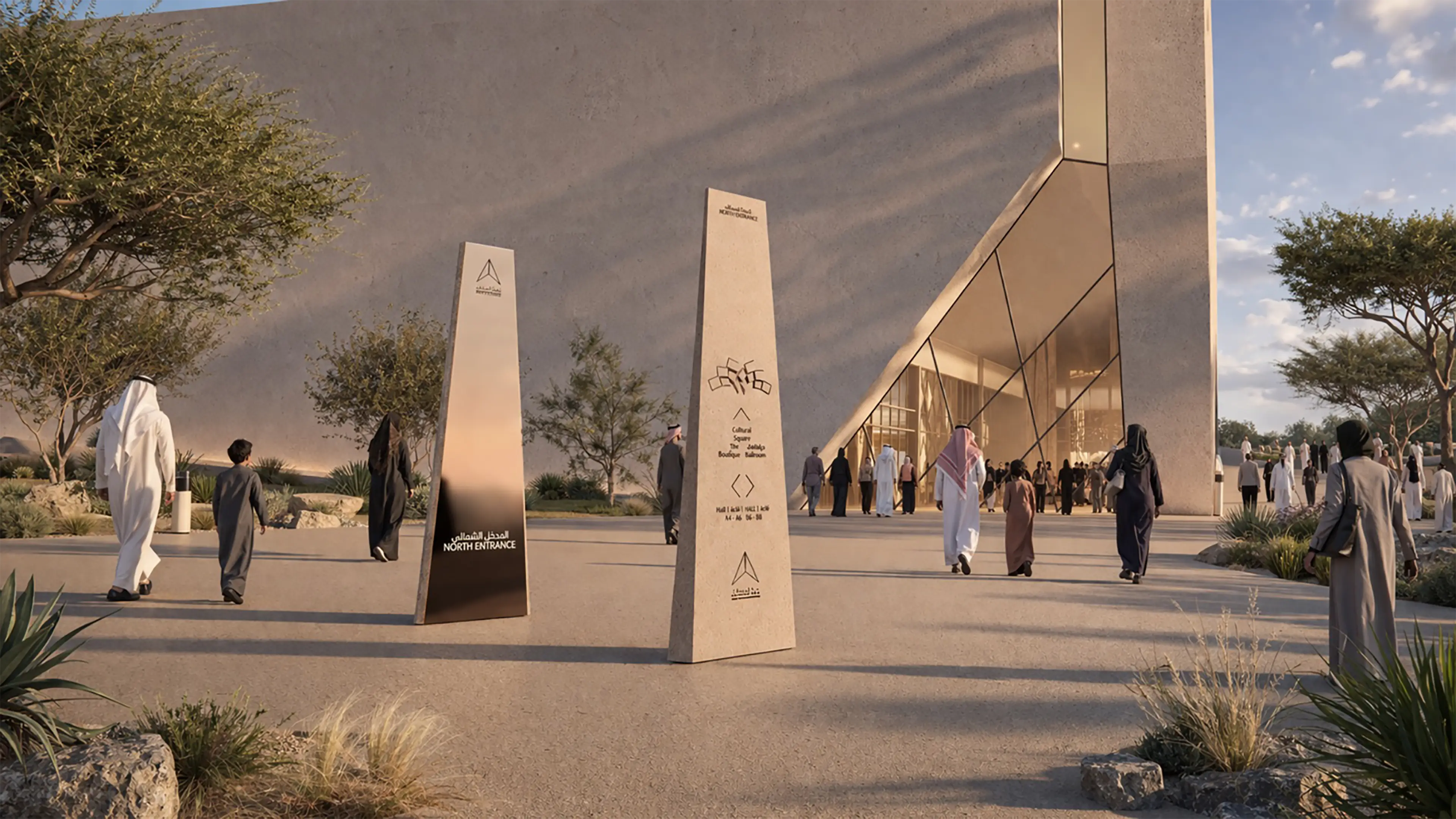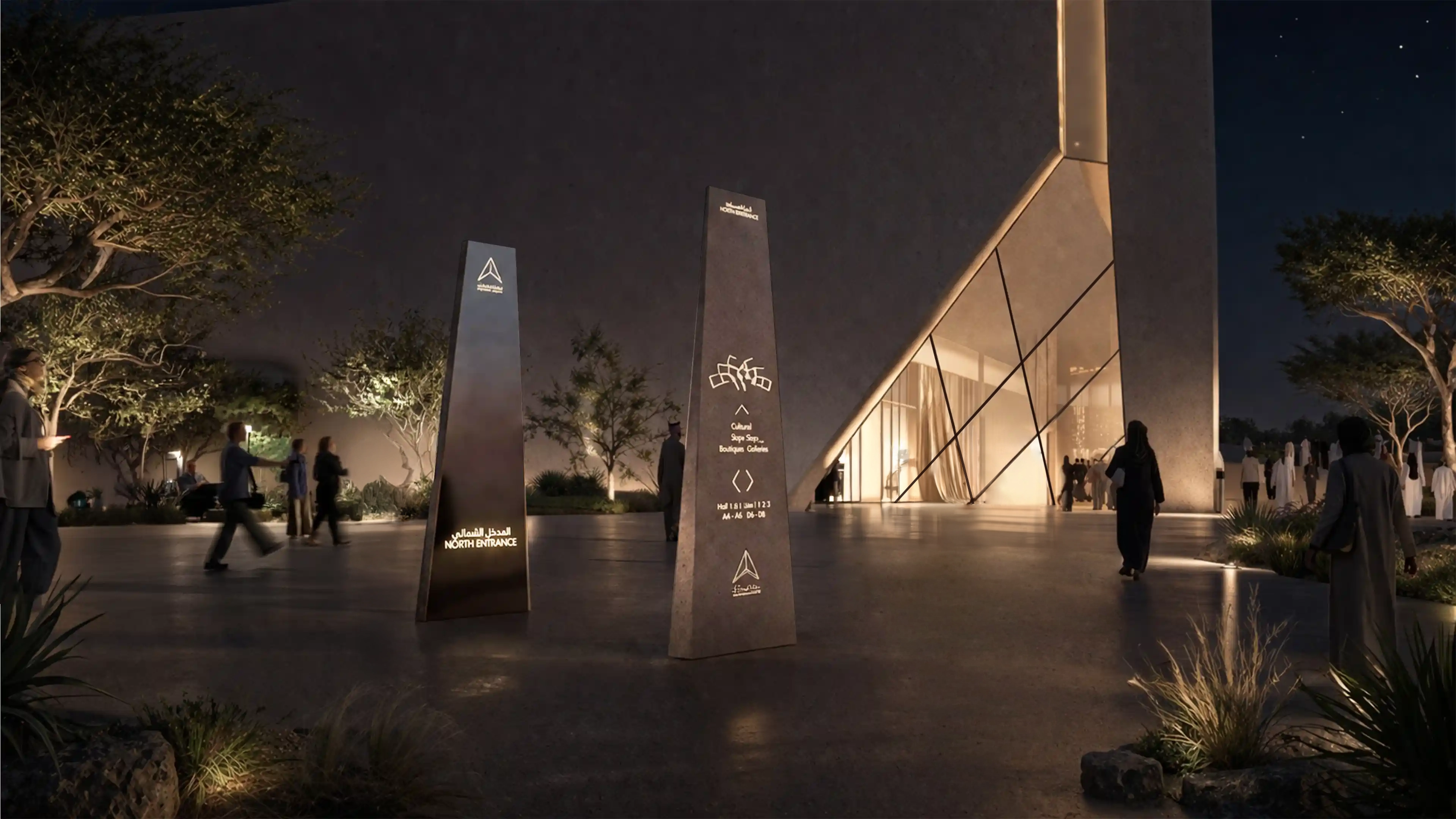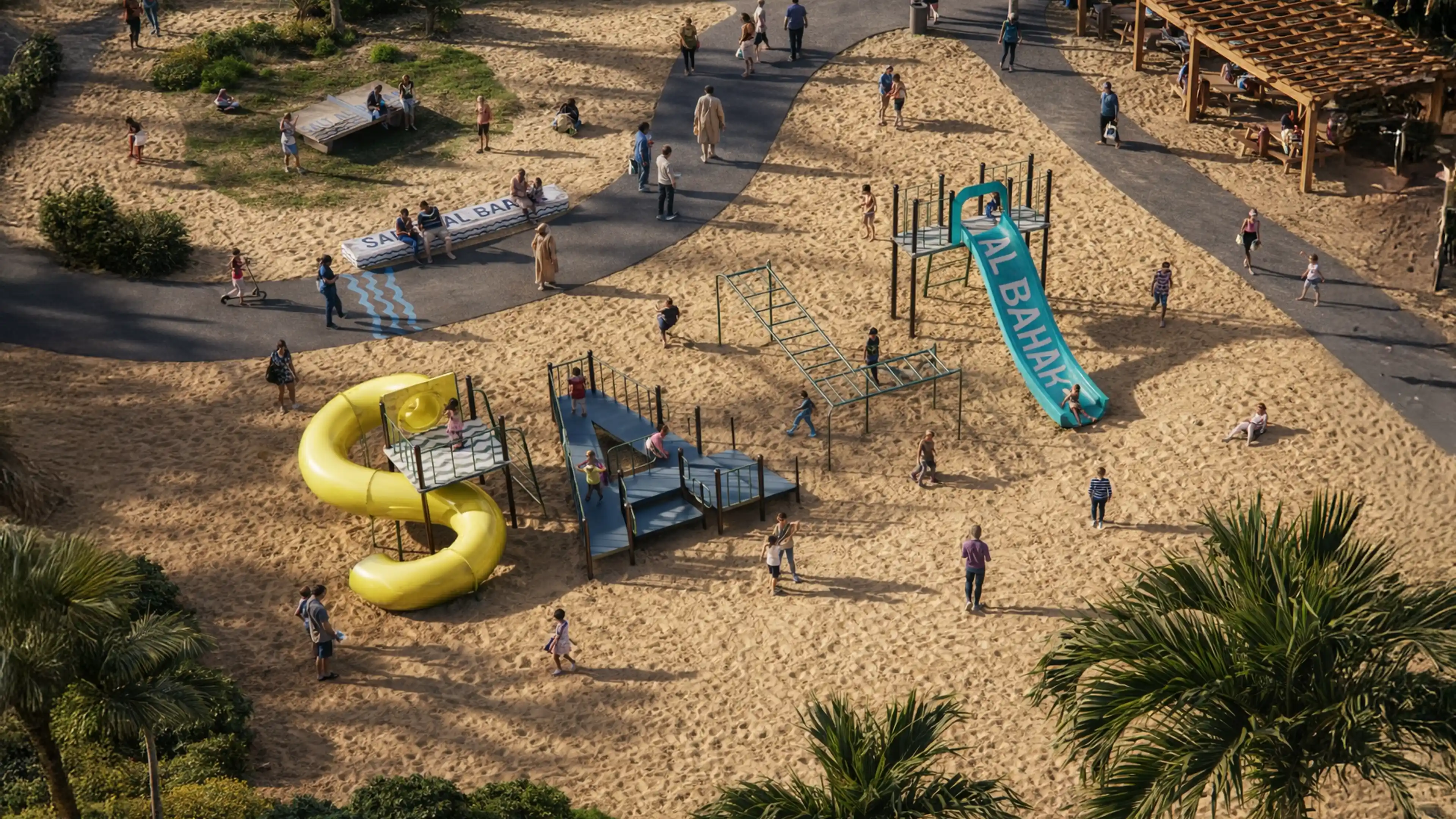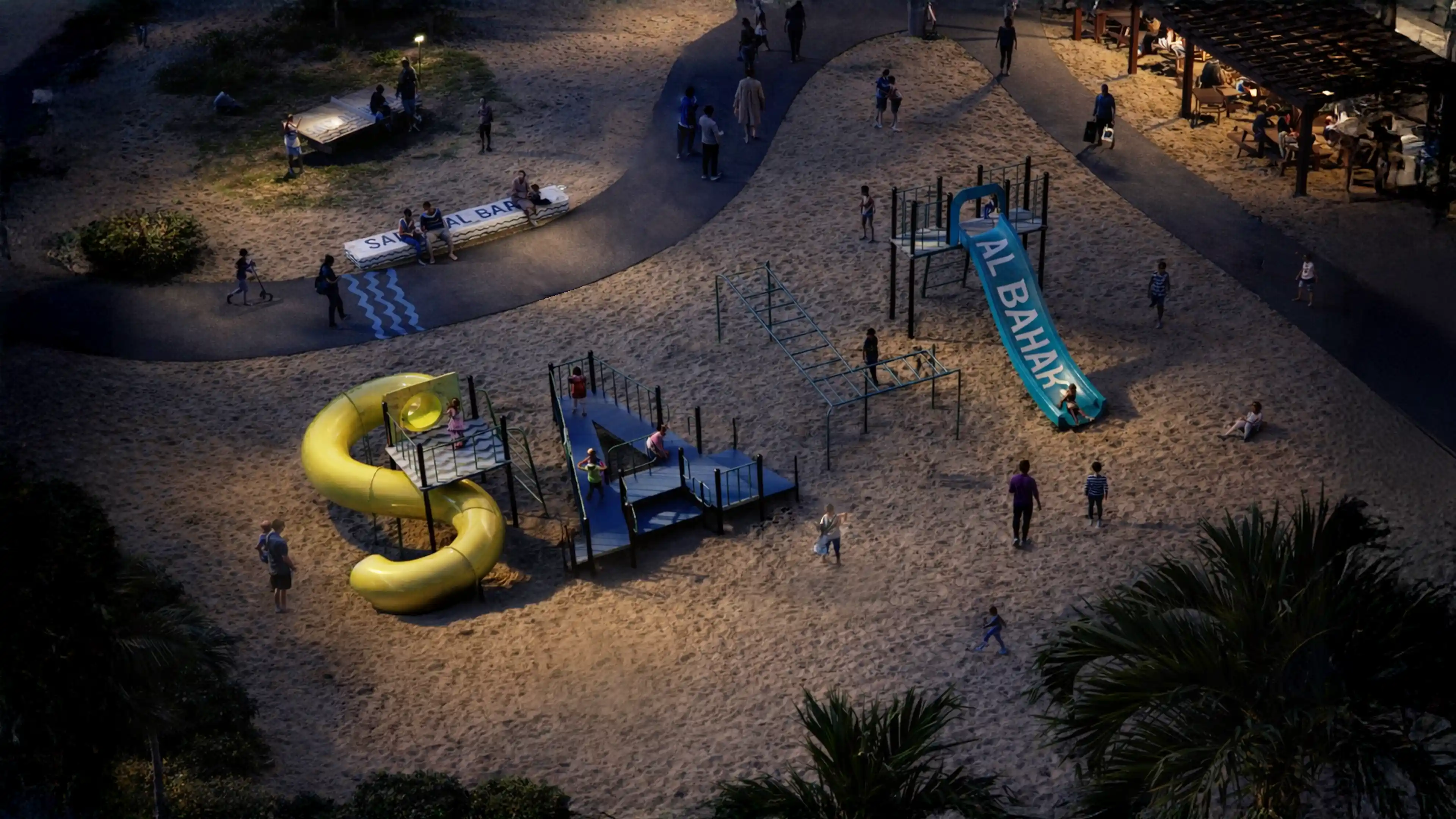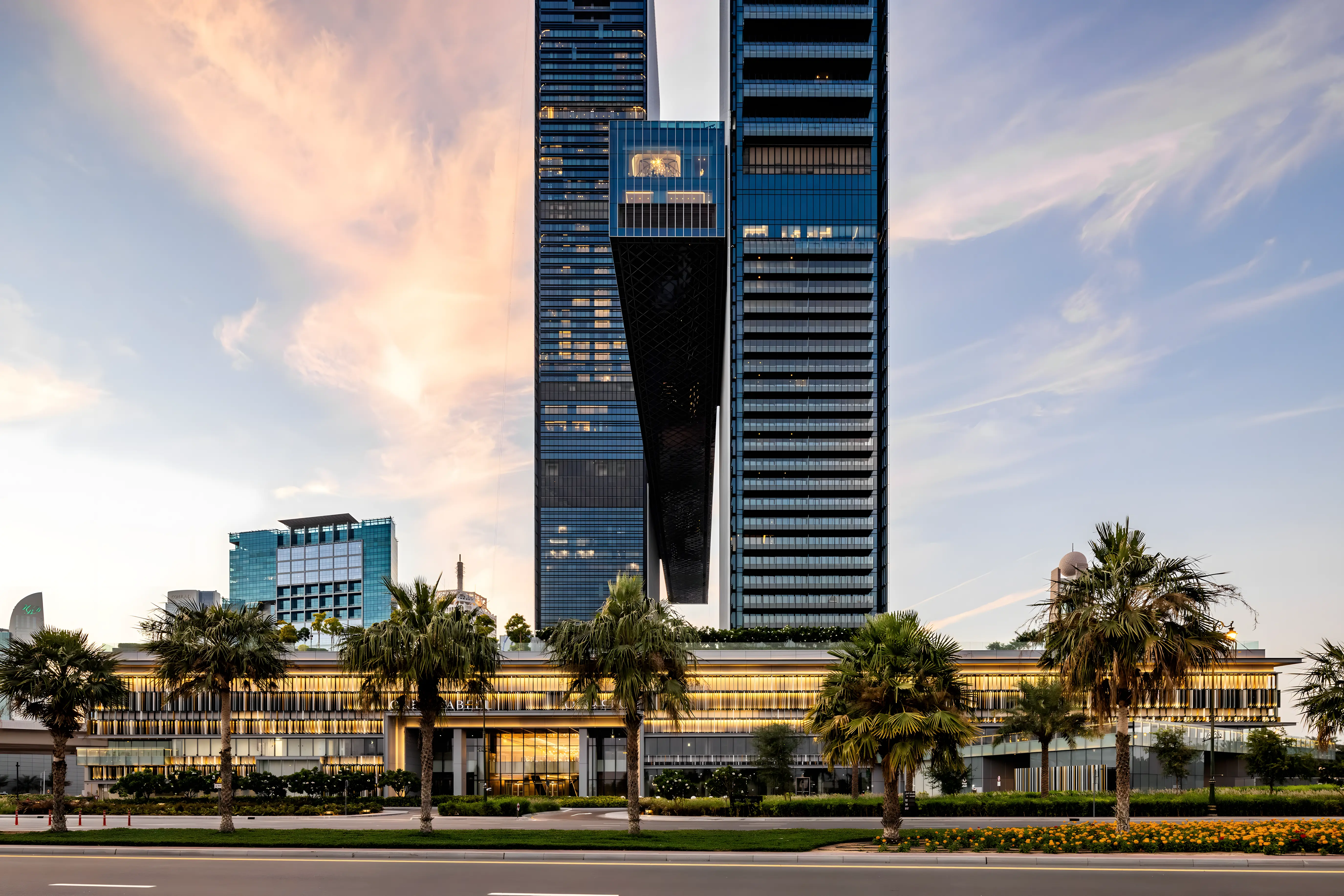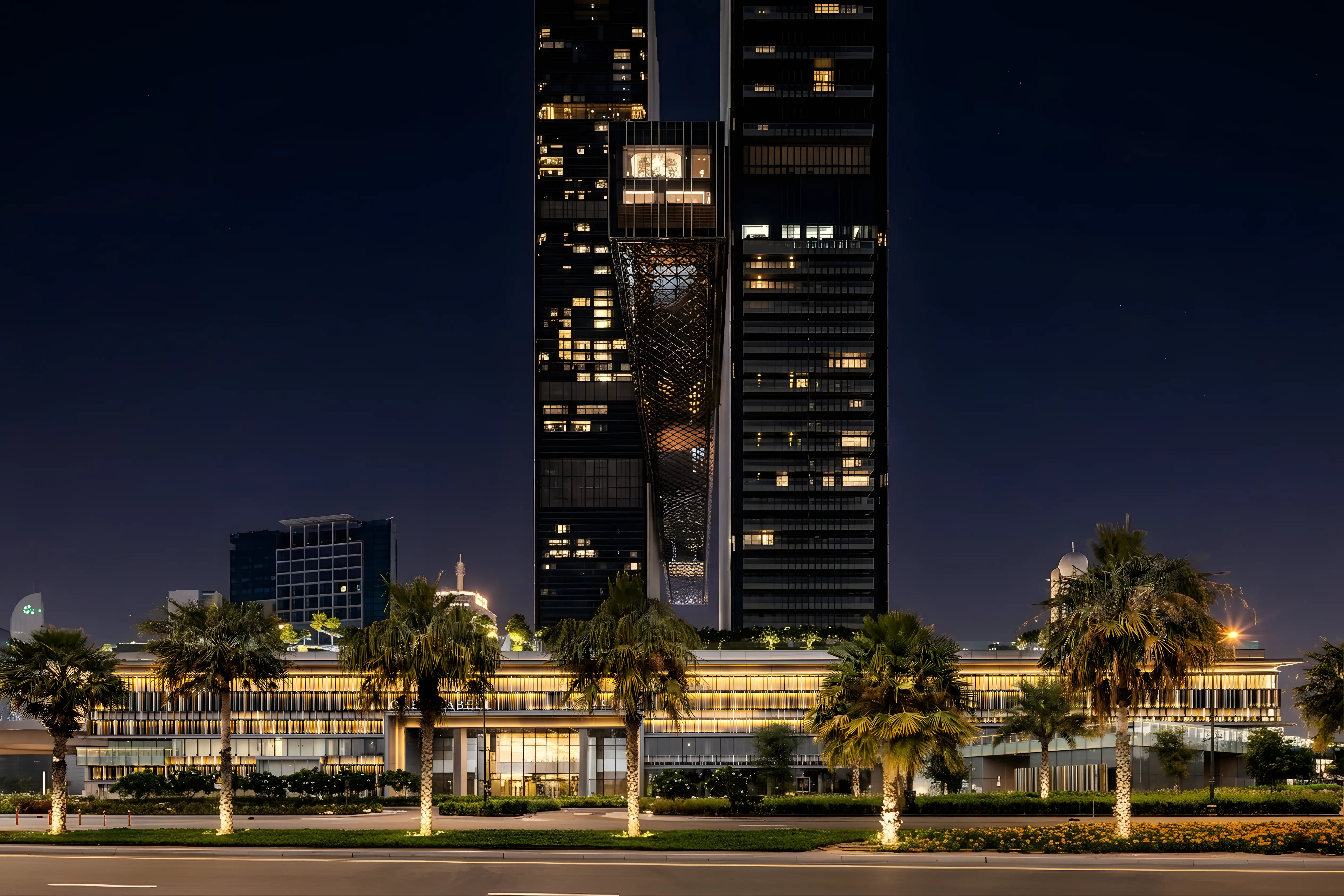
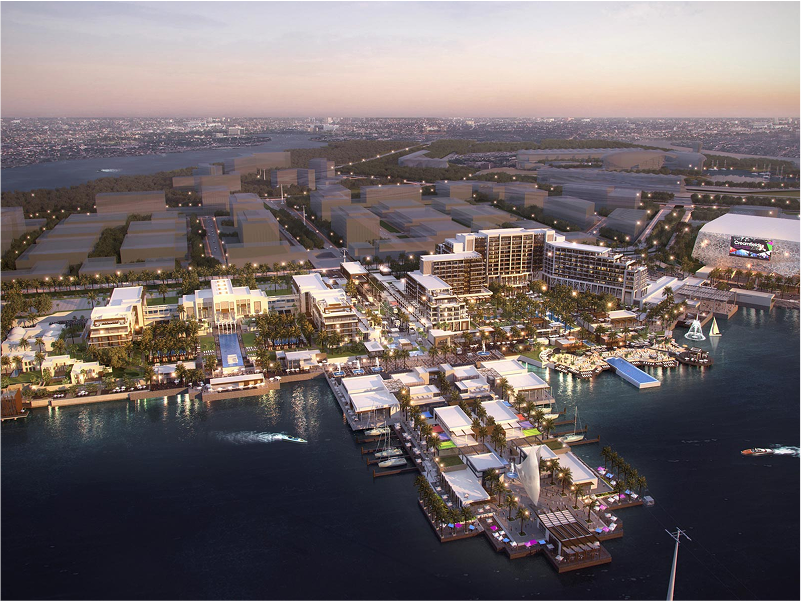
YAS BAY
ABU DHABI




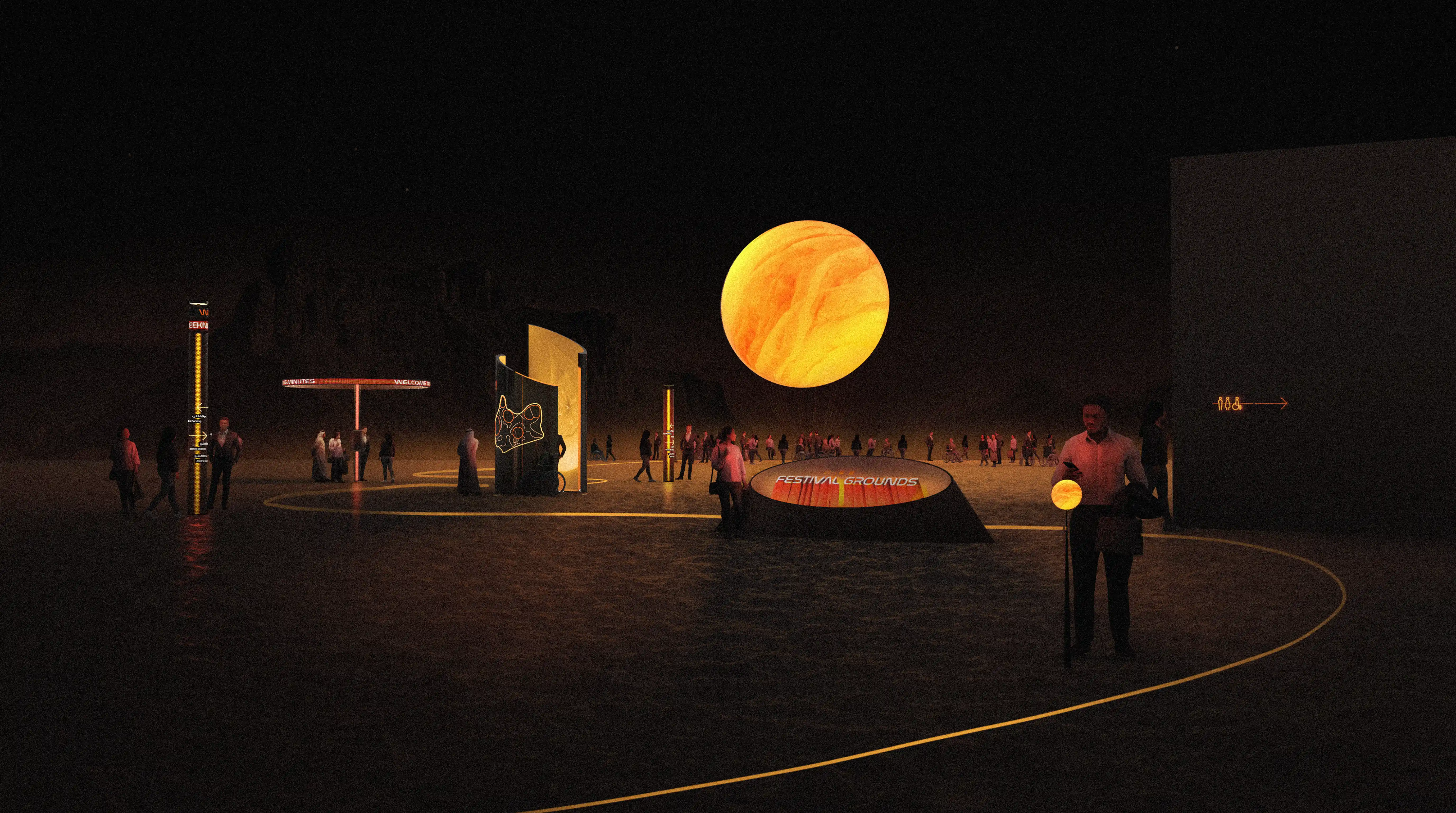
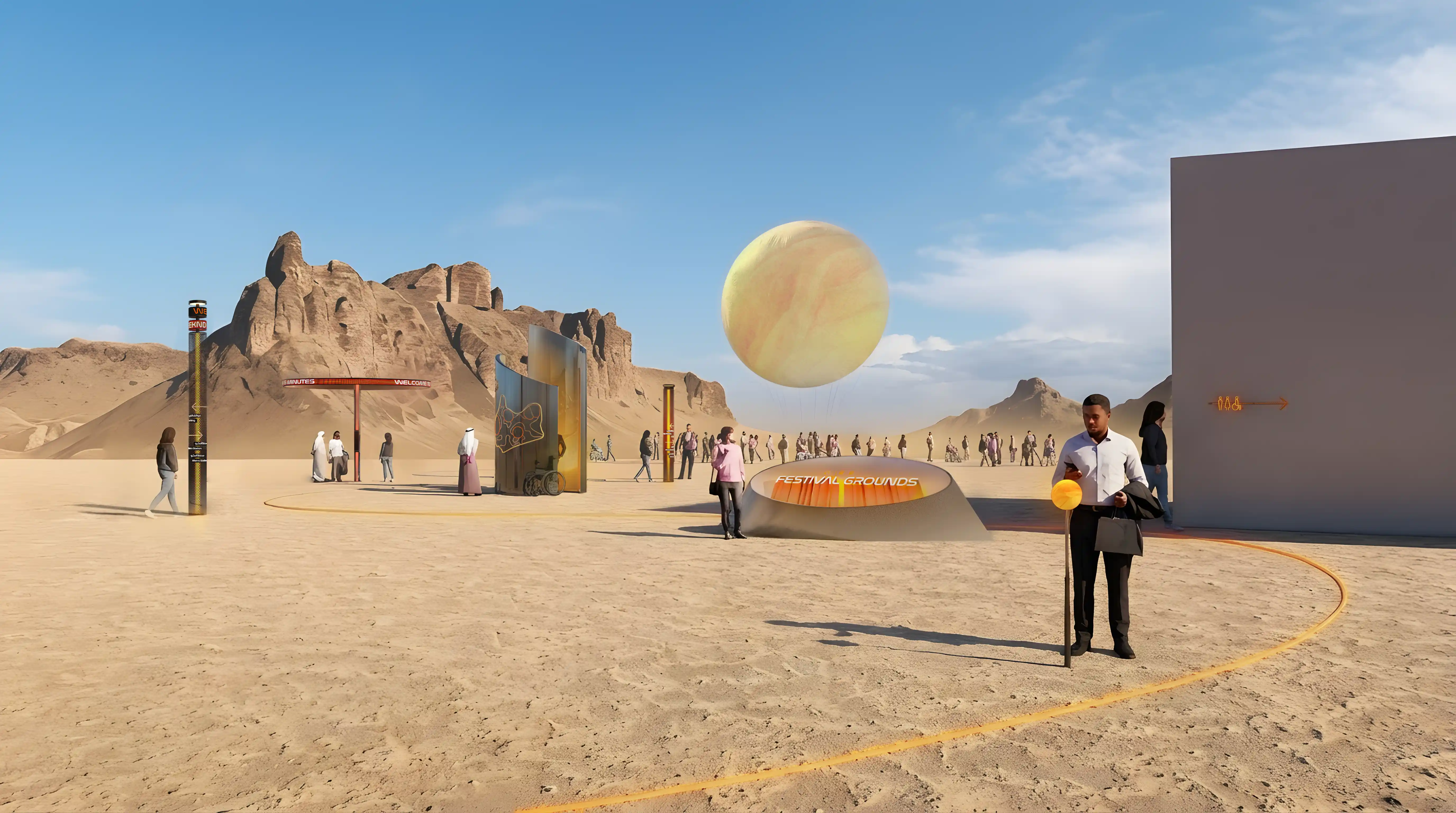
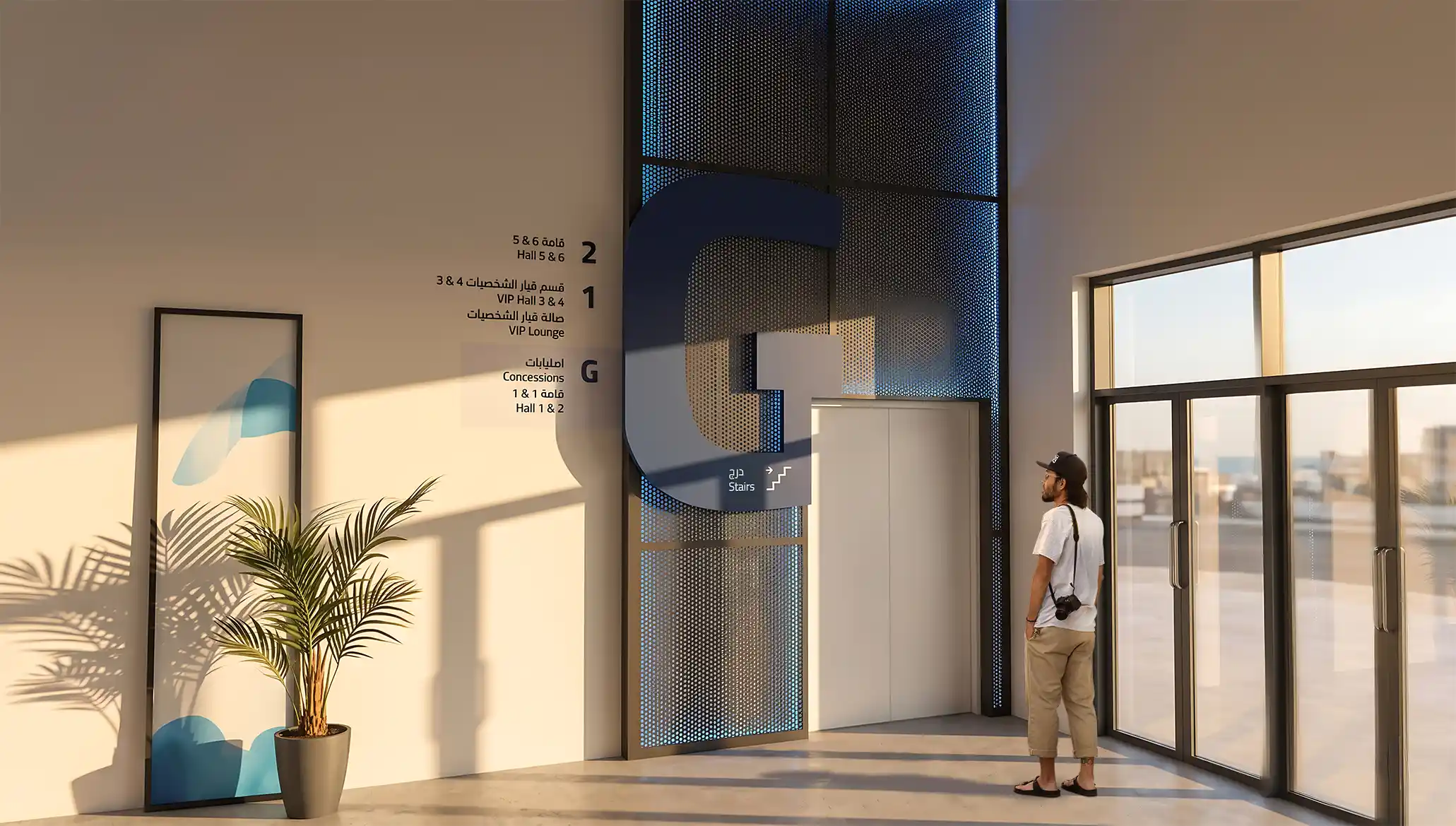
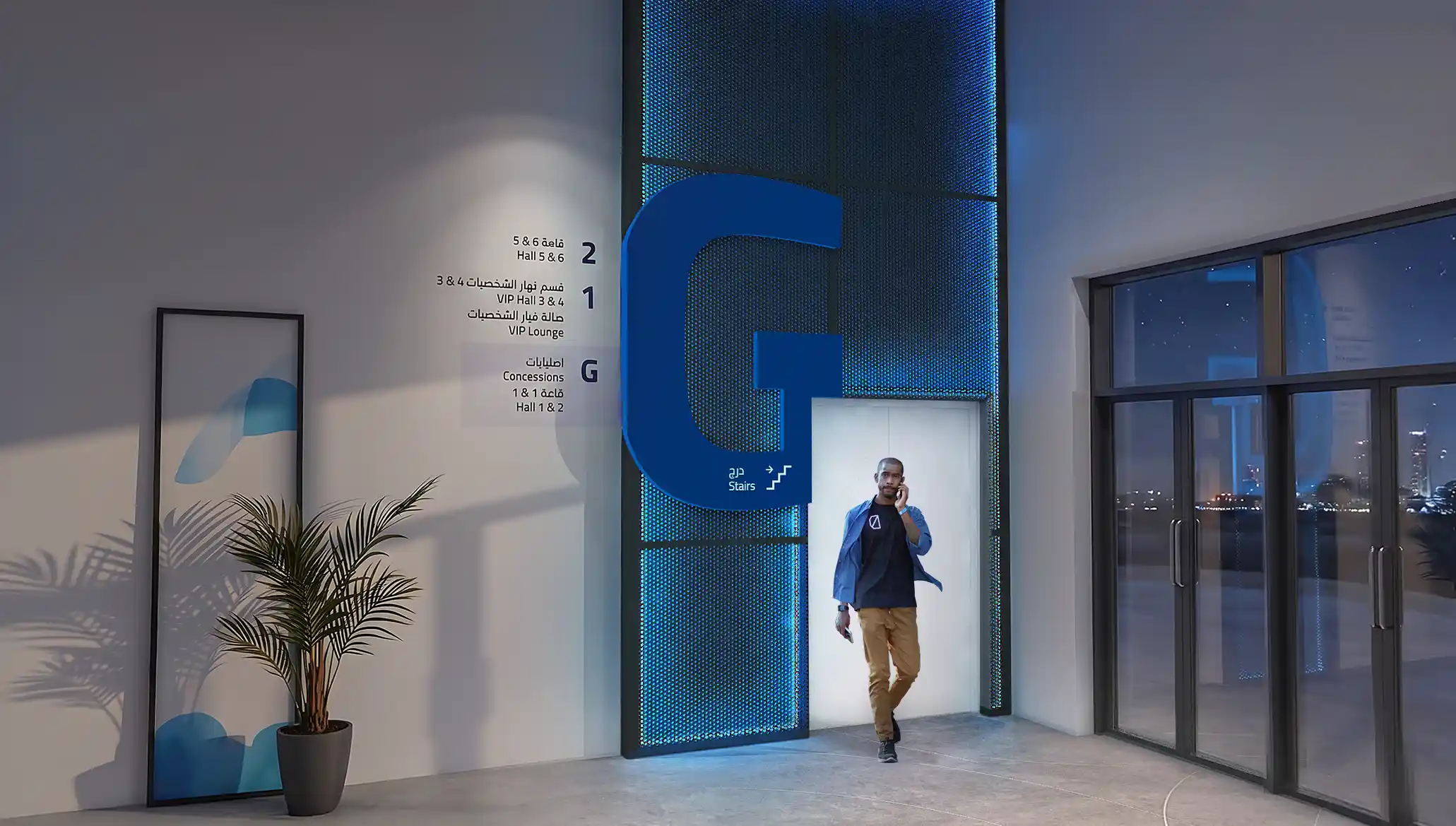
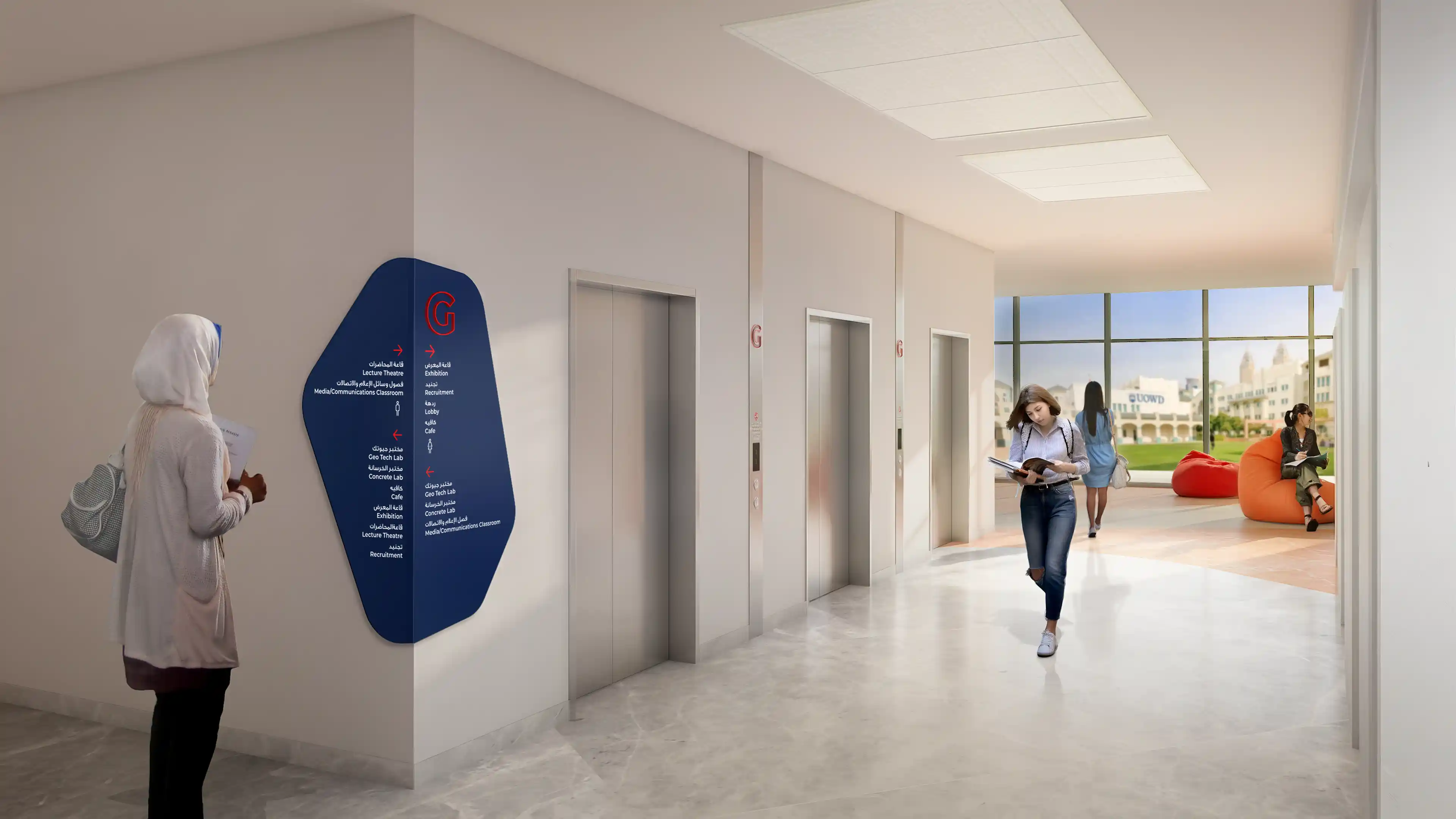
Wayfinding is not signage. It is the system that helps people orientate, decide, move and arrive with confidence. LIMAH designs the spatial logic, information hierarchy, movement strategy and navigation experience that make complex built environments easier to understand.
Create a place people can understand, navigate and trust.
YEARS
PROJECTS
COUNTRIES
INTEGRATED DISCIPLINE
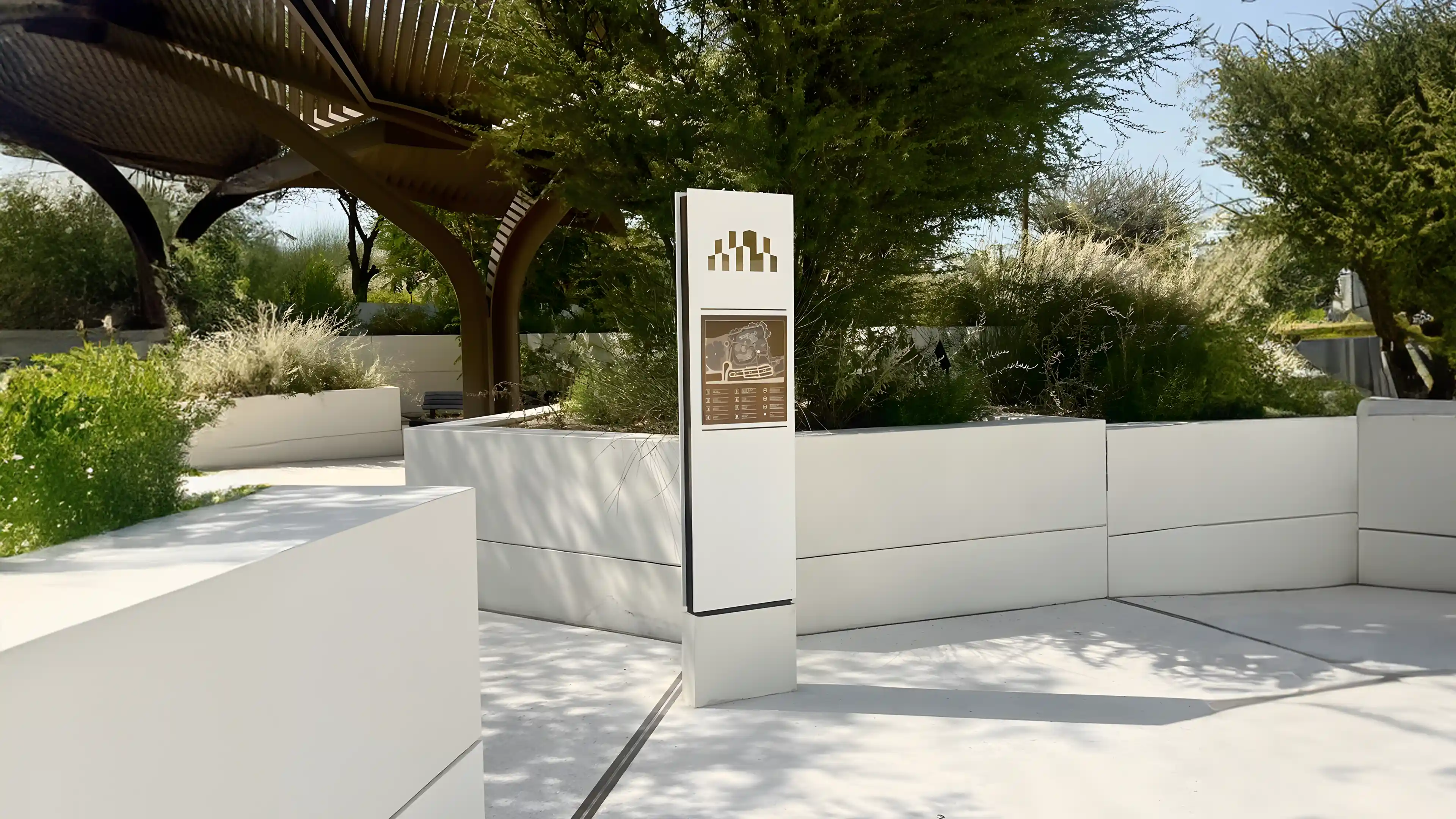
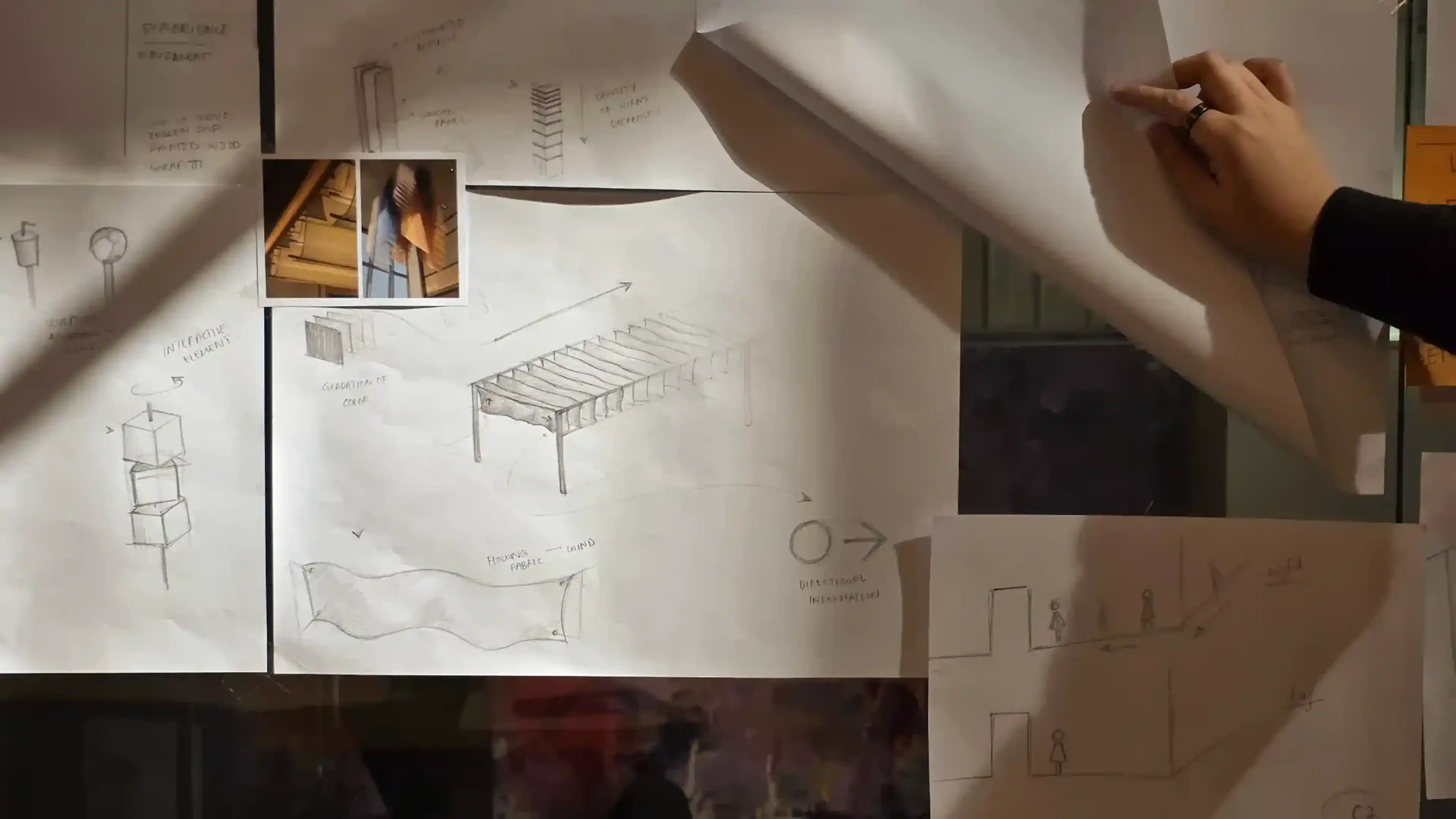
Wayfinding & Navigation is one of LIMAH’s core strengths, but it is never treated as a standalone signage package.
It sits inside a larger discipline: Built Environment Experience Design.
For LIMAH, wayfinding is the logic of movement, orientation, decision-making and confidence within a place. It connects architecture, public realm, information, identity, operations, digital systems and human behaviour into one clear journey.
A sign may tell someone where to go. A wayfinding system helps them understand where they are, what choices they have, how the place works and how to move through it without uncertainty.
That is the difference.
People should not need to stop, search and question every step of a journey.
In great places, movement feels natural. Arrival feels clear. Decisions feel simple. The environment gives people enough cues to understand what comes next.
When wayfinding is treated too late, the project usually asks signage to solve problems created by planning, architecture, visibility, naming, circulation or operations. More signs are added. More messages compete for attention. More confusion is created.
LIMAH works differently.
We design wayfinding as the intelligence of the journey. It is not a graphic layer. It is how people read space, make decisions, move with confidence and remember how the place works.
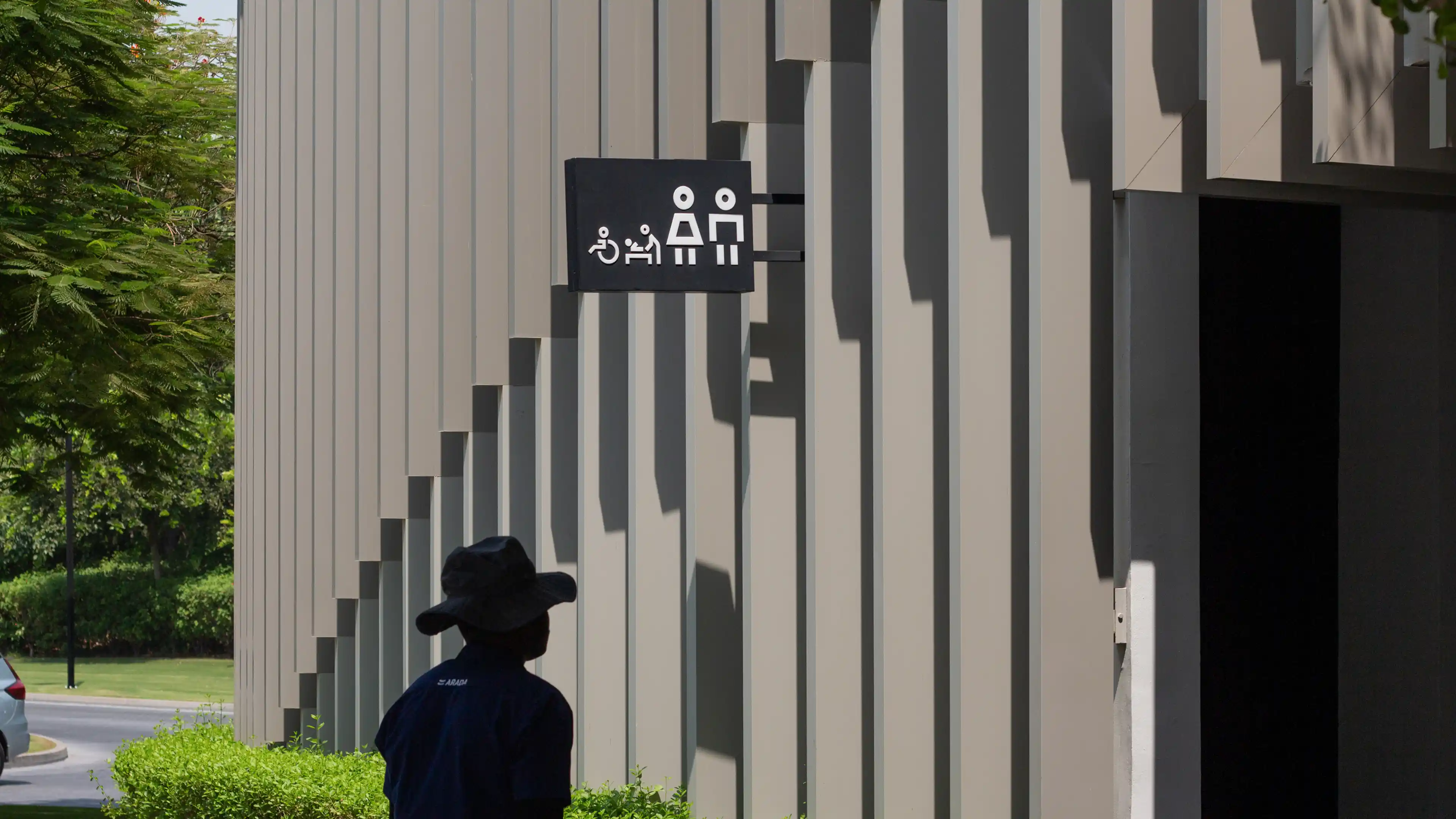
Wayfinding & Navigation changes how people experience complexity.
It gives structure to movement, hierarchy to information and confidence to the user journey. For clients, it reduces confusion, improves operational performance and helps complex places work better from the first arrival to the final destination.
It creates:
Clearer movement through complex environments
Better orientation and spatial understanding
Stronger decision-making at key moments
Reduced user confusion and hesitation
Improved accessibility and inclusion
Better crowd flow and operational efficiency
More consistent information across physical and digital touchpoints
Stronger arrival, transition and destination experiences
Less dependence on excessive signage
A more trusted and understandable built environment
Good wayfinding does not simply direct people. It gives them confidence.
We study the project, users, destinations, operations, constraints and movement challenges.
We review circulation, visibility, decision points, arrival moments and existing navigation gaps.
We create the wayfinding strategy, spatial logic, naming, hierarchy and information structure.
We translate the strategy into physical, digital and environmental navigation systems.
We align wayfinding with architecture, landscape, lighting, operations, branding and technical delivery.
We help carry the wayfinding intent through documentation, implementation and long-term governance.
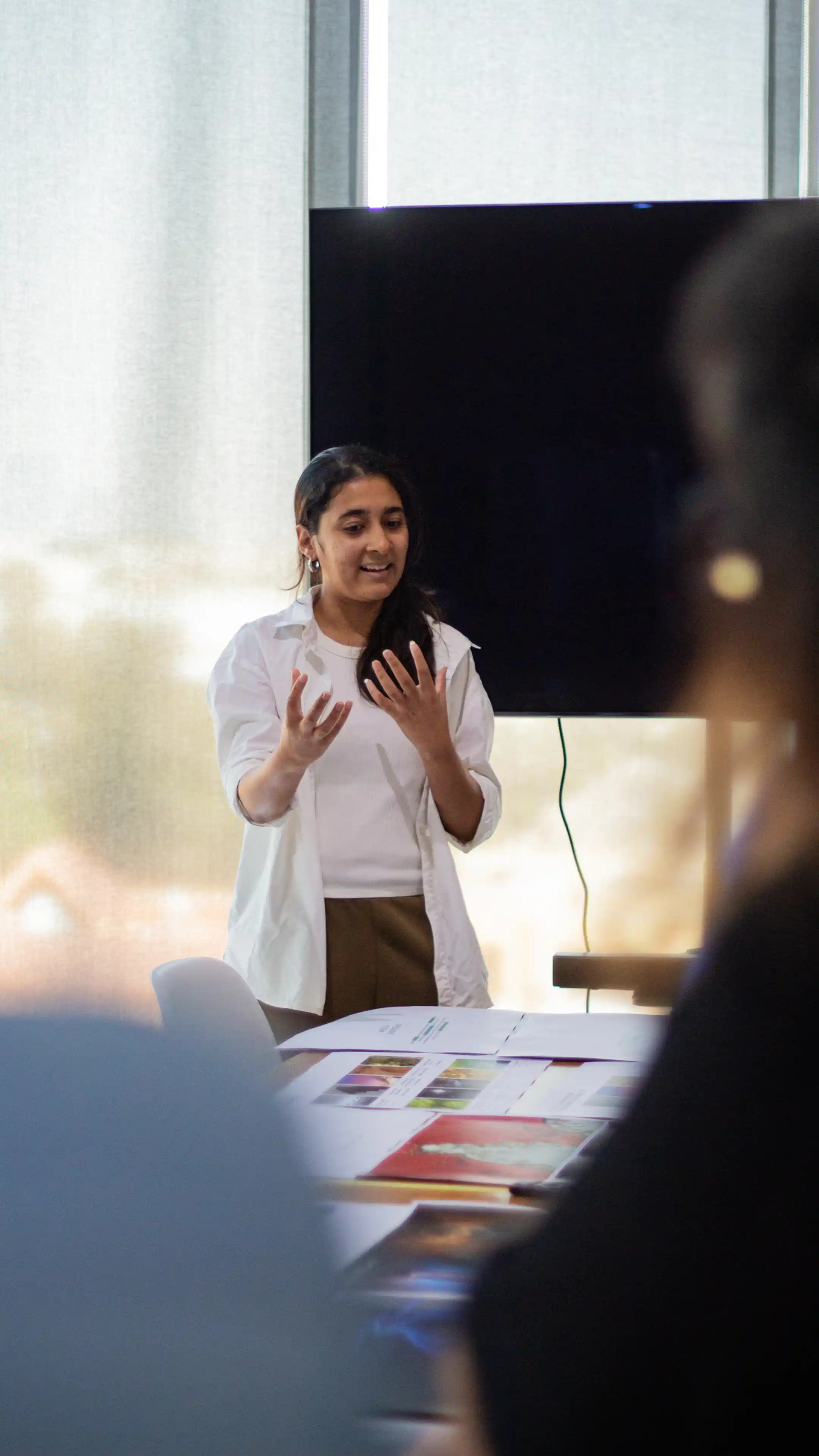
LIMAH has spent 19+ years designing how people understand, navigate and experience complex built environments.
From a Dubai-based international studio, LIMAH has worked across 500+ projects in 37 countries, supporting major developments across transport, cities, hospitality, culture, retail, healthcare, education, sports, residential and mixed-use environments.
Wayfinding is one of the disciplines that shaped LIMAH, but our approach has moved far beyond traditional signage thinking.
Our team connects human behaviour, spatial logic, information design, environmental graphics, digital systems, technical documentation and project coordination. We understand how a user journey works at strategy level, design level and delivery level.
That matters because wayfinding only succeeds when it survives the whole project process.
LIMAH designs systems that are not only clear in concept, but coordinated enough to be built, managed and trusted.
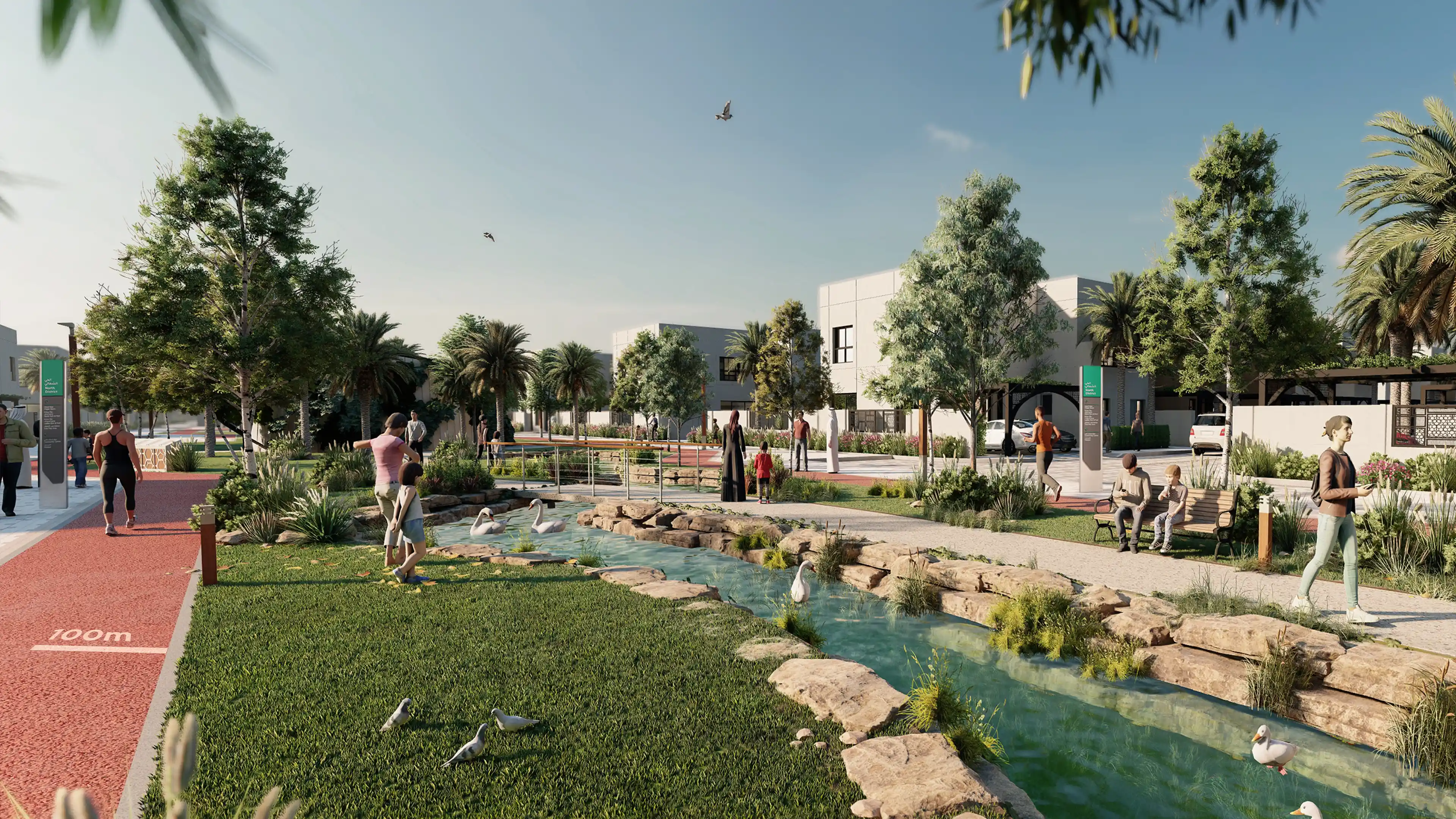
Wayfinding & Navigation is designed for places where movement, clarity and confidence matter at scale.
It is especially valuable for:
Better wayfinding creates better places.
It reduces confusion.
Improves movement.
Clarifies decisions.
Strengthens orientation.
Supports accessibility.
Improves crowd flow.
Connects physical and digital journeys.
Reduces operational pressure.
Builds user confidence.
Makes complex environments easier to understand.
A place works better when people know where they are, where to go and what to do next.