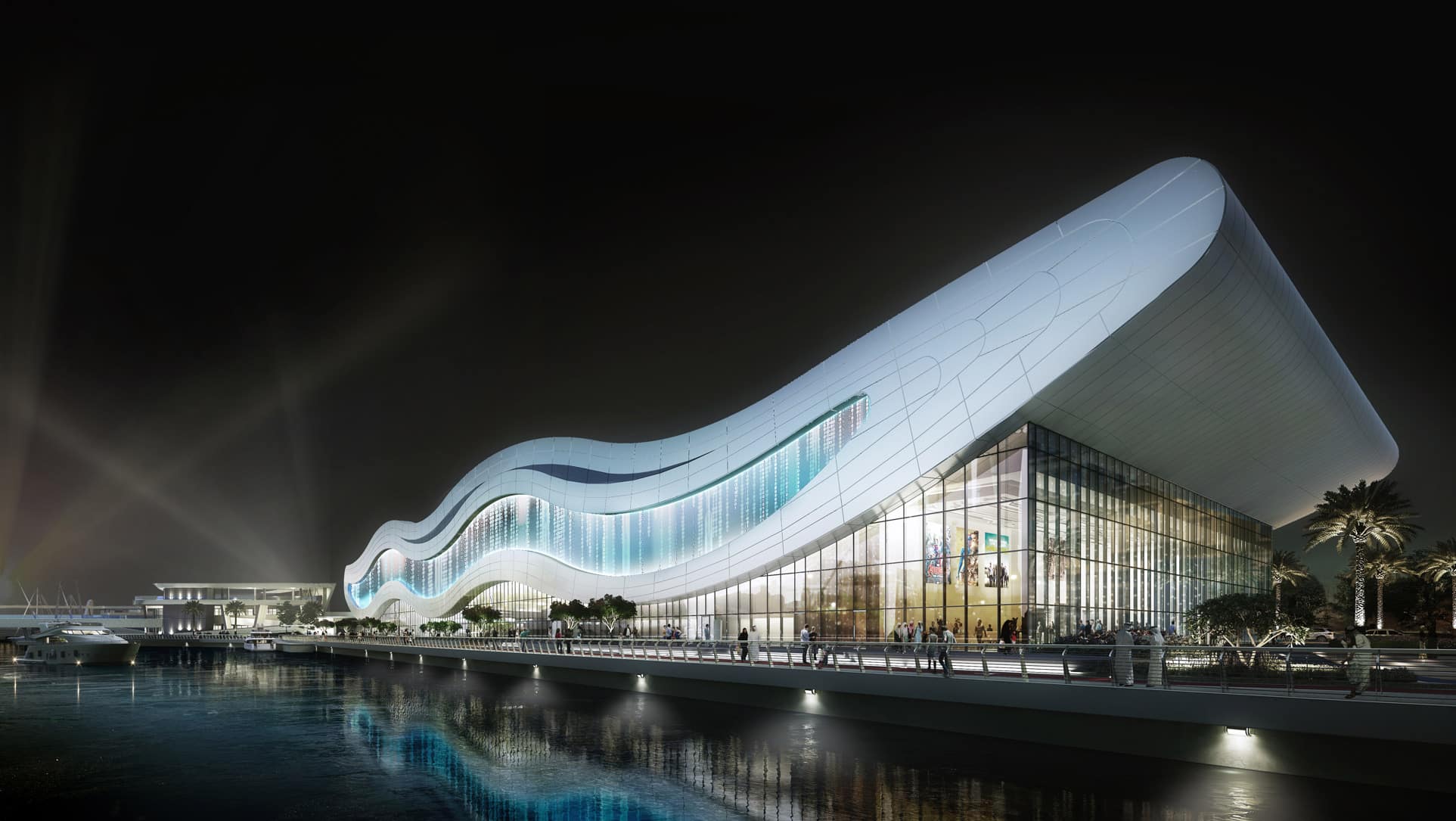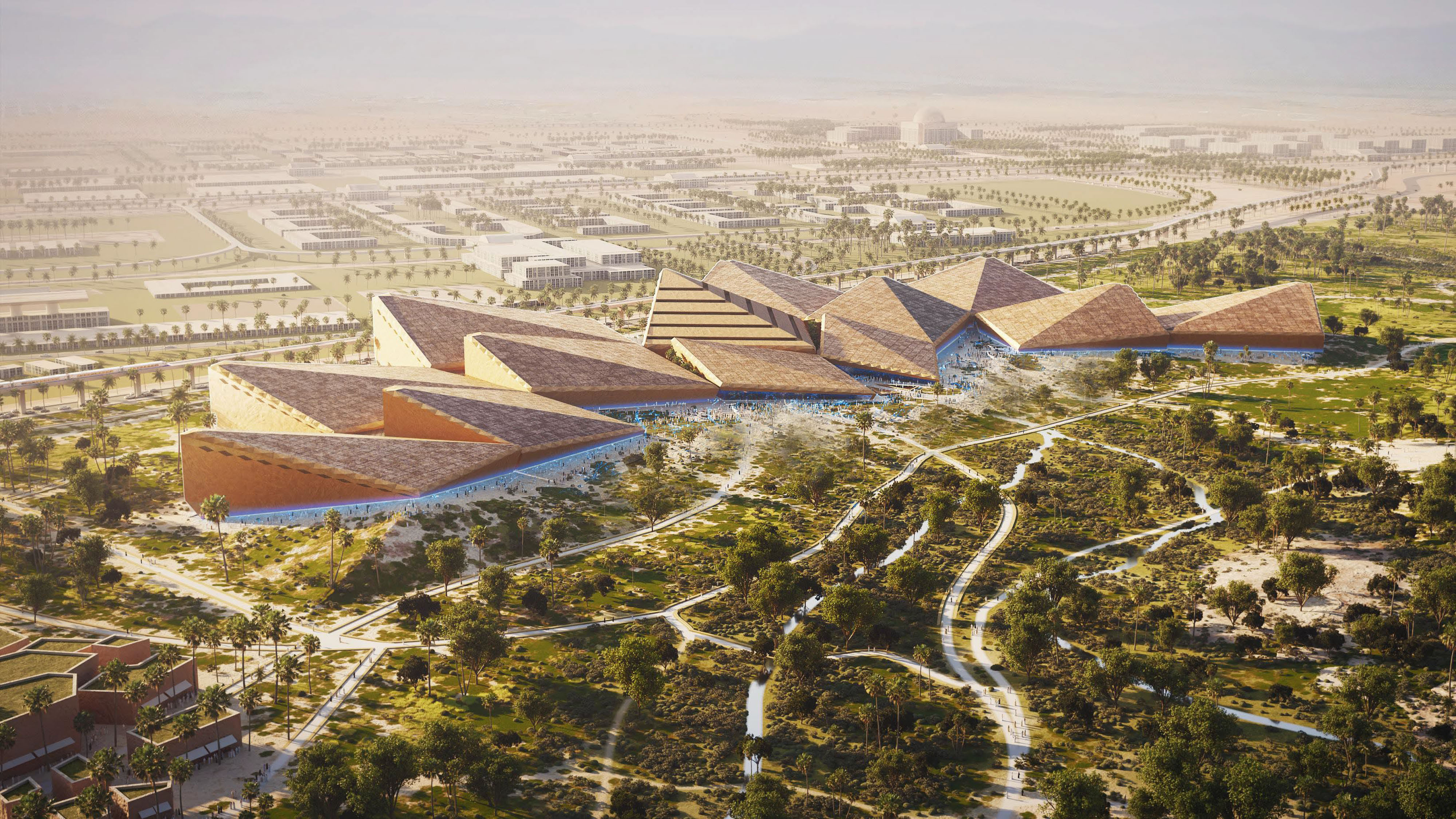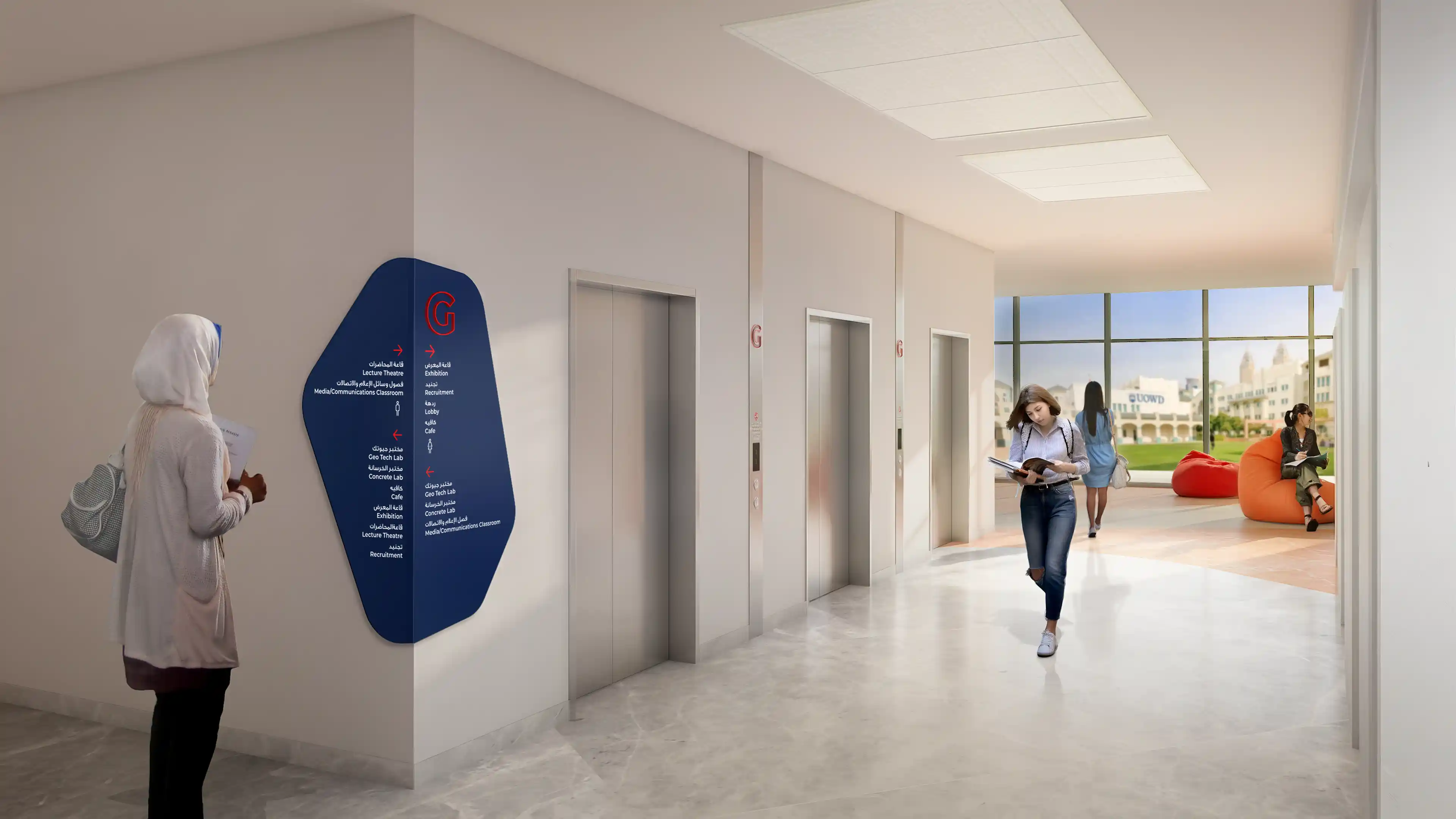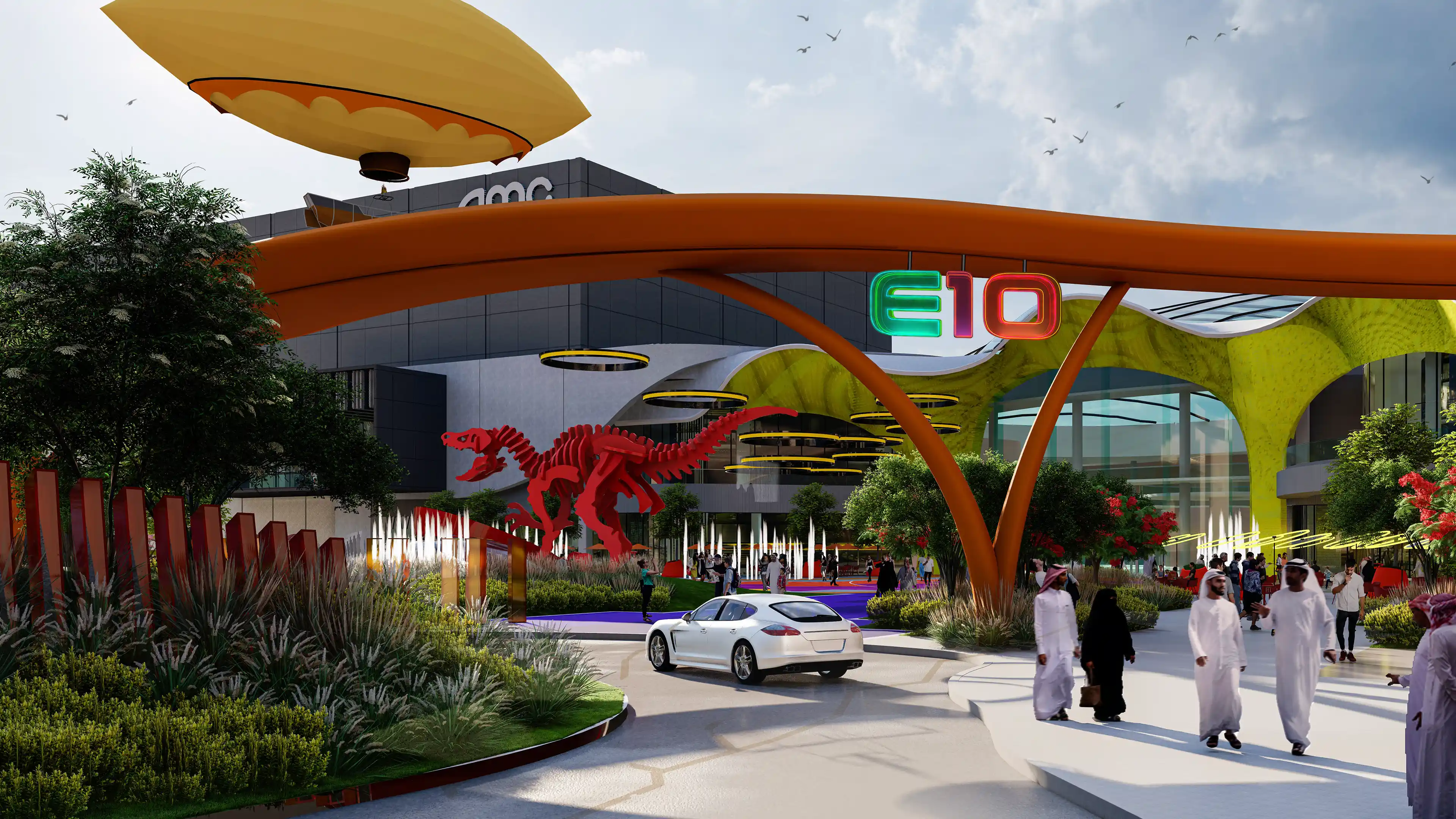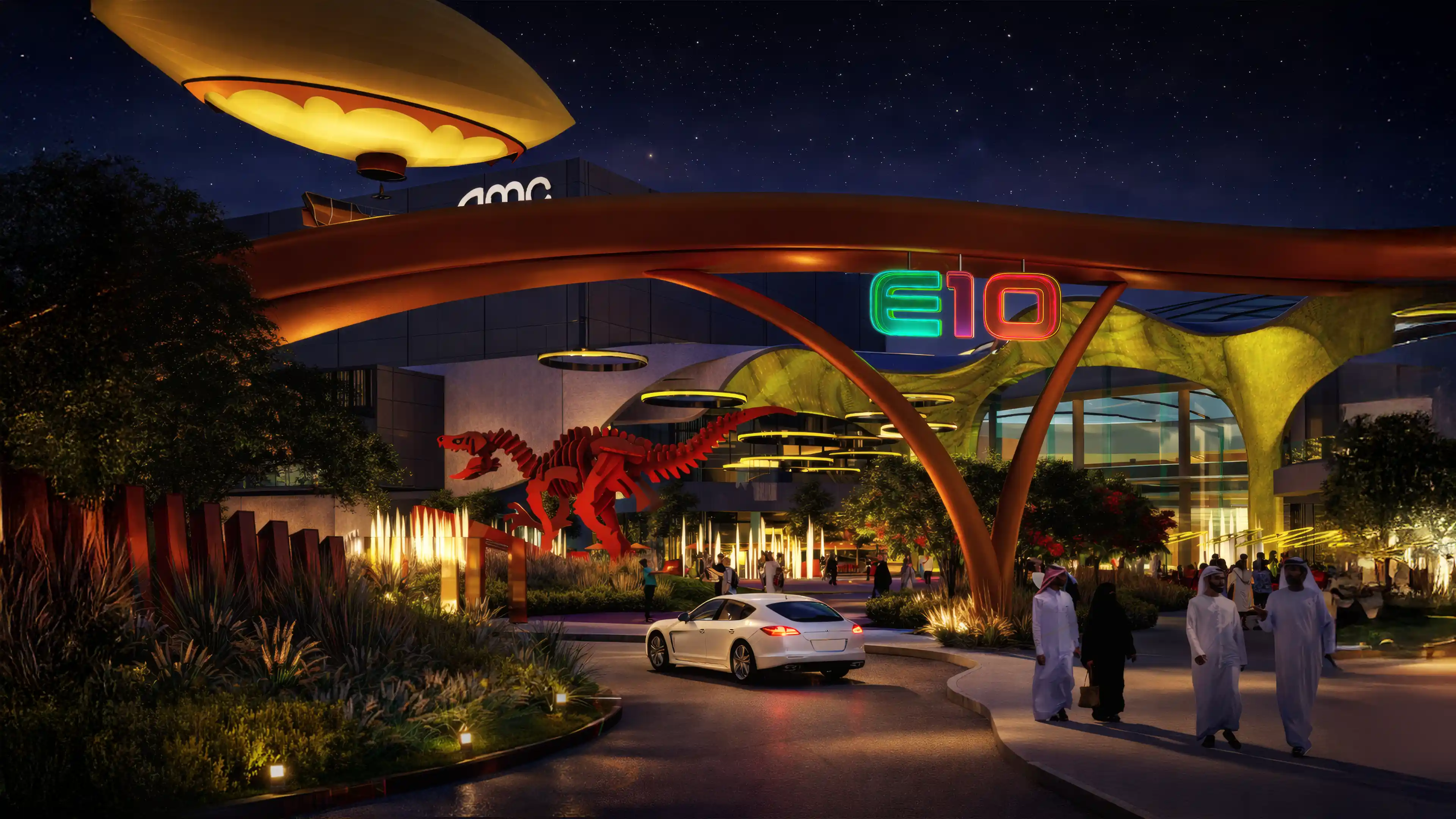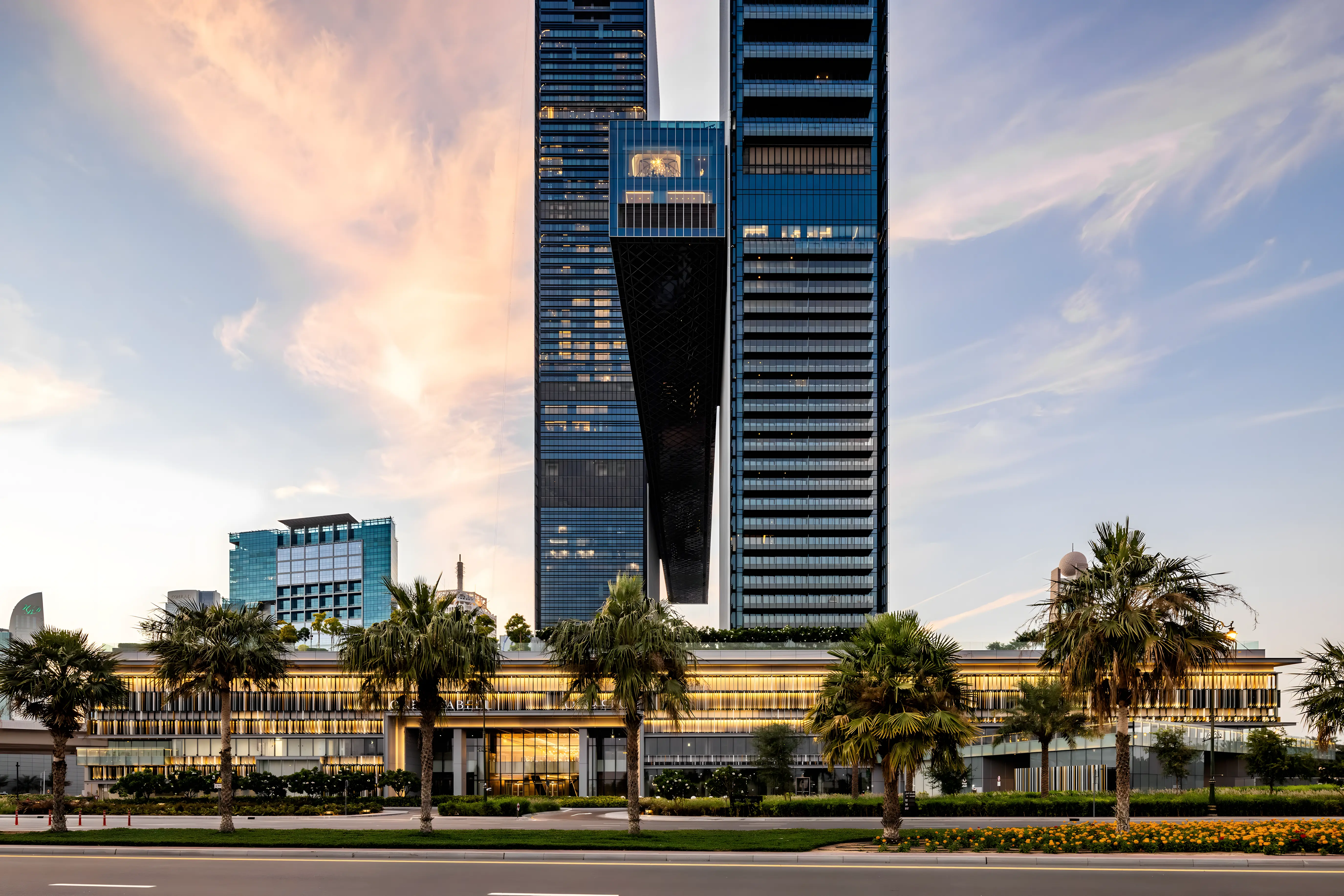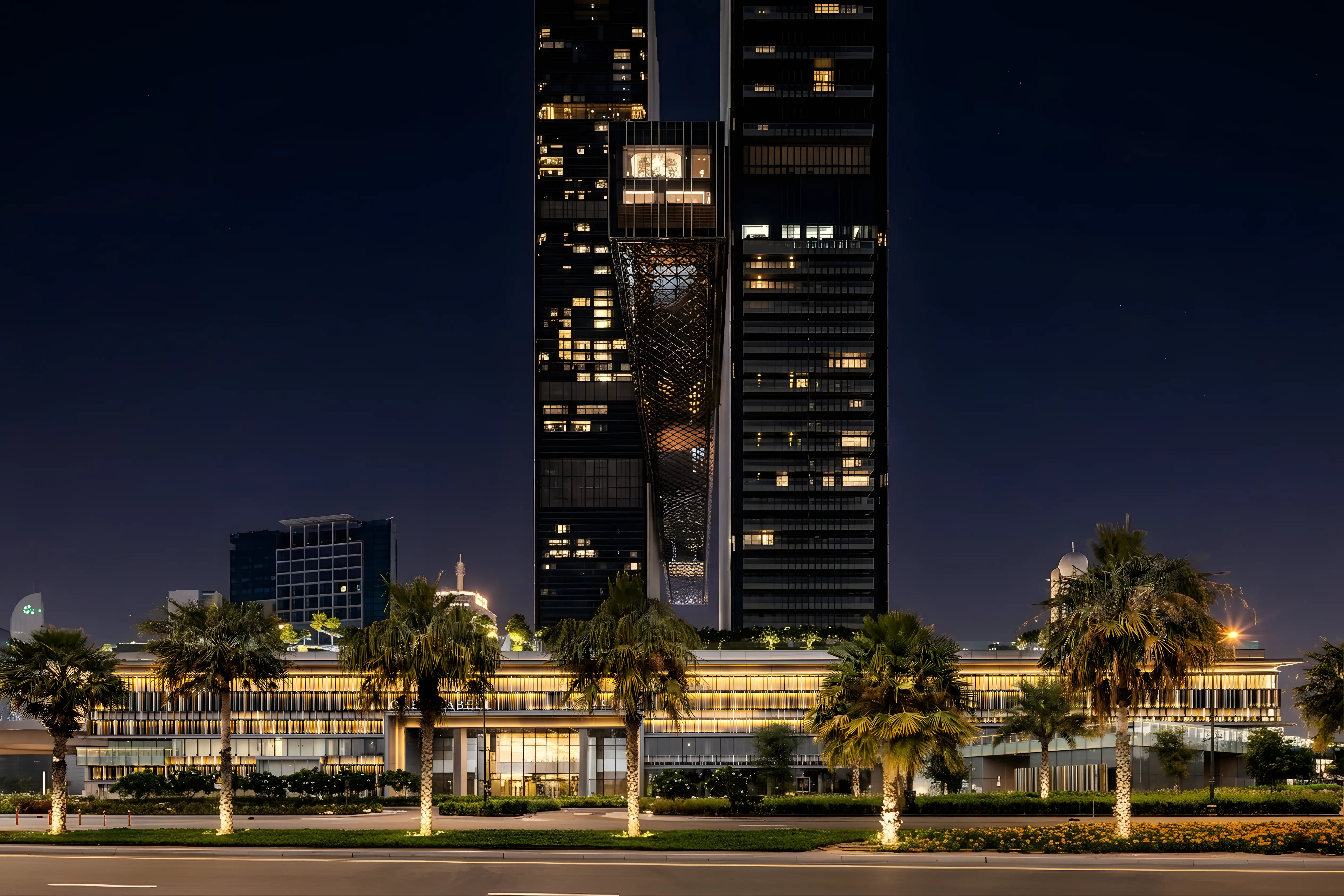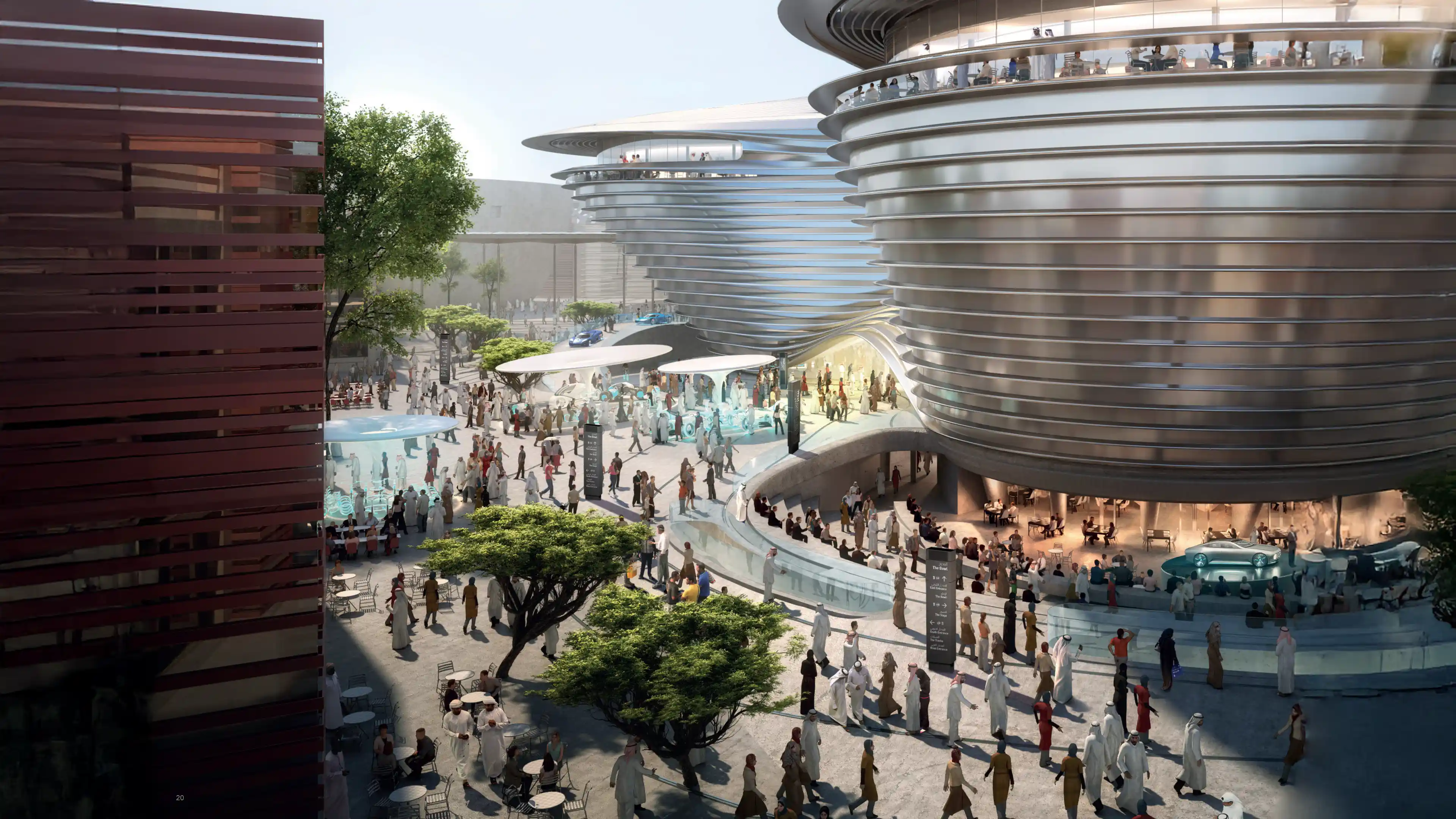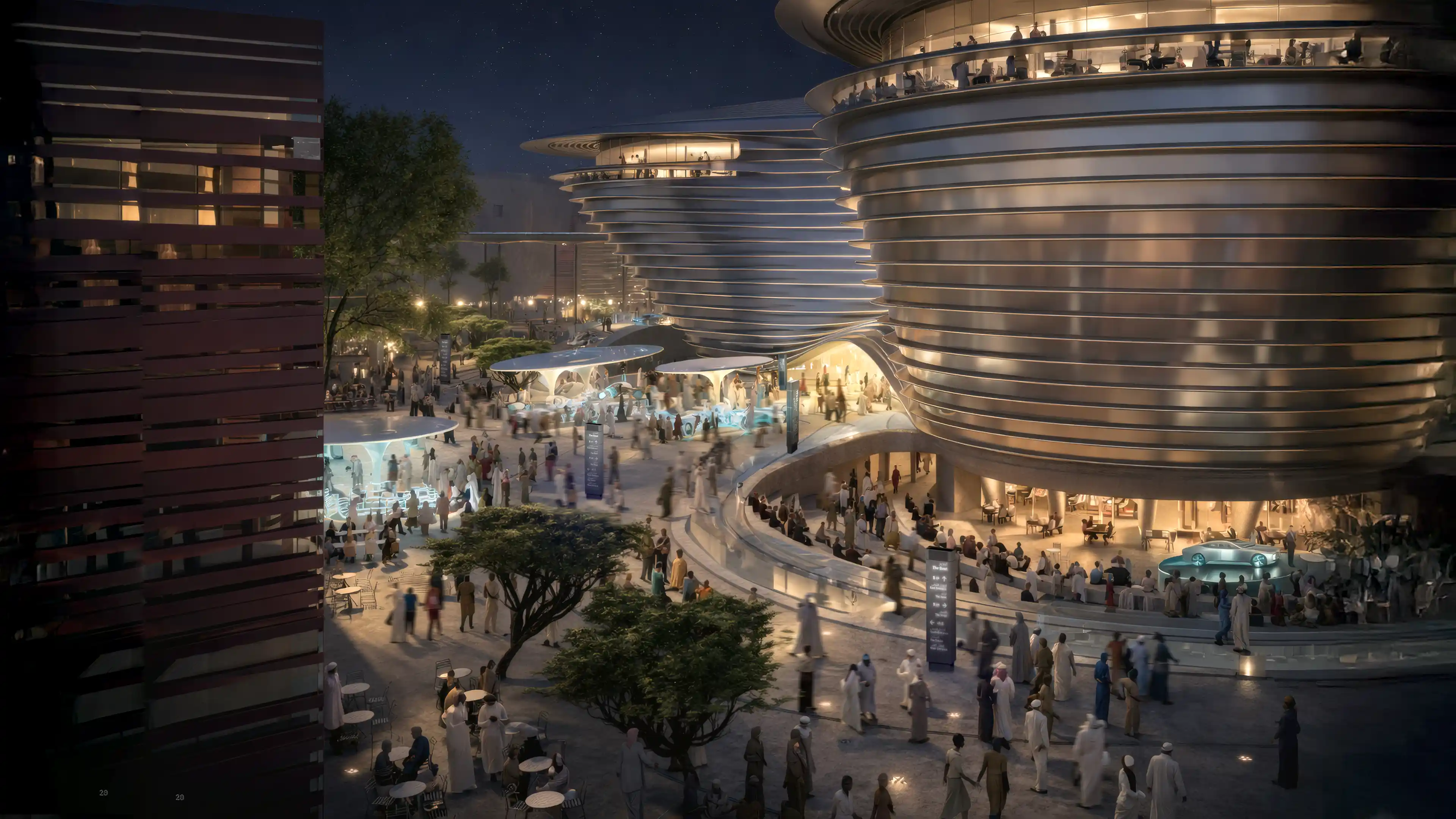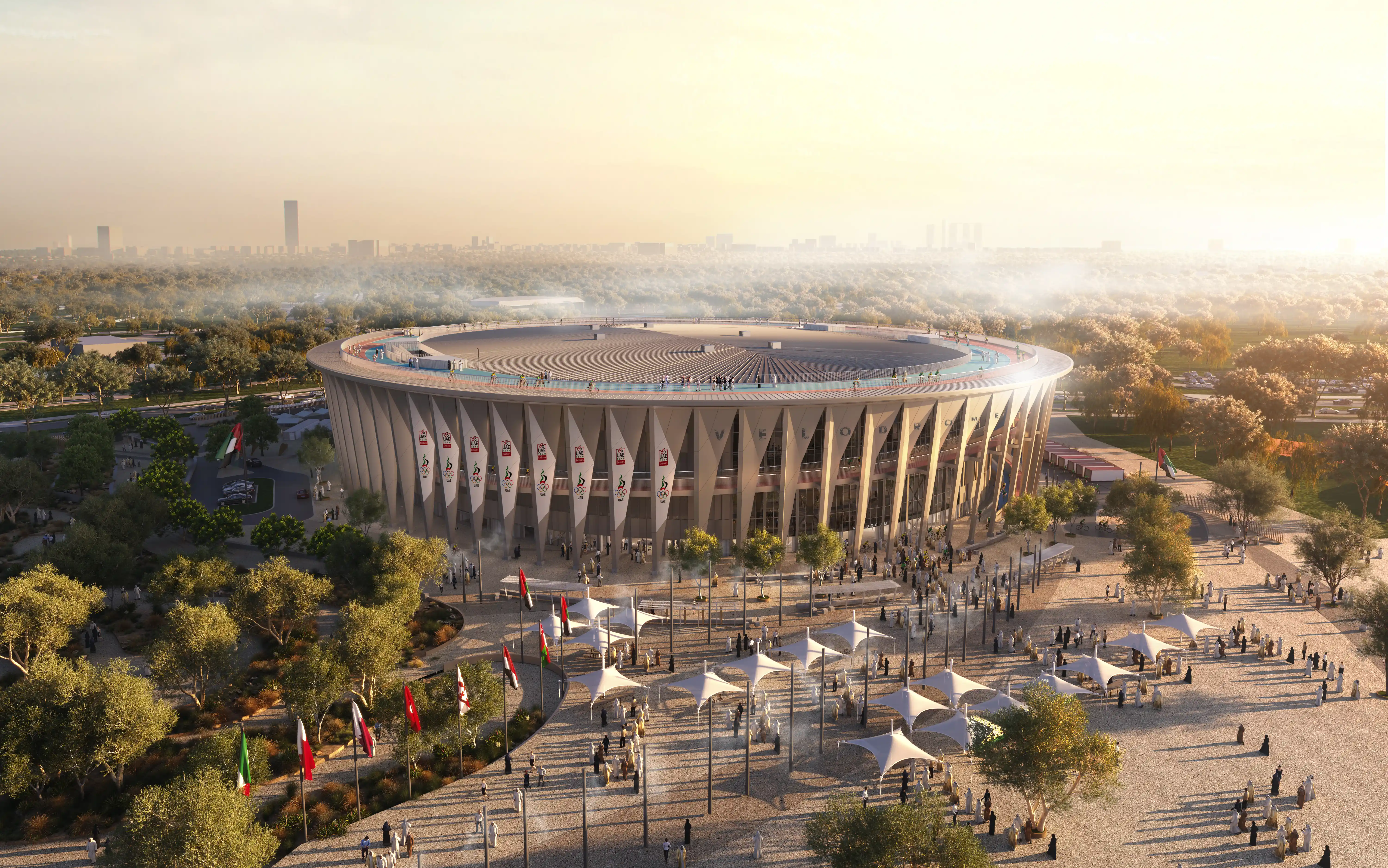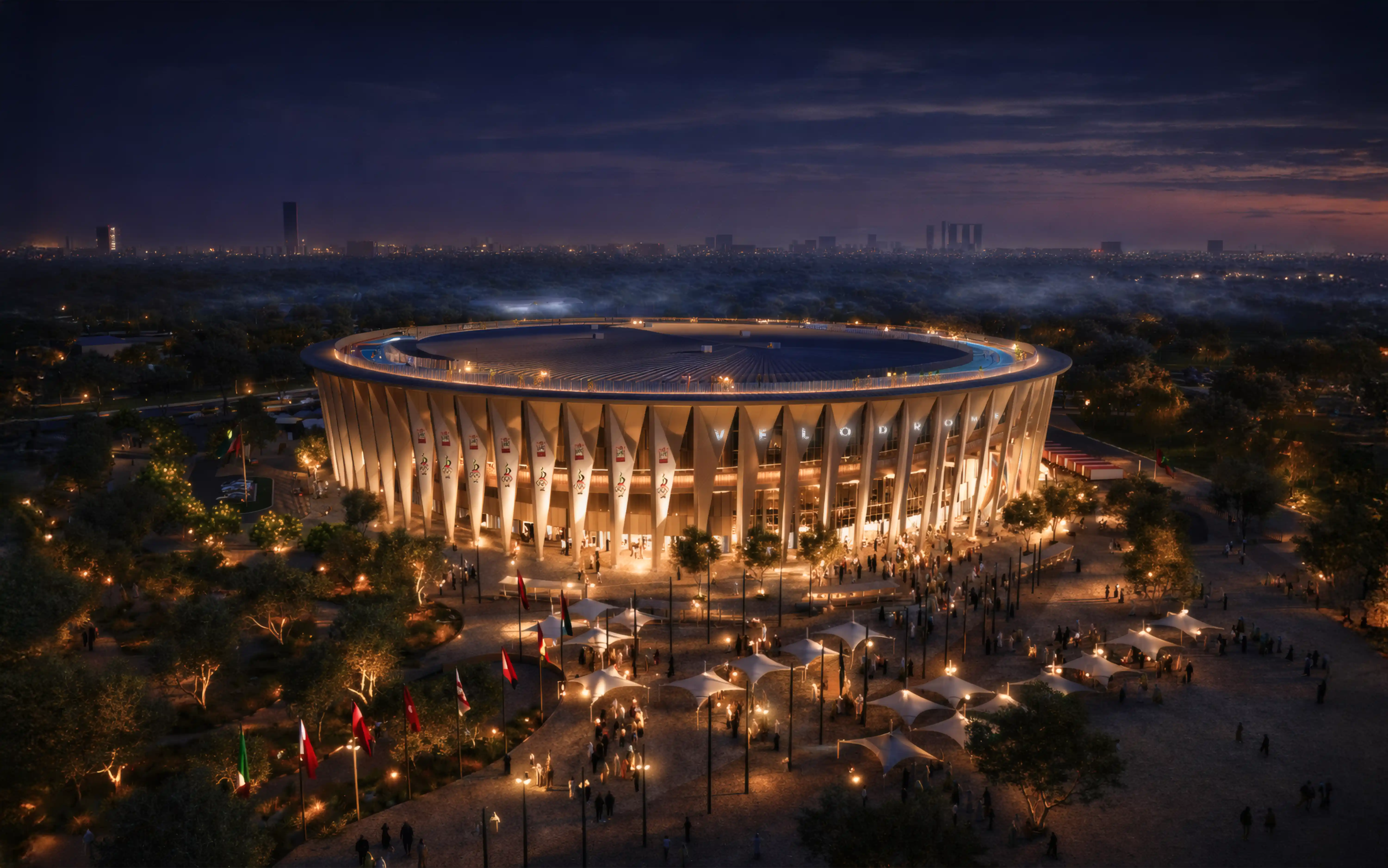
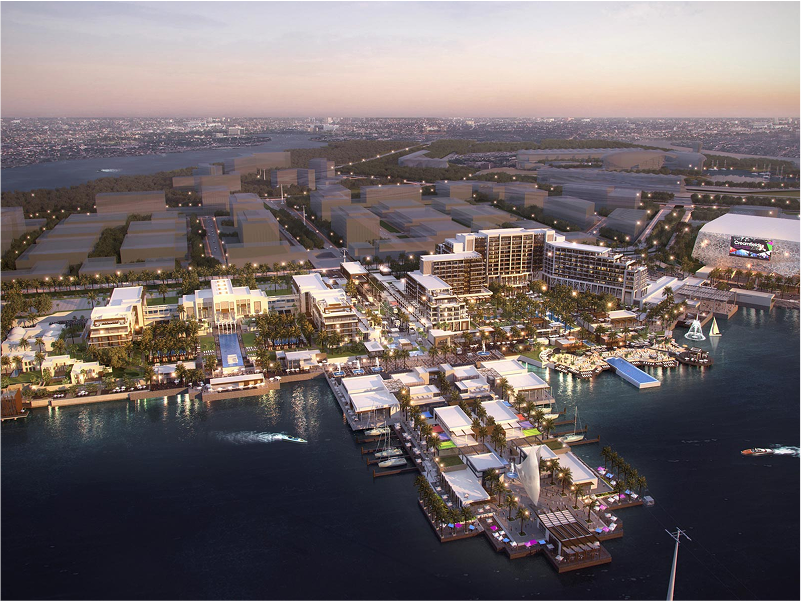
YAS BAY
ABU DHABI




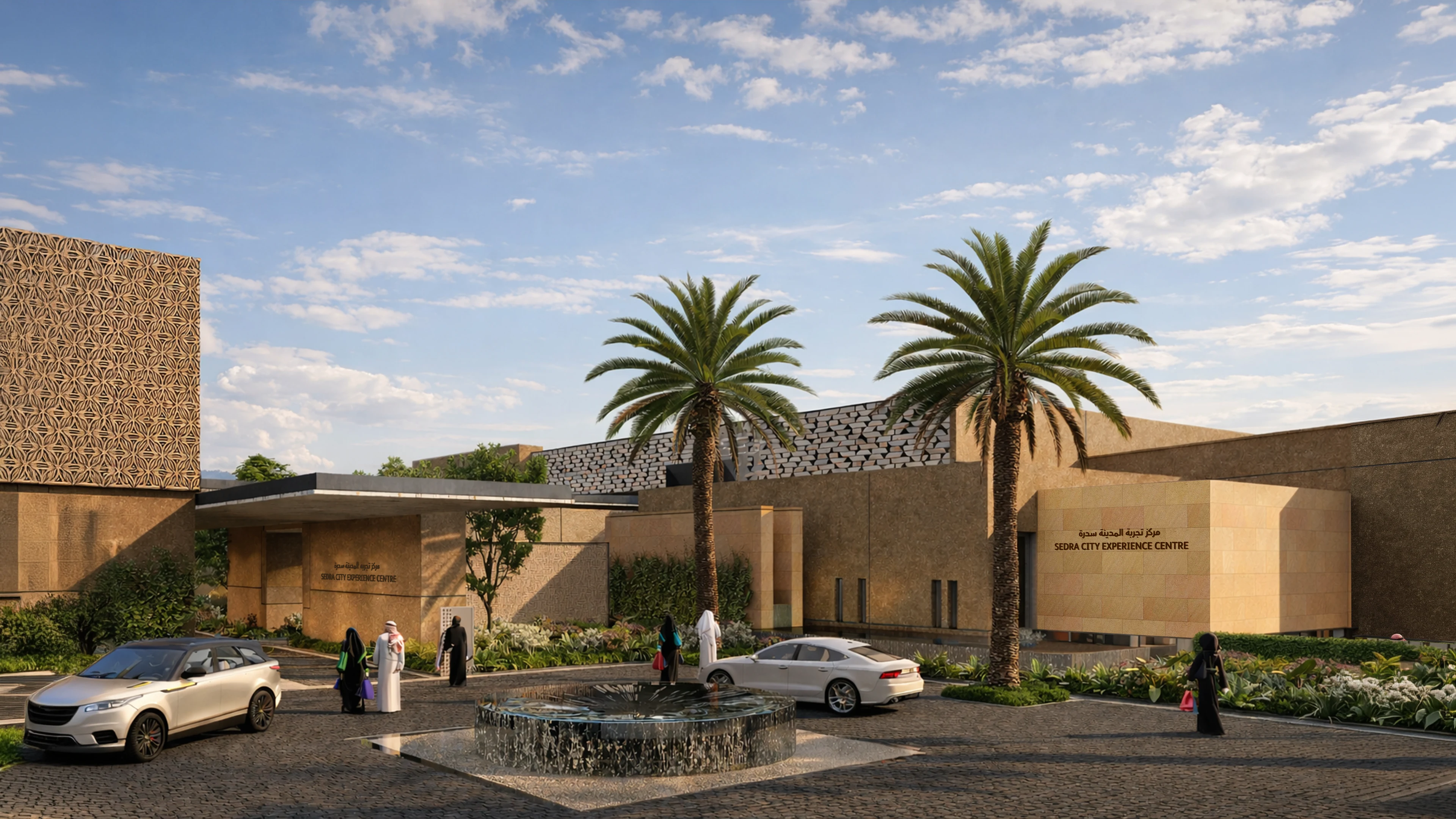
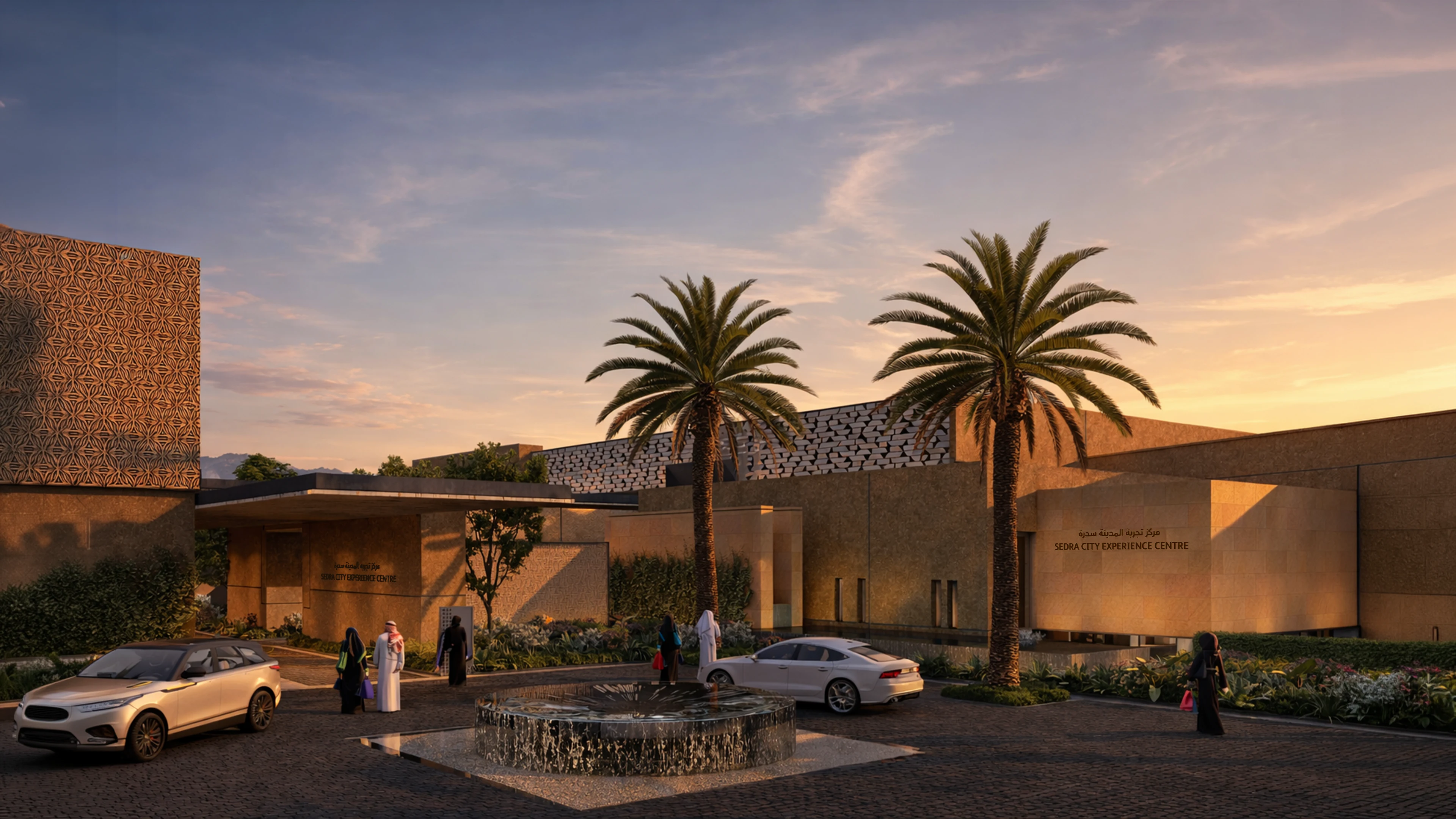
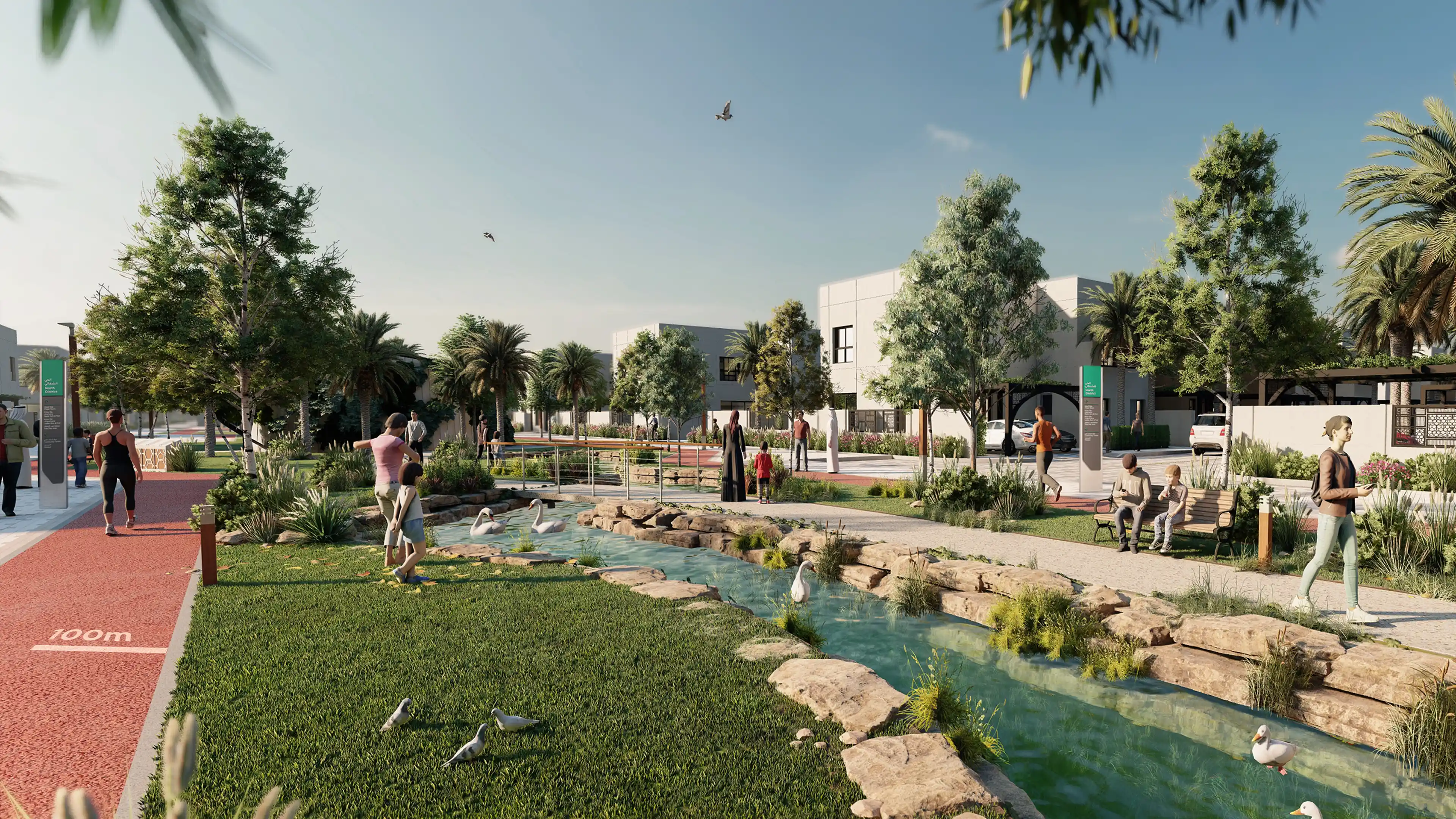
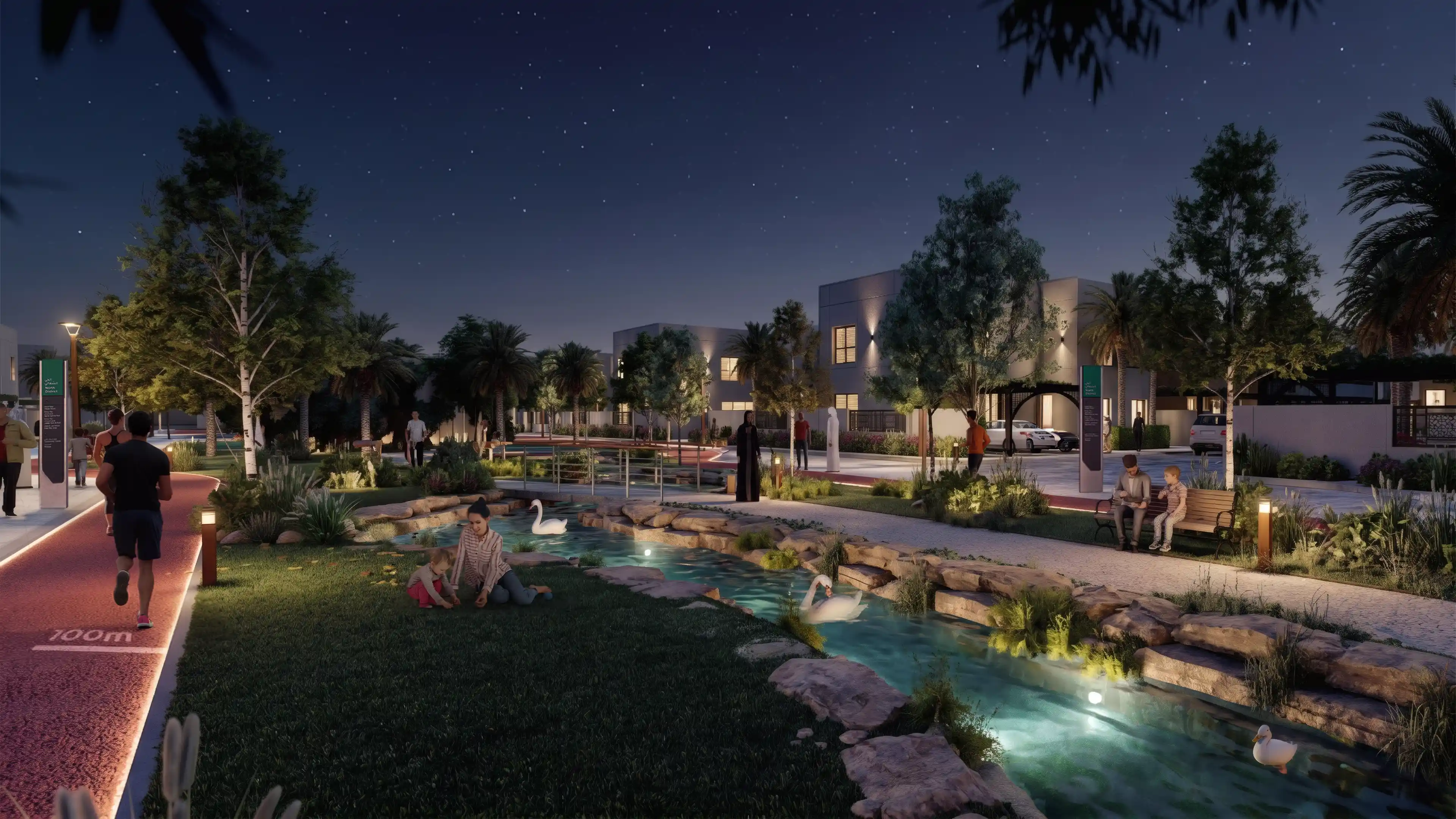
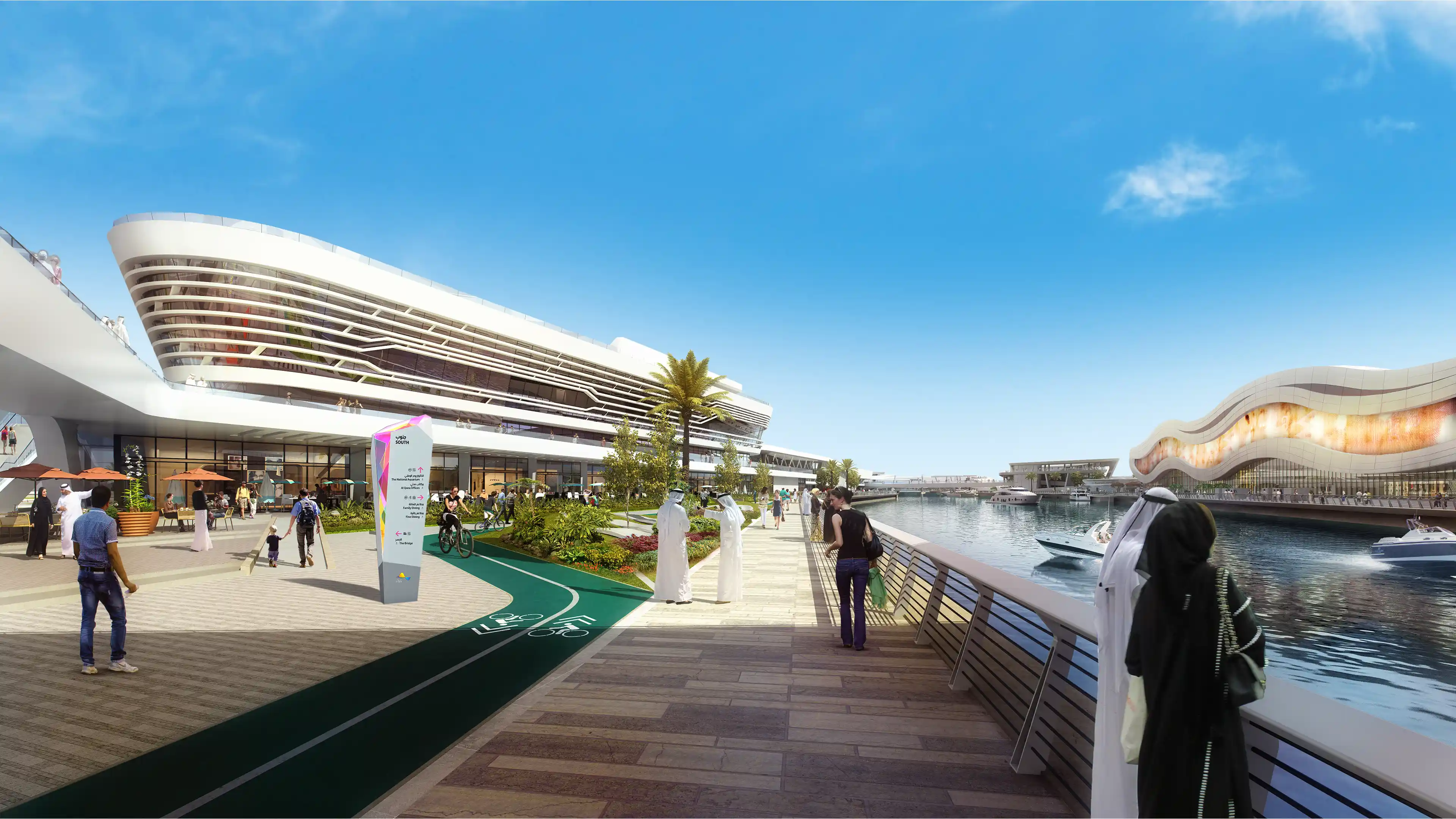
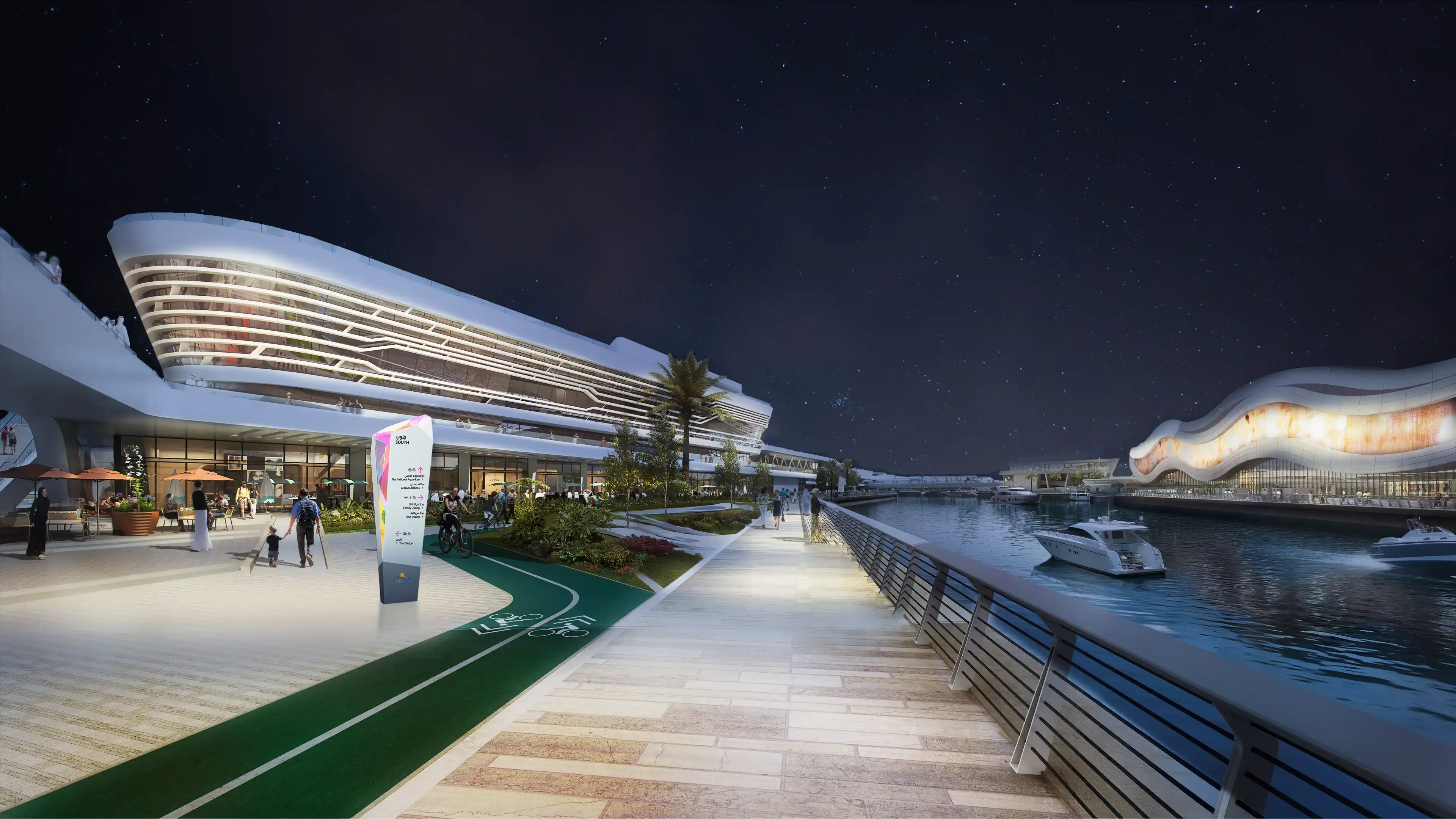
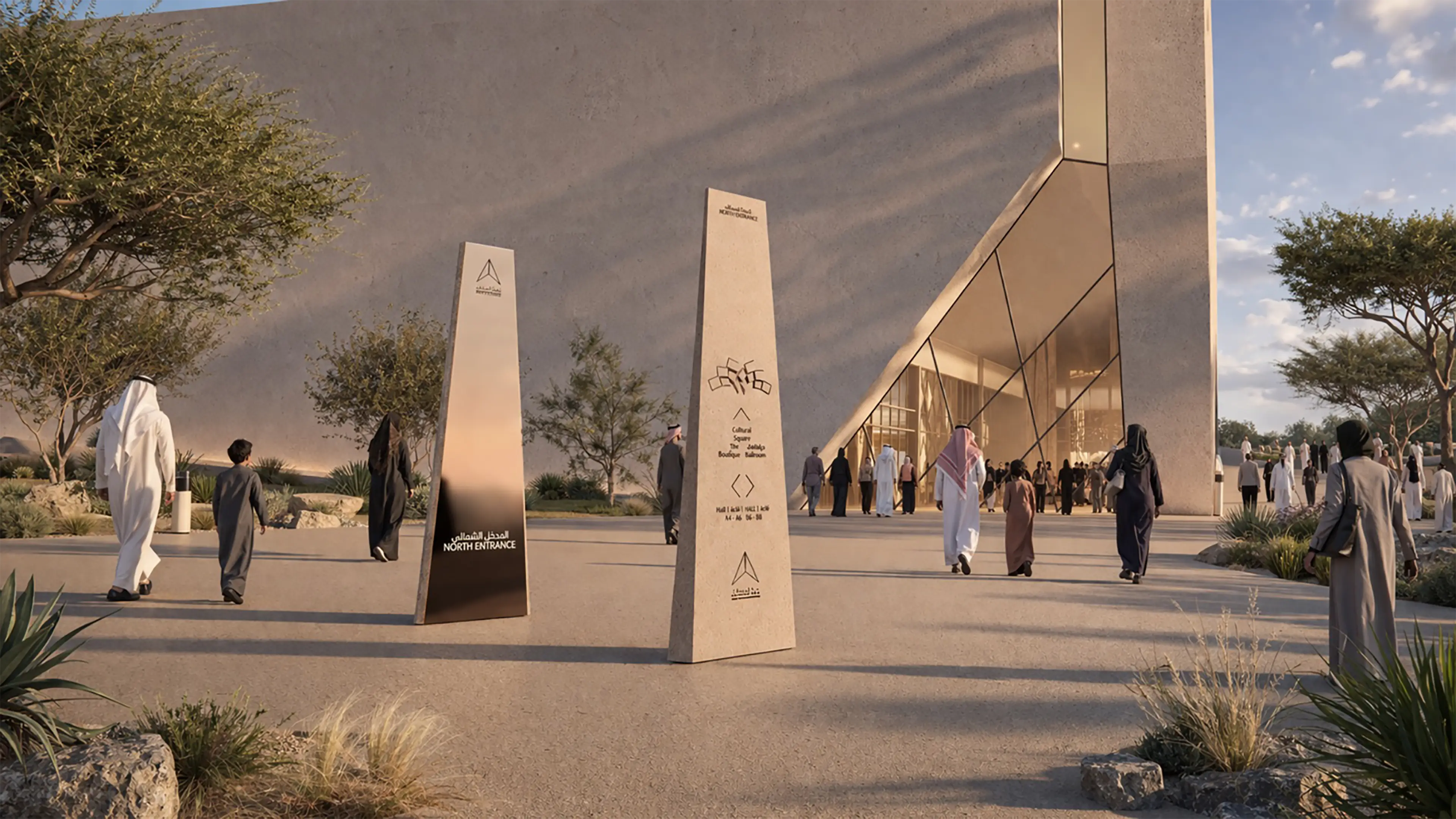
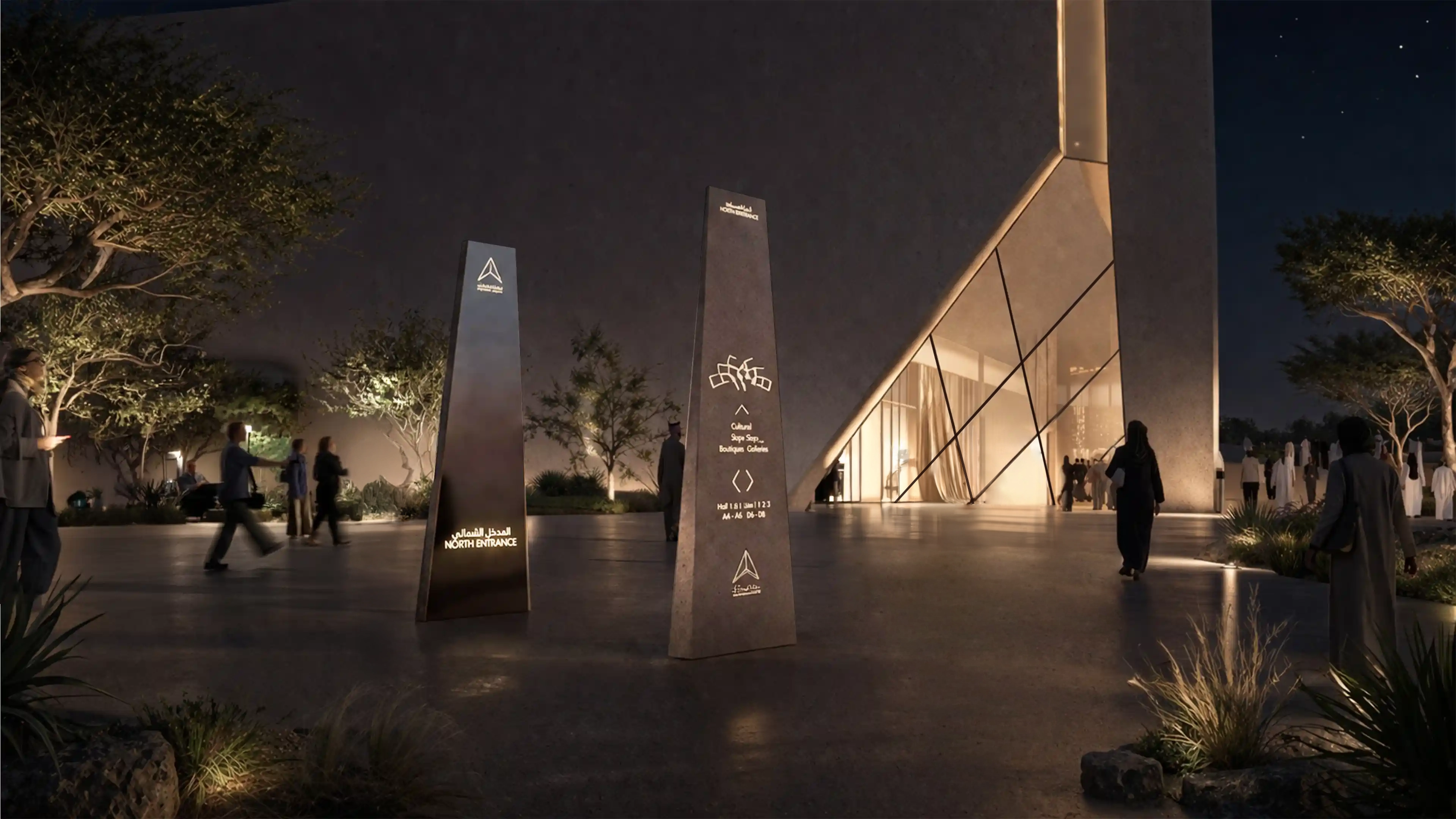
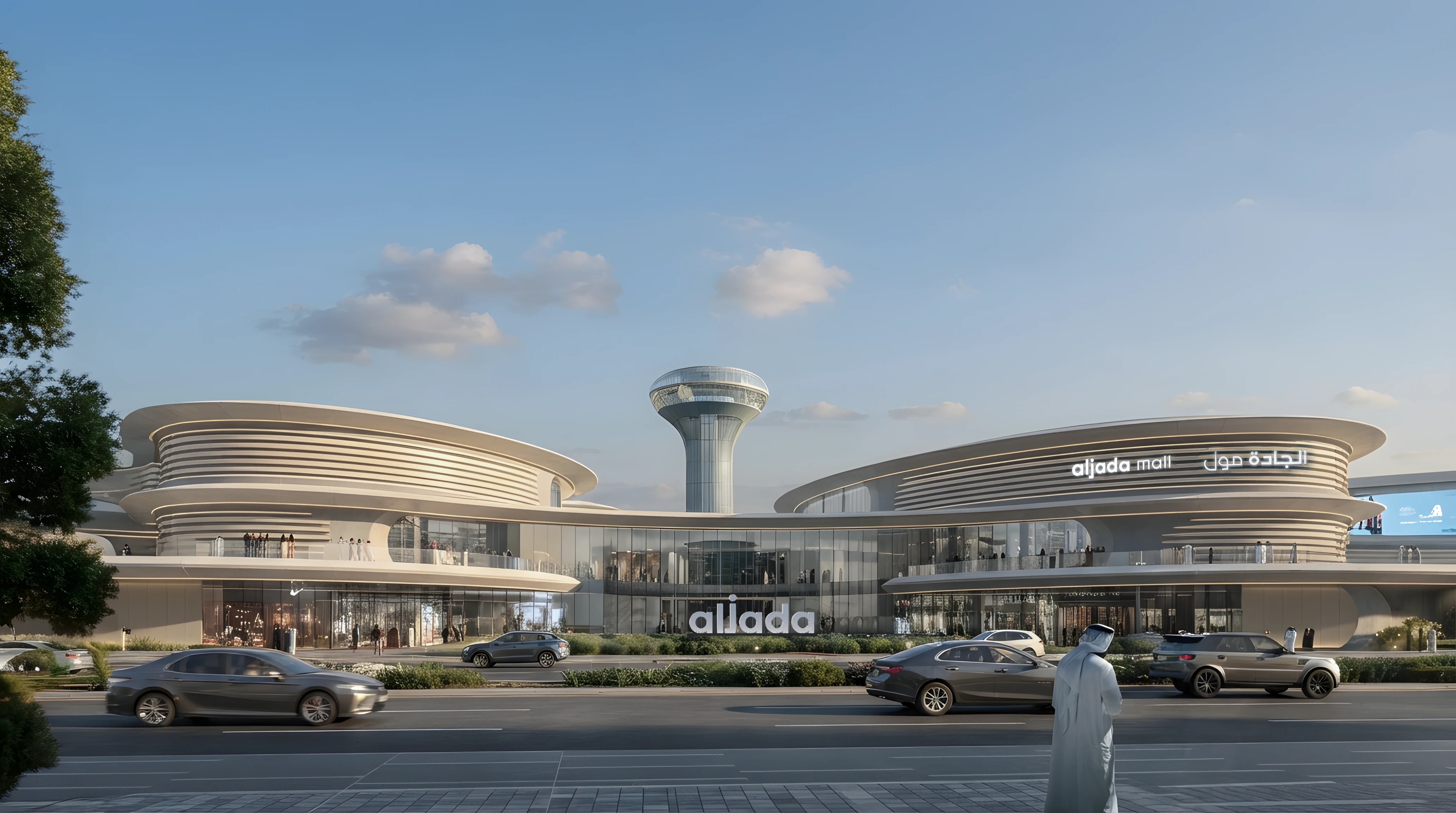
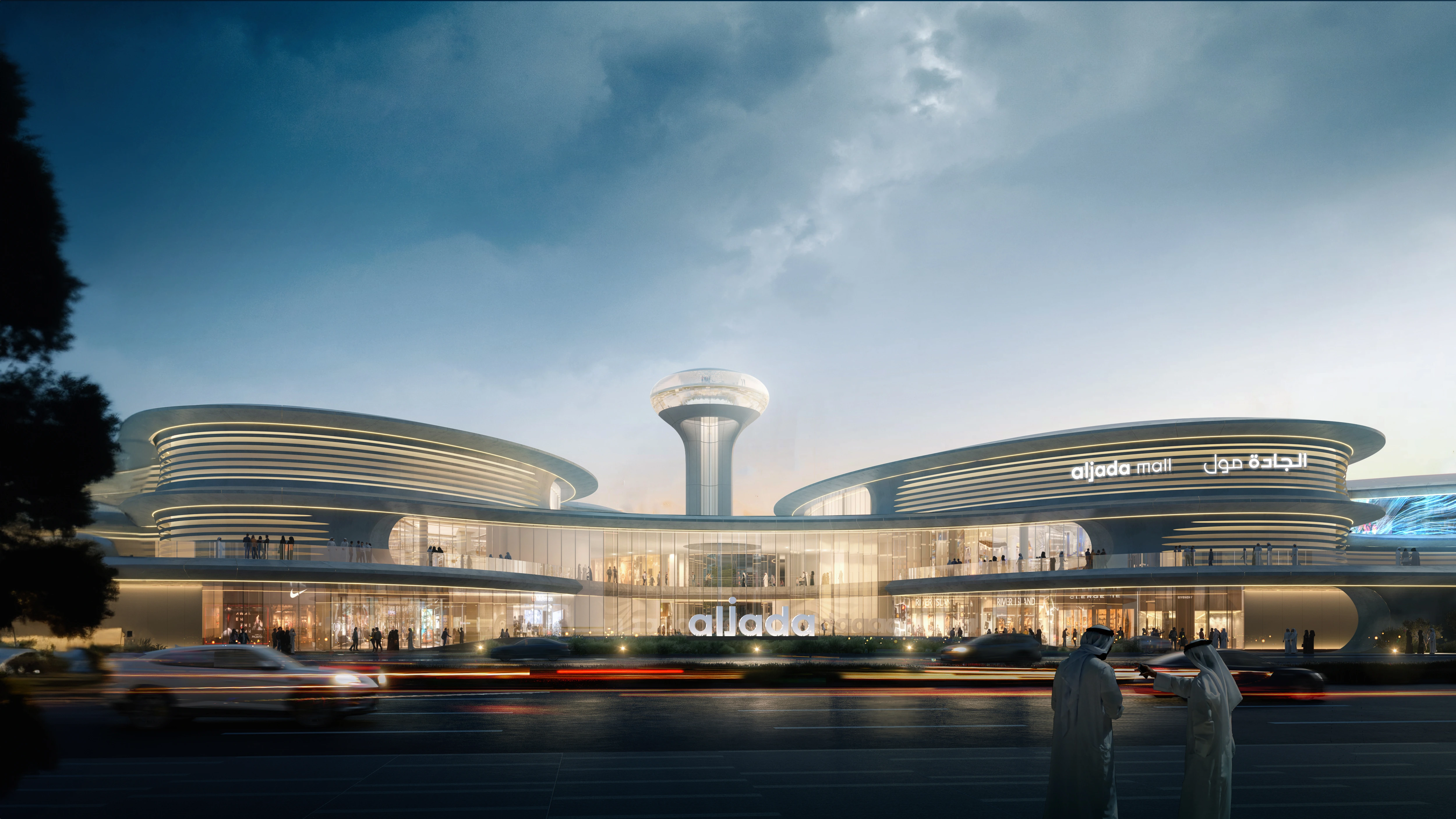
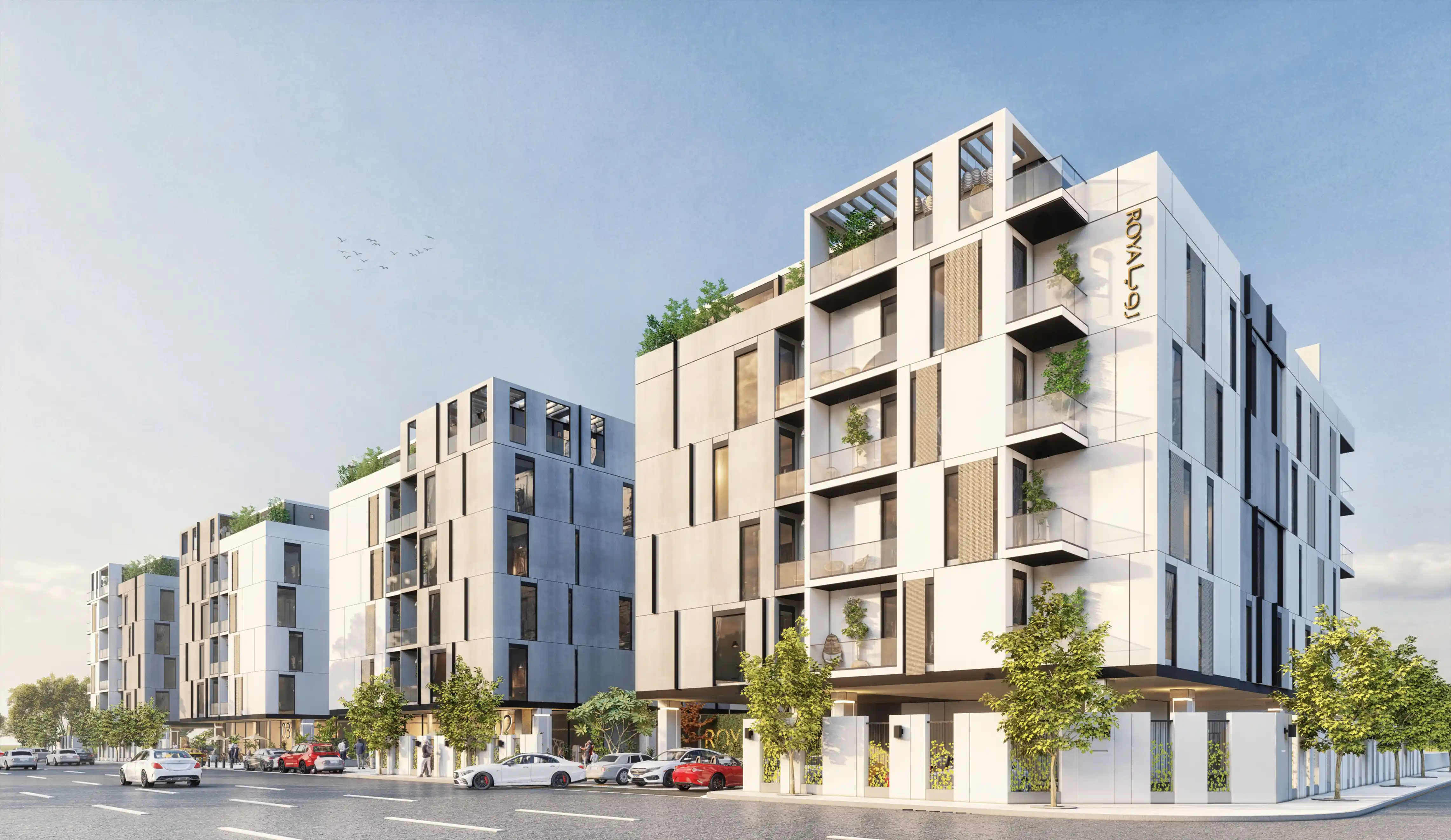
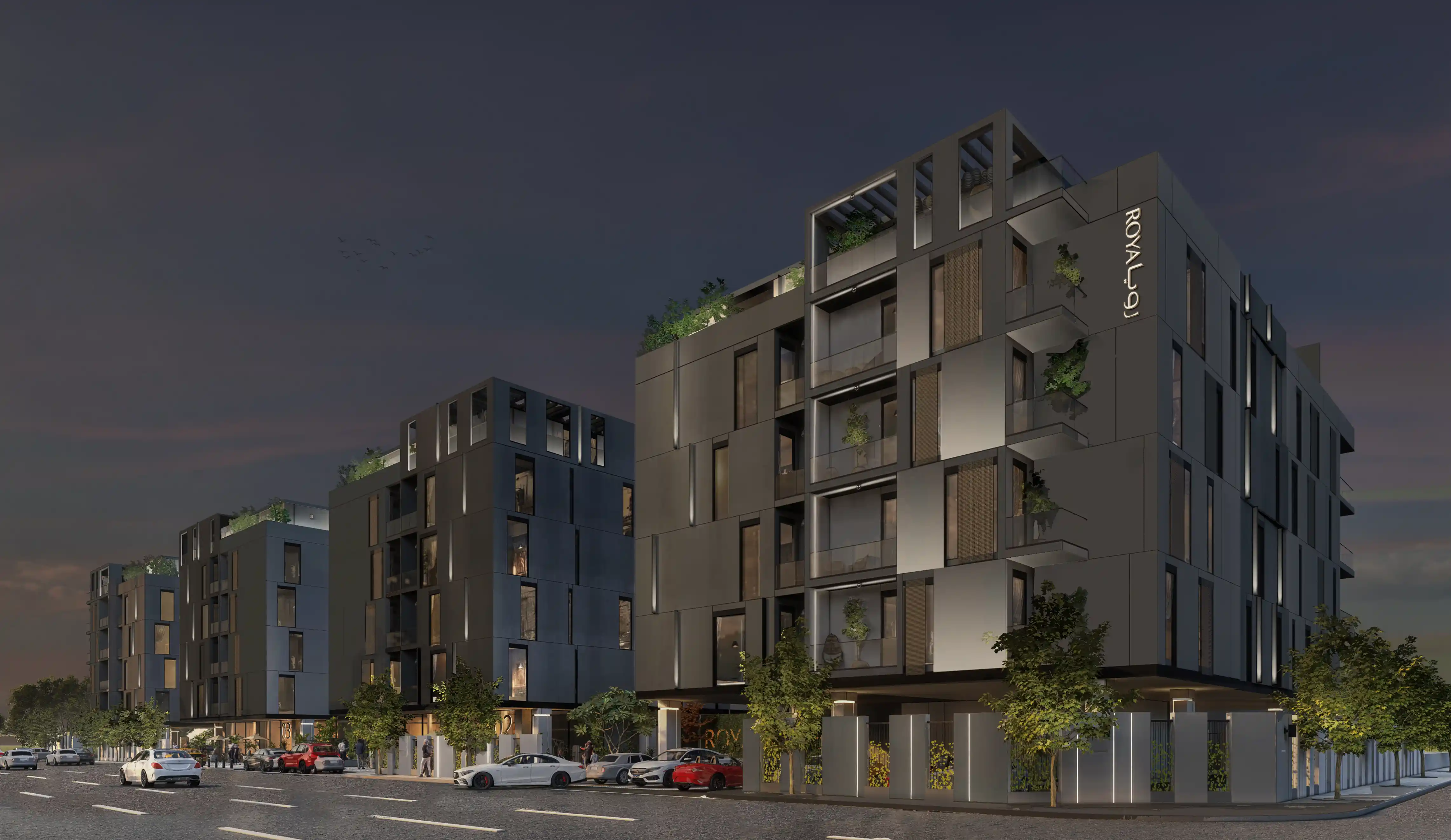
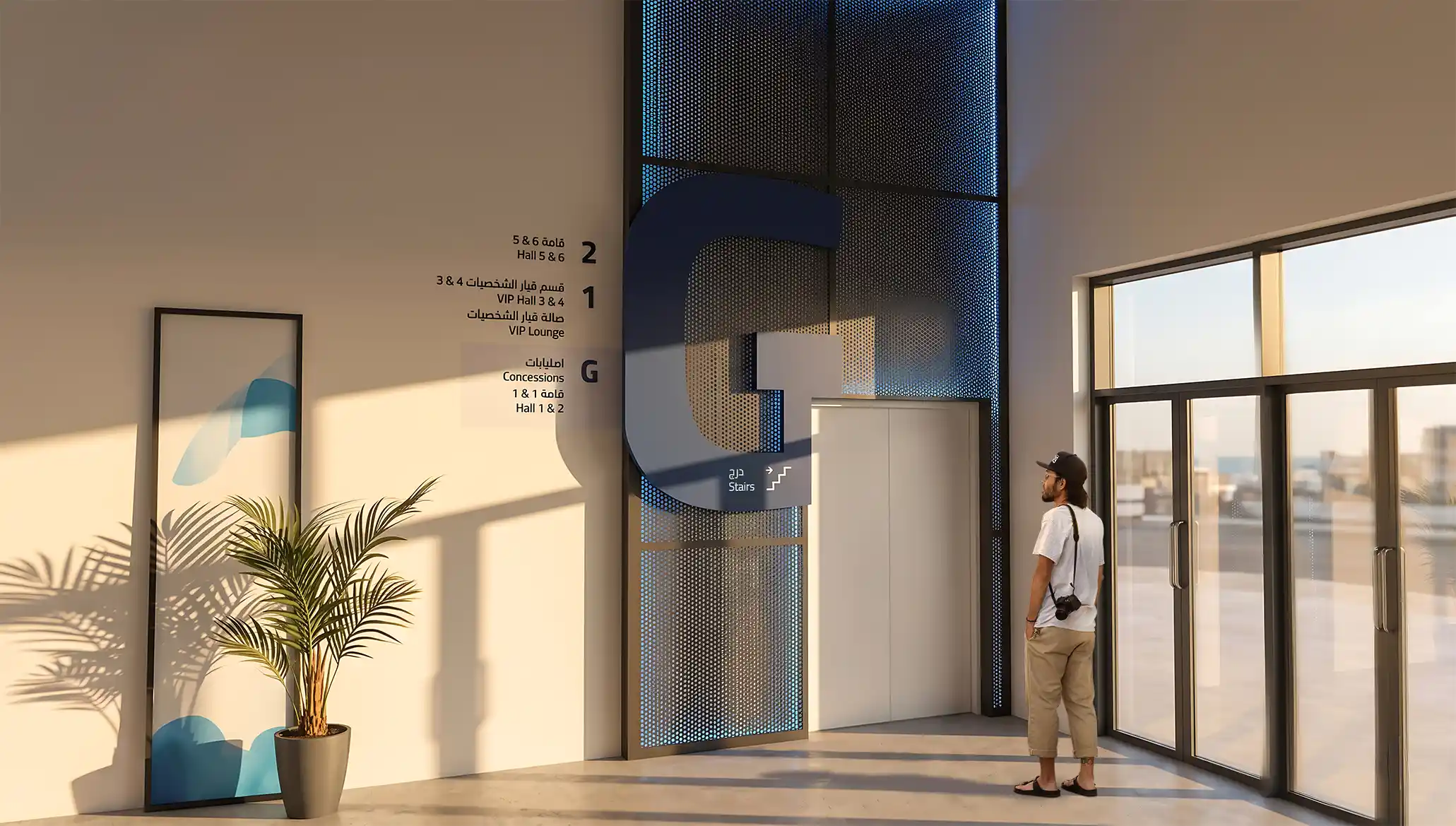
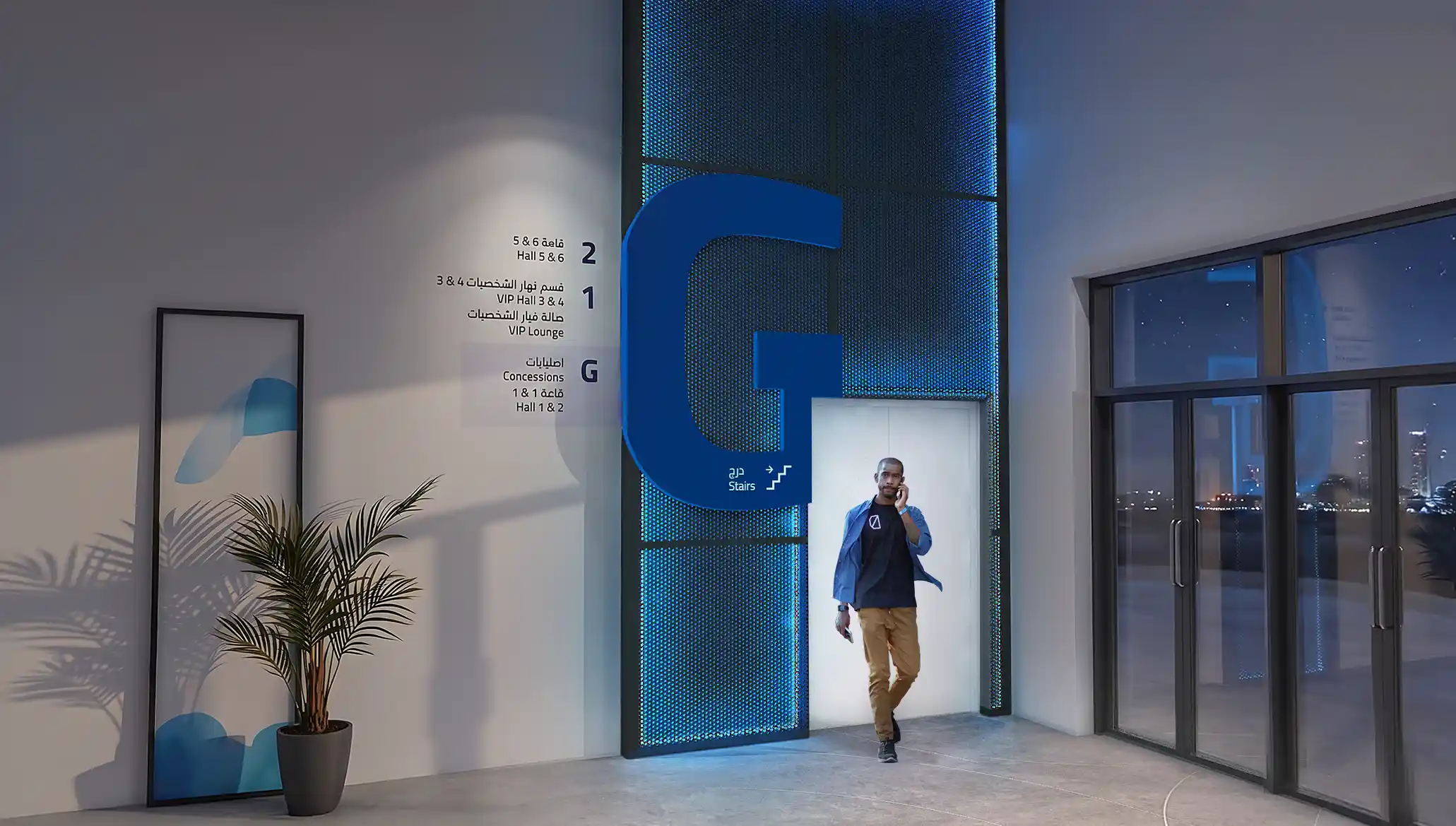
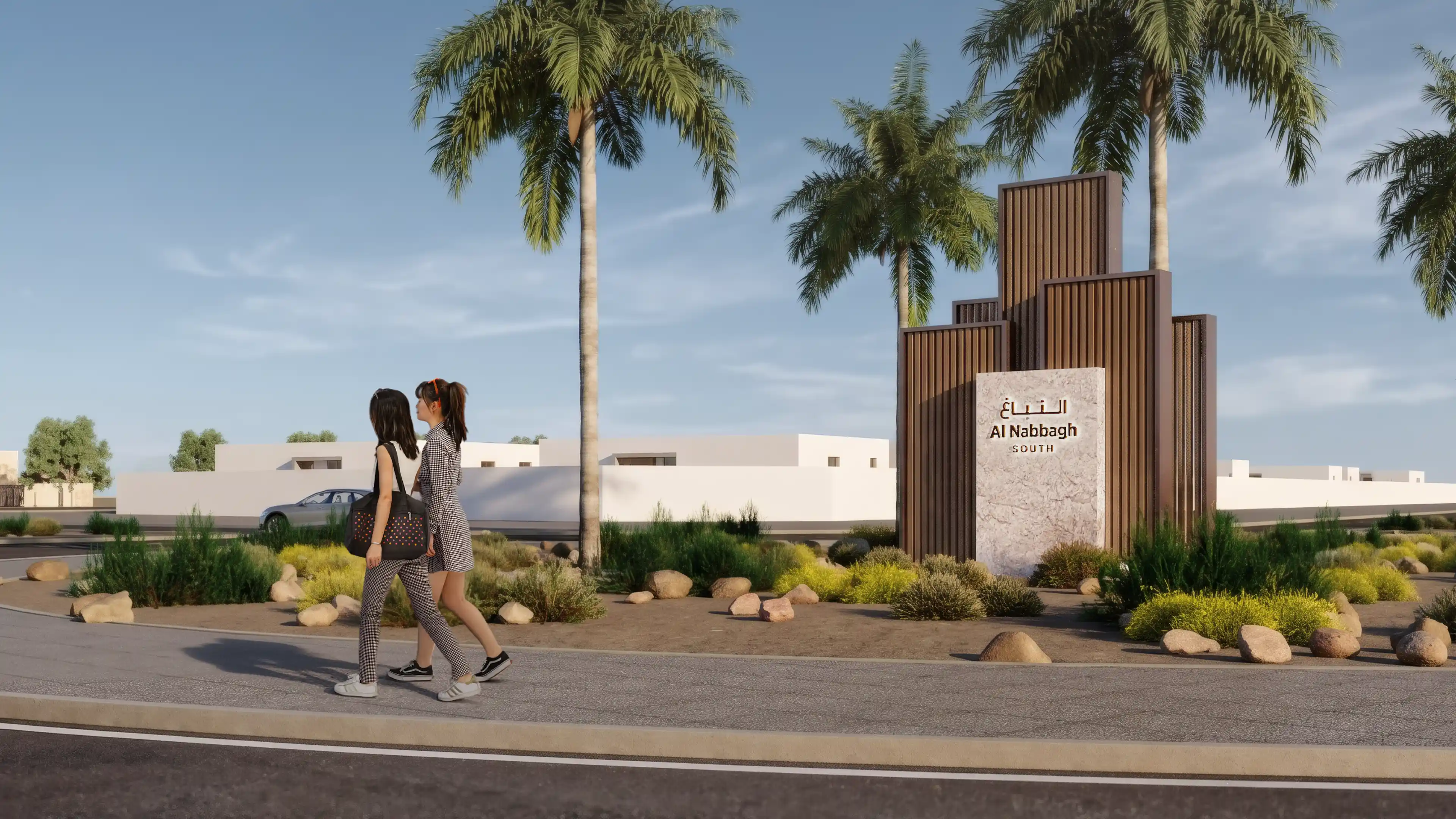
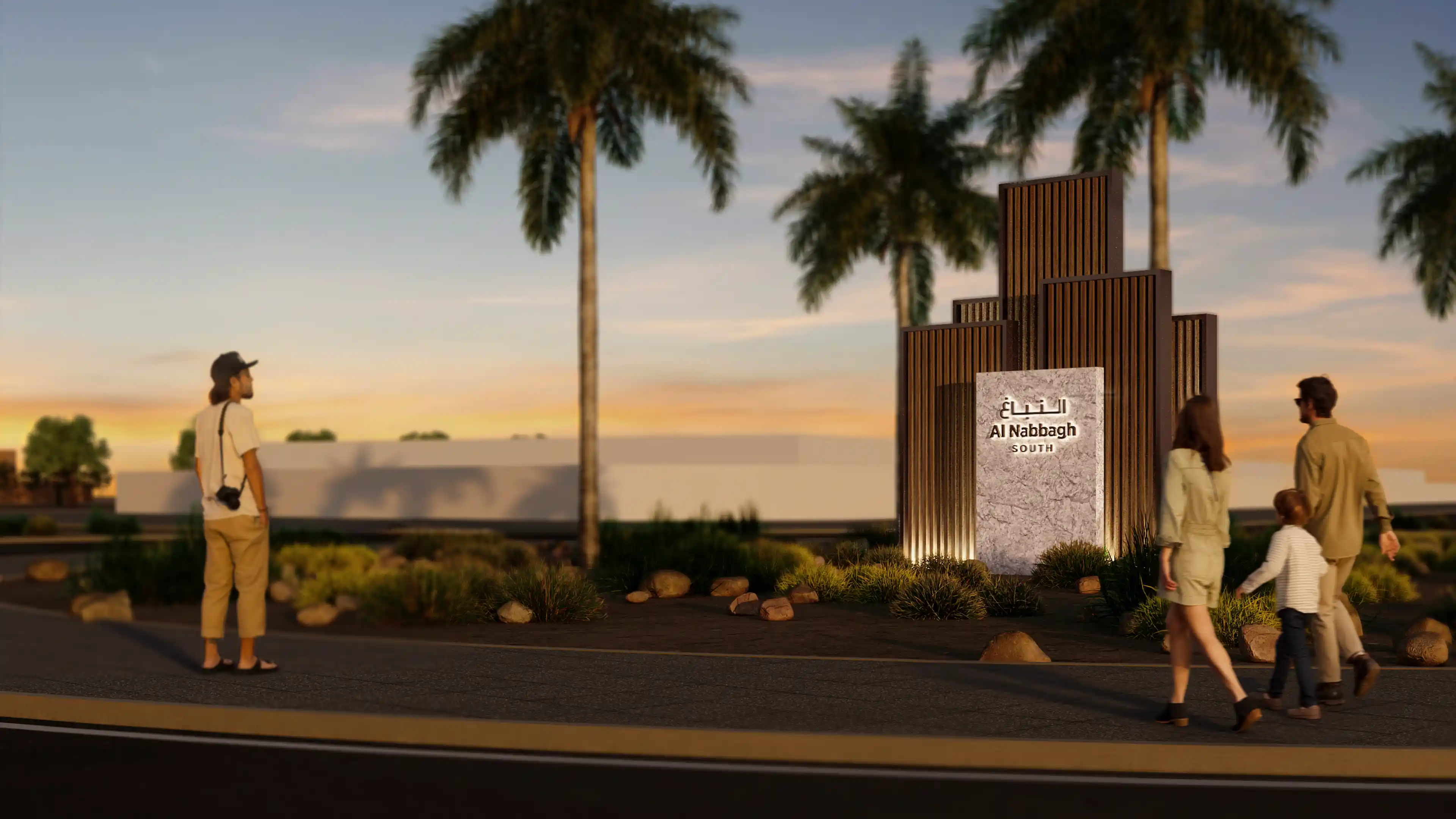
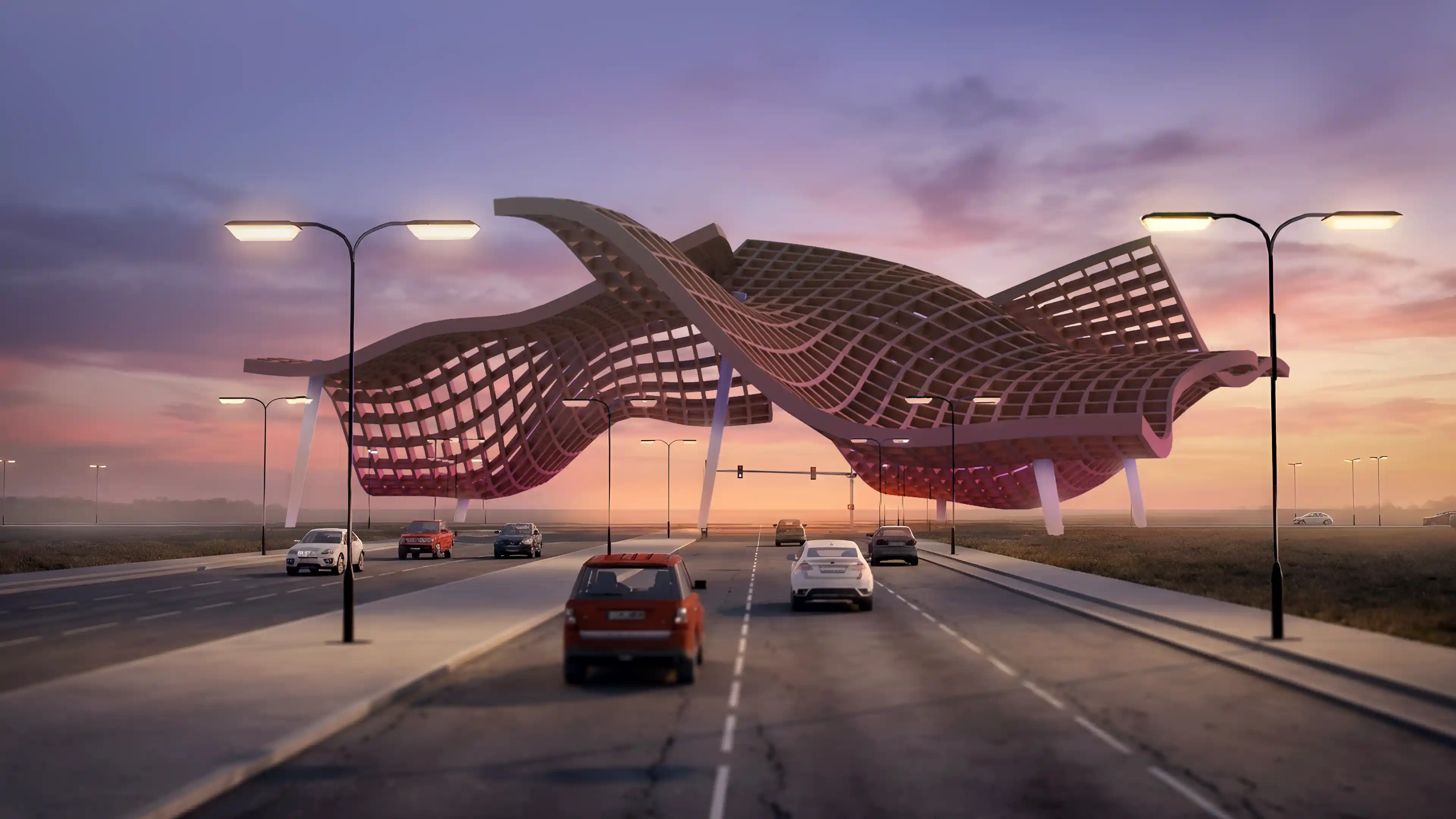
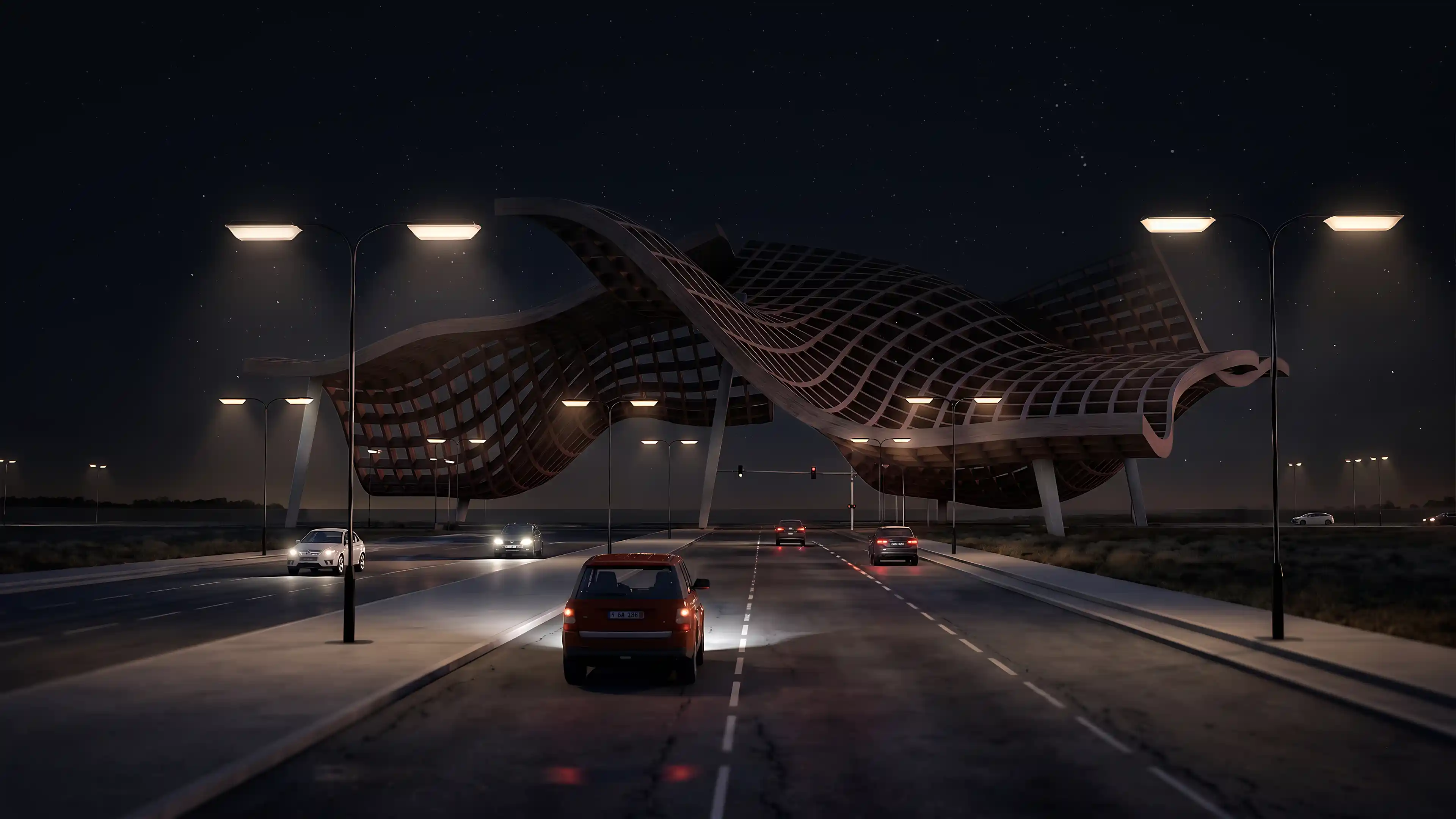
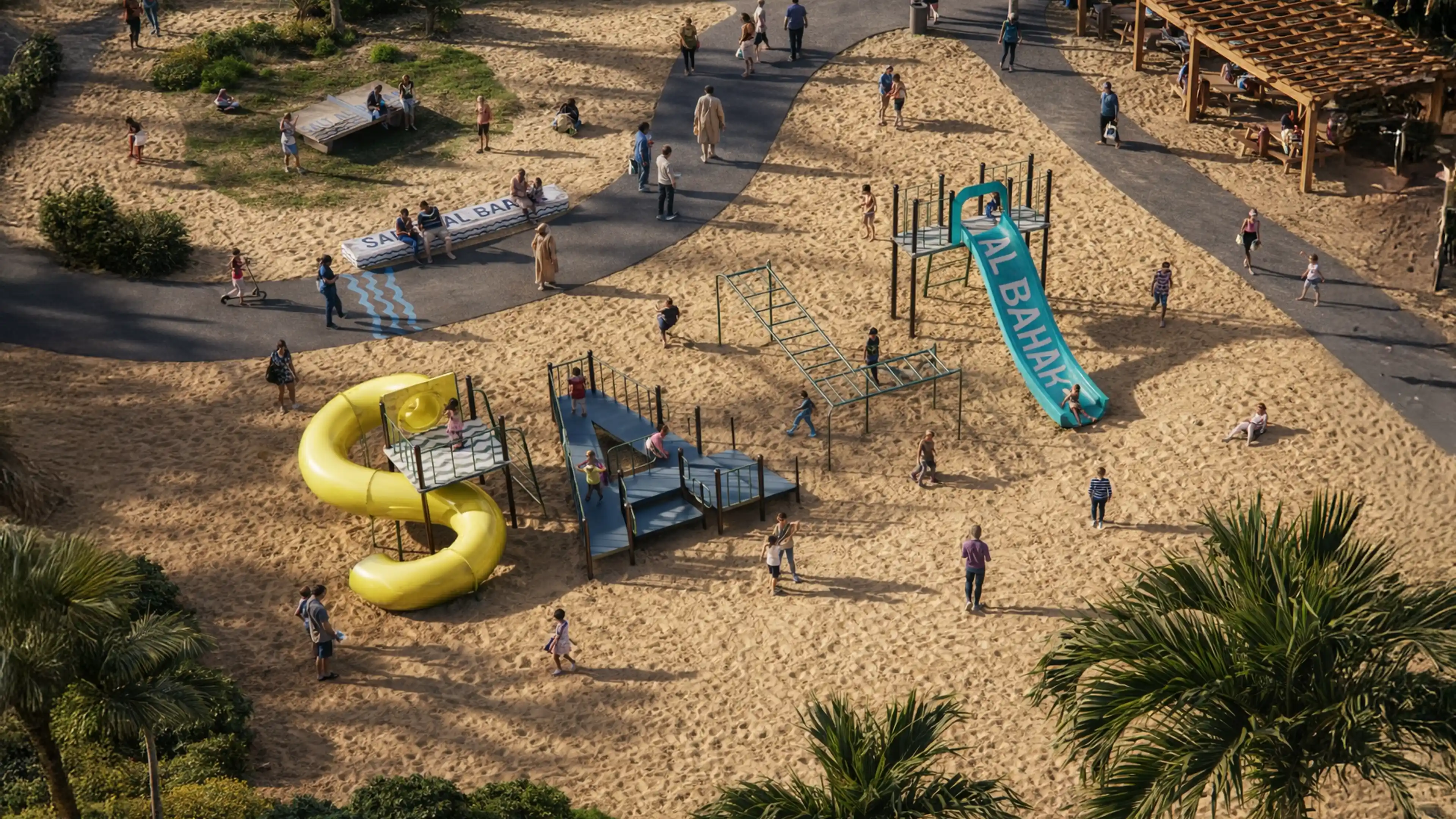
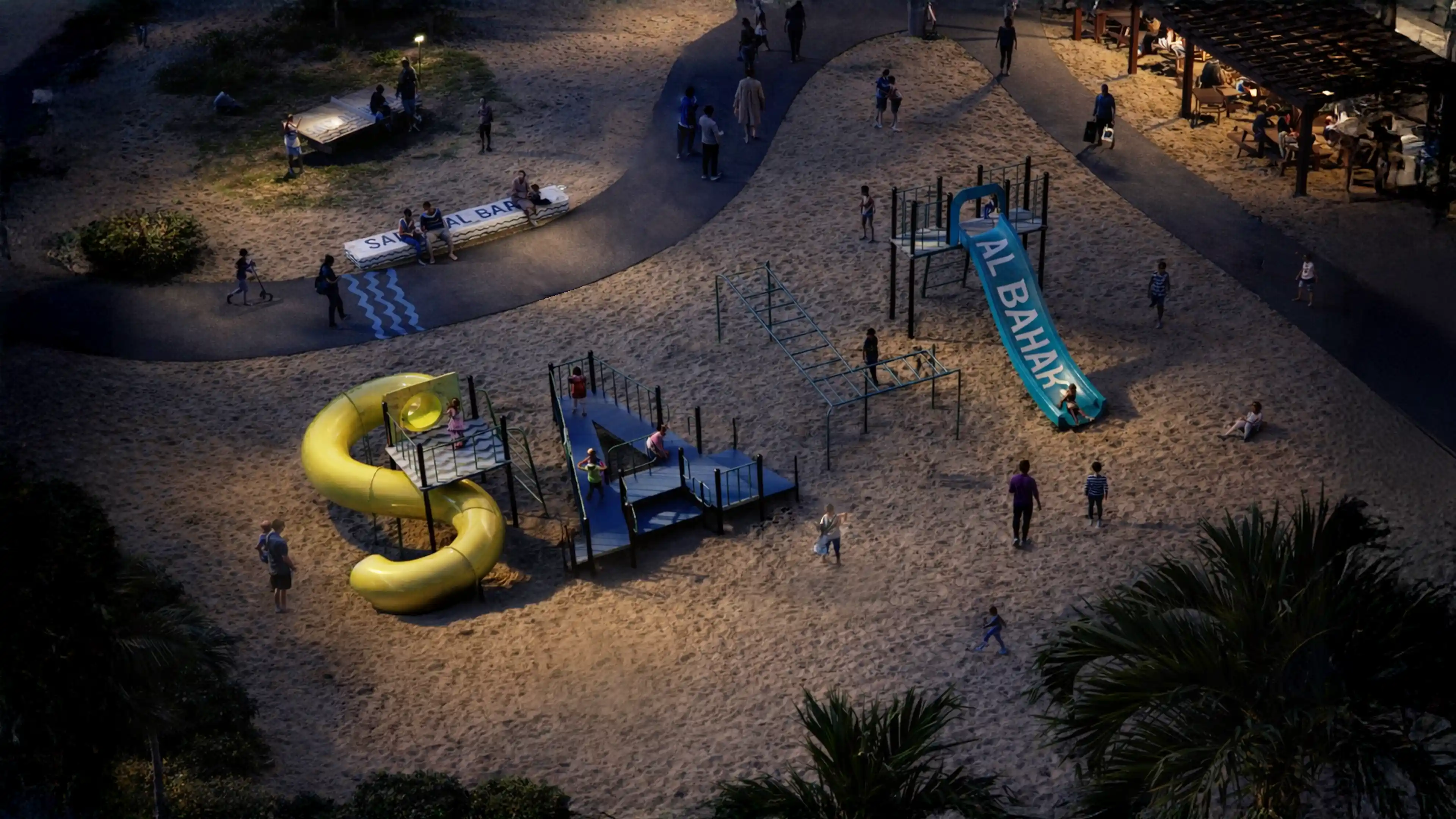
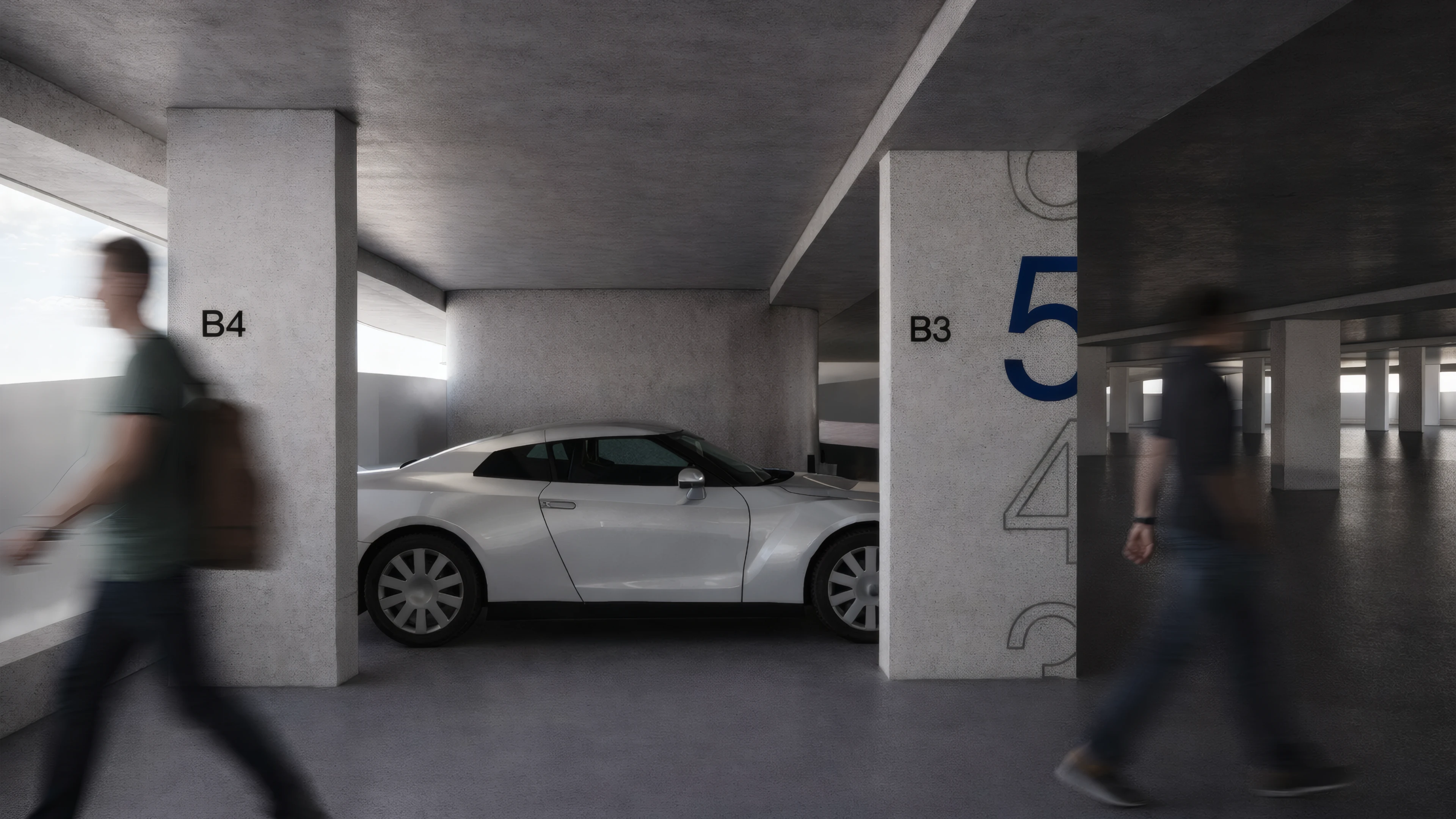
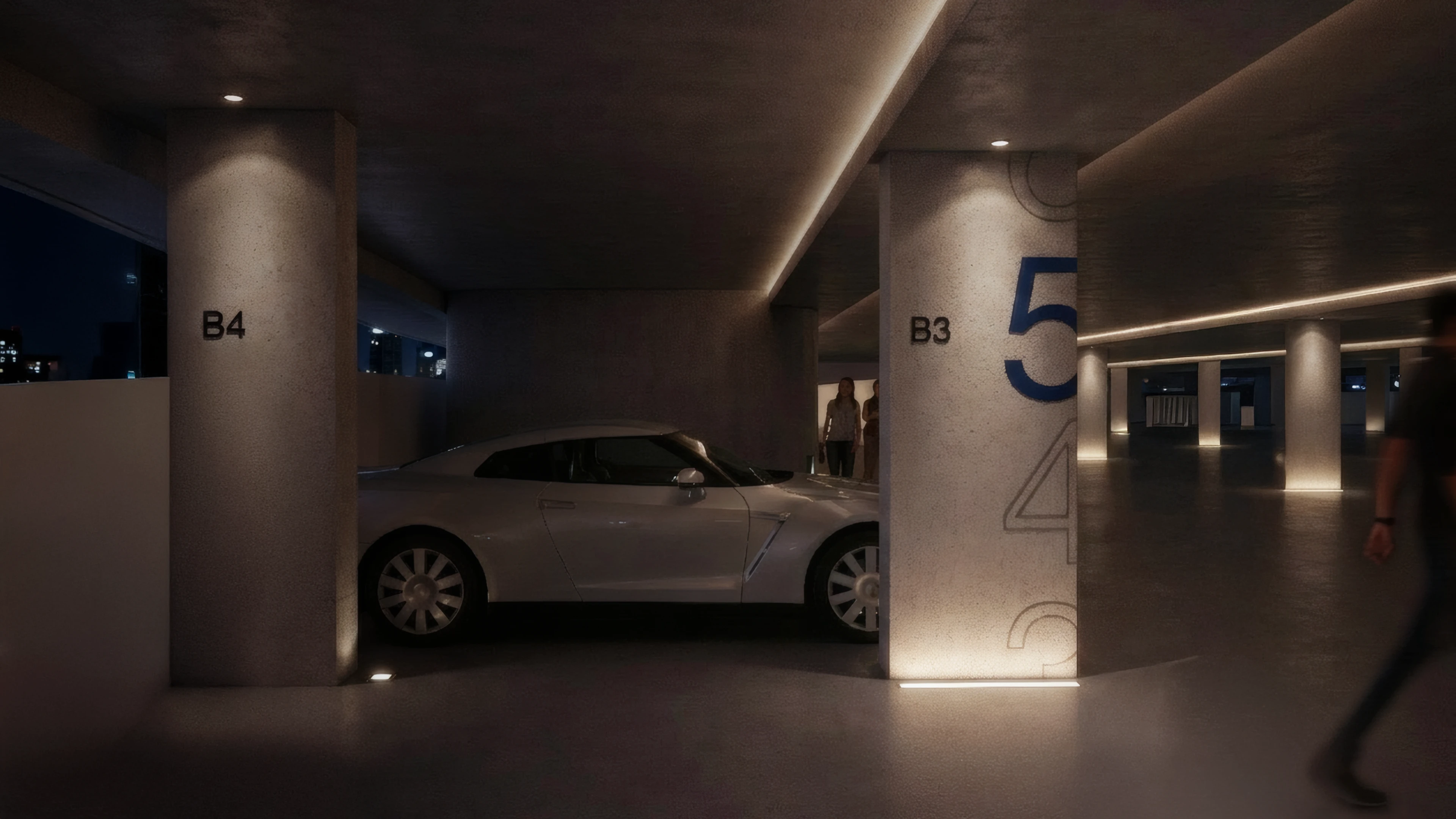
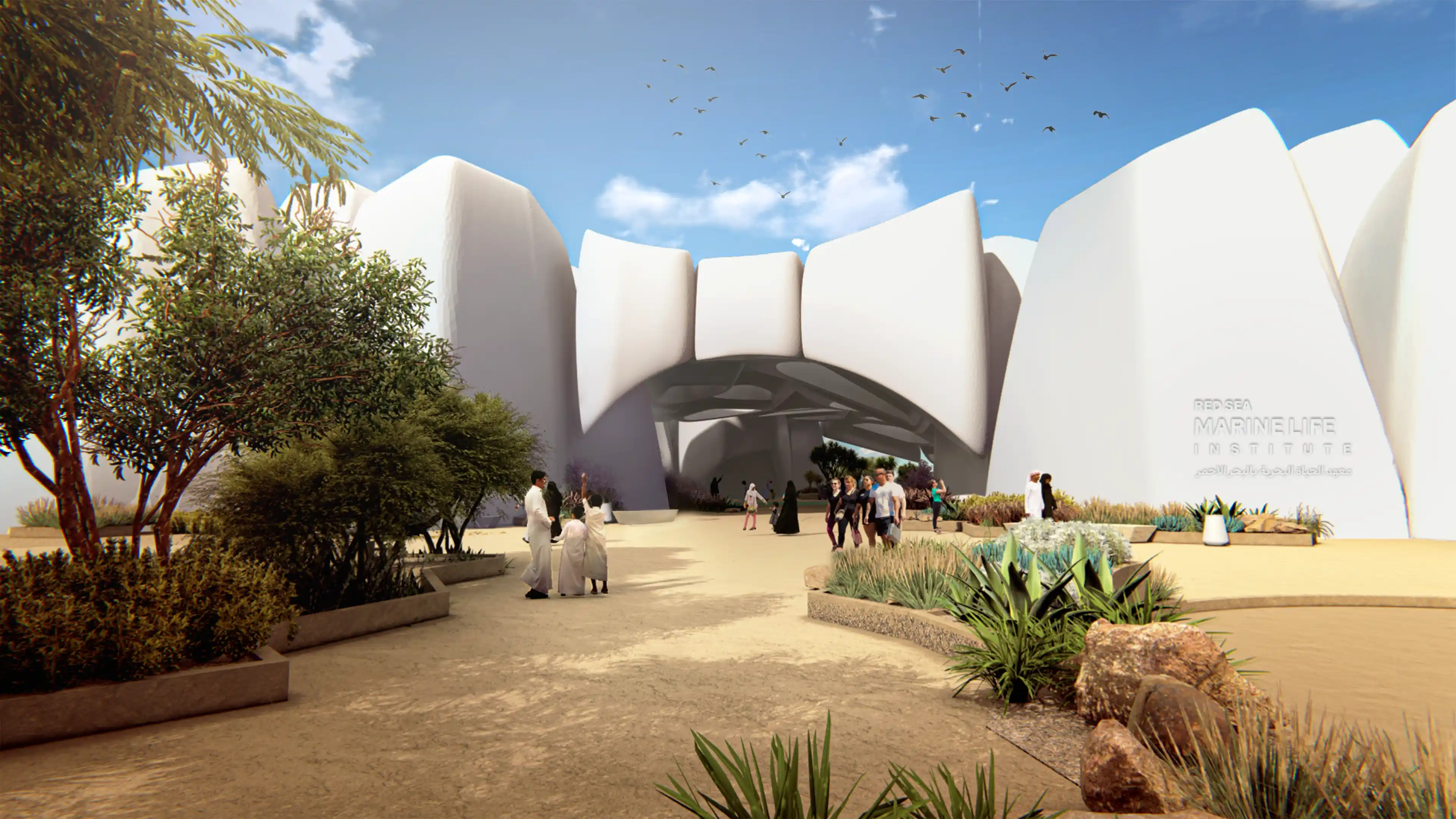
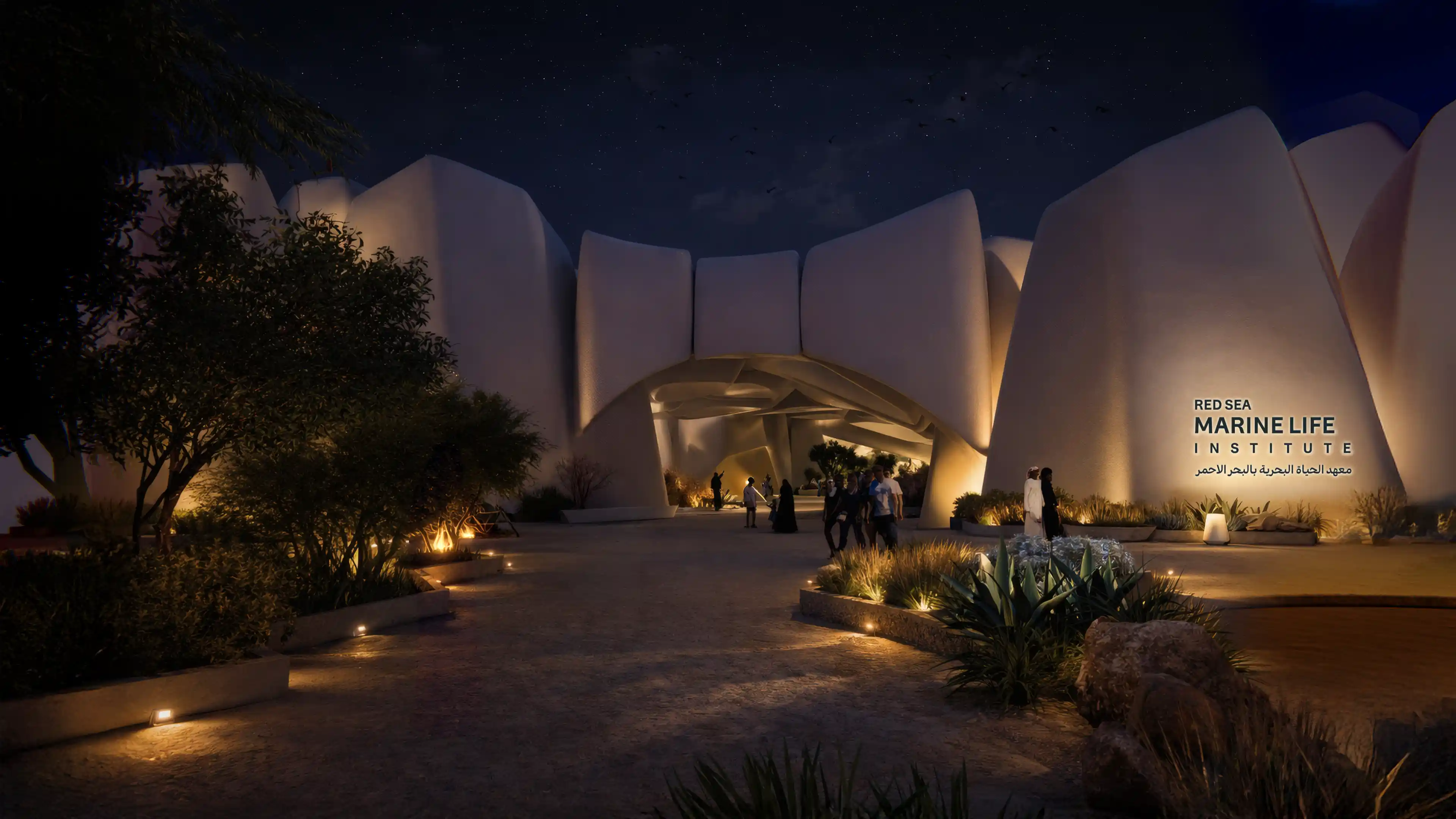
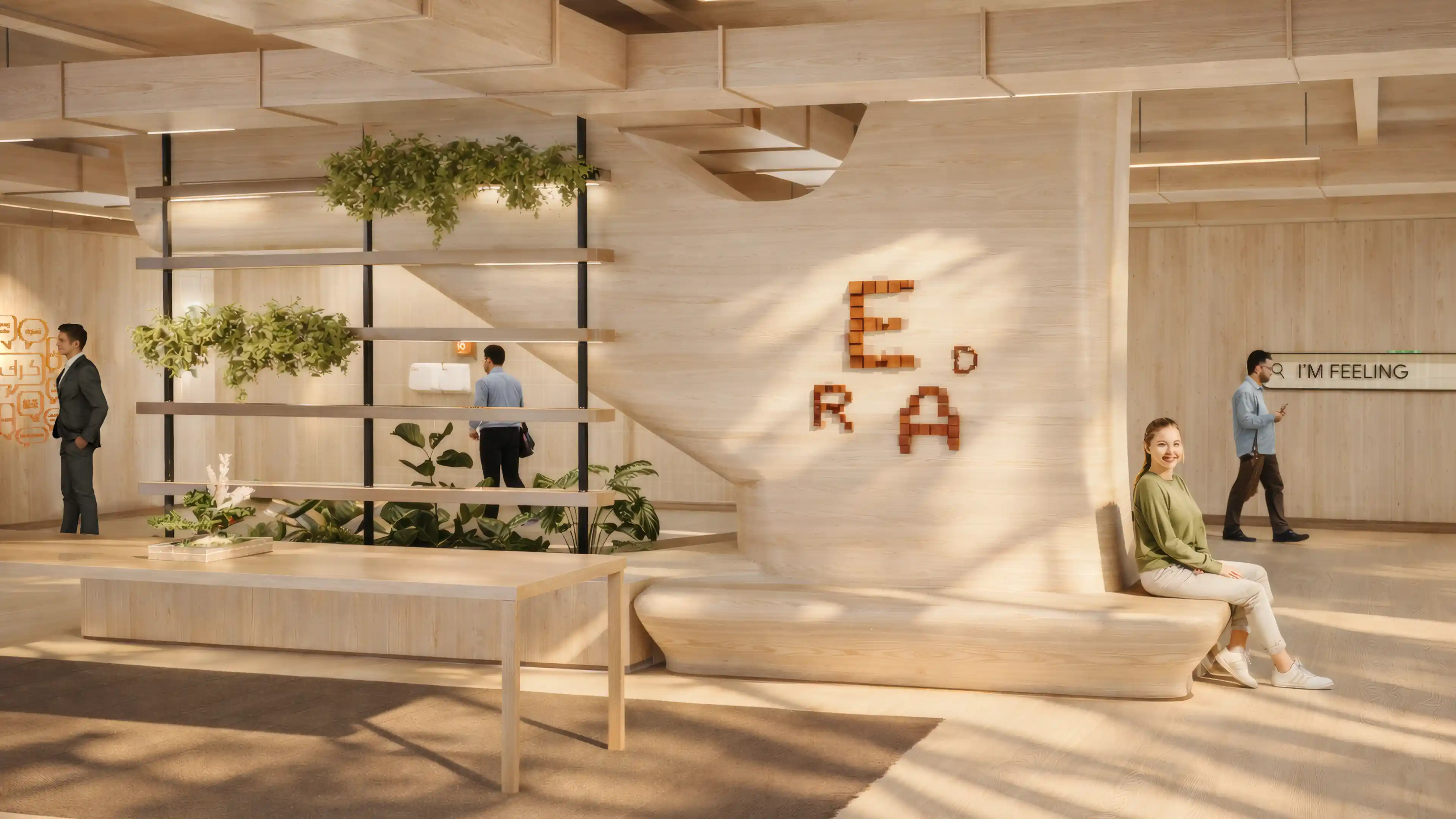
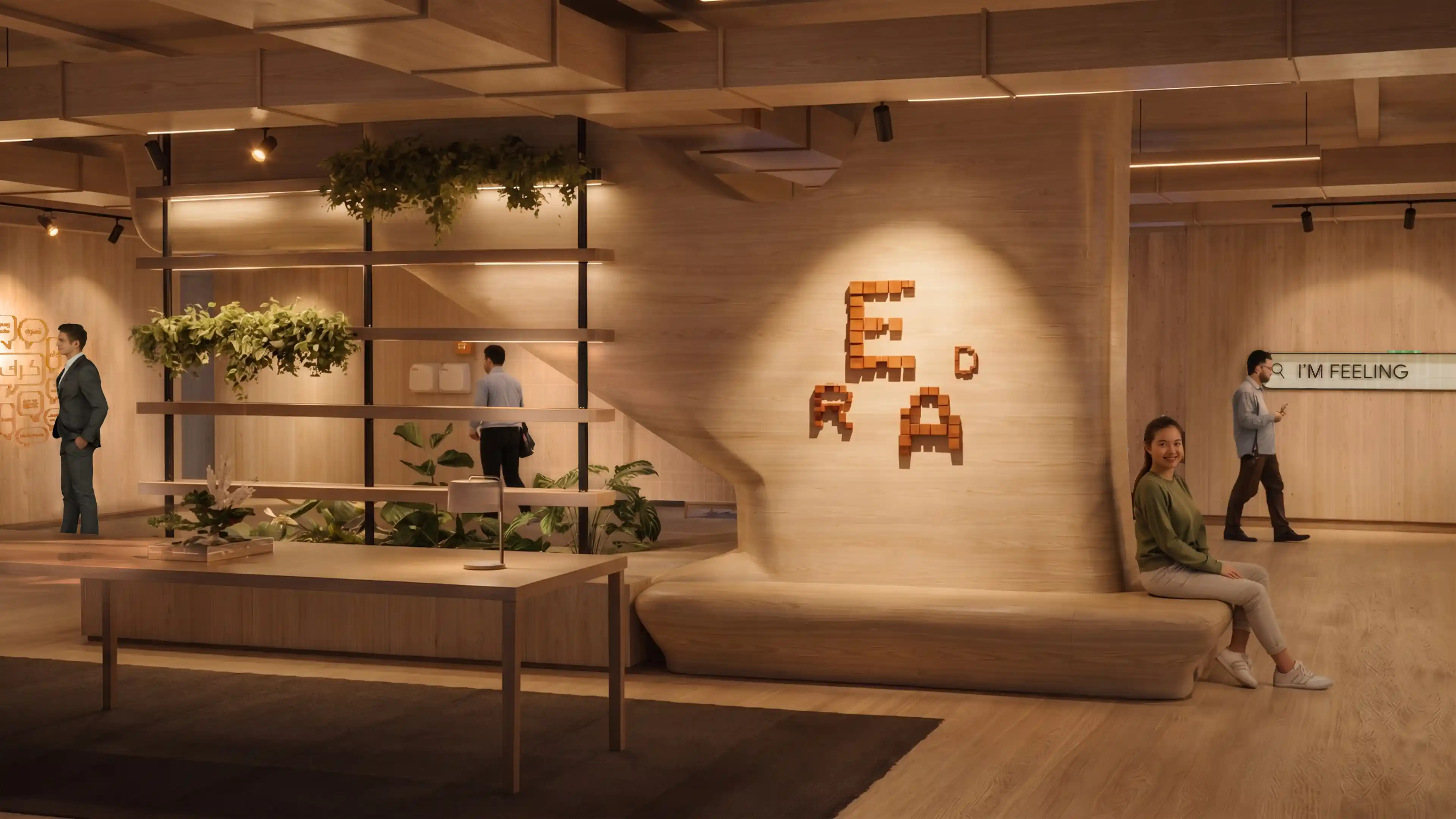
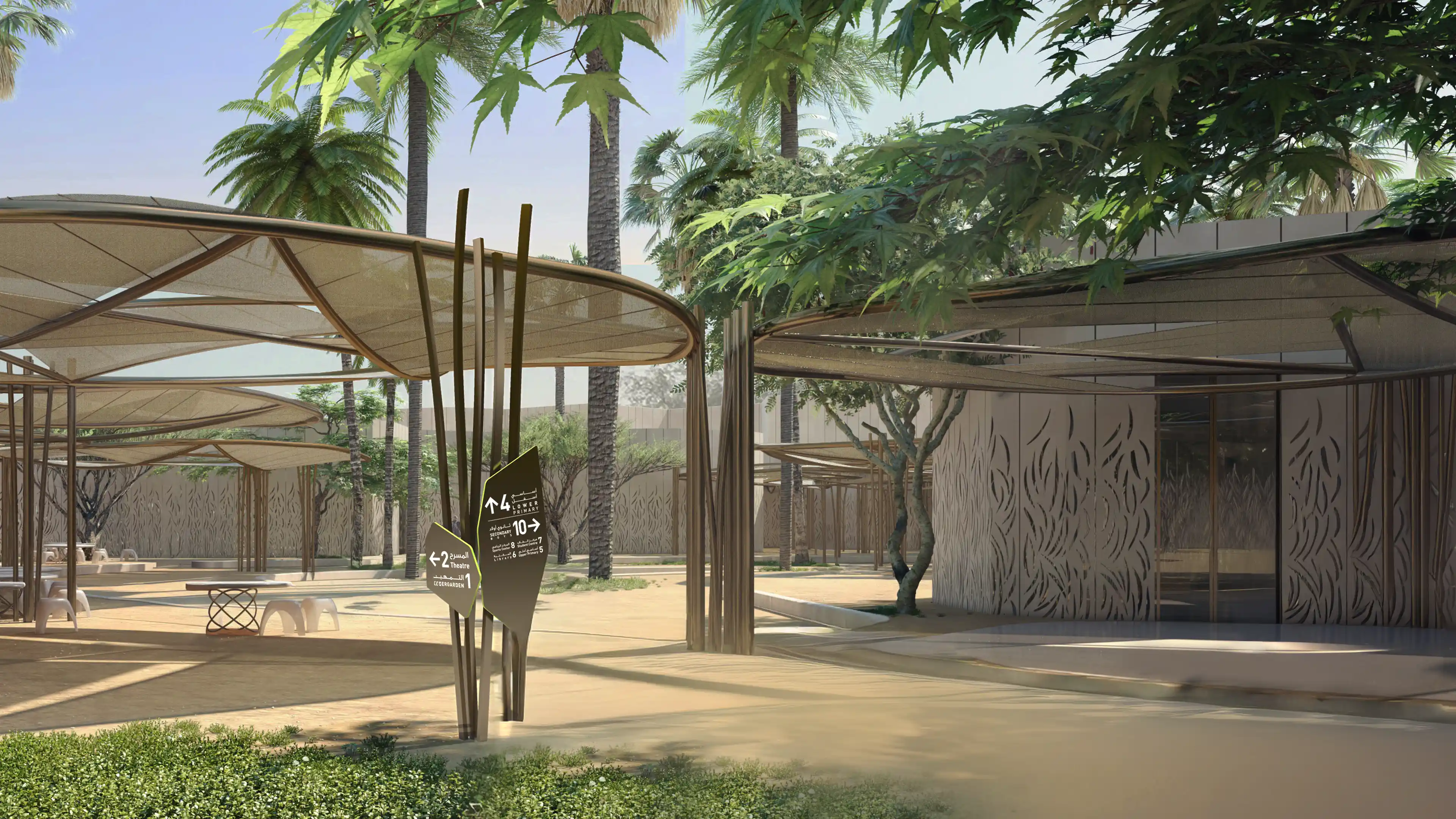
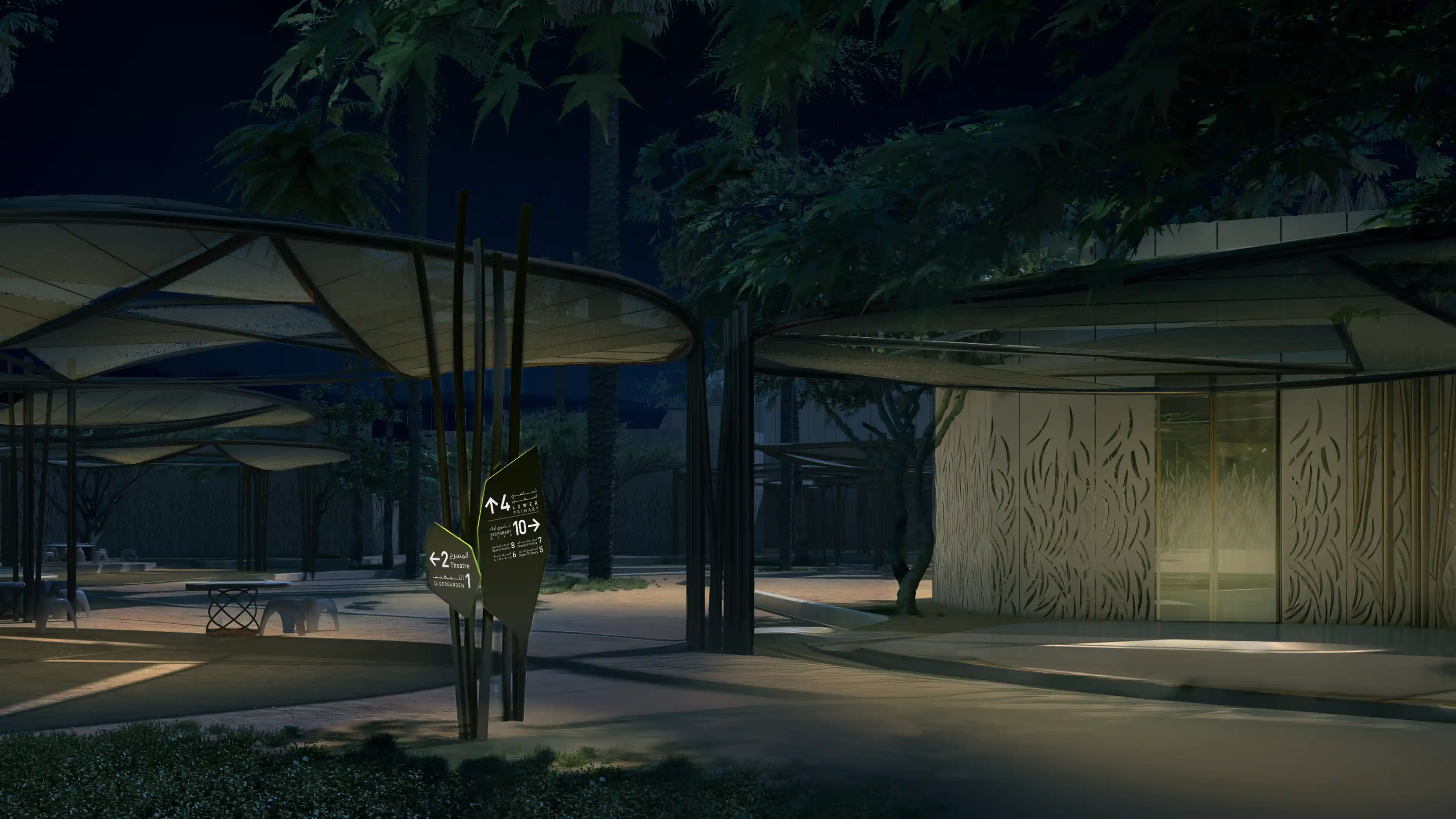
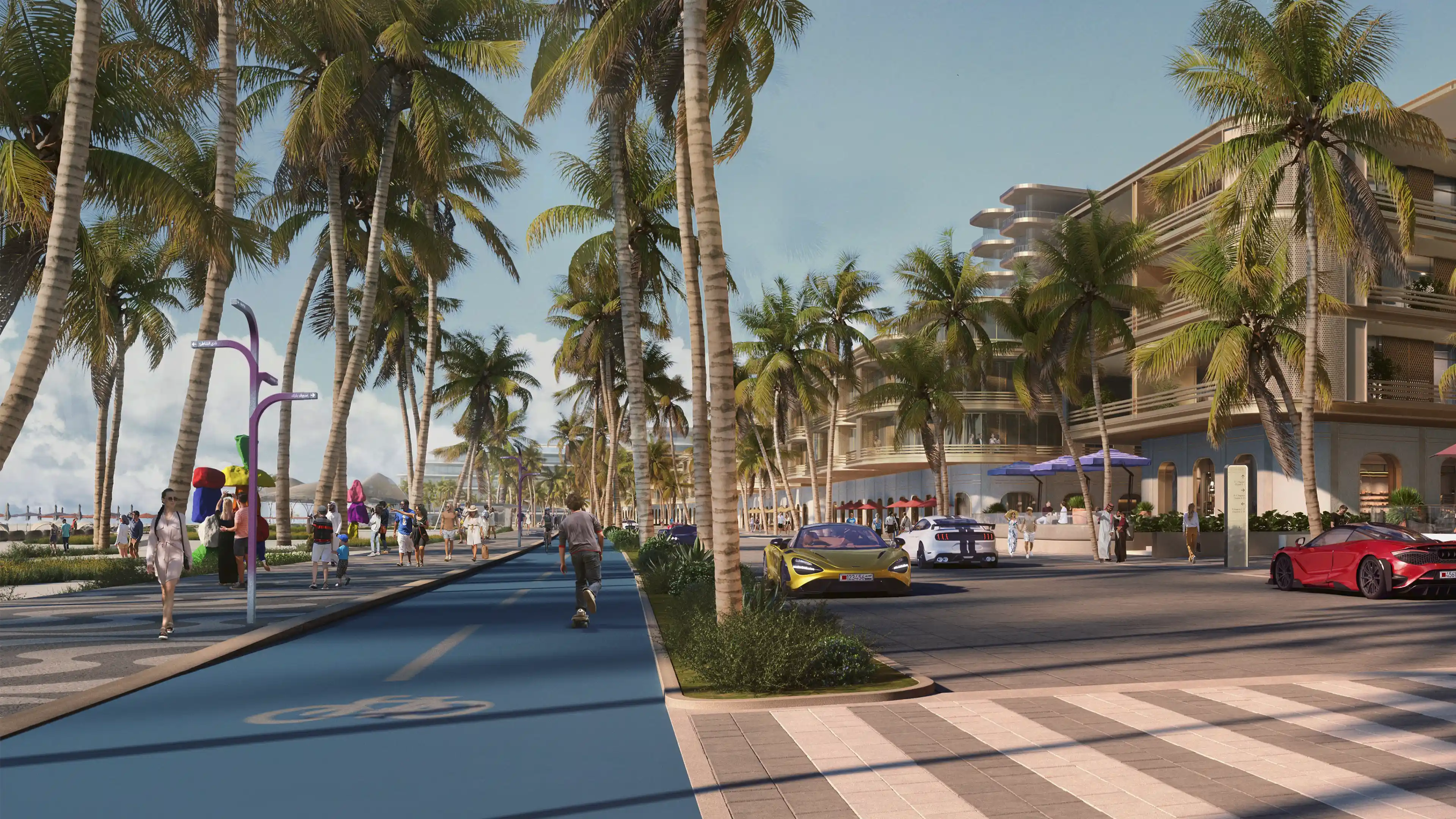
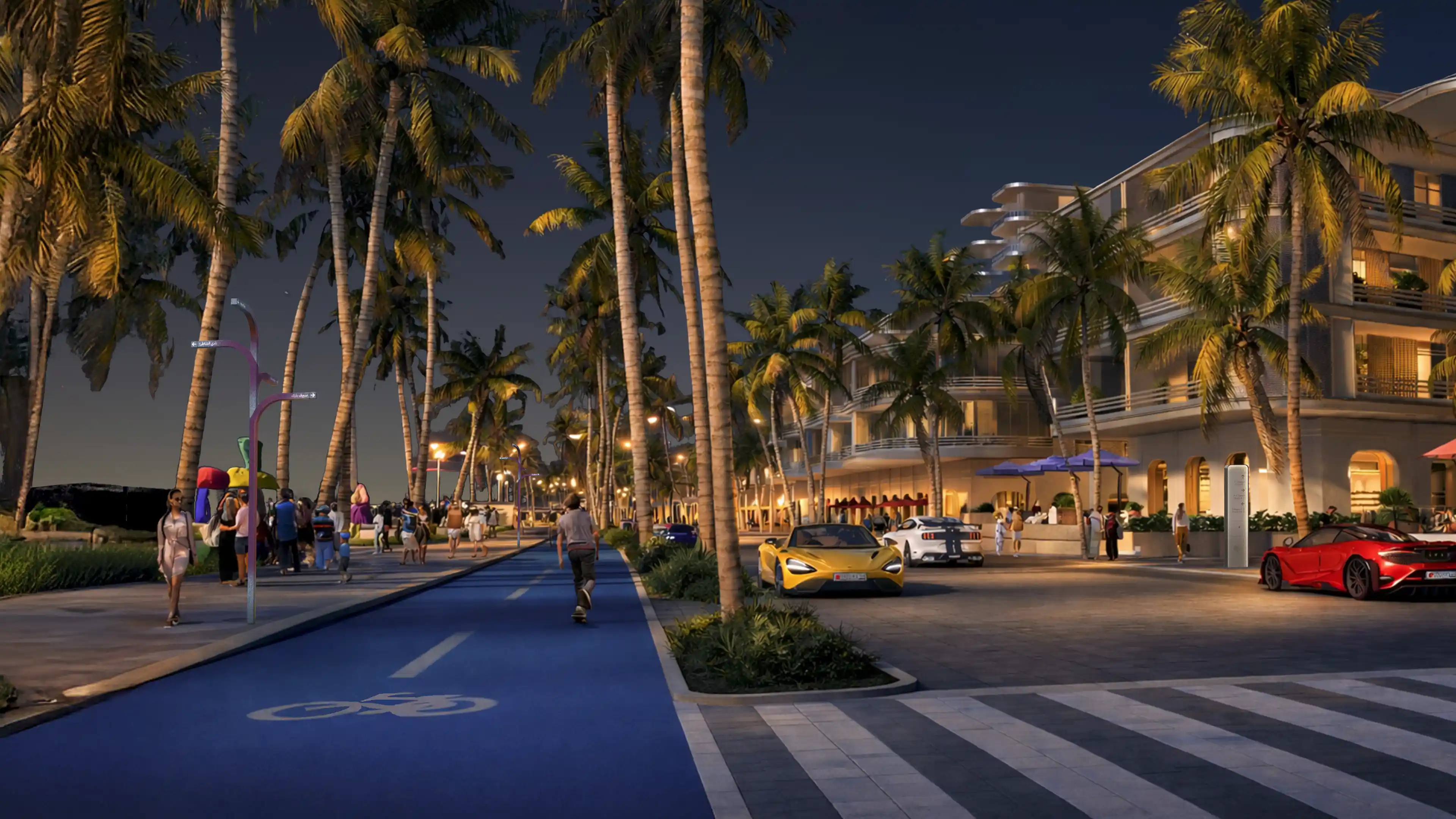
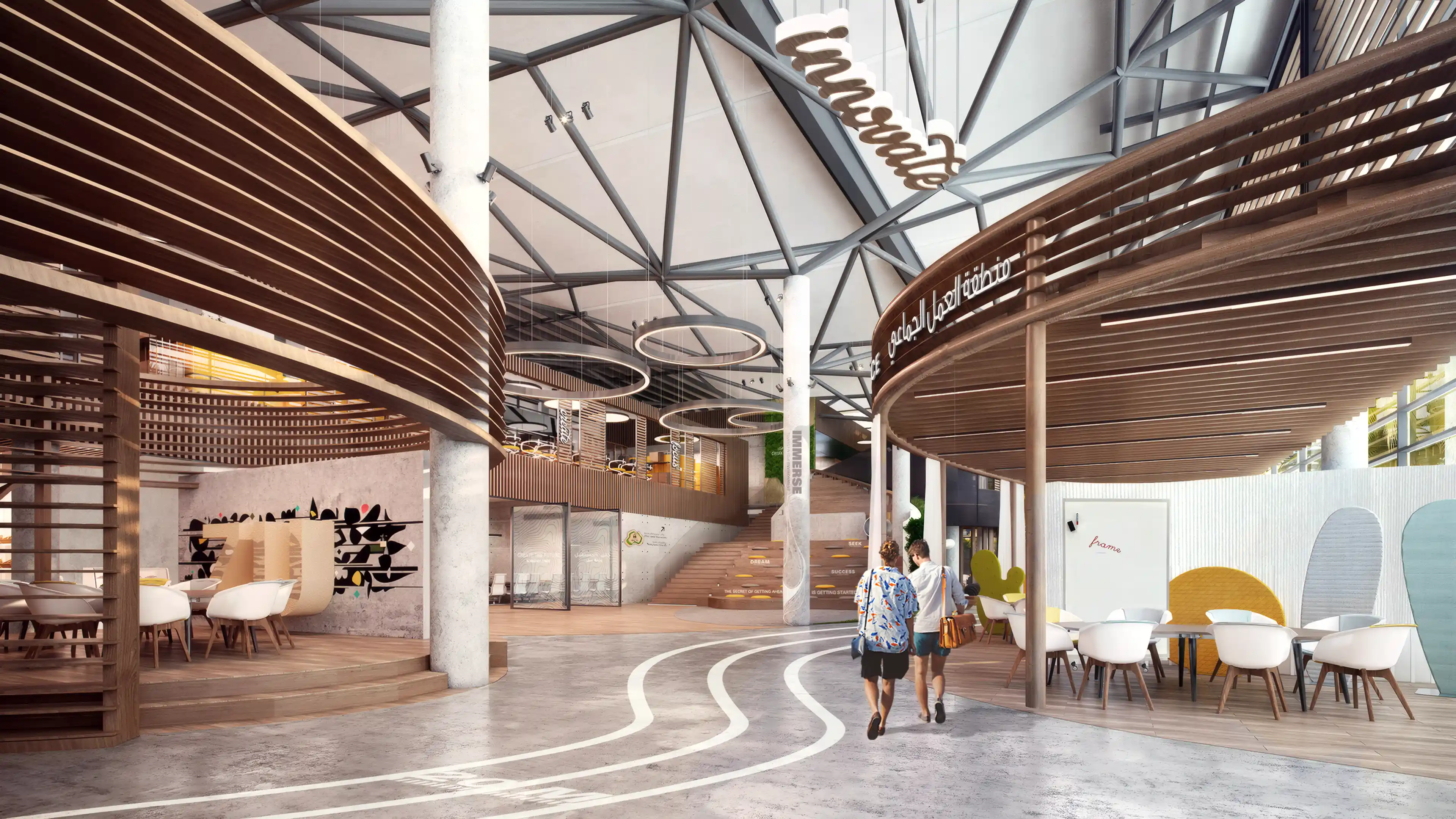
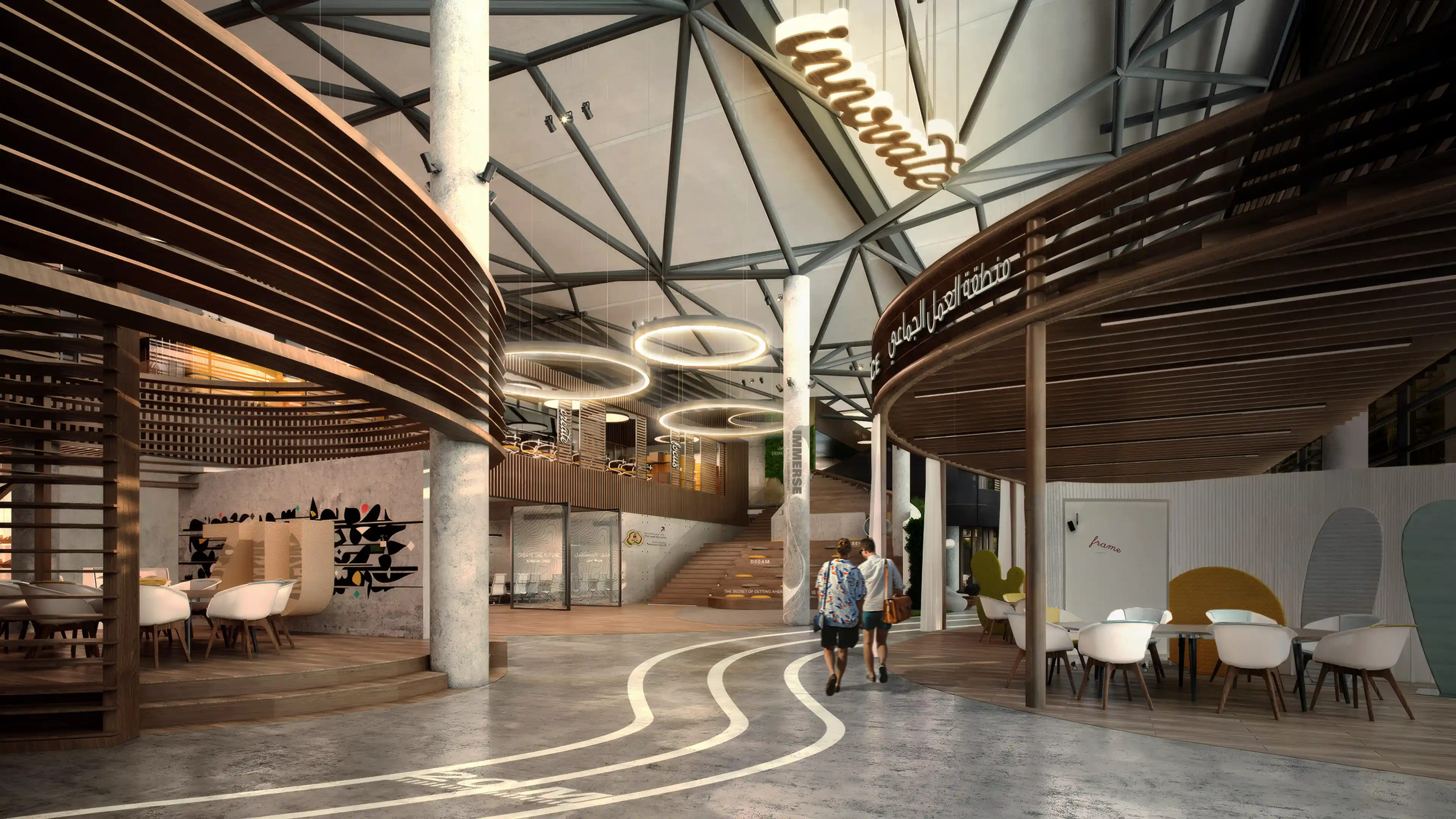
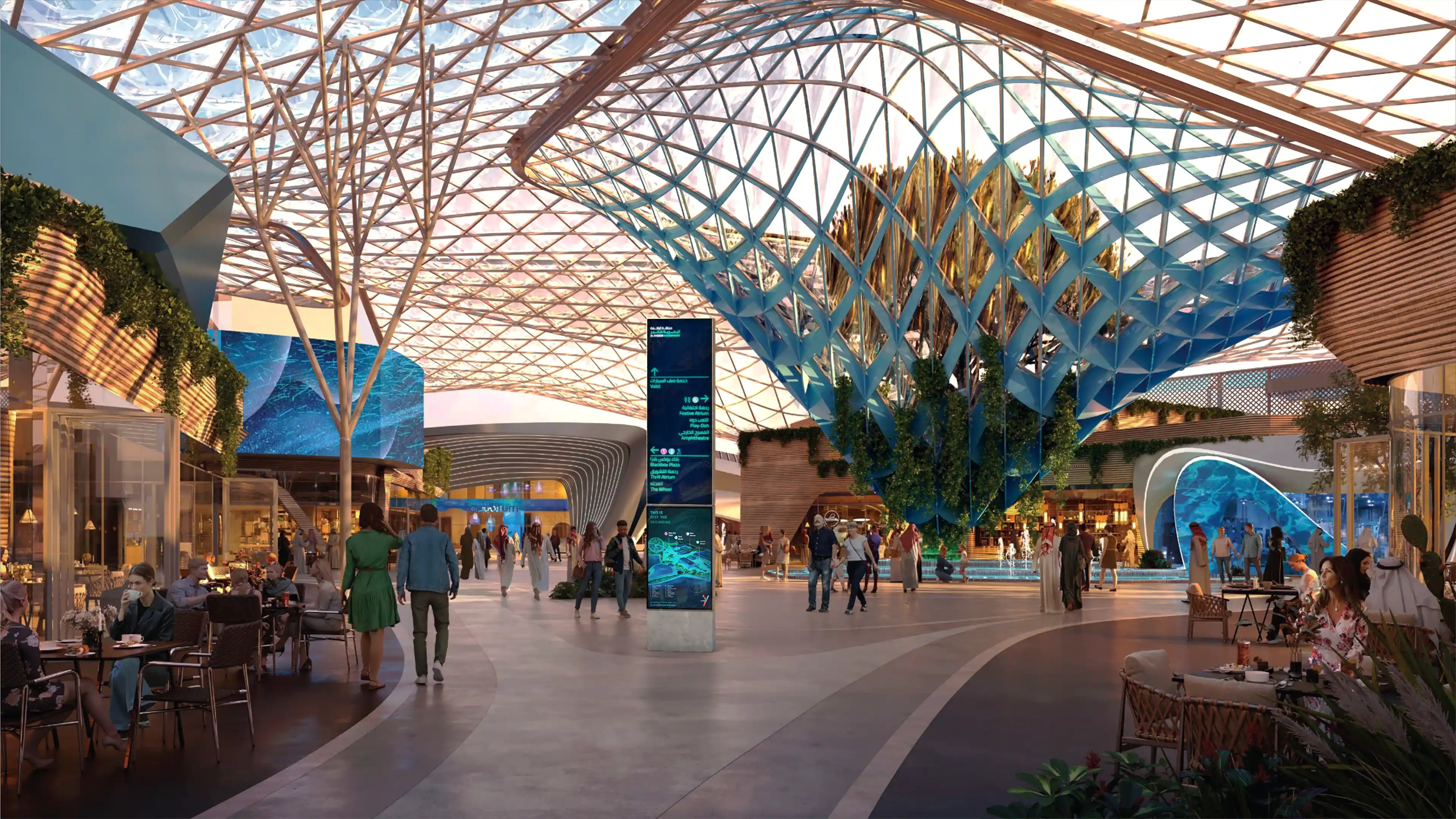
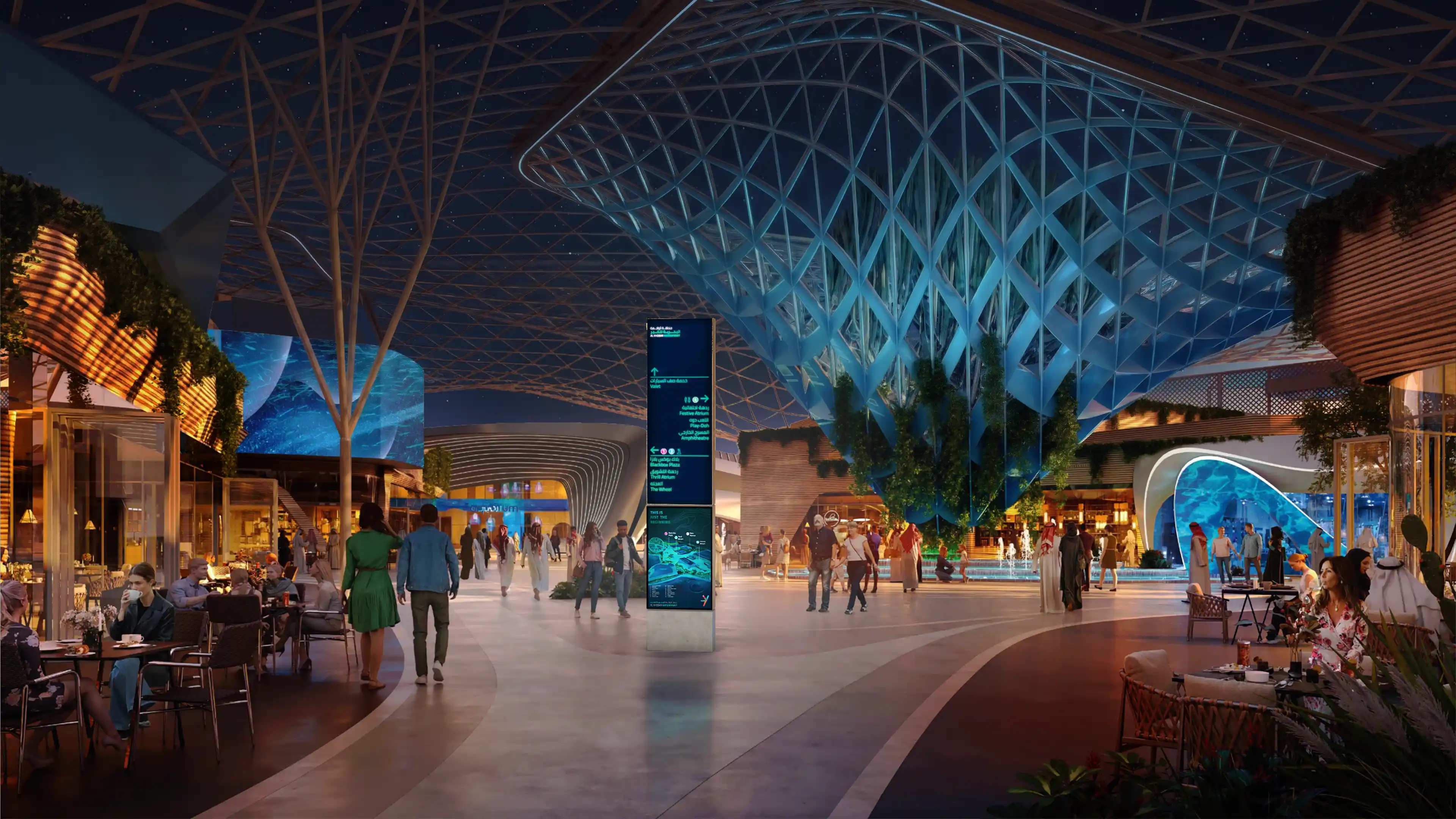
The best human experiences are not applied after architecture is complete. They are built into spatial planning, landscape, lighting, the public realm, infrastructure, materials, operations, and delivery. LIMAH brings these disciplines together so the intended experience survives every stage of the project and becomes part of how the place actually works.
Integrate LIMAH into Your Project
YEARS
PROJECTS
COUNTRIES
INTEGRATED EXPERIENCE VISION
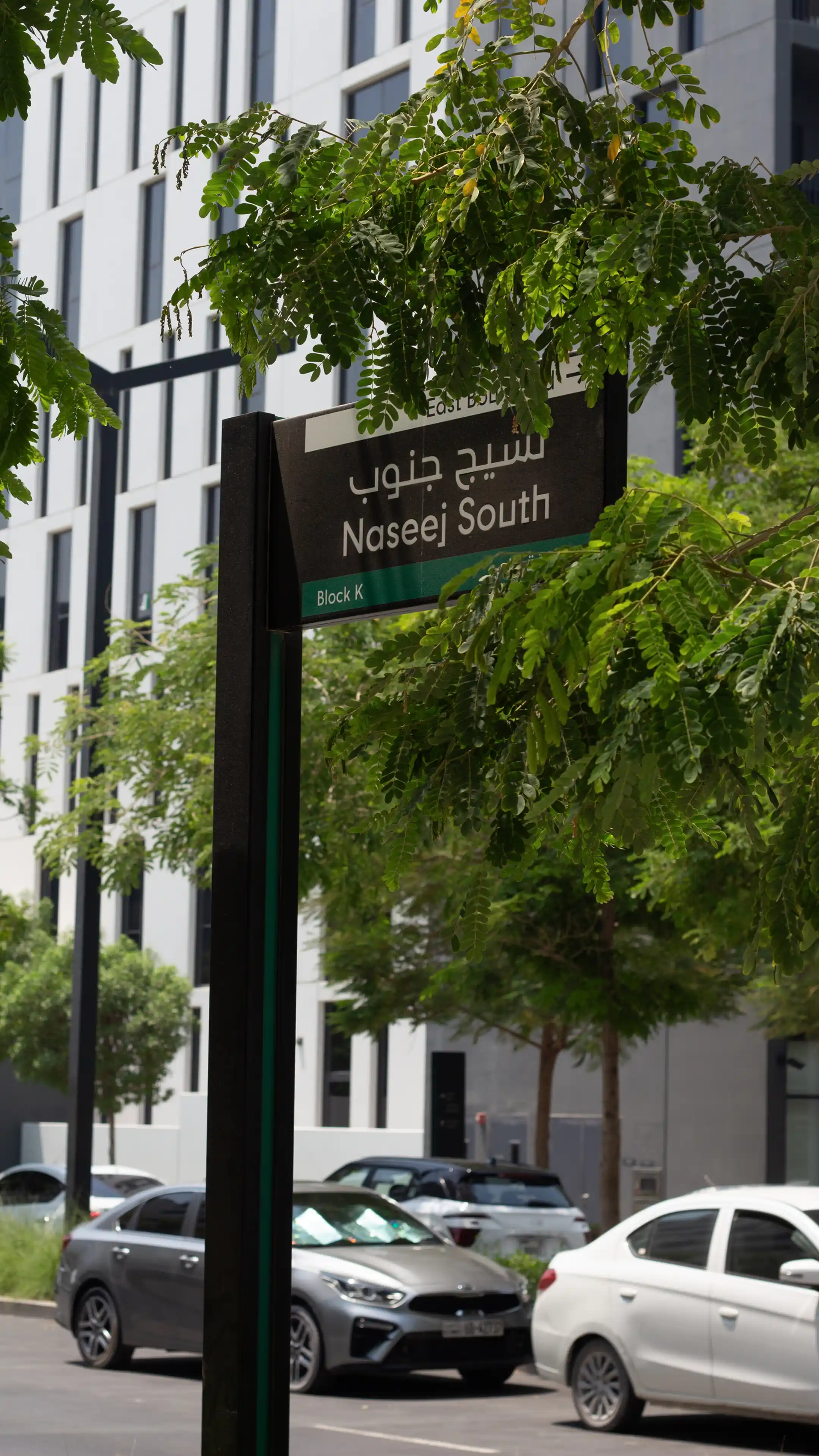
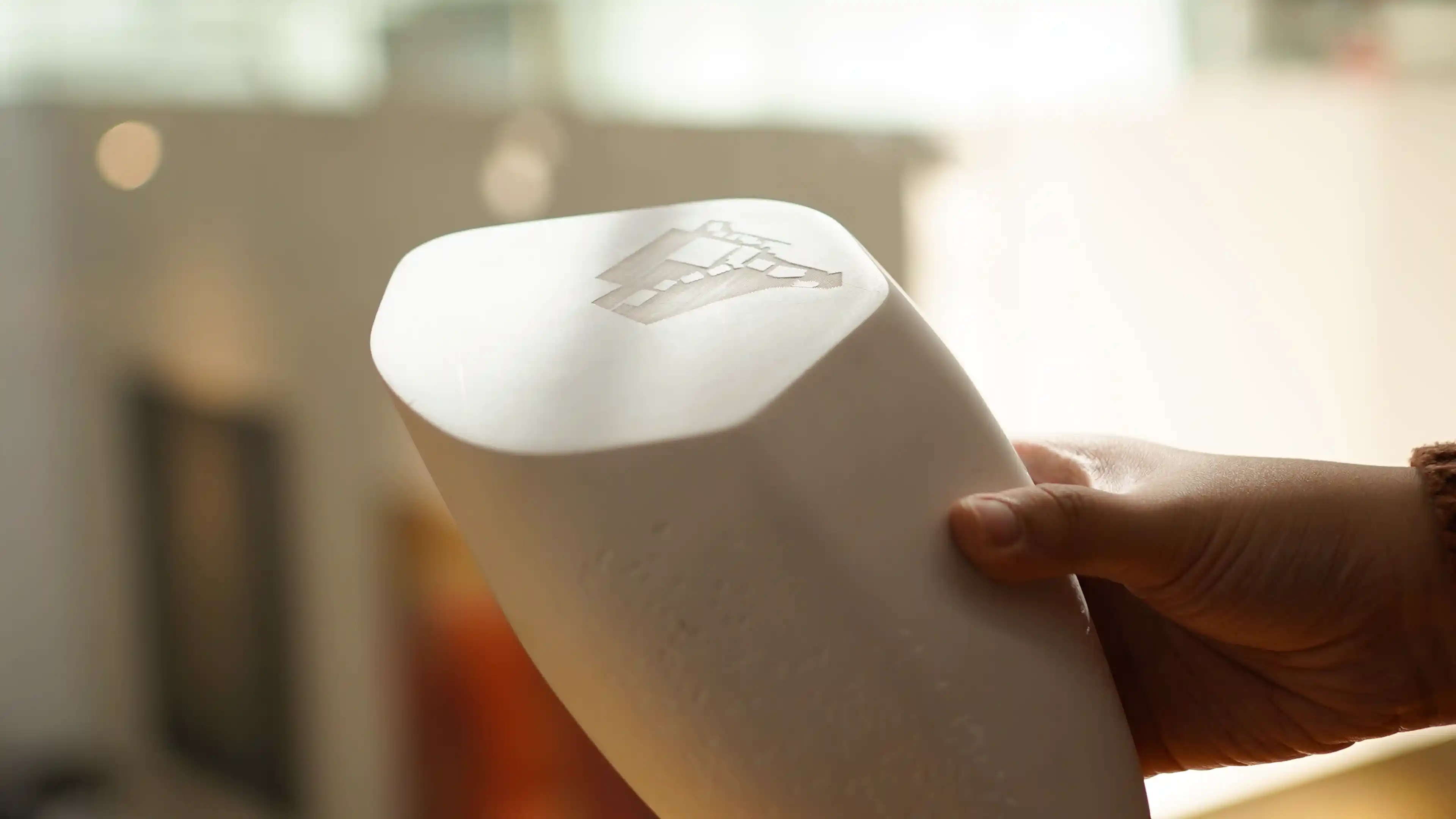
Built Environment Integration is a major pillar of LIMAH’s Built Environment Experience Design discipline.
It connects experience strategy, wayfinding, place identity, sensory design, digital systems and technical delivery with the physical and operational realities of the project.
This means considering the human journey alongside architecture, landscape, lighting, infrastructure, engineering, construction and operations, not after these decisions have already been made.
By integrating experience thinking across the project, LIMAH helps create environments that are easier to understand, more intuitive to navigate and more consistent in how they look, feel and perform.
The experience becomes part of the built environment itself.
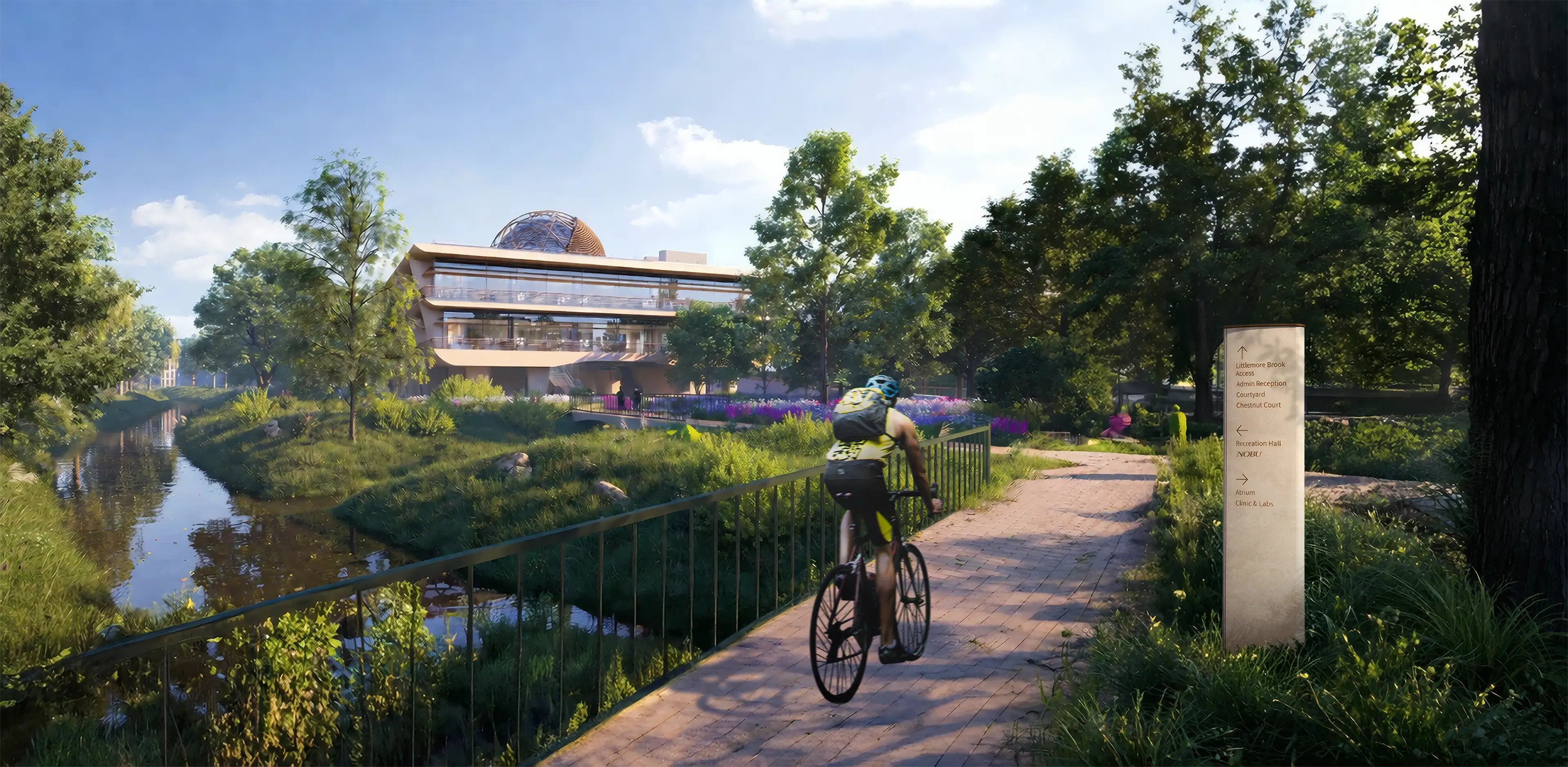
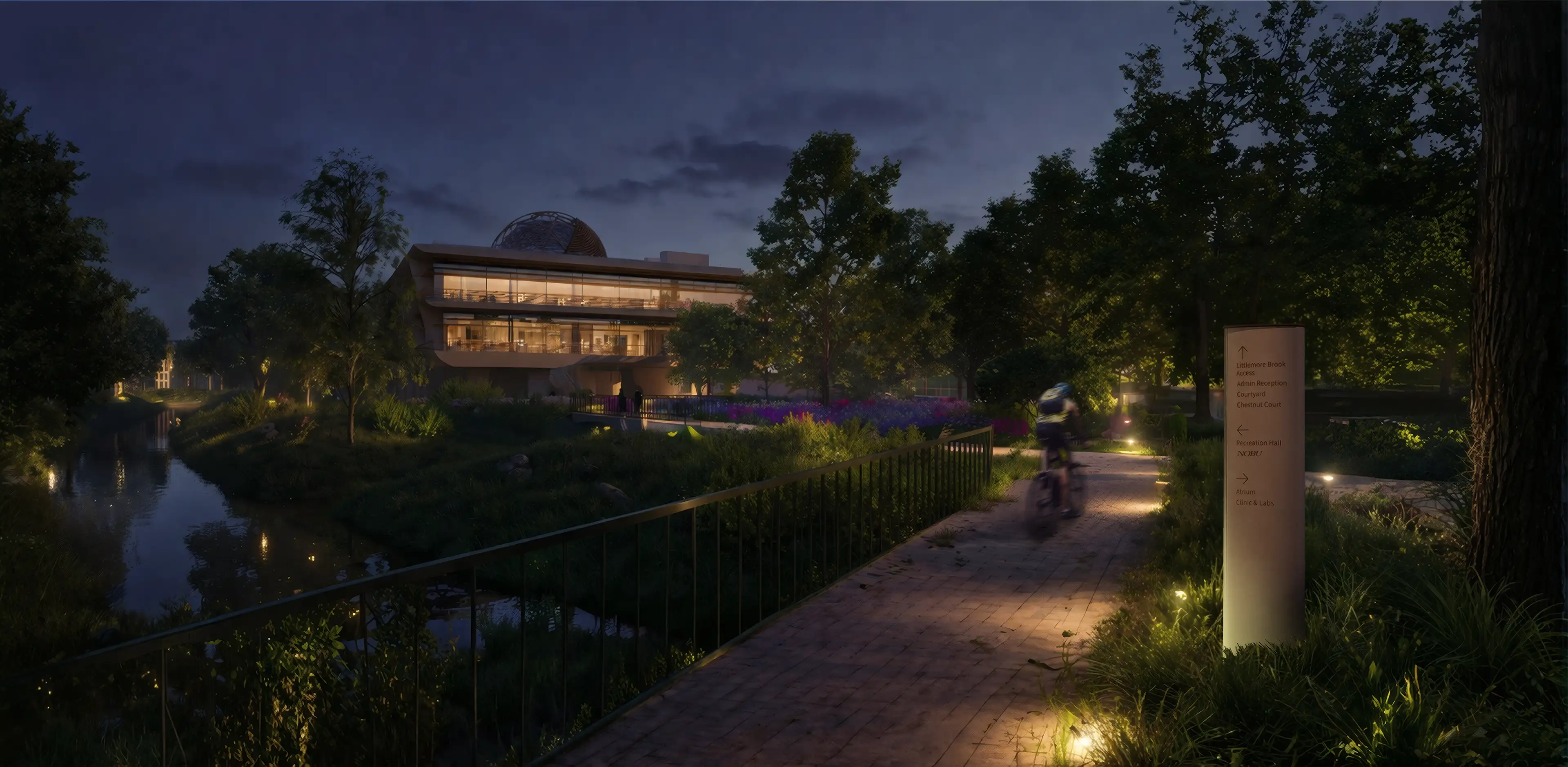
People do not experience architecture, landscape, lighting and signage as separate disciplines.
They experience one place.
A decision made by one consultant can affect movement, visibility, orientation, accessibility, atmosphere and operational performance across the entire environment.
When these decisions are made independently, the human journey becomes fragmented. Important experience requirements are missed. Design intent is weakened. Problems are discovered too late, when they are more difficult and expensive to resolve.
LIMAH works across disciplines to protect the complete experience.
We connect spatial logic with human behaviour. We align information with architecture. We coordinate movement with public realm. We test design intent against technical, operational and site realities.
Because the experience should not be added to the building.
It should be designed into it.
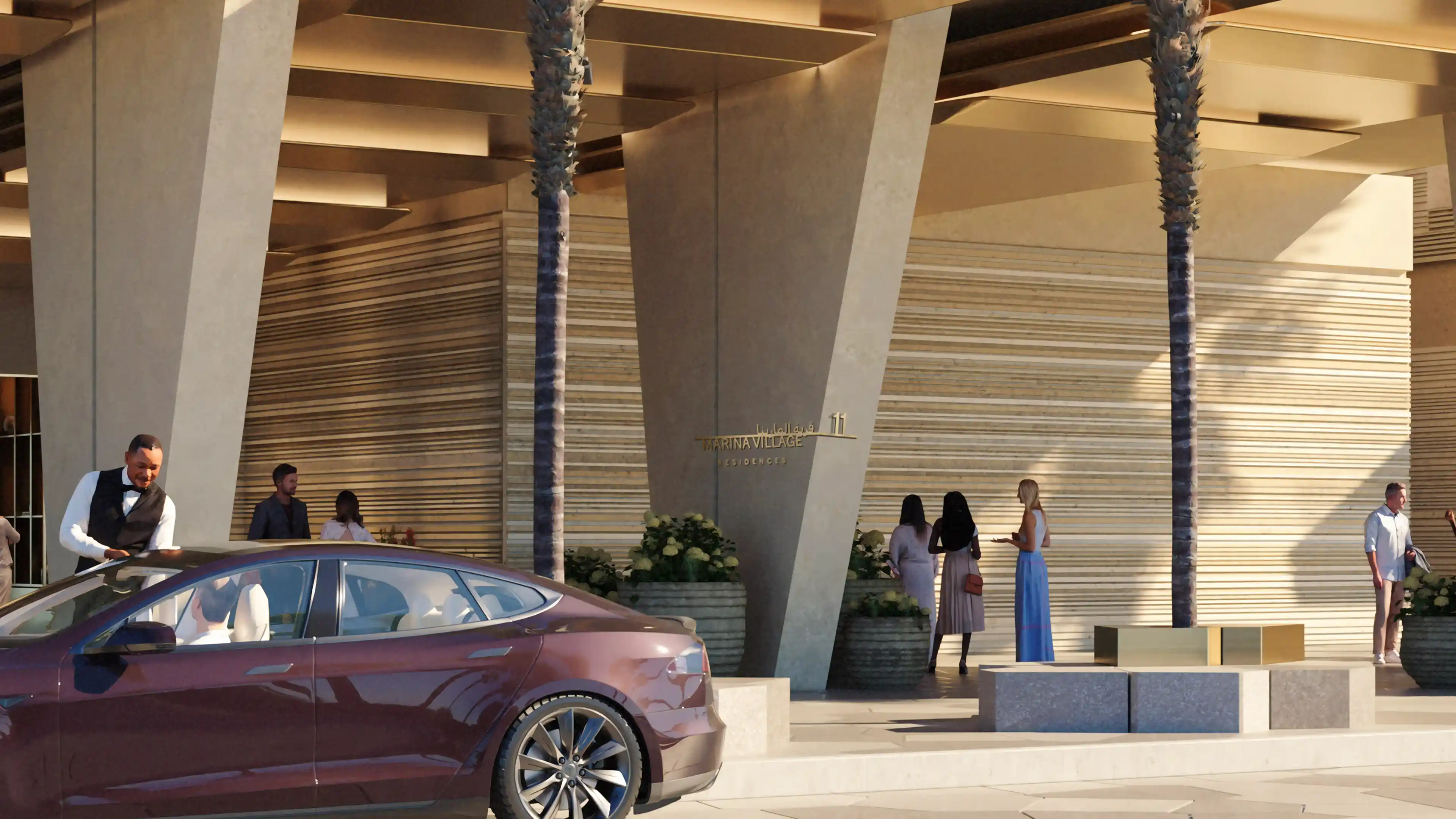
Built Environment Integration creates greater clarity across the project and greater confidence in the final outcome.
It helps deliver:
The result is not simply a coordinated project.
It is a place that works as one connected environment.
We define the intended human journey, project objectives and critical user needs.
We review architecture, landscape, circulation, infrastructure, operations and consultant information.
We establish the spatial, technical and operational requirements that must be embedded across the project.
We work with the wider consultant team to align decisions and resolve conflicts early.
We translate the experience vision into clear information that can be designed, procured and delivered.
We review design development, digital models, site conditions and implementation to protect the intended outcome.
LIMAH understands both sides of the challenge: how people experience complex places and how those places are designed and delivered.
For more than 19 years, we have worked across 500+ projects in 37+ countries, connecting human behaviour, spatial logic, design thinking, coordination, documentation and technical delivery.
Our Dubai-based international studio brings together multidisciplinary expertise across experience strategy, wayfinding, place identity, public art, sensory design, digital systems, built environment integration and governance.
This breadth matters.
It allows us to identify relationships that may be missed when disciplines work independently. We understand how an architectural decision affects orientation. How lighting affects visibility. How public realm affects movement. How materials affect perception. How operations affect the long-term experience.
Our experience spans transport, cities, hospitality, culture, retail, healthcare, education, sports, residential and mixed-use environments.
We do not treat experience as a decorative layer.
We help make it part of the project’s fundamental logic.
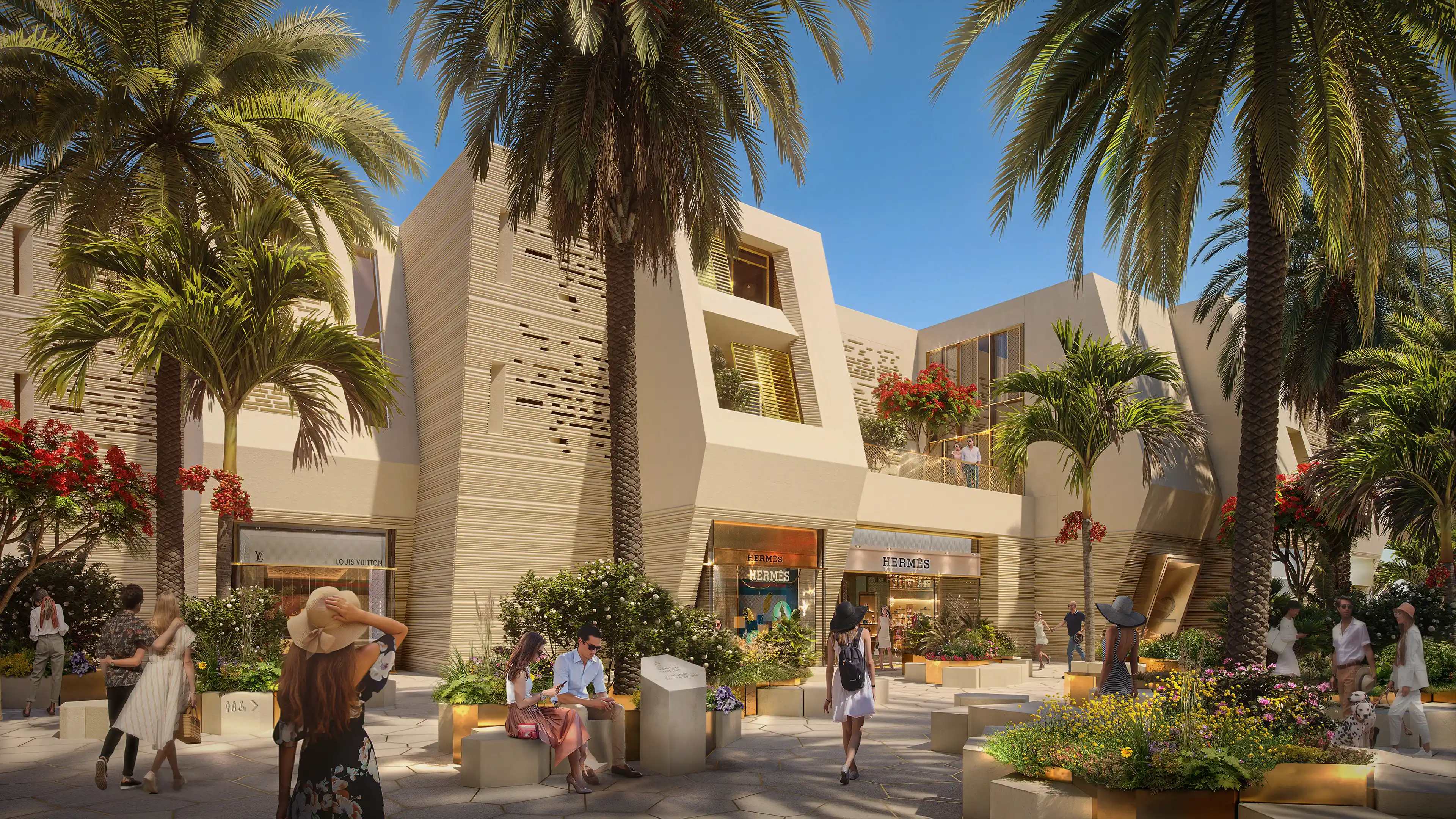
Built Environment Integration is particularly valuable for projects involving multiple consultants, user groups, buildings, systems or delivery stages, including:
A place designed as one connected experience.
Clearer journeys.
Better coordination.
Stronger design intent.
Fewer late-stage conflicts.
Improved orientation.
More effective operations.
Greater consistency across disciplines.
Better long-term performance.
Architecture people can understand. Environments people can trust. Experiences that belong to the place.
Built Environment Experience Design begins long before a project is complete. LIMAH embeds the human journey into the architecture, systems, and operational logic of a place, ensuring the intended experience is carried through from design to delivery.
Speak to LIMAH about your project.